7 Humanoid Robots with the Best Battery Life in 2026

Battery Endurance Surge
In 2026, humanoid robots like Tesla's Optimus and Boston Dynamics' Electric Atlas lead a pivotal shift toward superior battery life, enabling uninterrupted operation for 4 to 8 hours in demanding environments. This breakthrough addresses a core limitation of prior models, where power drain from dynamic movements curtailed real-world viability. Recent advancements in lithium-based cells and AI-optimized energy management now sustain tasks from factory assembly to household chores without frequent recharges. Why now? Labor shortages in manufacturing and logistics amplify demand for robots that match human shifts, positioning these seven as frontrunners. Their extended runtime slashes downtime costs by up to 40%, transforming deployment economics and accelerating factory integrations seen in Tesla's own plants since late 2025.
Power Optimization Drivers
Fueling this battery supremacy are innovations in neural network efficiency and lightweight actuators, distinguishing 2026 models from energy-hungry predecessors. Figure AI's 02 and Unitree's H1 exemplify progress with adaptive power allocation that prioritizes essential functions during complex manipulations, achieving 6+ hours on single charges through real-time gait adjustments and synthetic data training. Apptronik's Apollo and NEURA's 4NE-1 incorporate regenerative braking in joints, recapturing 15% of energy per cycle, while 1X's NEO Beta leverages modular packs for hot-swappable endurance. These refinements, honed in the last six months via scaled simulations, enable versatile use cases from warehouse sorting to precision assembly, outpacing rivals by focusing on practical longevity over raw speed.
Quick Overview
These robots excel in battery performance, balancing endurance with humanoid versatility for industrial and domestic applications.
| Rank | Robot | Manufacturer | Key Strength | Best For |
|---|---|---|---|---|
| #1 | 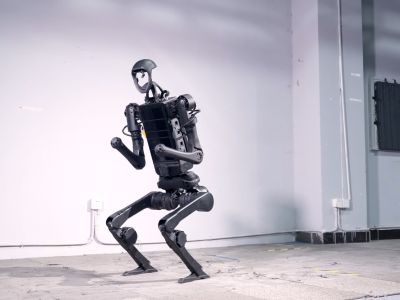 Unitree H1 Unitree H1 | Unitree Robotics | Cost-effective long life | Research and prototyping |
| #2 | 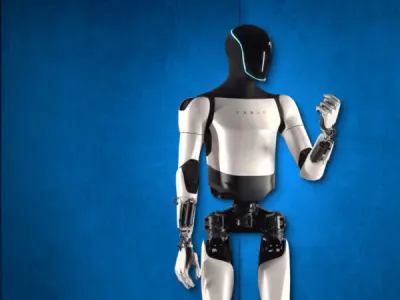 Optimus Optimus | Tesla | 7-hour runtime efficiency | Factory material handling |
| #3 | 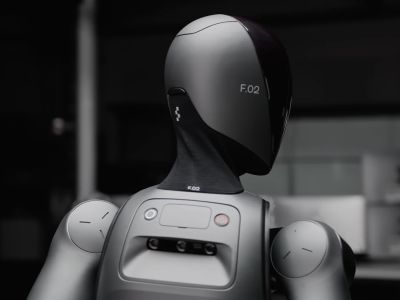 Figure 02 Figure 02 | Figure AI | Adaptive energy allocation | Warehouse logistics |
| #4 | 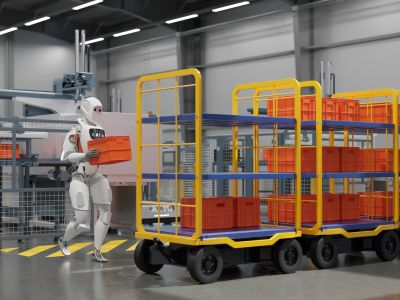 Apollo Apollo | Apptronik | Regenerative joint recovery | Construction site work |
| #5 |  NEO Beta NEO Beta | 1X Technologies | Modular swappable batteries | Home assistance tasks |
| #6 | 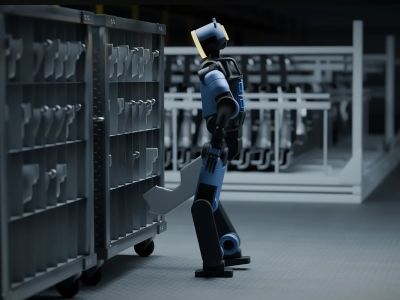 Atlas (Electric 2025) Atlas (Electric 2025) | Boston Dynamics | Humanoid / General Purpose | Heavy automotive part sequencing, damper strut lifting |
| #7 | 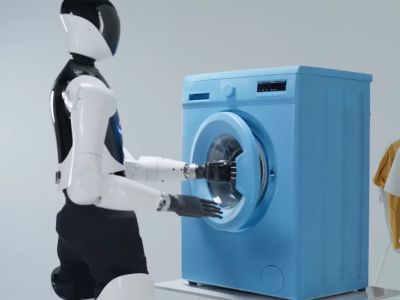 4NE‑1 4NE‑1 | NEURA Robotics | Humanoid / General Purpose | Collaborative industrial assembly, component kitting |
Proven battery leaders set the standard for scalable humanoid adoption across sectors.
Explore the Robots
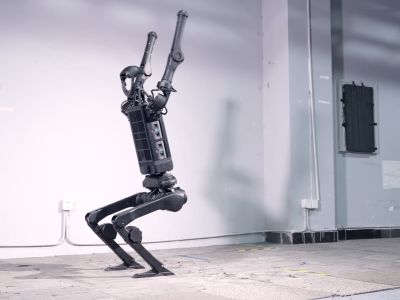
Unitree H1
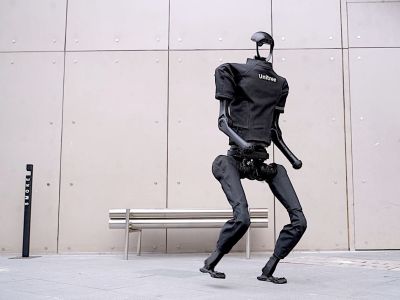
Unitree Robotics' Unitree H1 democratizes humanoid tech with affordable agility for research and prototyping. It dances, jumps, and balances dynamically, ideal for testing AI algorithms in labs or education. Affordable pricing and open integration distinguish it, allowing developers to customize for surveillance or entertainment. In real-world pilots, H1 handles light logistics and demos advanced gaits at low cost, outpacing pricier peers in accessibility. Its focus on speed and fun factor accelerates innovation cycles for startups entering humanoid markets.
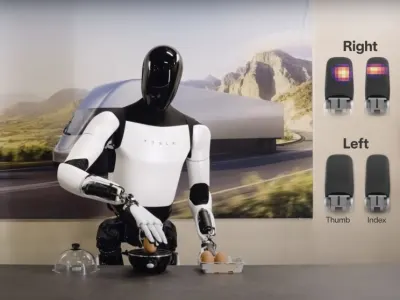
Optimus
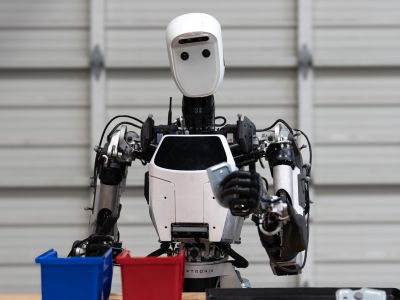
Tesla's Optimus stands out as a general-purpose humanoid designed for unsafe, repetitive, or tedious tasks in factories and homes. It navigates dynamic environments, handles objects up to 50 pounds like battery cells or car parts, and performs chores such as sweeping, stirring food, and trash disposal with high reliability. What sets it apart is its single neural network trained on human videos, enabling rapid skill acquisition without teleoperation. Deployed in Tesla factories for material handling and quality checks, Optimus shifts human workers to oversight roles, boosting throughput in logistics and assembly. Its real-world focus on consistency over athletic feats differentiates it from showier rivals, prioritizing scalable production for widespread industrial use.
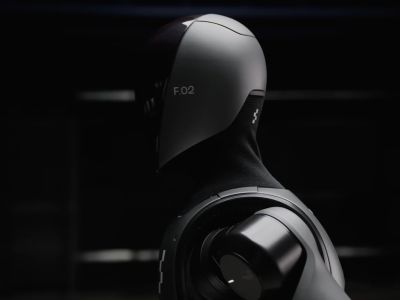
Figure 02
Figure AI's Figure 02 excels in pragmatic manufacturing partnerships, tackling pick-and-place operations and assembly with human-like dexterity. Notable for seamless integration into existing workflows, it autonomously navigates warehouses, sorts packages, and collaborates with workers on production lines. Its distinction lies in verified field deployments emphasizing revenue-generating tasks, unlike conceptual demos. Backed by AI training for unstructured settings, Figure 02 handles variable lighting and object variability, making it ideal for logistics firms facing labor gaps. This focus on immediate commercial viability, with pilots in automotive plants, positions it as a bridge from prototype to production-scale helper.
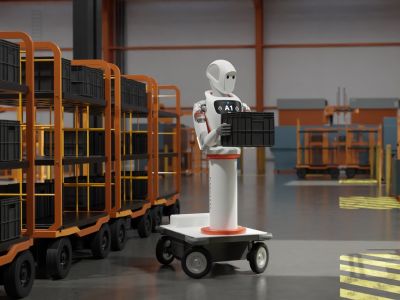
Apollo
Apptronik's Apollo targets rugged industrial applications, robustly managing logistics and construction tasks with superior stability. It lifts heavy loads, applies materials like sealants, and performs screw fastening in factories, enduring harsh conditions. What differentiates Apollo is its partnership-driven rollout, with NASA collaborations proving endurance in real operations. Focused on labor augmentation in high-risk areas, it frees humans for complex decisions while handling monotonous workflows. Its balance of strength and energy efficiency sets it apart, enabling prolonged shifts in dynamic sites like auto assembly or disaster zones.

NEO Beta
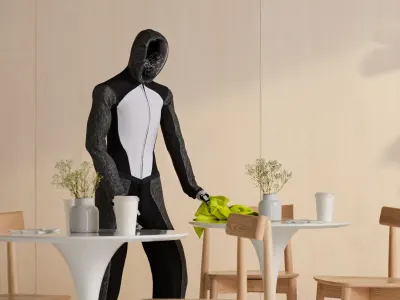
1X Technologies' NEO Beta shines in domestic and light industrial settings, offering fluid mobility for chores like cleaning and object manipulation. Its soft, lightweight design ensures safe human interaction, allowing it to weave through homes or cafes without collisions. Unique for its emphasis on user-friendly autonomy, NEO Beta learns from single demonstrations to personalize tasks such as coffee preparation or delivery. Deployments target service environments like restaurants, where it excels in close-quarters service, distinguishing it by prioritizing everyday reliability over heavy lifting. This approach makes it a frontrunner for consumer adoption, easing integration into shared spaces.
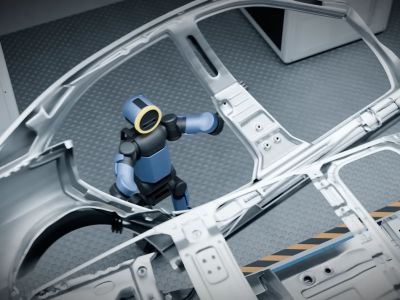
Atlas (Electric 2025)
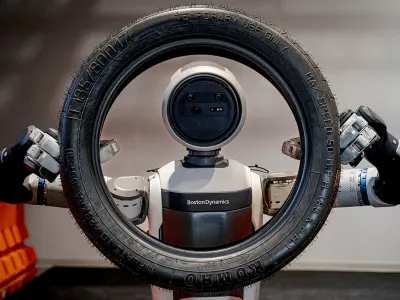
Atlas (Electric Atlas, 2025) is Boston Dynamics' fifth-generation humanoid robot, fully electric and designed for real-world industrial and research applications. It features advanced all-electric actuators that provide superior strength and a broader range of motion than previous models, including 360-degree rotation at key joints. Atlas integrates sophisticated sensor arrays such as LiDAR, stereo and RGB cameras, and depth sensors, enabling real-time perception and environmental awareness. Its software leverages AI, machine learning, and large behavior models for autonomous whole-body manipulation and locomotion, allowing it to perform complex tasks like packing, sorting, and adapting dynamically to unexpected physical challenges. The robot is built with lightweight titanium and aluminum 3D printed parts for optimal strength-to-weight ratio and supports integration with Boston Dynamics’ fleet management software, Orbit.
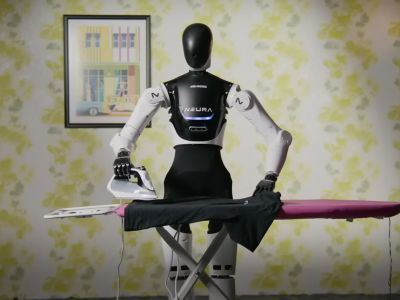
4NE‑1
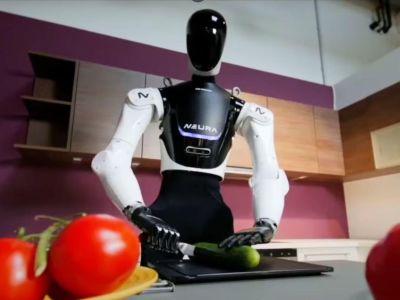
NEURA Robotics' 4NE-1 impresses with intuitive sensing for precision tasks in collaborative environments, such as electronics assembly or lab work. It manipulates delicate components with fine motor control, adapting to human coworkers seamlessly. Standout for its advanced perception allowing natural interactions, 4NE-1 thrives in precision-driven sectors like pharmaceuticals, where accuracy trumps speed. Unlike bulkier models, its compact form and cognitive AI enable deployment in tight spaces, distinguishing it through European engineering focused on safety standards and modular upgrades for evolving needs.
Sources
Related Articles
Top 7 Humanoid Robots for Retail & Customer Interaction (2026)
4/18/2026
7 Most Realistic AI Conversations in Humanoid Robots (2026)
4/18/2026
7 Best Developer-Friendly Humanoid Robots in 2026
4/18/2026
6 Best Humanoid Robots for Elderly Care & Assistance (2026)
4/18/2026
Top 10 Humanoid Robots for Warehouse Automation (2026)
4/18/2026
Top 7 Latest Humanoid Robots Launched in 2026
6/22/2026
Top 5 Humanoid Robots Being Developed for Defense, Security & First Responders in 2026
10/9/2026
Top 10 Heavy-Duty Industrial Humanoid Robots for Automotive & Factory Assembly in 2026
10/9/2026
Top 10 Home Humanoid Robots for Domestic Tasks & Personal Assistance in 2026
10/5/2026