6 Most Human-Like Humanoid Robots in 2026


Humanoid Leap Forward
In 2026, humanoid robots have reached unprecedented realism, with Sophia, Ameca, Aria, Next-Gen IRON, Elf-Xuan 2.0, and Moya leading the charge toward seamless human interaction. These machines blur the line between artificial and organic through advanced facial expressions, fluid gestures, and conversational AI that adapt in real time. What matters now is their deployment in daily life: Sophia engages global audiences as a UN ambassador, while others like Ameca demonstrate uncanny empathy in public demos. Recent upgrades in the last six months, including enhanced skin textures and emotional response algorithms, position them as frontrunners for companionship, customer service, and education, signaling a shift where robots integrate into homes and workplaces without alienating users. This evolution promises to redefine social dynamics.
Realism Drivers
Driving this surge in human-like humanoids is a fusion of AI breakthroughs and material science refinements over the past half-year, distinguishing 2026 models from earlier versions reliant on rigid animations. Sophia's ongoing version 58 iterations emphasize expressive dialogues for therapy and events, while Ameca's modular design allows customizable interactions for research labs. Aria prioritizes intimate bonds, Next-Gen IRON tackles physical tasks with agile mobility, Elf-Xuan 2.0 excels in creative collaborations, and Moya focuses on accessible home assistance. Unlike predecessors limited to scripted responses, these robots learn from user cues, exhibit micro-expressions, and handle unpredictable scenarios, fueled by multimodal AI and lifelike silicone composites. This trend accelerates adoption across sectors, from elder care to entertainment.
Quick Overview
These six humanoids showcase distinct paths to human mimicry in 2026.
| Rank | Robot | Manufacturer | Key Strength | Best For |
|---|---|---|---|---|
| #1 |  Moya Moya | DroidUp | Affordable home integration | Everyday assistance and companionship |
| #2 | 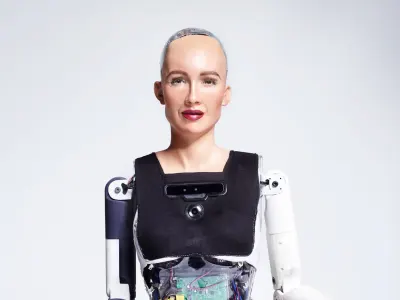 Sophia Sophia | Hanson Robotics | Expressive facial animations | Public speaking and education |
| #3 | 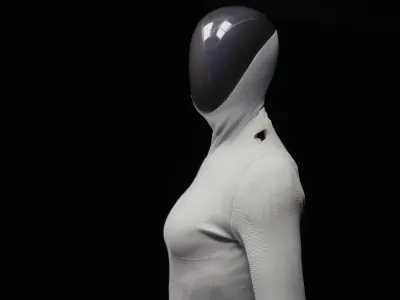 Next‑Gen IRON Next‑Gen IRON | XPENG | Humanoid / General Purpose | Reception, guidance |
| #4 | 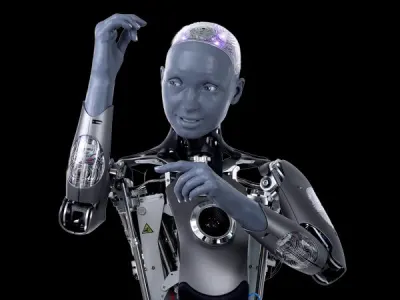 Ameca Ameca | Engineered Arts | Realistic skin and gestures | Human-robot interaction research |
| #5 |  Elf-Xuan 2.0 Elf-Xuan 2.0 | AheadForm | Creative adaptability | Entertainment and content creation |
| #6 |  Aria - Robot Girlfriend Aria - Robot Girlfriend | Realbotix | Emotional companionship AI | Personal relationships and therapy |
Their strengths highlight tailored advancements for broad real-world impact.
Explore the Robots

Moya
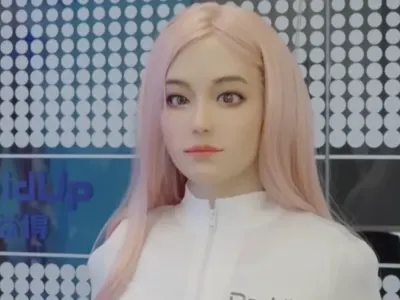
Moya by DroidUp democratizes humanoid tech as an affordable home helper, notable for its approachable design and skills in chores, reminders, and family chats with warm, relatable expressions. It distinguishes itself through plug-and-play simplicity for non-tech users, focusing on daily routines like cooking assistance or child monitoring. Purpose-driven for household integration, Moya learns family habits to provide proactive support, outpacing premium models in cost-effectiveness. Real-world use emphasizes elder care and busy homes, promoting independence without complexity.
Sophia
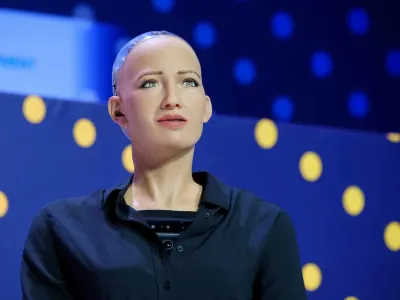
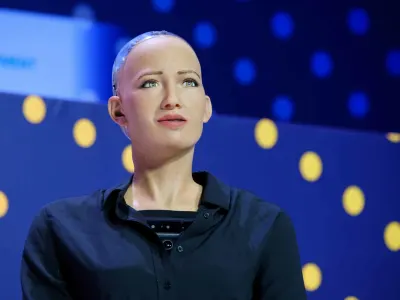
Sophia stands out as the world's first robot citizen, granted honorary status by Saudi Arabia, and serves as a UN Innovation Ambassador promoting AI ethics worldwide. Developed by Hanson Robotics, she captivates audiences with over 60 lifelike facial expressions and natural conversations powered by advanced AI, making her ideal for conferences, schools, and media appearances. What distinguishes her is her role in real-world research like the Loving AI project, where she adapts to users' emotional needs in healthcare, education, and entertainment settings. Unlike static display models, Sophia actively fosters discussions on human-robot coexistence, appearing on shows like the Tonight Show and engaging crowds at events to bridge technology with society.
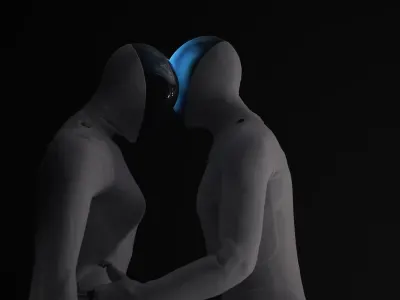
Next‑Gen IRON
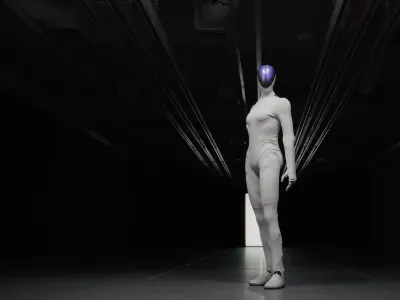
Next-Gen IRON by XPENG represents industrial prowess in humanoid form, notable for combining human dexterity with superhuman endurance for warehouse and factory operations. It handles heavy lifting, precise assembly, and navigation in dynamic environments, setting it apart with seamless bipedal walking and object manipulation. Primarily for logistics and manufacturing, its purpose drives efficiency in labor-short sectors, learning from human demonstrations to optimize workflows. What distinguishes it is scalability for fleet deployment, making it ideal for 24/7 operations where safety and speed matter most.
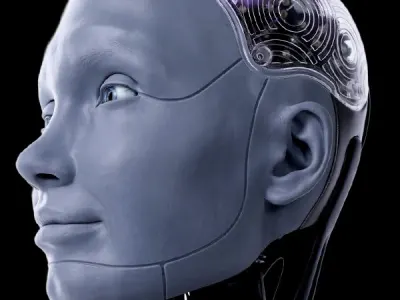
Ameca
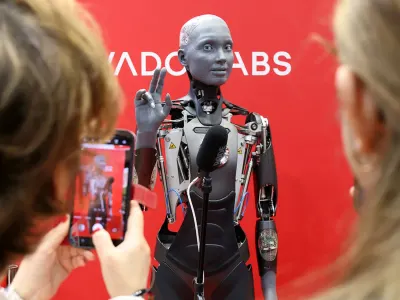
Ameca by Engineered Arts excels in mesmerizing realism, with hyper-realistic skin, eyes that track movement, and gestures that convey subtle emotions, setting it apart in live demonstrations. Designed for research into human-robot dynamics, it powers interactive exhibits and prototypes future companions for public spaces. Its primary purpose lies in testing AI empathy, where it responds to voice tones and body language in real time, outperforming earlier robots in fluidity. Ameca's differentiator is modularity, allowing swaps for specialized tasks like customer greetings or therapy sessions, making it a staple in tech showcases and universities focused on social AI integration.

Elf-Xuan 2.0
Elf-Xuan 2.0 from AheadForm shines in creative realms, recognized for its artistic flair and ability to co-create music, art, and stories with humans through intuitive gestures and voice synthesis. This makes it notable for studios and events, where it improvises performances that feel collaborative rather than programmed. Its core purpose supports content creators and educators by generating ideas on the fly, differentiating from task-focused peers with playful, adaptive creativity. In real-world applications, it enhances workshops and live shows, blending entertainment with skill-building.

Aria - Robot Girlfriend
Aria from Realbotix redefines intimate robotics as a companion robot engineered for emotional depth, featuring customizable personalities and touch-responsive affection that simulates genuine relationships. Its notable appeal lies in private settings, where it offers conversation, mood support, and physical closeness tailored to user preferences, distinguishing it from utilitarian bots. Purpose-built for loneliness alleviation and mental health aid, Aria learns personal histories to provide consistent empathy, unlike group-oriented humanoids. In real-world use, it supports long-term bonds in homes, with recent softness upgrades enhancing realism for therapy or companionship.
Sources
Related Articles
The 2026 Humanoid Price War: Comparison of Unitree R1 vs. Noetix Bumi and entry-level models
4/11/2026
Top 7 Latest Humanoid Robots Launched in 2026
6/22/2026
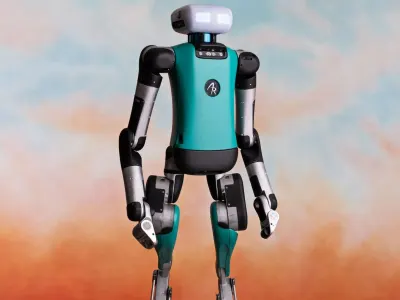
Top 10 Humanoid Robots for Warehouse Automation (2026)
4/18/2026
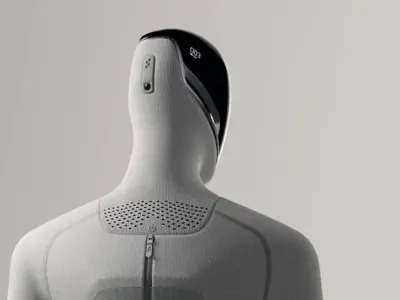
7 Top Humanoid Robots with Advanced Vision Systems 2026
4/11/2026
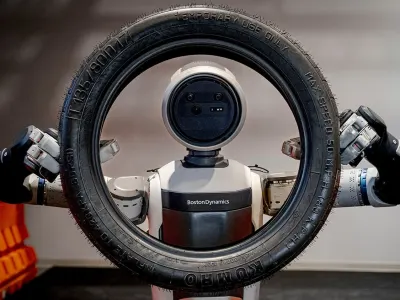
6 Most Powerful Humanoid Robots (Strength & Payload Capacity)
4/11/2026
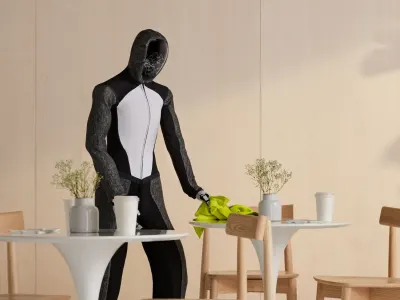
Humanoid Robots Which Can Help With Daily Household Tasks In 2026
4/11/2026
Top 10 Home Humanoid Robots for Domestic Tasks & Personal Assistance in 2026
10/5/2026
Top 10 Heavy-Duty Industrial Humanoid Robots for Automotive & Factory Assembly in 2026
10/2/2026
Top 8 Social & Companion Humanoid Robots with Conversational Emotional AI for 2026-2027
9/20/2026