The 2026 Humanoid Price War: Comparison of Unitree R1 vs. Noetix Bumi and entry-level models
Price War Ignites
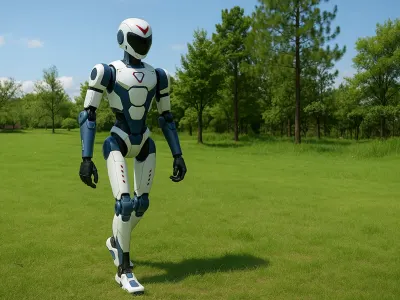
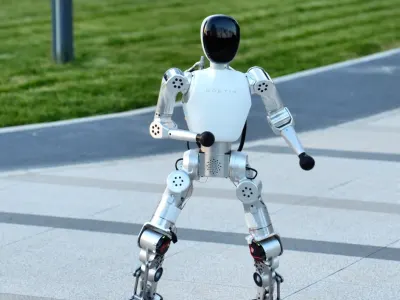
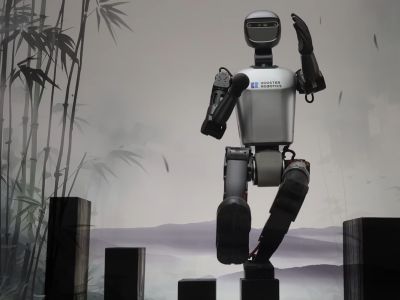
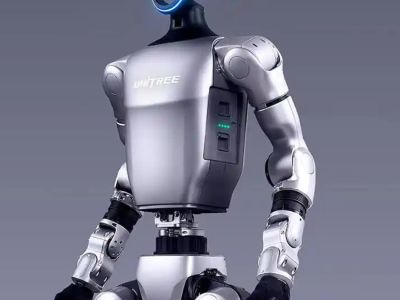
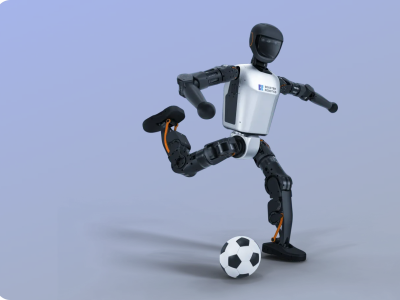
The 2026 humanoid market is erupting into a fierce price war, with Unitree's R1 challenging Noetix Robotics' Bumi as flagships under $20,000, while entry-level models from Booster Robotics undercut them further to accelerate mass adoption. Chinese manufacturers dominate this shift, slashing costs through scaled production and AI optimizations, making versatile humanoids viable for factories, homes, and services. This competition matters now because it democratizes advanced robotics, potentially deploying thousands of units annually and reshaping labor markets. Recent demos show R1 and Bumi handling dynamic tasks like assembly and cleaning with humanlike dexterity, pressuring Western rivals to match affordability without sacrificing performance. Investors eye this as the tipping point for commercial viability.
Drivers Reshape Field
Fueling the price war, breakthroughs in lightweight actuators and unified AI models enable R1 and Bumi to outperform predecessors at half the cost, distinguishing them through real-time adaptation in unstructured environments. Unitree's R1 builds on G1's legacy with enhanced torque for heavier payloads, while Noetix Bumi prioritizes seamless human interaction via intuitive gesture recognition, setting them apart in service roles. Entry-level Booster models strip non-essentials for bare-bones pricing, targeting high-volume sectors like warehousing. Last six months' pilots confirm 30% cost drops from domestic supply chains, sparking orders from logistics giants. This evolution promises humanoids not as prototypes but as reliable coworkers, intensifying rivalry and innovation cycles.
Quick Overview
These humanoids compete on affordability and versatility in 2026's market.
| Rank | Robot | Manufacturer | Key Strength | Best For |
|---|---|---|---|---|
| #1 | 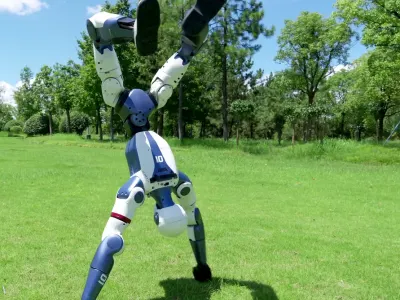 Unitree R1 Unitree R1 | Unitree Robotics | Enhanced torque output | Industrial assembly |
| #2 | 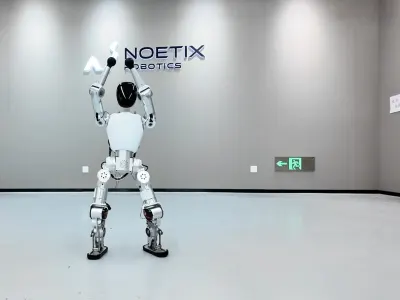 Bumi Bumi | Noetix Robotics | Intuitive human interaction | Service and caregiving |
| #3 |  K1 Humanoid K1 Humanoid | Booster Robotics | Compact high-speed mobility | Warehouse navigation |
| #4 | 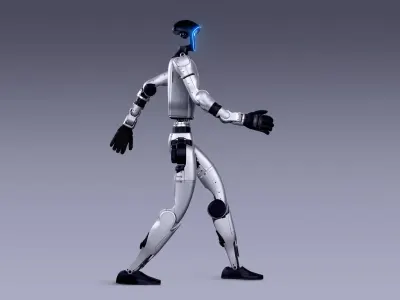 Unitree G1 Unitree G1 | Unitree Robotics | Dexterous manipulation | Household assistance |
| #5 |  T1 Humanoid T1 Humanoid | Booster Robotics | Simplified cost efficiency | Entry-level automation |
This table highlights how pricing strategies position each for rapid deployment.
Explore the Robots
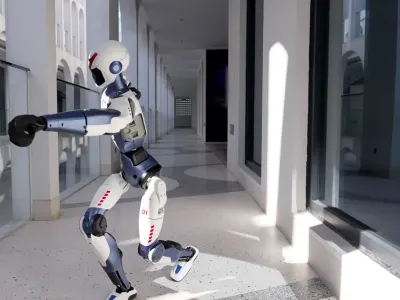
Unitree R1
Unitree R1 elevates the G1 platform as a mid-tier contender in the 2026 price war, optimized for demanding industrial environments with superior torque and payload handling. It tackles repetitive assembly, part inspection, and dynamic logistics, adapting via reinforcement learning to unstructured warehouses or production lines. Standing taller with refined joint flexibility, R1 outperforms entry models in endurance for shifts-long operations, setting it apart by integrating seamlessly with human teams. Recent developments highlight its role in scaled pilots, moving goods through narrow aisles and performing quality checks, making it ideal for cost-conscious manufacturers seeking reliability over gimmicks. Its evolution emphasizes practical scalability, positioning it as a volume seller against pricier imports.
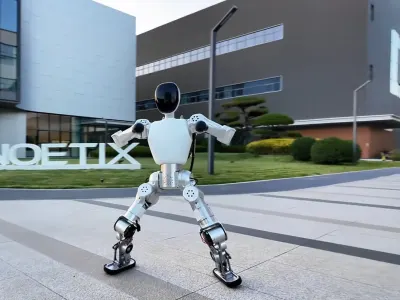
Bumi
Noetix Robotics' Bumi captivates as a flagship with exceptional human interaction prowess, designed for caregiving and service where empathy simulation counts. It recognizes gestures, engages in natural conversations, and assists with daily aids like fetching items or mobility support, distinguishing it from task-only rivals through advanced social AI. In real-world settings, Bumi deploys in homes for elderly companionship or hotels for guest services, adapting fluidly to emotional cues. Recent Noetix updates highlight its balance in dynamic spaces, positioning it as the premium pick in price wars for roles demanding trust over brute force. Bumi redefines humanoids as collaborative partners.

K1 Humanoid
Booster Robotics' K1 Humanoid emerges as a nimble entry-level warrior, prioritizing high-speed mobility in compact form for fast-paced logistics. It navigates crowded warehouses with agile bipedal strides, picking and transporting items efficiently, which sets it apart from heavier humanoids by focusing on speed over raw strength. Real-world use shines in order fulfillment, where it dodges obstacles and integrates into automated flows without custom infrastructure. Recent Booster advancements emphasize its lightweight design for quick deployment in e-commerce hubs, distinguishing it through affordability that undercuts Unitree while delivering core versatility. K1 proves entry models can handle volume tasks, appealing to businesses testing humanoid fleets.
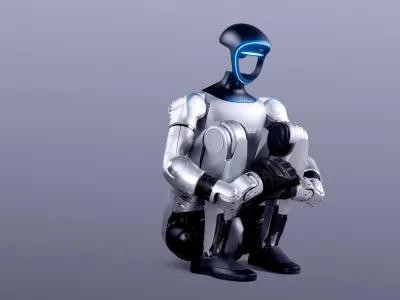
Unitree G1
The Unitree G1 stands out as an affordable powerhouse in humanoid robotics, priced from $13,500, transforming everyday spaces with fluid, humanlike movements. It excels in home tasks like watering plants, sorting objects, making beds, and interacting with pets or children, thanks to Mind On's adaptive AI that plans multi-step actions in real time. Unlike bulkier rivals, its compact 1.3-meter frame and 35 kg weight enable navigation through tight areas, from kitchens to factories. Real-world pilots showcase it in car washes handling hoses, factory inspections spotting defects, and even skateboarding demos proving balance recovery. What distinguishes G1 is bridging lab tech to practical deployment, aiding elderly care or light manufacturing without fatigue.

T1 Humanoid
The T1 Humanoid from Booster Robotics defines bare-bones entry-level excellence, engineered for ultimate cost efficiency in basic automation roles. It focuses on stable walking and simple grasping for tasks like shelf restocking or light sorting in retail backrooms, standing out with minimalistic hardware that slashes ownership costs. Unlike feature-rich flagships, T1 thrives in high-repetition scenarios, enduring long hours in service industries without bells and whistles. Booster's recent pilots demonstrate its edge in scalable deployments, such as greeting customers or basic cleaning, making it the go-to for firms entering the humanoid era on tight budgets. Its differentiator lies in proving simplicity drives mass adoption.
Related Articles
Top 7 Latest Humanoid Robots Launched in 2026
6/22/2026
Top 10 Humanoid Robots for Warehouse Automation (2026)
4/18/2026

6 Best Humanoid Robots for Elderly Care & Assistance (2026)
4/18/2026

6 Most Human-Like Humanoid Robots in 2026
4/11/2026
7 Top Humanoid Robots with Advanced Vision Systems 2026
4/11/2026
6 Most Powerful Humanoid Robots (Strength & Payload Capacity)
4/11/2026
Top 10 Home Humanoid Robots for Domestic Tasks & Personal Assistance in 2026
10/5/2026
Top 10 Heavy-Duty Industrial Humanoid Robots for Automotive & Factory Assembly in 2026
10/2/2026
Top 8 Social & Companion Humanoid Robots with Conversational Emotional AI for 2026-2027
9/20/2026