Fourier's GR-3 Redefines Humanoid Robotics With Emotional Intelligence at Its Core
Robot Details
GR-3 • Fourier IntelligencePublished
January 27, 2026
Reading Time
3 min read
Author
Origin Of Bots Editorial Team
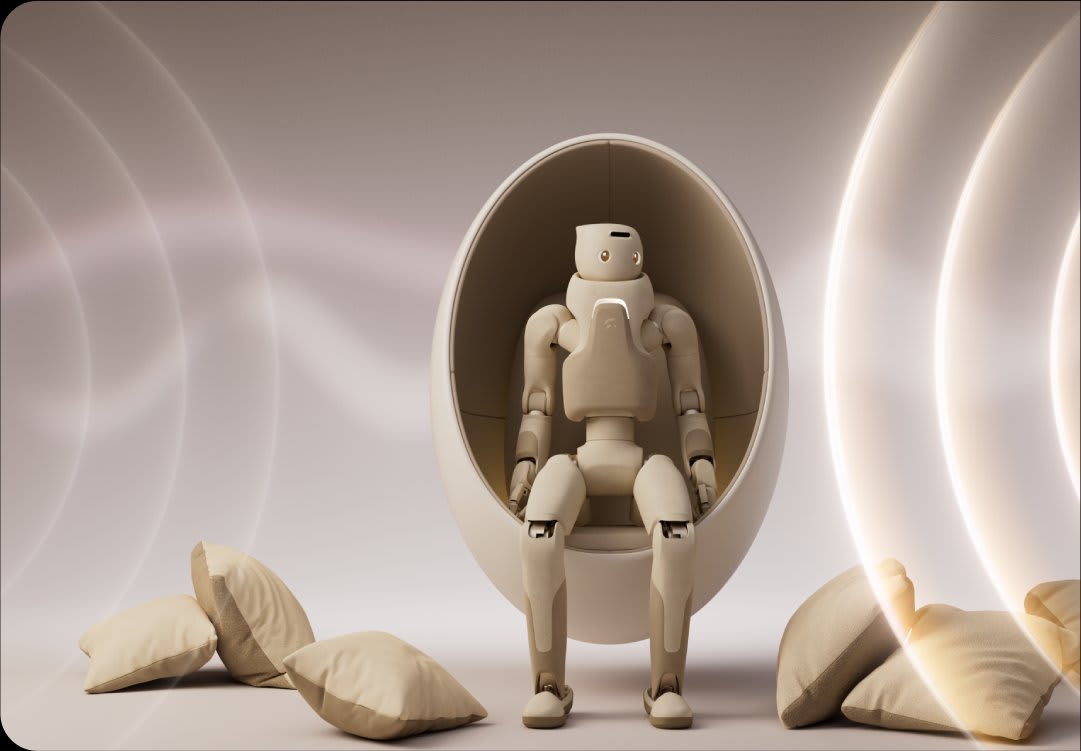
Care-Bot Revolution Arrives
Fourier Intelligence has unveiled the GR-3, a full-size humanoid robot that fundamentally shifts the industry's focus from raw performance metrics to emotional connection and human-centric interaction. Standing 165 centimeters tall and weighing 71 kilograms, the GR-3 represents a deliberate departure from its predecessors—the GR-1 and GR-2—which prioritized strength and agility. Instead, this care-centric platform integrates advanced perception systems with sophisticated response architecture designed specifically for environments where companionship and nuanced social engagement matter most: elderly care facilities, rehabilitation centers, hospitals, and private homes.
Perception Meets Responsiveness
The GR-3's defining innovation lies in its Full-Perception Multimodal Interaction System, which seamlessly fuses vision, audio, and tactile sensing into a unified emotional processing engine. When someone speaks, the robot's four-microphone array with echo cancellation pinpoints their location, and the GR-3 turns to face them while synchronizing eye contact—a seemingly simple gesture that fundamentally transforms the quality of human-robot dialogue. Thirty-one distributed pressure sensors embedded throughout the robot's soft-shell exterior detect touch with remarkable sensitivity, enabling the GR-3 to respond to a gentle tap with animated micro-expressions, blinks, or gesture adjustments that feel surprisingly natural rather than mechanical.

Dual-Path Intelligence Architecture
Behind the GR-3's lifelike responses operates a sophisticated dual-path reasoning system that balances immediate reflex with contextual understanding. Fast reflexive actions—triggered by touch, sudden sounds, or visual cues—execute through rule-based control, while complex conversational exchanges and situational reasoning flow through a large language model integration. An advanced attention management layer orchestrates these parallel processes, dynamically prioritizing which sensory inputs matter most at any given moment, then synchronizing multimodal outputs to produce behavior that feels coherent and intentional rather than fragmented or robotic.
Real-World Deployment Scenarios
The GR-3 addresses genuine gaps in eldercare, healthcare support, and educational environments where human interaction quality directly impacts outcomes. In nursing homes, the robot can provide companionship during off-hours, monitor resident wellbeing through continuous perception, and alert staff to changes in behavior or mood. Rehabilitation facilities benefit from the GR-3's ability to encourage movement through engaging interaction, while its whole-body teleoperation capability enables remote specialists to guide patients through exercises with real-time feedback. Schools and public spaces gain an interactive educational platform that responds authentically to learner engagement, making complex concepts more accessible through embodied, conversational AI.
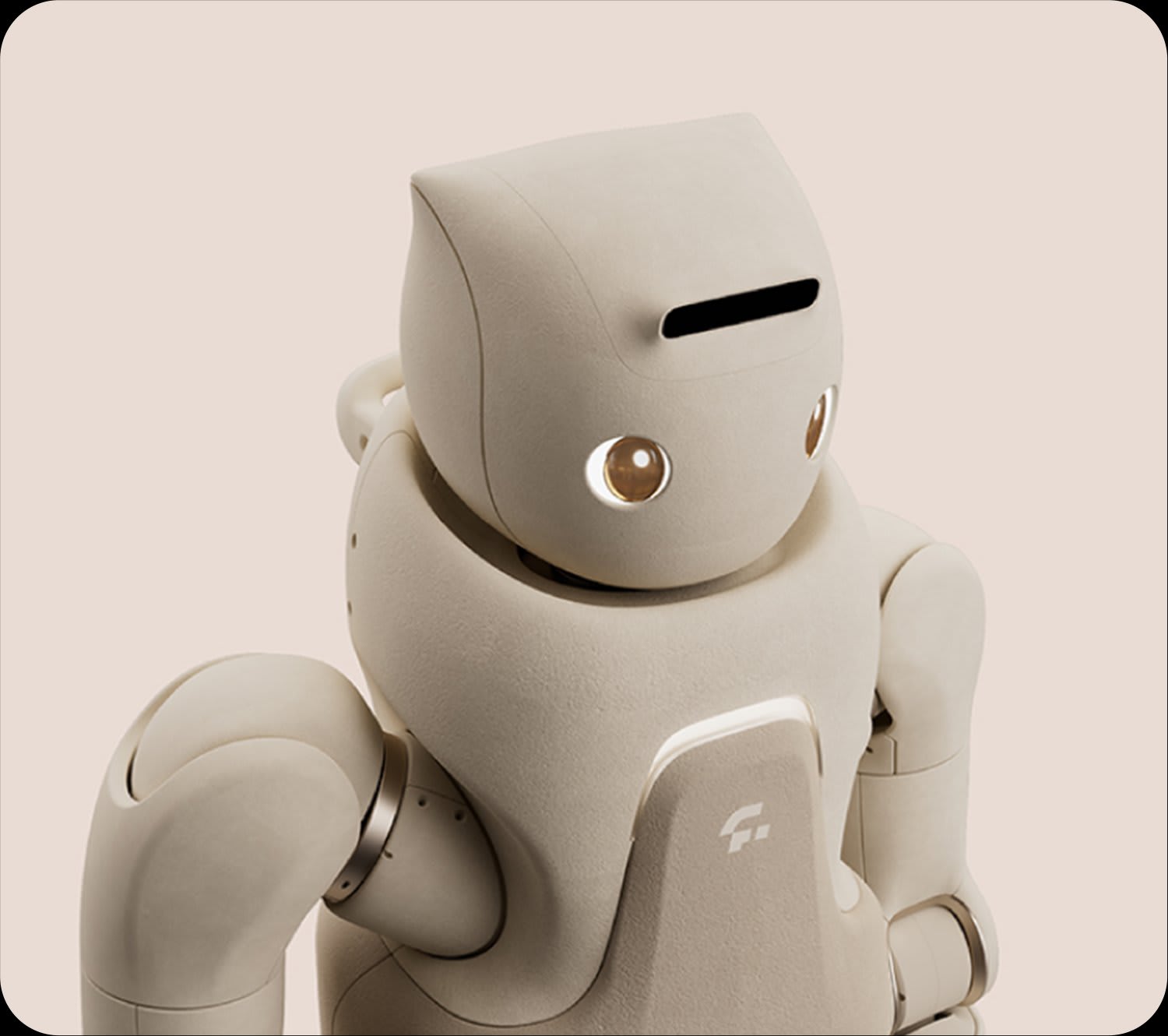
Interaction Skills Architecture
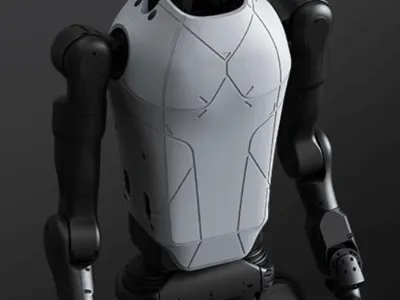
The GR-3's technical foundation translates directly into human-centric capabilities. Its fifty-five degrees of freedom across the entire body—including twelve degrees of freedom in each dexterous hand—enable natural gesturing, expressive posture shifts, and fine-motor assistance tasks that require precision manipulation. The RGB and structured-light camera module provides reliable facial recognition and dynamic tracking, keeping users centered in the robot's visual field during extended interactions. A three-hour hot-swappable battery system supports continuous engagement sessions without interruption, while the modular sensor-computing architecture integrates perception and processing seamlessly beneath a soft-shell exterior that pairs automotive-grade upholstery with environmentally friendly foam padding—creating a presence that feels inviting rather than industrial.
Versus Rivals Breakdown
| Robot | Strengths over GR-3 | GR-3 Advantages | Weaknesses vs. GR-3 |
|---|---|---|---|
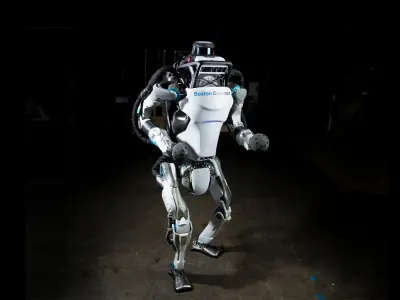
| Atlas | Superior payload capacity and outdoor terrain navigation | Emotional intelligence design and tactile feedback sophistication | Lacks multimodal interaction focus; industrial rather than care-centric |
| Optimus | Reported lower manufacturing costs at scale | Specialized perception for eldercare; 31 pressure sensors vs. limited touch capability | Early-stage development; minimal emotional interaction framework |
| Figure 02 | Advanced dexterous manipulation for manufacturing | Purpose-built for companionship environments; animated micro-expressions and attention management | Designed for industrial tasks; limited social interaction capability |
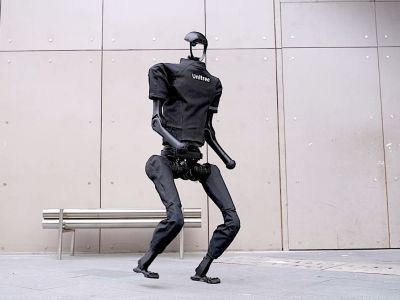
| Unitree H1 | Faster bipedal speed and jump capability | Integrated LLM with dual-path reasoning; whole-body teleoperation for remote assistance | Emphasizes agility over interaction quality; minimal emotional response design |



Sources
Related Articles
Memo Robot Learns Tasks From Motion-Capture Gloves, Skips Teleoperation
PAL Robotics' TIAGo Pro Revolutionizes Human-Robot Collaboration Globally
AgiBot's Q1 Mini Humanoid Conquers CES with Backpack Portability

Generative Bionics Ignites Physical AI Era with AMD-Powered GENE.01
Related Comparisons
Compare GR-3 with similar robots
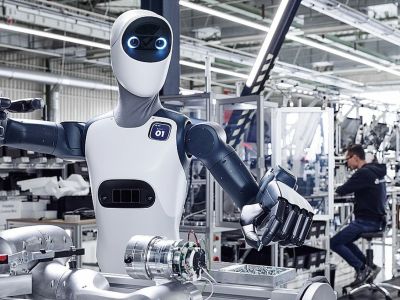
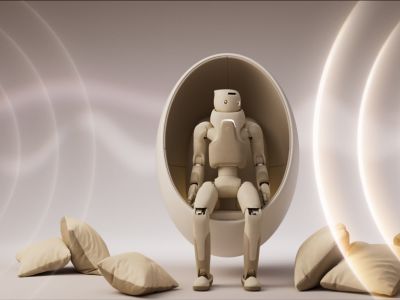
Agile ONE vs GR-3
Agile ONE or GR-3? Compare specs, sensors, navigation, battery, and speed for industrial vs service humanoid performance.
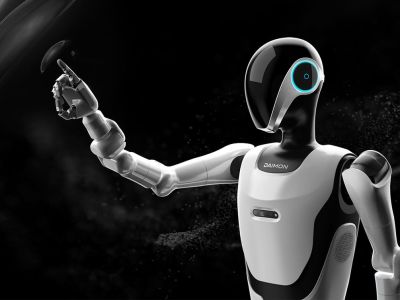
Daimon One vs GR-3
Head-to-head: Daimon One vs GR-3. Explore differences in navigation, sensors, battery, mobility, AI, and software.
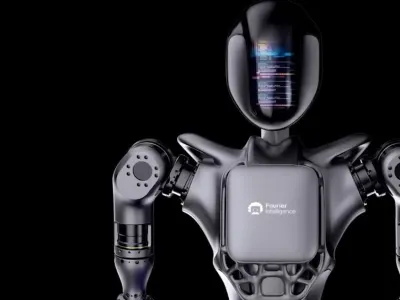
GR-1 vs Unitree H1-2
Head-to-head: GR-1 vs Unitree H1-2 compared on bipedal balance, AI learning, and real-world deployment for research and care.
AgiBot A2 vs GR-2
Compare AgiBot A2 and GR-2. Detailed analysis of navigation, battery, sensors, mobility, AI, software, and pricing.
Learn More About This Robot
Discover detailed specifications, reviews, and comparisons for GR-3.
View Robot Details →