AgiBot's Q1 Mini Humanoid Conquers CES with Backpack Portability
Robot Details
AgiBot Q1 • AgiBotPublished
January 27, 2026
Reading Time
2 min read
Author
Origin Of Bots Editorial Team
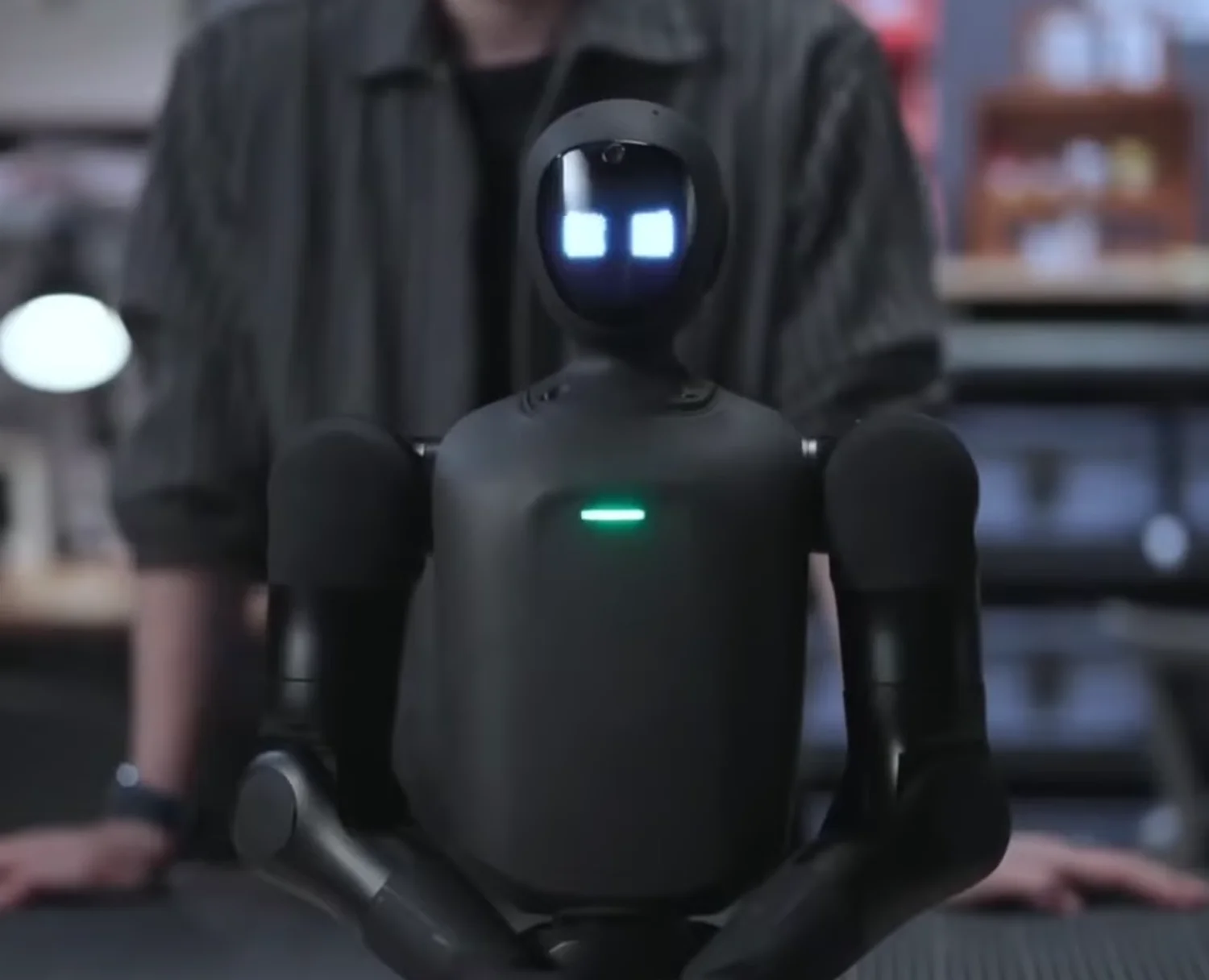
CES Spotlight Stealer
AgiBot turned heads at CES by unveiling the Q1, a pint-sized humanoid robot that slips effortlessly into a backpack, redefining portability for advanced robotics. Standing just 80 cm tall and weighing only 4 kg, this bipedal marvel demonstrates full-body force control through egg-sized Quasi-Direct Drive joints, surviving tumbles that would cripple bulkier rivals. Developers and hobbyists crowded the booth, drawn by its promise to slash algorithm testing from months to days via crash-resistant design. AgiBot positions the Q1 as the ultimate bridge from lab experiments to everyday companionship, igniting buzz about accessible AI humanoids entering homes.
Interaction Magic Unlocked
Voice commands flow naturally with the Agi-Soul AI platform, turning the Q1 into a responsive tutor for English lessons or a patient dance coach guiding users through routines. Gesture recognition and app controls let owners customize behaviors on the fly, while a zero-code interface empowers non-experts to choreograph intricate motions like block assembly. This blend of intuitive programming and personalized engagement transforms the robot from gadget to collaborative partner, fostering skills in creators who once shunned complex coding.
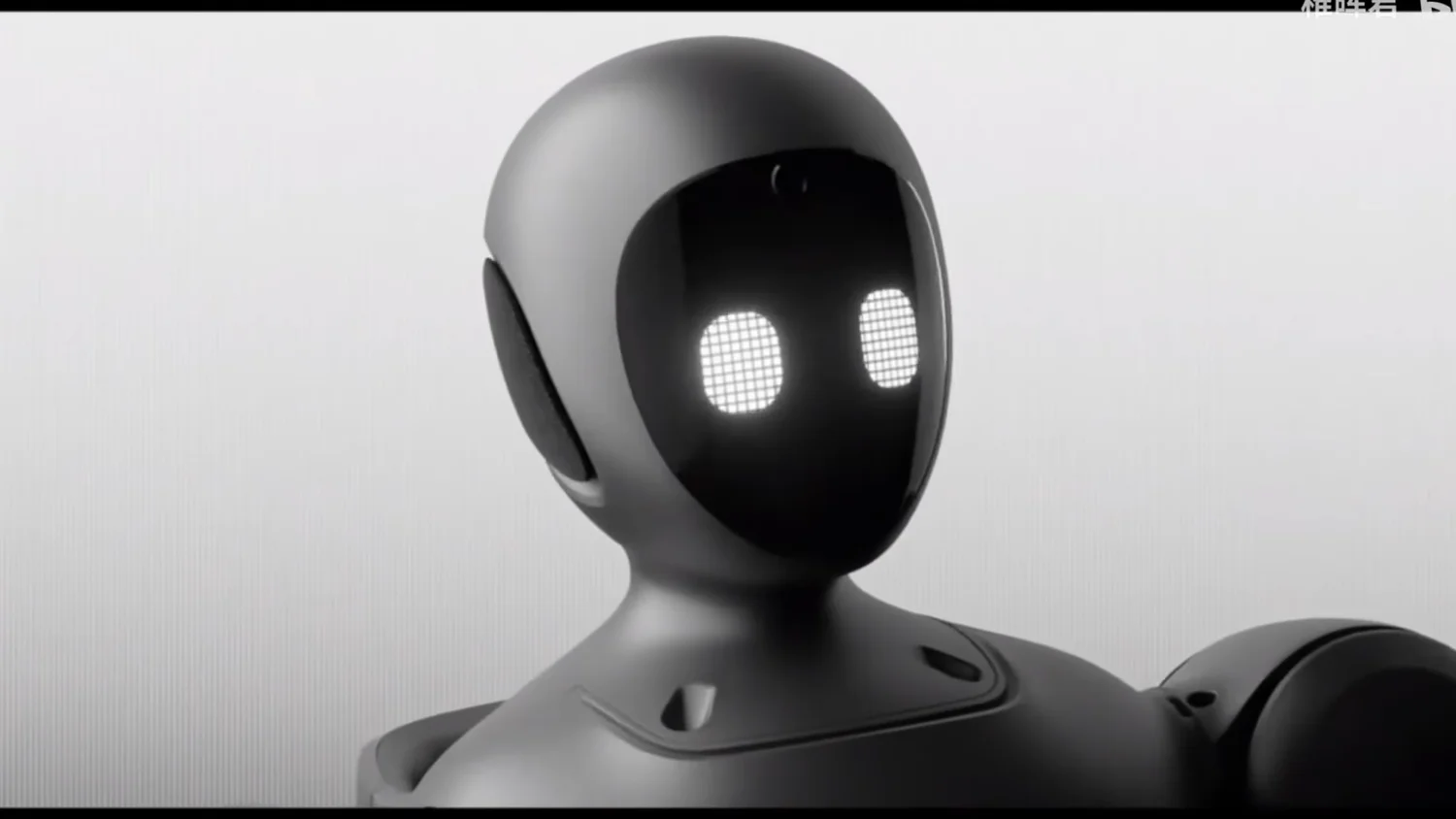
Joints Defy Miniaturization
Engineers at AgiBot shrunk high-performance Quasi-Direct Drive actuators below egg size without sacrificing torque or speed, enabling 2.5 km/h walks and precise force feedback across the body. Visual SLAM navigation paired with RGB cameras, IMU, gyroscope, and ultrasonic sensors lets it map indoor spaces autonomously, dodging obstacles with bipedal grace. ROS2 compatibility and Python APIs open doors for rapid prototyping, while proprietary software ensures seamless human-like responsiveness in dynamic environments.
Everyday Scenarios Shine
Imagine the Q1 as your desk-side assistant, coaching voice exercises during breaks or demonstrating yoga poses in a cramped apartment. Researchers deploy it for embodied AI trials, validating policies through repeated physical interactions that build real-world intuition. Families enlist it for interactive storytelling, where it adapts narratives based on child feedback. These applications highlight its role in education, entertainment, and personal growth, making advanced robotics viable beyond industrial floors.
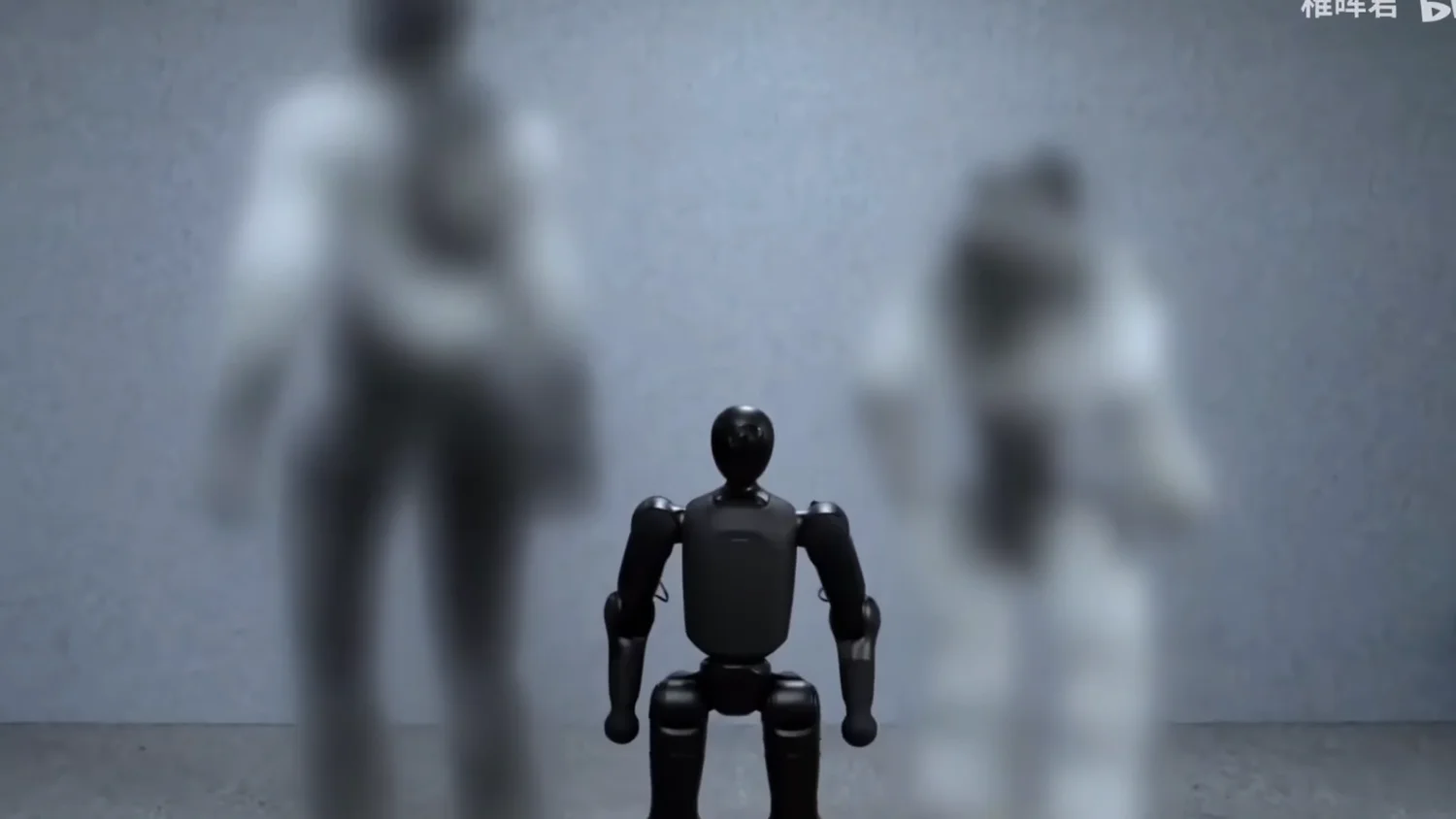
Skills Powerhouse Breakdown
The Q1's compact 80 x 25 x 20 cm frame and 4 kg build empower extended interaction sessions, backed by a battery lasting 3-5 years under normal use. RGB cameras and ultrasonic sensors fuel visual SLAM for fluid indoor navigation, letting it approach users confidently without collisions. Force sensors and gyroscope enable dexterous handling of tools or packages, while emergency stops and force limiting ensure safe people interactions. Agi-Soul software, ROS2-ready with Python support, drives voice tutoring and dance coaching, turning specs into seamless human-centric skills.
Rivals Face-Off
| Robot | Strengths over AgiBot Q1 | AgiBot Q1 Advantages | Weaknesses vs. AgiBot Q1 |
|---|---|---|---|
| Unitree R1 | Higher speed, greater payload | Superior portability, crash resistance | Bulkier size limits daily carry |
| Walker X | More DoF for complex tasks | Easier zero-code programming, lighter | Less arm strength for heavy lifting |
| Tron 2 | Advanced facial expressions | Longer battery, open 3D-print shells | Fewer expression actuators |
| K2 Bumblebee | Outdoor navigation prowess | Indoor SLAM precision, tutor features | Weaker bipedal stability outdoors |
Explore Humanoids
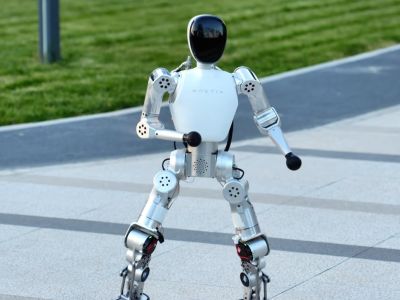
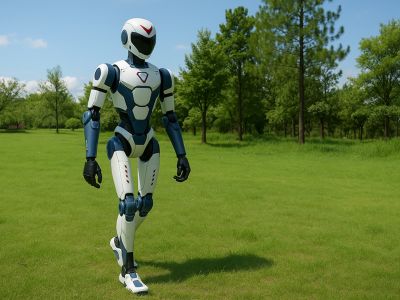
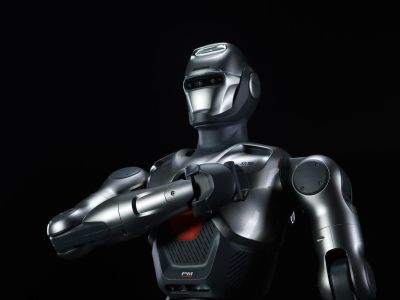
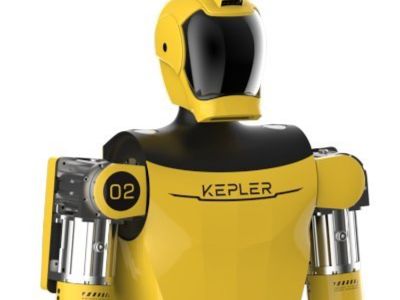

Sources
Related Articles

UniX AI's Wanda 2.0 Masters Laundry, Tea at CES 2026
Hugging Face Acquires Pollen Robotics, Turbocharges Reachy 2
Memo Robot Learns Tasks From Motion-Capture Gloves, Skips Teleoperation
PAL Robotics' TIAGo Pro Revolutionizes Human-Robot Collaboration Globally
Related Comparisons
Compare AgiBot Q1 with similar robots
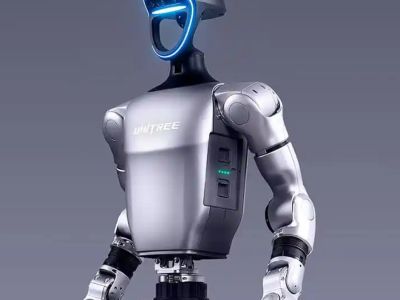
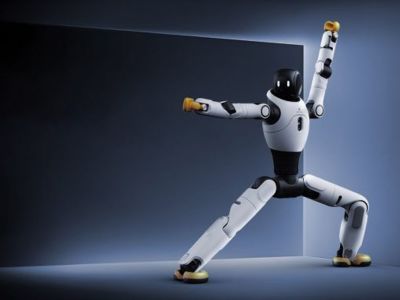
Unitree G1 vs AgiBot X2-N
Compare Unitree G1 vs AgiBot X2 for humanoid mobility, dexterity, autonomy, and payload capacity.
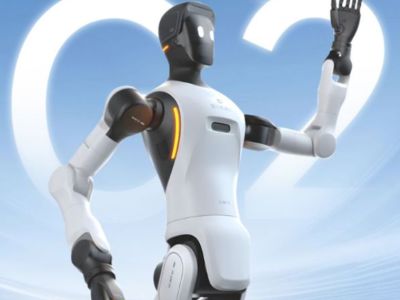
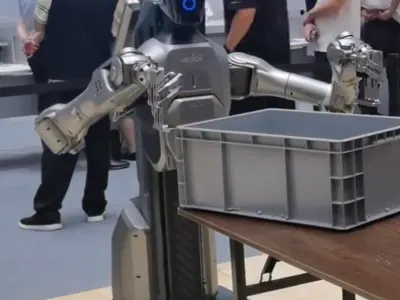
AgiBot G2 vs Cruzr Y1
Compare AgiBot G2 vs Cruzr Y1 for humanoid mobility, dexterity, autonomy, and payload capacity.
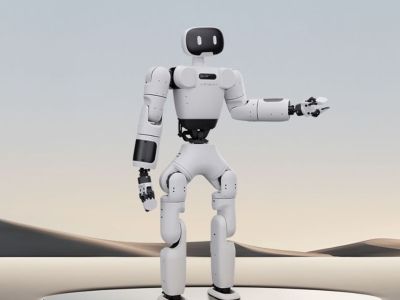
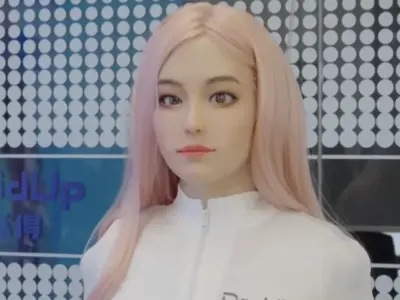
AgiBot X1 vs Moya
In-depth comparison of AgiBot X1 and Moya, covering hardware capabilities, teleoperation, autonomy levels, and enterprise readiness for industrial and social robotics deployment.
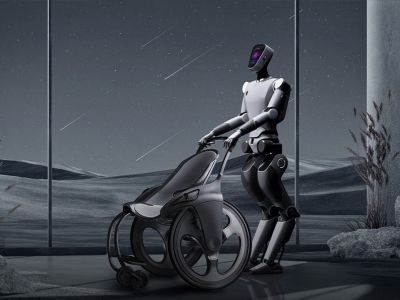
AgiBot X1 vs RAISE A1
Compare AgiBot X1 vs RAISE A1 for humanoid mobility, dexterity, autonomy, and payload capacity across manufacturing and logistics applications.
Learn More About This Robot
Discover detailed specifications, reviews, and comparisons for AgiBot Q1.
View Robot Details →