Generative Bionics Ignites Physical AI Era with AMD-Powered GENE.01
Robot Details
GENE.01 • Generative BionicsPublished
January 27, 2026
Reading Time
3 min read
Author
Origin Of Bots Editorial Team

Italian robotics pioneer debuts tactile humanoid
Generative Bionics unveiled GENE.01 at CES 2026, marking the first public appearance of its flagship humanoid robot designed to redefine how machines collaborate with humans in industrial environments. The AMD-powered platform launches commercially in Q4 2026 and represents a fundamental shift in robotics philosophy: embedding intelligence throughout the robot's body rather than concentrating it in a central processor. With $81 million in backing, this Italian company is positioning GENE.01 as the foundational architecture for an entirely new lineage of physically intelligent machines optimized for manufacturing, logistics, and hazardous-environment inspection.
Touch becomes the primary sense
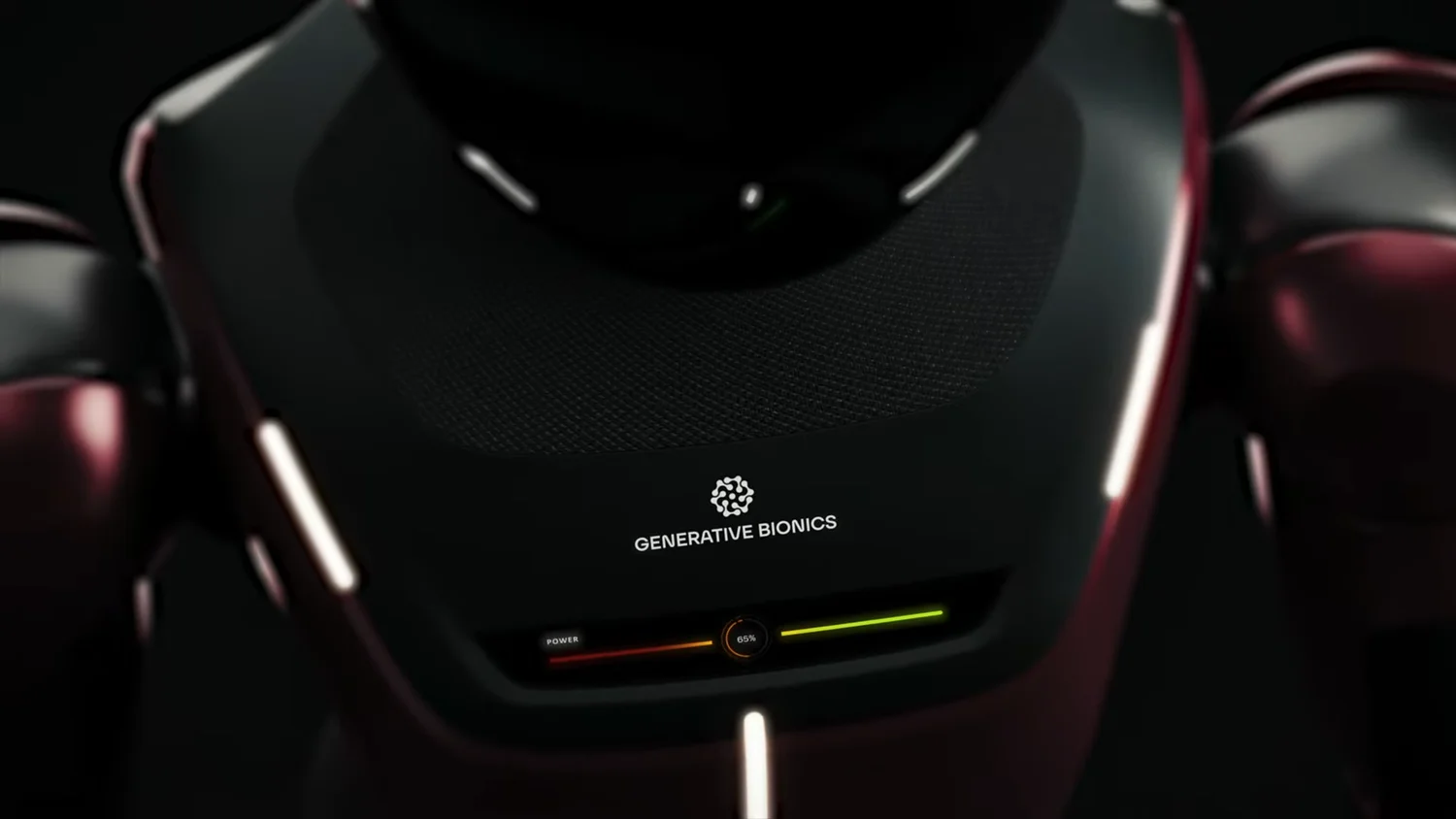
GENE.01 distinguishes itself through comprehensive full-body tactile sensing, transforming how robots perceive and respond to their surroundings. Unlike conventional humanoids that rely primarily on vision, this platform integrates a distributed network of touch and force sensors across its entire surface, enabling the robot to detect contact pressure, micro-interactions, and physical nuance with human-like sensitivity. This sensory architecture isn't cosmetic—tactile perception functions as an active intelligence layer, allowing GENE.01 to adapt dynamically to real-world variability and collaborate safely alongside human workers without requiring constant external supervision or preset safety zones.
Computing moves to the body
The computational breakthrough underlying GENE.01 centers on AMD's edge-processing architecture, which fuses tactile, visual, and force data at the source rather than transmitting everything to a remote server. High-performance CPUs, GPUs, and FPGA-based electronics process sensor information near the point of collection, dramatically reducing latency and enabling immediate physical responses. This "body-as-compute" approach eliminates the lag associated with cloud-dependent robotics, allowing GENE.01 to execute complex manipulation tasks, navigate unpredictable spaces, and respond to human interaction with the fluidity expected in collaborative industrial settings.
From shipyards to assembly lines
GENE.01 targets industrial applications where human safety, precision, and adaptability currently limit automation. Shipyards, manufacturing plants, and high-risk inspection environments represent primary deployment zones, where the robot's ability to work alongside humans while maintaining situational awareness becomes operationally critical. The platform also addresses patient assistance and warehouse handling scenarios, where gentle force control and responsive interaction prevent damage to fragile goods or vulnerable individuals. By embedding intelligence in physical interaction itself, GENE.01 opens automation pathways previously inaccessible to rigid, vision-only systems.
Engineering for human partnership
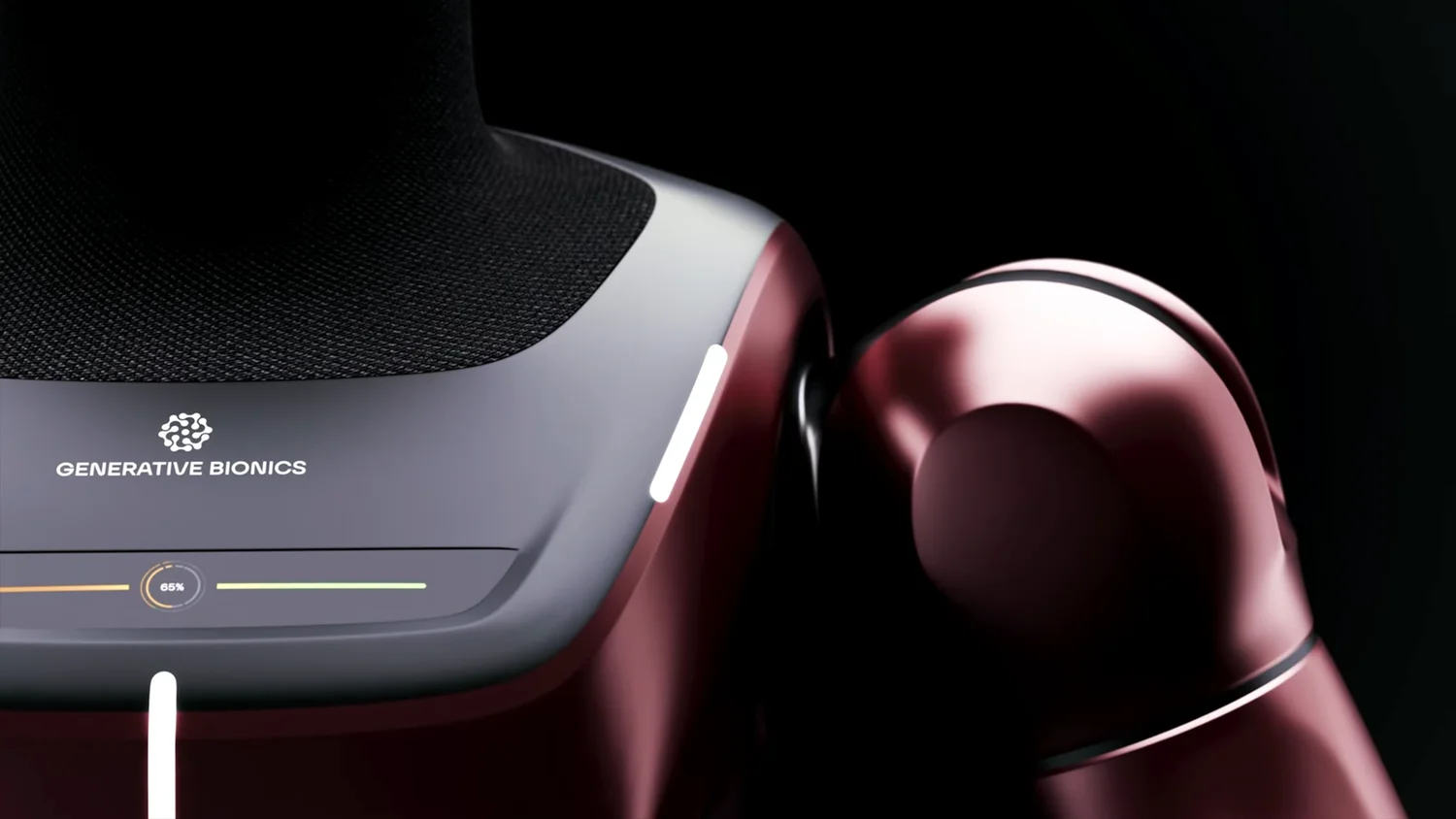
GENE.01's physical architecture reflects 20 years of Generative Bionics' humanoid development, condensed into a platform standing 170 centimeters tall and weighing approximately 60 kilograms. The robot achieves bipedal walking speeds up to 5 km/h with battery endurance spanning 3-5 hours per charge, enabling continuous collaboration across extended work shifts. Five-fingered hands with distributed tactile sensors provide 40-60 degrees of freedom overall, supporting dexterous manipulation of tools, packages, and precision instruments while maintaining force-limiting safety. Proprietary Physical AI software, compatible with ROS2 and Python APIs, allows industrial teams to reprogram GENE.01 for emerging use cases without extensive robotics expertise, democratizing access to advanced automation.
Versus Rivals Breakdown
| Robot | Strengths over GENE.01 | GENE.01 Advantages | Weaknesses vs. GENE.01 |
|---|---|---|---|
| Adam-U | Potentially higher payload capacity in specialized tasks | Full-body tactile sensing; AMD edge-compute architecture; Italian design for human ergonomics | Limited information on tactile integration; may lack distributed force feedback |
| Wanda 2.0 | May offer faster processing in specific industrial workflows | Real-time physical interaction through body-as-compute; safer collaborative protocols via tactile awareness | Unclear tactile capabilities; potentially less responsive to unexpected contact |
| LUS2 | Possibly greater autonomy in unstructured environments | Integrated force-limiting feedback across entire body; proprietary Physical AI optimized for human partnership | May lack comprehensive tactile skin coverage; uncertain edge-processing speed |
| Walker C | Potential advantages in outdoor terrain navigation | Humanoid proportions engineered for worker acceptance; low-latency FPGA-based interaction; 20-year development heritage | Limited environmental adaptability; bipedal design constraints on rough surfaces |
Explore Humanoids




Related Articles
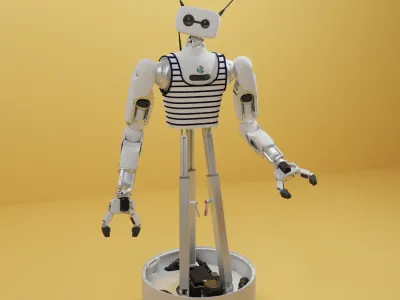
Hugging Face Acquires Pollen Robotics, Turbocharges Reachy 2
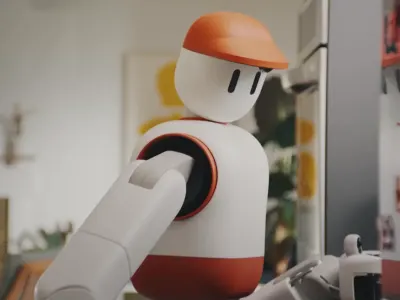
Memo Robot Learns Tasks From Motion-Capture Gloves, Skips Teleoperation

PAL Robotics' TIAGo Pro Revolutionizes Human-Robot Collaboration Globally
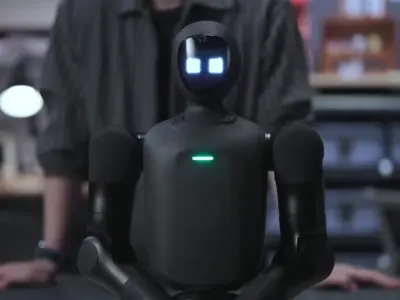
AgiBot's Q1 Mini Humanoid Conquers CES with Backpack Portability
Related Comparisons
Compare GENE.01 with similar robots
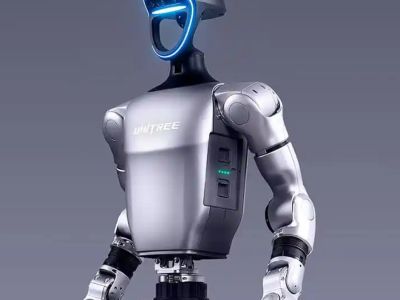
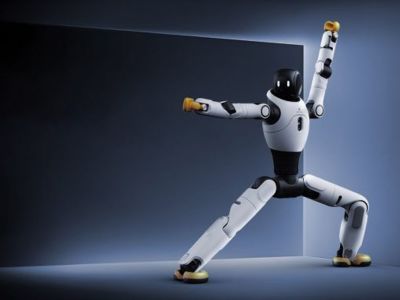
Unitree G1 vs AgiBot X2-N
Compare Unitree G1 vs AgiBot X2 for humanoid mobility, dexterity, autonomy, and payload capacity.
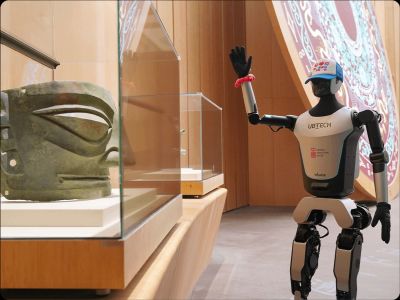
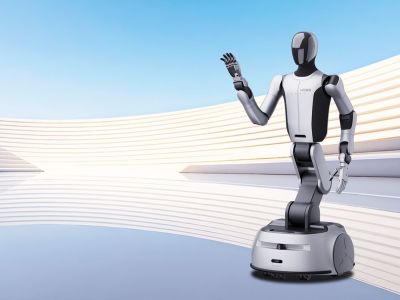
Walker C vs Cruzr S2
In-depth comparison of Walker C and Cruzr S2, covering hardware capabilities, teleoperation, and enterprise readiness.

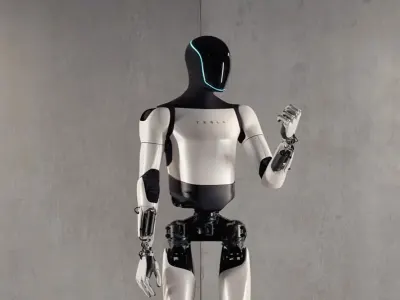
Figure 03 vs Optimus Gen 3
In-depth comparison of Figure 03 and Optimus Gen 3, covering hardware capabilities, teleoperation, and enterprise readiness.
AgiBot G2 vs Cruzr Y1
Compare AgiBot G2 vs Cruzr Y1 for humanoid mobility, dexterity, autonomy, and payload capacity.
Learn More About This Robot
Discover detailed specifications, reviews, and comparisons for GENE.01.
View Robot Details →