Honda Unveils ASIMO 2.0, Advancing Humanoid Robotics with Enhanced Mobility and Interaction
Robot Details
ASIMO 2.0 • HondaPublished
January 31, 2026
Reading Time
3 min read
Author
Origin Of Bots Editorial Team
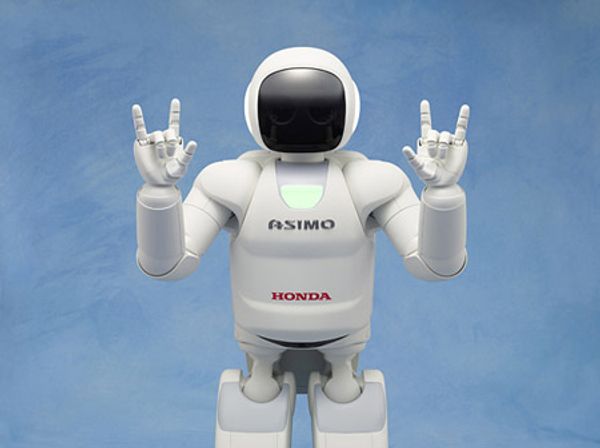
Next Generation Humanoid Debuts
Honda has introduced ASIMO 2.0, marking a significant advancement in humanoid robotics after years of fundamental research into bipedal locomotion and human-robot coexistence. The latest iteration builds on nearly two decades of development, featuring enhanced sensors, refined artificial intelligence, and improved physical capabilities that position it as a research platform for understanding safe interaction between robots and humans in shared environments. This release underscores Honda's continued commitment to robotics as a transformative technology for assistance, education, and real-world problem-solving.
What Sets ASIMO 2.0 Apart
The redesigned platform introduces measurable improvements in mobility and responsiveness compared to its predecessors. ASIMO 2.0 achieves walking speeds of 2.7 km/h and running speeds up to 9 km/h, enabling fluid navigation through human spaces. Its advanced sensor architecture—including stereo cameras, gyroscopes, accelerometers, and microphone arrays—grants the robot genuine environmental awareness. These capabilities allow ASIMO 2.0 to recognize faces, interpret voice commands, detect obstacles, and dynamically adjust behavior based on human movement and intention, creating more natural and intuitive interactions.
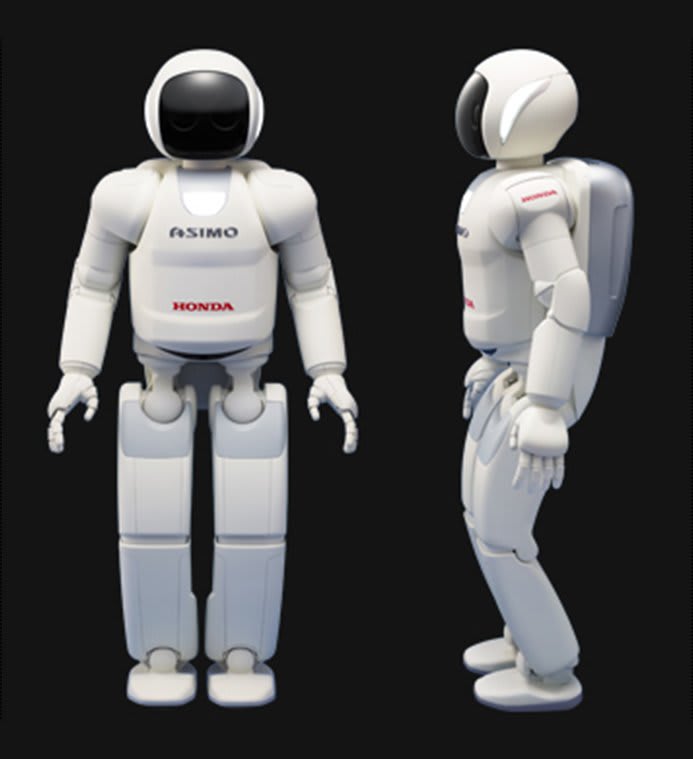
Engineering Breakthroughs in Balance
The robot's engineering represents a leap forward in postural stability and autonomous decision-making. ASIMO 2.0 employs sophisticated balance control mechanisms that enable it to maintain posture even when unexpectedly disturbed, a critical capability for operating safely alongside humans. Its proprietary real-time operating system integrates inputs from distributed sensors across the head, torso, hands, and feet, synthesizing this data to estimate environmental changes and autonomously determine appropriate behavioral responses without operator intervention. This intelligence layer transforms ASIMO 2.0 from a scripted machine into an adaptive agent.
Where ASIMO 2.0 Makes Impact
Practical applications span research institutions, educational settings, and public engagement scenarios. The platform serves as a testbed for bipedal locomotion studies, enabling researchers to understand how humanoid systems can safely coexist with people in offices, hospitals, and public spaces. Universities leverage ASIMO 2.0 to advance human-robot interaction studies, while museums and corporate events use it as a public ambassador that demonstrates cutting-edge robotics. Its dexterous hands—capable of opening bottles, manipulating delicate objects, and shaking hands—position it for assistive robotics demonstrations in caregiving and service contexts.
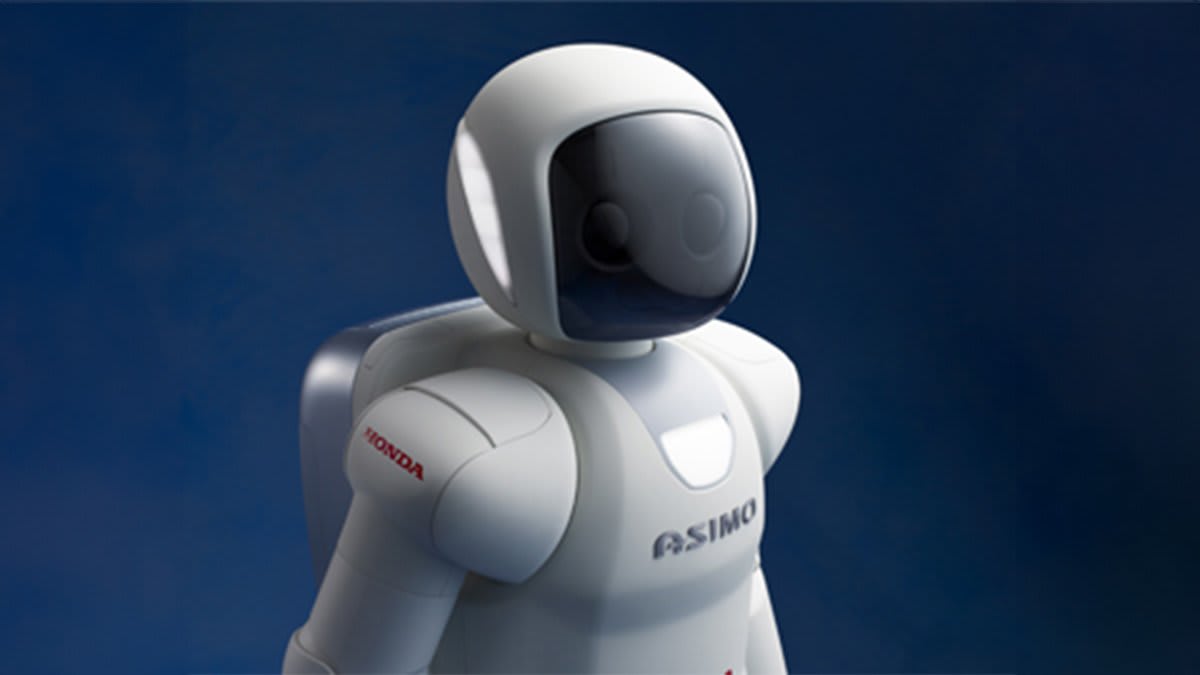
Skill Architecture & Performance
ASIMO 2.0 stands 130 cm tall and weighs 48 kg, dimensions optimized for navigating human-scale environments without appearing imposing. Its distributed sensor array—stereo cameras for 3D perception, foot pressure sensors for balance feedback, joint encoders for movement precision, and force sensors in each hand—enables dexterous manipulation and environmental awareness that rival human sensory integration. Powered by a 51.8V lithium-ion battery supporting approximately one hour of continuous operation, the robot sustains extended interaction sessions. Its 57 degrees of freedom across head, arms, hands, torso, and legs generate smooth, natural motion that reduces cognitive load when humans interact with it. These specifications work in concert to enable the robot to perform complex tasks—from navigating stairs to responding to dynamic social cues—while maintaining safety and stability.
Versus Rivals Breakdown
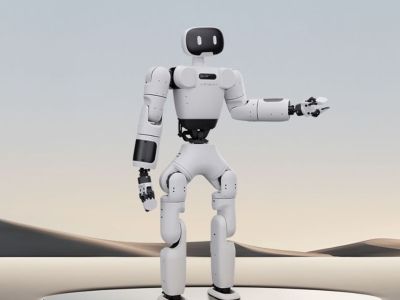
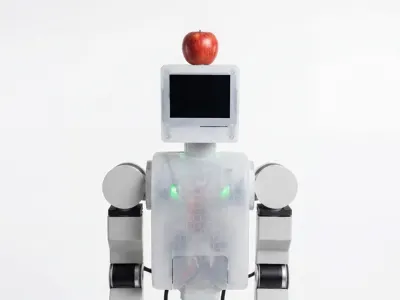
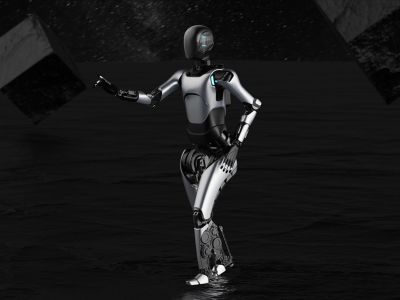
| Robot | Strengths over ASIMO 2.0 | ASIMO 2.0 Advantages | Weaknesses vs. ASIMO 2.0 |
|---|---|---|---|
| NEO Gamma | Potentially greater payload capacity and extended runtime in specialized configurations | Proven track record in human environments; superior face/voice recognition; established research ecosystem | Limited public data on real-world deployment success and reliability metrics |
| AgiBot A2 | Higher speed capabilities in controlled environments; potentially greater arm strength | Established safety certifications for human interaction; superior balance control during dynamic tasks | Newer platform with less extensive field testing; smaller developer community |
| Alpha | Advanced vision systems for specific industrial tasks; higher precision manipulation | Designed specifically for human coexistence with proven social interaction; lower operational complexity | Task-specific design limits versatility; less suited for research applications |
| AgiBot X1 | Potential for greater customization in specialized research domains | Mature software ecosystem; extensive academic partnerships; proven reliability over extended deployments | Higher cost of ownership; steeper learning curve for research teams |
Explore Humanoids


Related Articles

1X NEO Beta Masters Video-to-Action with World Model Breakthrough
Hanson Robotics Accelerates Sophia's Widespread Rollout
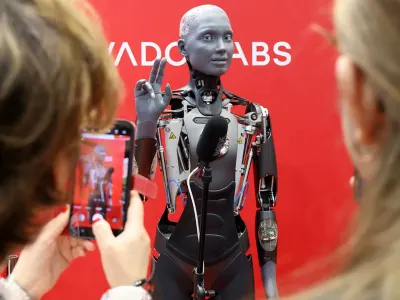
Ameca Morphs Personalities, Languages in Seconds
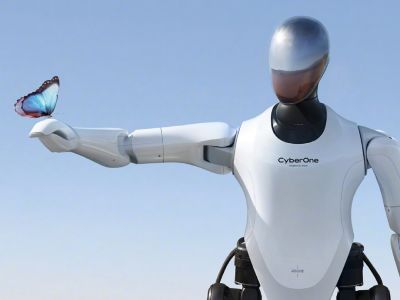
Xiaomi Accelerates CyberOne Factory Deployment by 2030
Related Comparisons
Compare ASIMO 2.0 with similar robots

Ameca vs Moya
Which humanoid robot is better? Ameca vs Moya compared for dexterity, AI capabilities, and price.
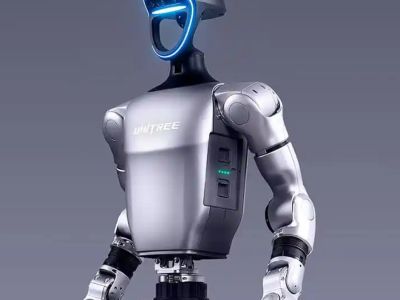
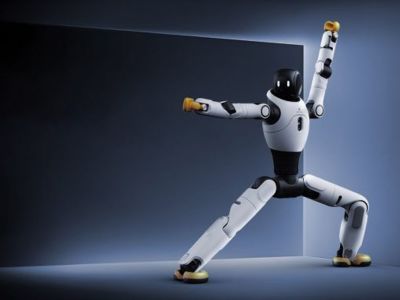
Unitree G1 vs AgiBot X2-N
Compare Unitree G1 vs AgiBot X2 for humanoid mobility, dexterity, autonomy, and payload capacity.
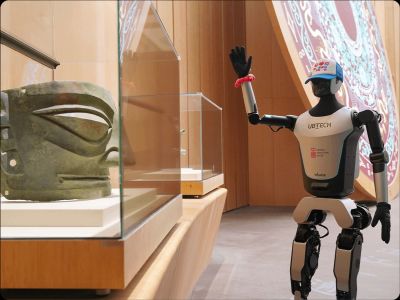
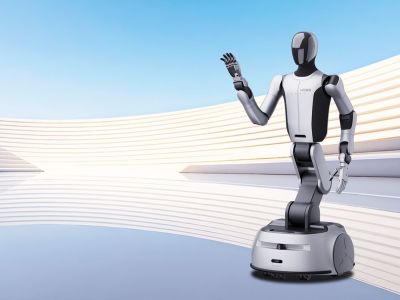
Walker C vs Cruzr S2
In-depth comparison of Walker C and Cruzr S2, covering hardware capabilities, teleoperation, and enterprise readiness.
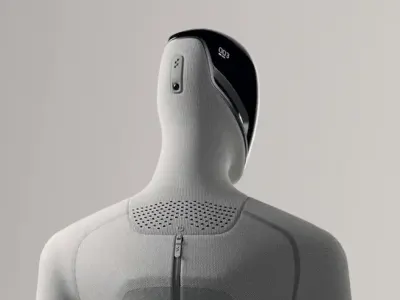
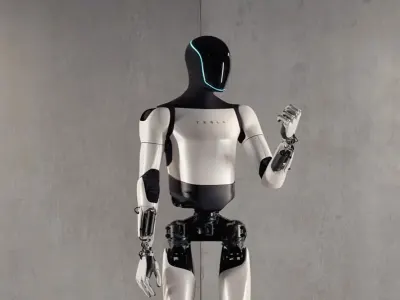
Figure 03 vs Optimus Gen 3
In-depth comparison of Figure 03 and Optimus Gen 3, covering hardware capabilities, teleoperation, and enterprise readiness.
Learn More About This Robot
Discover detailed specifications, reviews, and comparisons for ASIMO 2.0.
View Robot Details →