Xiaomi Accelerates CyberOne Factory Deployment by 2030
Robot Details
CyberOne • Xiaomi Robotics LabPublished
January 31, 2026
Reading Time
3 min read
Author
Origin Of Bots Editorial Team
Factory Automation Enters New Era
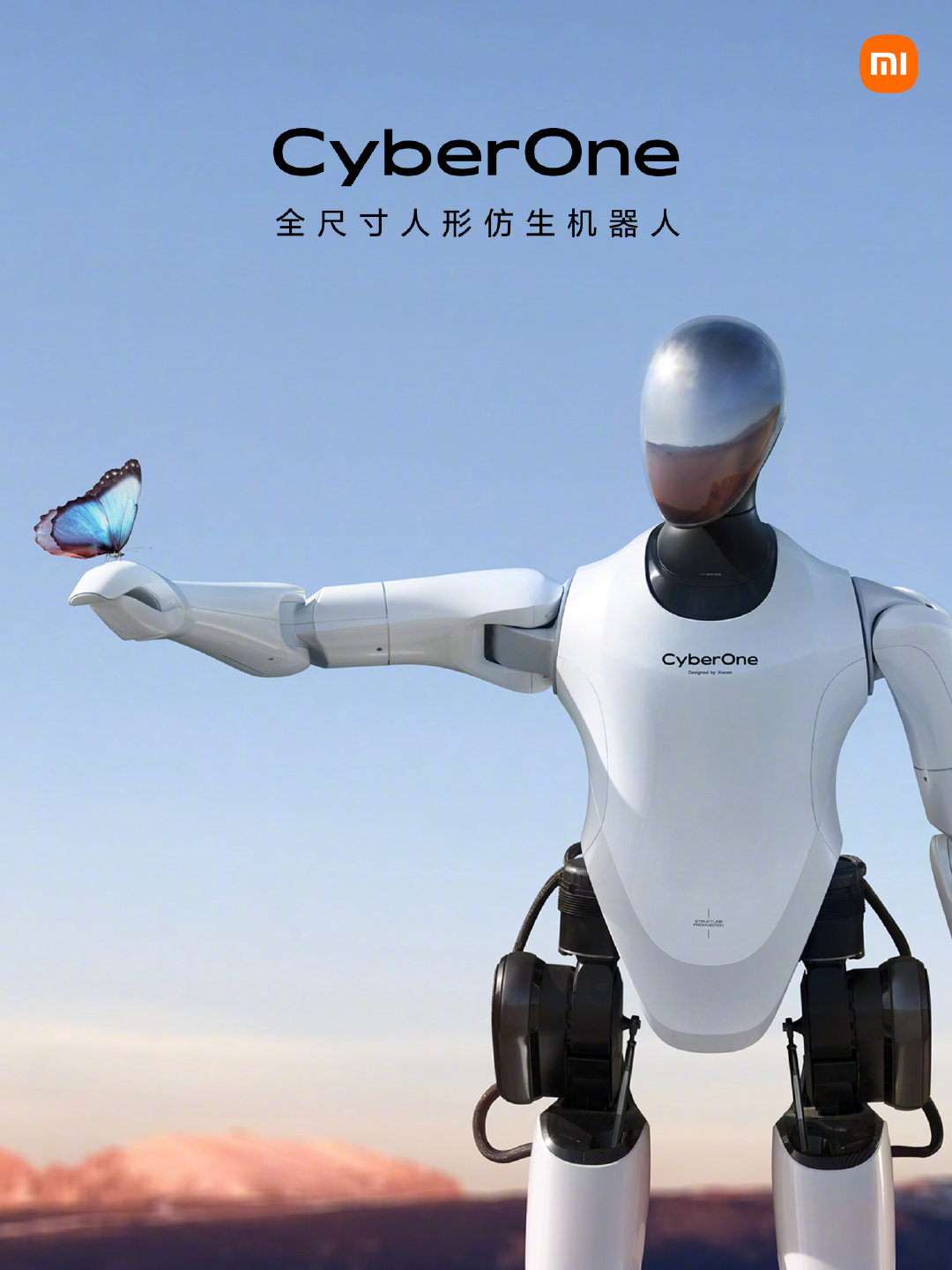
Xiaomi has officially confirmed its commitment to deploy humanoid robots across its manufacturing facilities by 2030, signaling a transformative shift in how the company approaches industrial automation. This strategic initiative leverages CyberOne, the company's full-size bipedal humanoid unveiled in 2022, as the foundation for large-scale factory integration. The announcement underscores Xiaomi's confidence in the maturity of its robotics technology and represents a watershed moment for humanoid adoption in industrial settings, where such systems have historically remained experimental or limited in scope.
Intelligence Meets Physical Dexterity
CyberOne distinguishes itself through a sophisticated fusion of perception and manipulation capabilities that transcend typical industrial robotics. The robot's proprietary Mi-Sense depth vision system enables real-time 3D spatial awareness, while dual microphones feed environmental audio into Xiaomi's MiAI recognition engine, which identifies 85 distinct environmental sounds and 45 classifications of human emotion. This dual-sensory architecture allows CyberOne to operate intuitively alongside human workers, detecting emotional states and adapting its behavior accordingly—a critical advantage for collaborative factory environments where safety and worker comfort directly impact productivity.
Engineering Precision at Scale
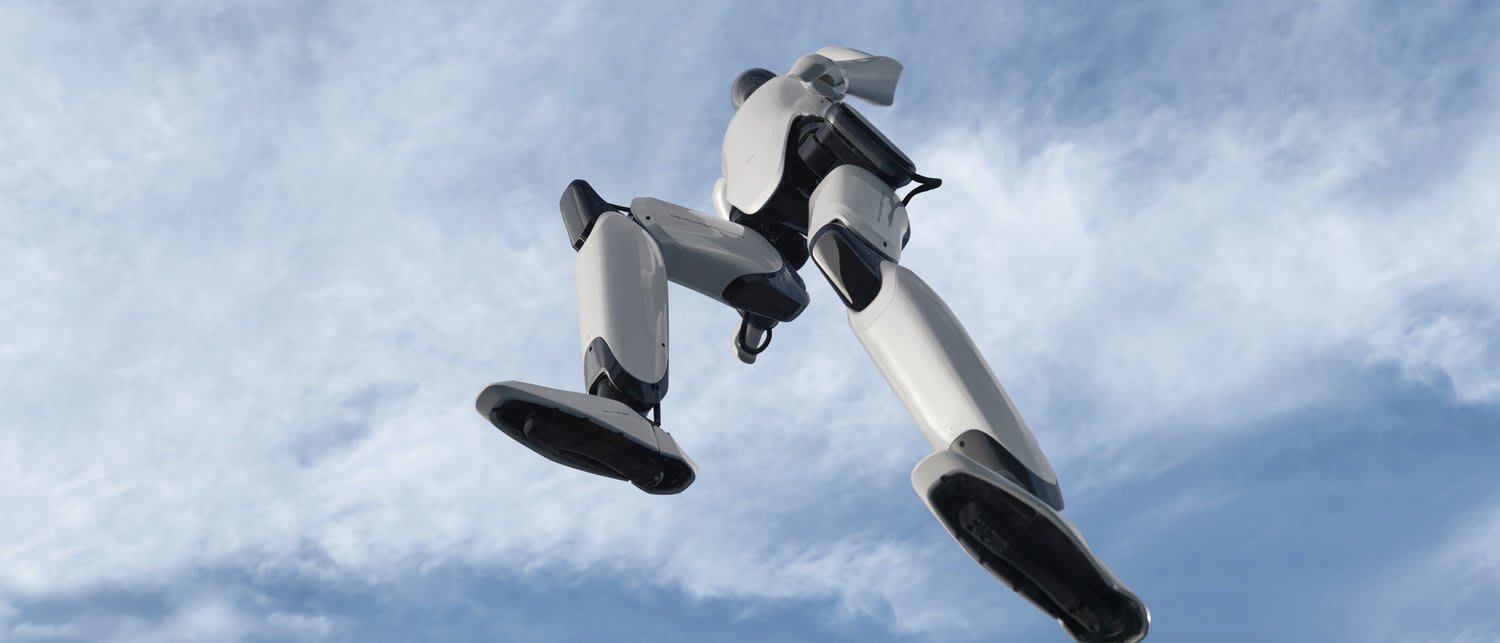
The mechanical foundation of CyberOne reflects years of proprietary R&D by Xiaomi Robotics Lab. Each upper-limb actuator weighs merely 500 grams yet delivers 30 Newton-meters of rated torque, while hip motors generate instantaneous peak torque of 300 Newton-meters, enabling dynamic locomotion across varied factory terrain. The system's 21 degrees of freedom and 0.5-millisecond response time per joint translate to fluid, human-like movement that minimizes disruption to existing production workflows. This responsiveness proves essential for tasks requiring precision handling or rapid course correction in dynamic manufacturing environments.
From Prototype to Production Floor
Factory deployment scenarios for CyberOne span material handling, assembly line support, quality inspection, and hazardous environment navigation—roles where humanoid morphology provides inherent advantages over wheeled or specialized-purpose robots. The robot's 1.77-meter height and human-proportioned arm span allow it to interface with standard industrial equipment designed for human operators, eliminating costly facility retrofitting. Walking speed of 3.6 kilometers per hour supports efficient intra-facility movement, while the ability to manipulate objects up to 1.5 kilograms enables light assembly and parts placement tasks critical to modern manufacturing operations.
Skill Architecture & Capability Summary
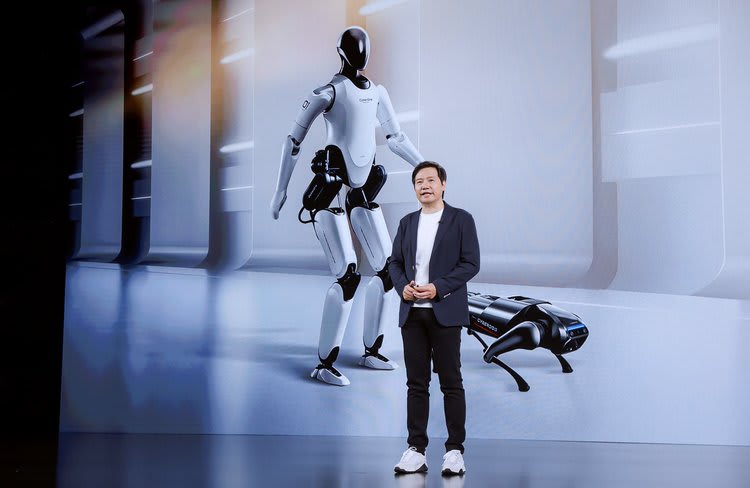
CyberOne's technical framework prioritizes interaction-centric capabilities over raw power metrics. Its curved OLED facial display provides real-time feedback and visual communication, transforming the robot into an approachable collaborative partner rather than an opaque machine. Force and torque sensors embedded throughout the kinetic chain enable compliant joint behavior—critical for safe human-robot interaction in shared workspaces. The stereo RGB-D camera system paired with onboard IMUs supports vision-based navigation without external infrastructure, while the custom Linux-based operating system with ROS-style APIs ensures compatibility with existing industrial software ecosystems, dramatically accelerating integration timelines.
Competitive Positioning Analysis
| Robot | Strengths over CyberOne | CyberOne Advantages | Weaknesses vs. CyberOne |
|---|---|---|---|
| Walker Tienkung | Superior load capacity; higher speed capability | Advanced emotion recognition; integrated OLED face display; safer human interaction design | Limited emotional intelligence; less intuitive collaboration features |
| Walker S1 | Established deployment track record; proven reliability | Proprietary Mi-Sense vision system; 45-emotion classification; better cost-to-capability ratio | Fewer emotional recognition capabilities; less sophisticated environmental awareness |
| Kaleido 8.0 | Specialized task optimization; modular design flexibility | Unified platform approach; comprehensive audio-visual perception; superior response latency (0.5ms) | Less specialized for specific industrial tasks; broader but potentially less focused performance |
| KUAVO-MY | Advanced gripper dexterity; higher manipulation precision | Balanced performance across mobility and interaction; emotional engagement capability; factory-ready integration design | Lower dexterity in fine manipulation; less specialized gripper systems |
Explore Humanoids
Related Articles
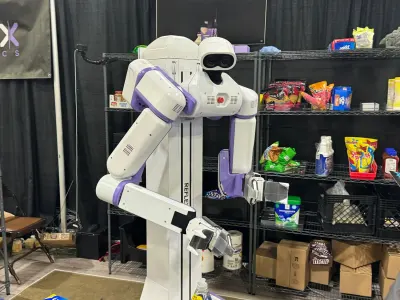
GXO Deploys Reflex Humanoids in Warehouse Pilot

1X NEO Beta Masters Video-to-Action with World Model Breakthrough

Hanson Robotics Accelerates Sophia's Widespread Rollout
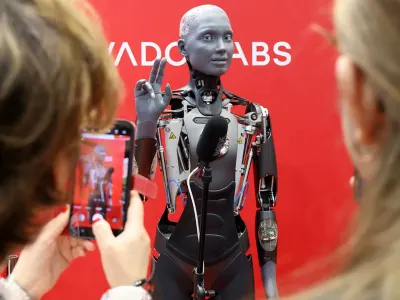
Ameca Morphs Personalities, Languages in Seconds
Related Comparisons
Compare CyberOne with similar robots

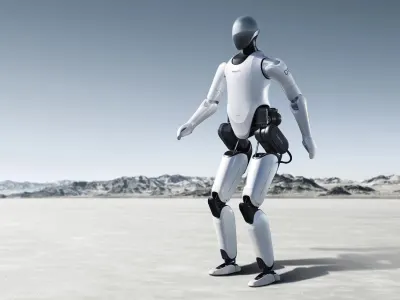
Titan 01 vs CyberOne 2026 Version
Which humanoid robot is better? Titan 01 vs CyberOne 2026 Version compared for dexterity, AI capabilities, and price.
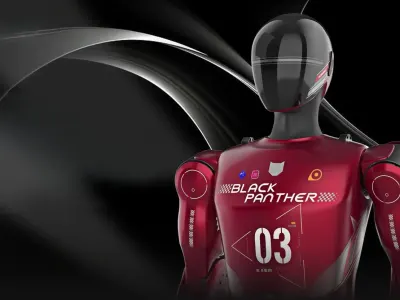
Bolt vs CyberOne 2026 Version
Bolt by MirrorMe Technology or CyberOne 2026 Version by Xiaomi Robotics Lab? See which humanoid robot performs better for manufacturing, logistics, and research.
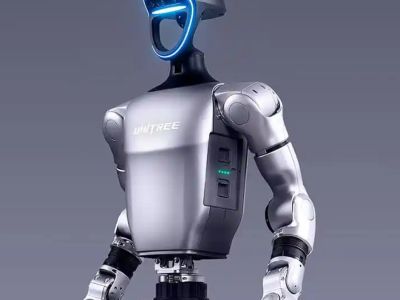
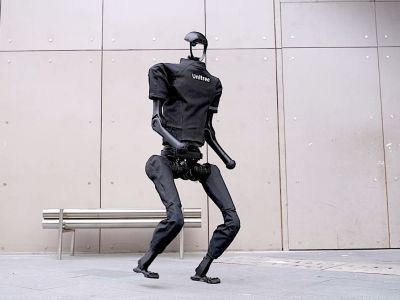
Unitree G1 vs Unitree H1
Head-to-head: Unitree G1 vs Unitree H1 compared on bipedal balance, AI learning, and real-world deployment.

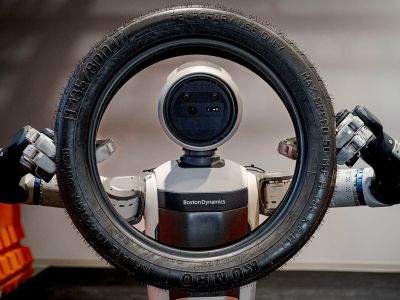
Optimus vs Atlas (Electric Atlas, 2025)
In-depth comparison of Optimus and Atlas (Electric Atlas, 2025), covering hardware capabilities, teleoperation, and enterprise readiness.
Learn More About This Robot
Discover detailed specifications, reviews, and comparisons for CyberOne.
View Robot Details →