Kakaloom pushes soft companion robots into a narrower, more practical niche
Robot Details
Kakaloom • Kakaloom TechPublished
May 25, 2026
Reading Time
3 min read
Author
Origin Of Bots Editorial Team
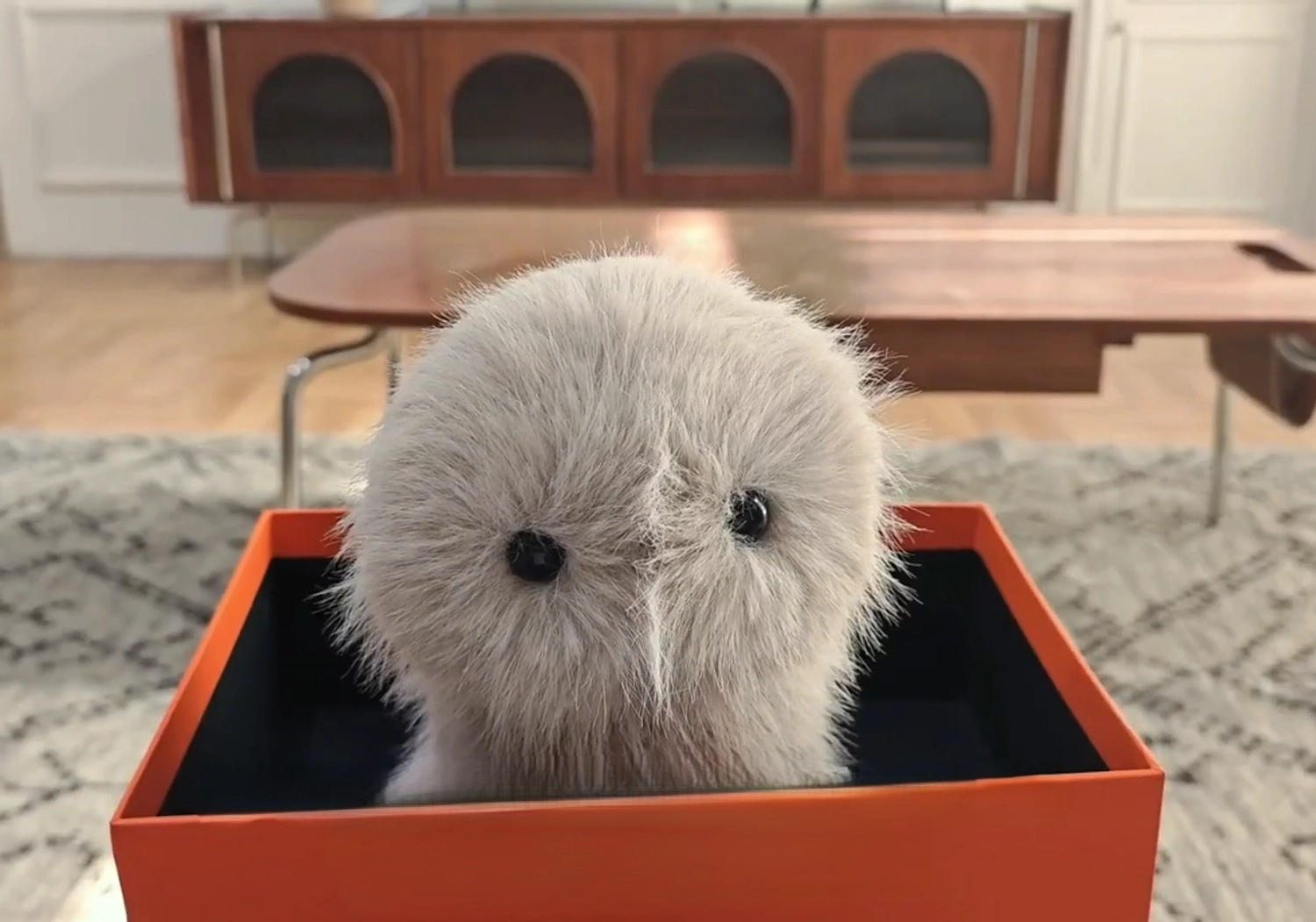
A small companion
Kakaloom Tech has unveiled Kakaloom, a compact AI companion robot designed to respond to touch, voice, and emotional cues, with a reported debut around its Kickstarter launch. The category it sits in is increasingly shaped by one problem: how to deliver emotional support through a machine that feels approachable rather than technical.
Why it stands out
Kakaloom’s appeal is not in raw robotics performance but in its purpose-built mix of faux-fur design, internal animated movement, and interaction logic aimed at companionship use cases. Reported features include voice recognition, touch response, emotion recognition AI, adaptive learning, and a bag-ready form factor, which together position it as a device meant for short, personal interactions rather than general-purpose robotics. Unlike app-first consumer devices, the lack of a companion app suggests a simpler interaction model centered on direct human contact. Kakaloom’s main innovation is a focused emotional interface, not a broader robotics platform.
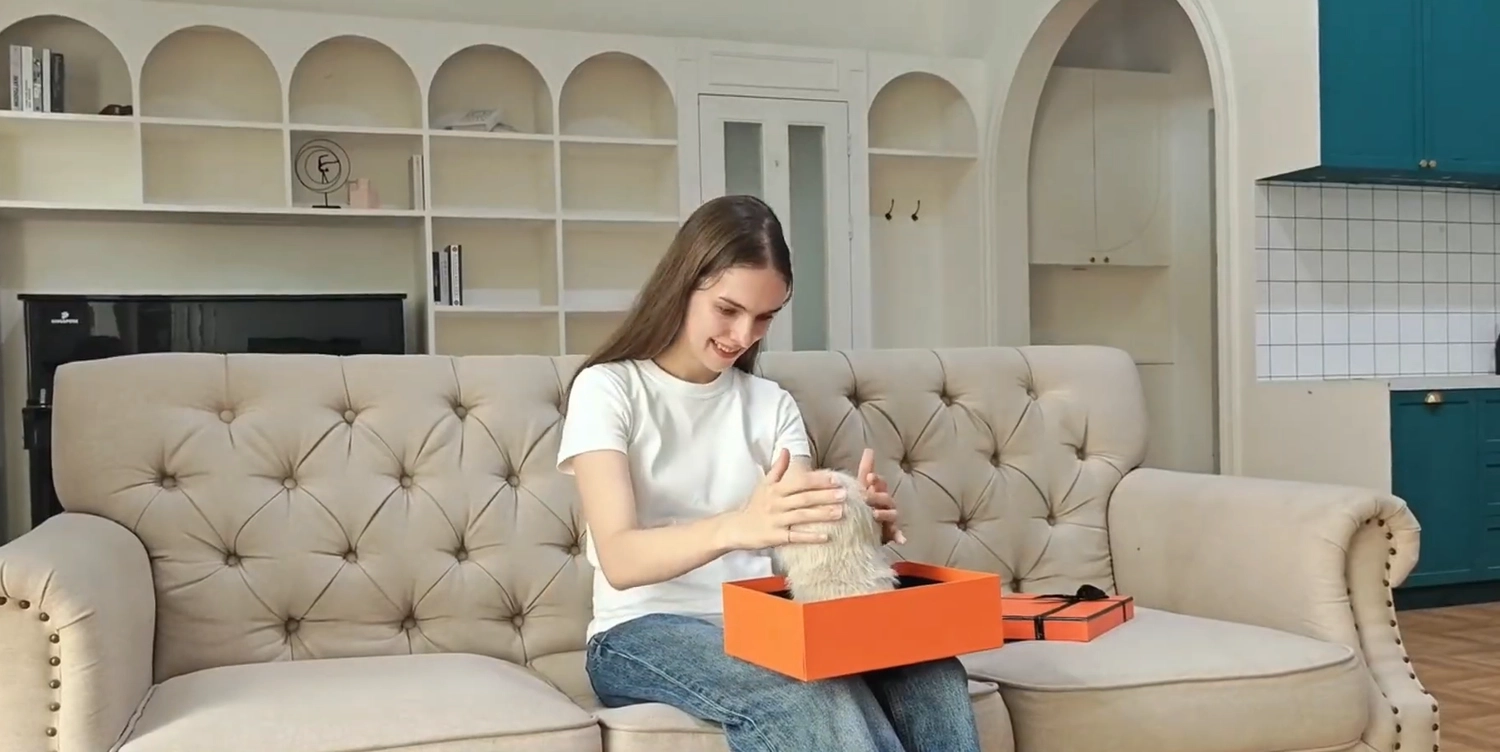
How it responds
Input comes from the user’s voice, touch, and emotional cues, which are then processed by the robot’s onboard interaction system to decide how it should react. That processing is translated into targeted mechanical execution through a stepper motor and dual servo motors, letting Kakaloom produce motion, purring, breathing-like sounds, and other comforting responses. In practical terms, the system flow is sensor input to specialized processing to animated output, which fits the category’s narrow but clearly defined role.
At-home support
The most realistic deployment scenario is solitary use in a private home, where the robot can act as a low-friction companion for someone living alone or spending long periods without animal access. In that setting, the value is not autonomy or task completion, but the ability to create a small repeated interaction ritual through touch, voice recognition, and responsive movement. That makes Kakaloom closer to a personal emotional appliance than a conventional robot pet.
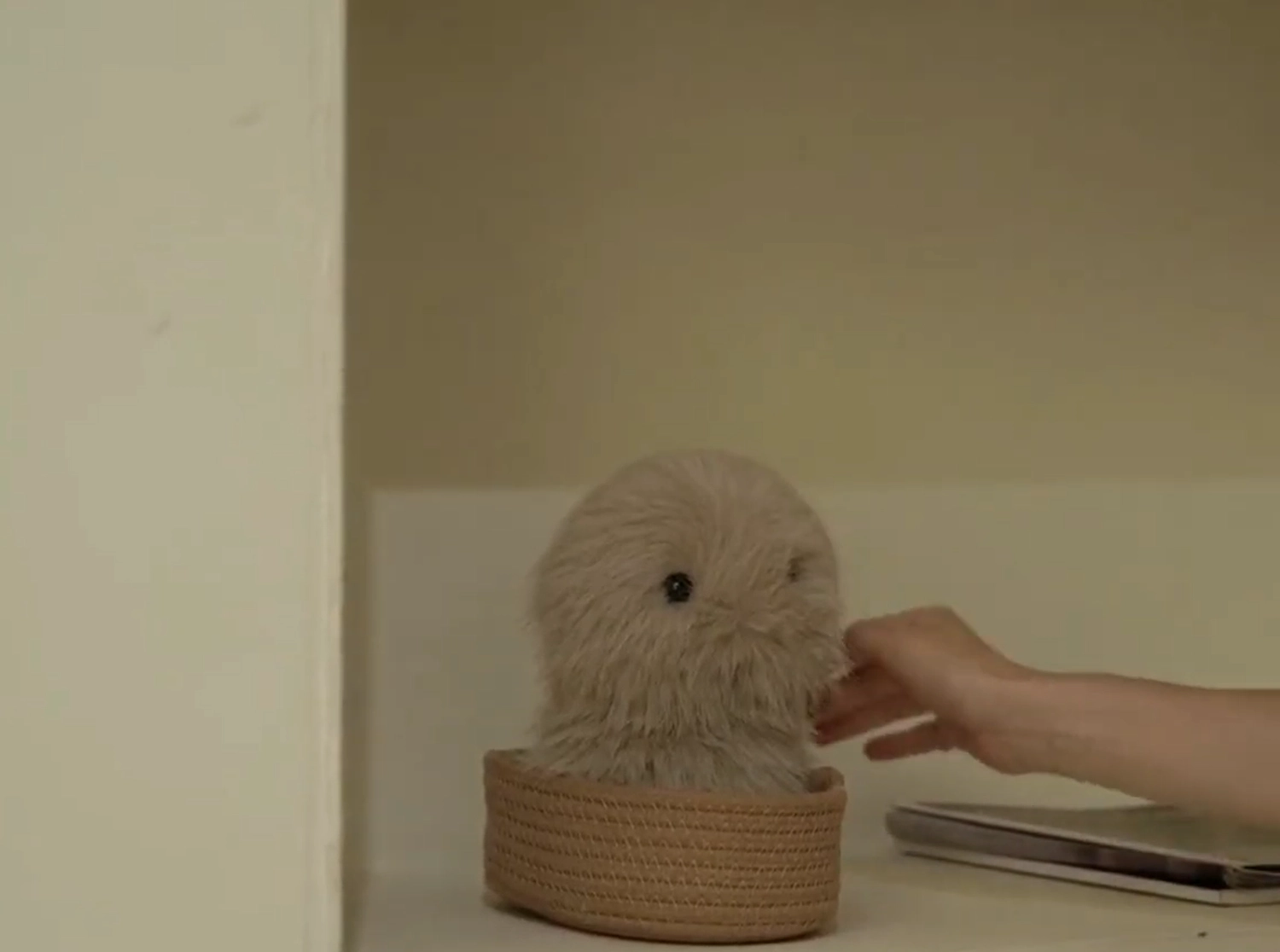
Compact by design
Verified specifications frame Kakaloom as a device designed for portability and extended use rather than heavy mobility. It is reported to measure approximately 15 x 15 x 20 cm, weigh 0.65 kg, and use a 5,200 mAh battery for roughly three days of operation, with a replaceable cover and a stationary interaction platform built around internal motion. Its sensor package centers on voice recognition, touch sensors, and emotion recognition AI, which supports the robot’s stated companionship role.
Market placement
Kakaloom fits into a part of robotics that sits between consumer electronics and social robotics, where the product is judged less by physical labor and more by whether it can sustain a believable, repeatable interaction. That puts it in a niche alongside other emotionally oriented devices, but its reported emphasis on direct, app-free engagement and compact portability gives it a different market posture from screen-based wellness tools or large pet-like robots. In the broader robotics landscape, this is a specialized product aimed at a specific human problem rather than a platform meant to expand across categories.
What this signals
Kakaloom’s emergence points to a wider industry shift toward smaller, task-specific robots built for domains that were previously handled by routines, pets, or informal human support. For the miscellaneous robotics segment, the signal is that manufacturers are leaning into narrower emotional or social functions where a machine only needs to do a few things well and consistently. That suggests future competition will likely center on interaction quality, portability, and trust rather than mechanical complexity alone.
Related Articles
SenseRobot Launches AI Go Robot for Physical Board Practice
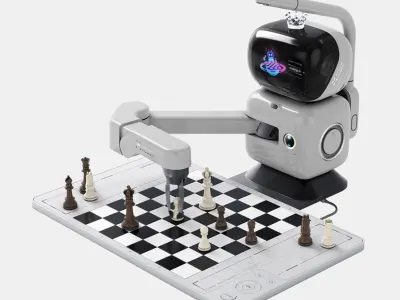
SenseRobot Launches AI Chess Robot for Home Play and Training
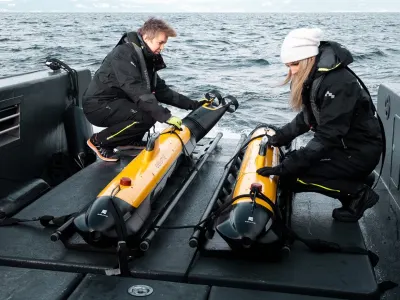
Eelume AS Advances Snake-Like Robots for Permanent Subsea Duties
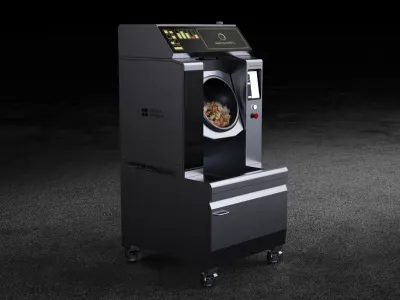
Next Robot’s Robby targets a narrow kitchen bottleneck: high-volume automated cooking
Learn More About This Robot
Discover detailed specifications, reviews, and comparisons for Kakaloom.
View Robot Details →