KEENON's DINERBOT T3 Targets Private Dining and Long-Distance Hotel Delivery With Enclosed Cabin Design
Robot Details
DINERBOT T3 • KEENON RoboticsPublished
May 8, 2026
Reading Time
3 min read
Author
Origin Of Bots Editorial Team
Purpose-Built for Privacy and Distance
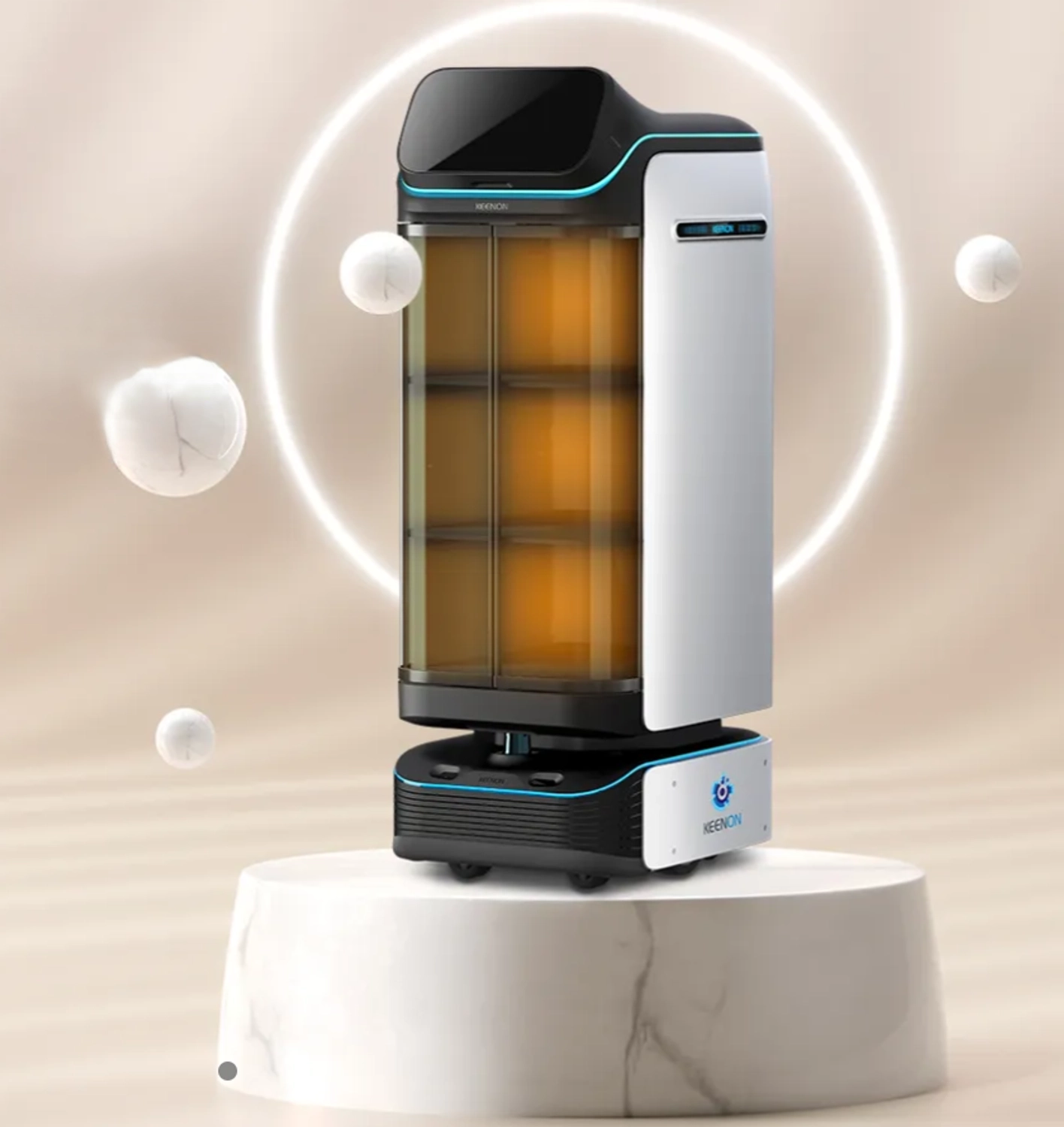
The hospitality sector increasingly demands autonomous delivery solutions that balance efficiency with discretion, particularly for high-end dining and hotel environments where guest privacy is paramount. KEENON Robotics positioned the DINERBOT T3 as a specialized answer to this challenge, designing it specifically for private dining rooms and extended delivery routes where traditional open-tray robots fall short. Unlike the company's broader DINERBOT lineup, the T3 prioritizes containment and security through its enclosed cabin architecture, which protects transported items from view while ensuring hygienic, spill-proof service across multiple floors via elevator integration.
Where Discretion Meets Operational Efficiency
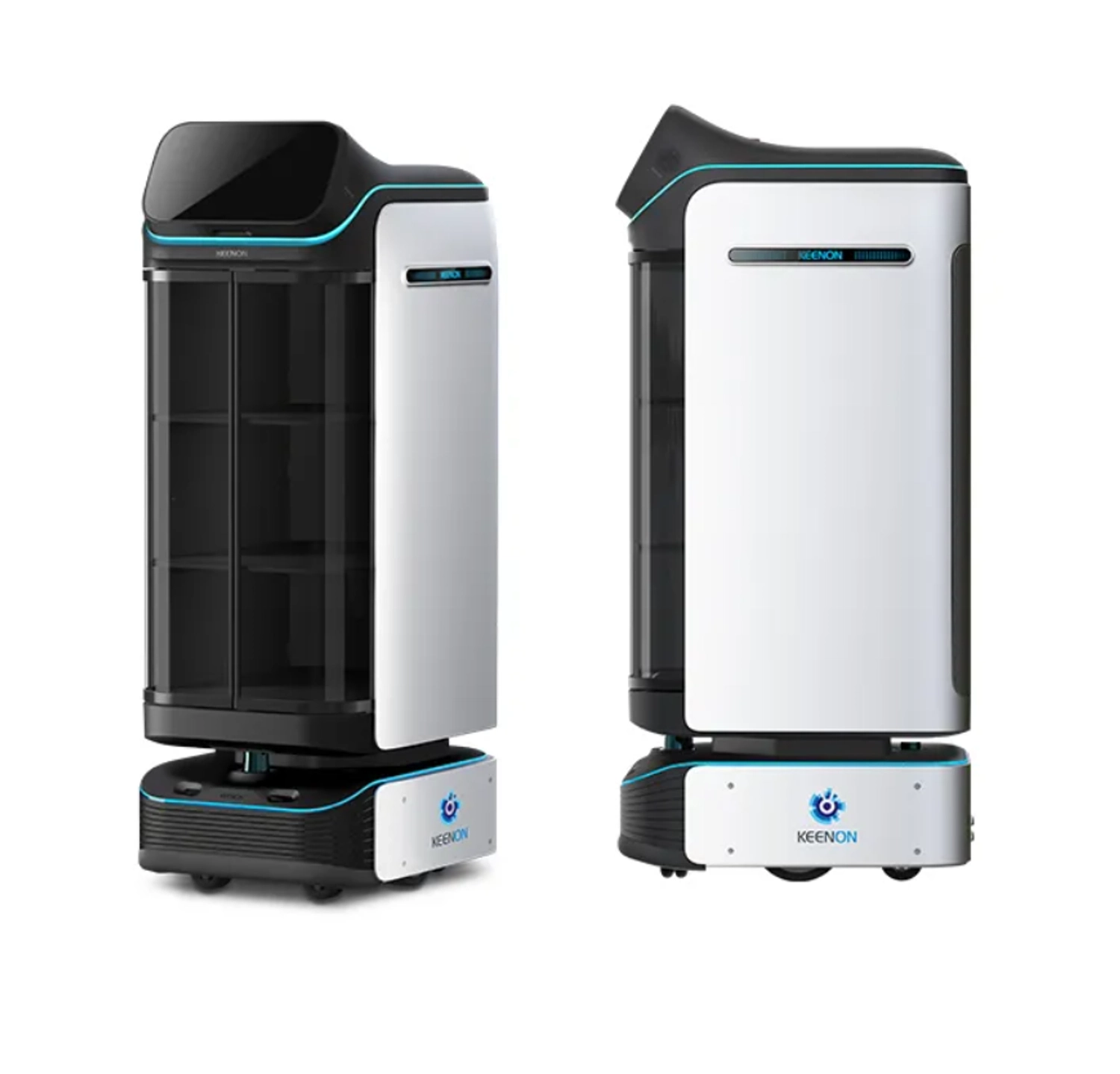
The T3's differentiation rests on four core strengths within the service hospitality category: an enclosed 180-liter cabin that accommodates varied item heights through adjustable layers, step-activated and password-secured automatic doors that eliminate contact points, precise SLAM-based navigation for reliable long-distance routing, and vehicle-grade suspension designed to absorb vibration during transport. These features address a specific operational gap that open-delivery robots cannot fill, particularly in luxury hotels and private event spaces where item visibility and contamination risk matter as much as speed. The T3's enclosed design represents a shift toward privacy-first robotics in hospitality, not speed-first.
Navigation and Environmental Awareness
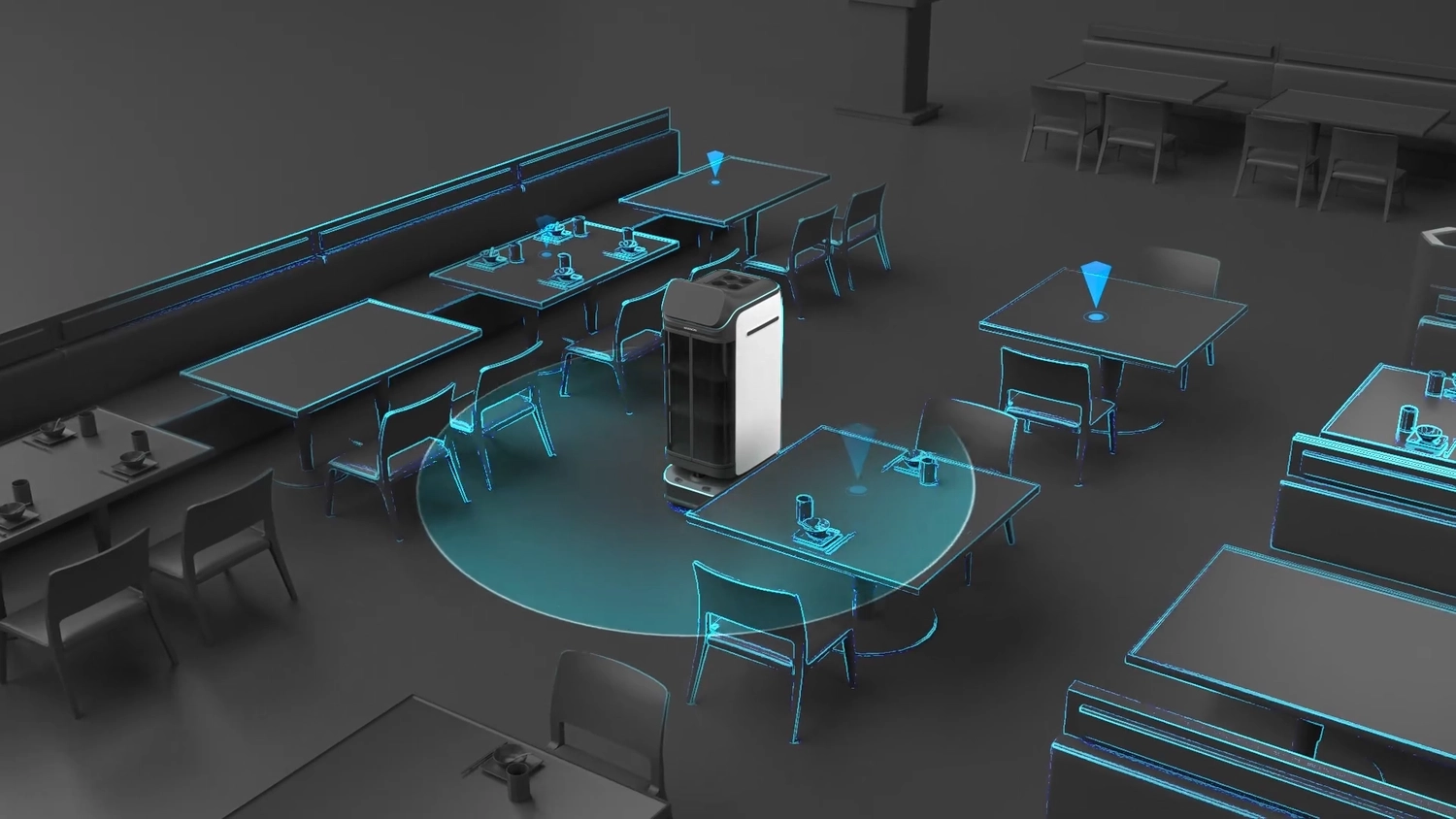
The T3 relies on SLAM technology combined with 3D perception sensors to map environments in real time, allowing it to navigate complex floor plans, anticipate obstacles, and position itself with precision at destination points. The system processes sensor input continuously, enabling the robot to detect dynamic obstacles and adjust its path without requiring pre-programmed waypoints, a capability that proves essential in busy hotels and restaurants where human traffic patterns shift throughout service hours. This approach prioritizes adaptability over rigid routing, allowing deployment in spaces where layout changes frequently.
Long-Distance Hotel Delivery in Practice
Consider a five-star hotel where room service orders must reach guest suites across multiple floors without staff interaction during peak occupancy periods. The T3 accepts a tray at the kitchen level, secures it within its enclosed cabin via password-protected doors, calls the elevator using infrared activation, and transports the order to the designated floor with shock-absorbing suspension that prevents spillage on vertical transitions. Upon arrival, the guest unlocks the cabin via a code or mobile app, retrieves the order, and the robot returns to base for reloading. This workflow eliminates multiple human touchpoints, reduces service time from 12-15 minutes to approximately 6-8 minutes per delivery, and maintains strict hygiene protocols without requiring staff to handle items between kitchen and suite.
Specifications That Enable Real-World Deployment
The T3 measures 62.3 x 49.6 x 135.1 centimeters and weighs 71 kilograms, a footprint engineered to fit through standard hospitality corridors while maintaining stability on slopes up to 5 degrees. It operates at speeds up to 1 meter per second (3.28 feet per second), balancing safety in crowded environments against delivery time constraints, and achieves battery endurance of up to 12 hours per charge, sufficient for full-service periods in most hospitality venues. Its 40-kilogram payload capacity aligns with typical room service orders and buffet-style deliveries, while a minimum passage width of 75 centimeters ensures navigation through service corridors and elevator cars without requiring facility modifications.
Rivals Edge Check
| Robot | Key Advantage | Where DINERBOT T3 Wins | Target Use |
|---|---|---|---|
| DINERBOT T10 | Movable head, 23.8-inch display, advanced sensor fusion for open-floor engagement | Enclosed cabin design for privacy, long-distance reliability, password security | High-traffic restaurants, buffet service |
| DINERBOT T9 Pro | Grab-and-go efficiency, casual dining optimization, compact design | Extended range, multi-floor capability, heightened containment for private events | Private dining rooms, hotel suites |
| DINERBOT T8 | Balanced payload and speed for mid-tier hospitality venues | Superior privacy features, elevator integration, adjustable storage layers | Boutique hotels, upscale restaurants |
| Keenon G2 | Legacy platform, broad market presence | Current-generation navigation precision, modern suspension engineering, enhanced battery efficiency | General hospitality deployment |
Privacy-First Robotics Gaining Traction
The emergence of enclosed-cabin delivery robots signals a broader industry shift toward privacy and hygiene as primary design drivers, particularly in hospitality where guest experience encompasses both efficiency and discretion. Rather than competing solely on speed or payload, vendors are increasingly differentiating on containment, security, and multi-floor capability, reflecting client demand for solutions that integrate seamlessly into luxury and mid-tier venues without compromising operational aesthetics. The T3's positioning suggests that hospitality robotics will continue fragmenting into specialized platforms, with privacy-centric designs capturing growing share in high-end and private-event segments where open delivery remains operationally or culturally misaligned.
Explore Humanoids
Sources
Related Articles
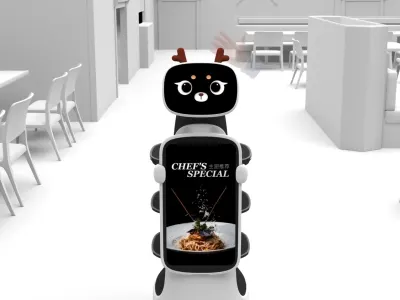
Keenon Robotics Unveils Dinerbot T10 for Hospitality Delivery
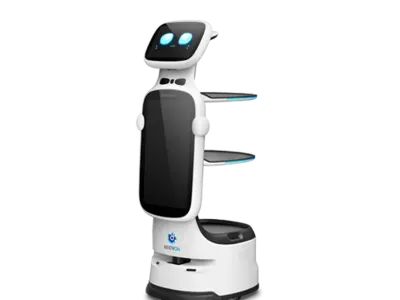
Keenon Robotics Unveils Dinerbot T11 for Narrow-Aisle Service Delivery
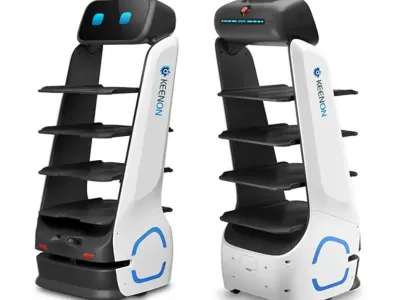
Keenon Robotics DINERBOT T9 Delivers High-Capacity Service in Hospitality
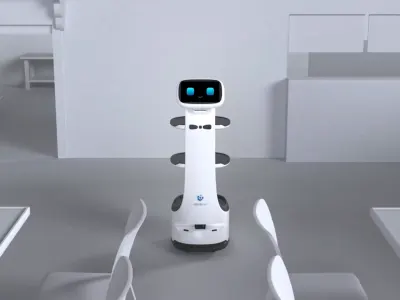
KEENON Robotics Unveils DINERBOT T8 for Tight-Space Service Delivery
Learn More About This Robot
Discover detailed specifications, reviews, and comparisons for DINERBOT T3.
View Robot Details →