LimX’s Tron 2 Debuts Dynamic Wing‑Chun Motion, Partners with VLA for Embodied AI
Robot Details
Tron 2 • LimX DynamicsPublished
December 18, 2025
Reading Time
3 min read
Author
Origin Of Bots
Breaking the Balance Barrier
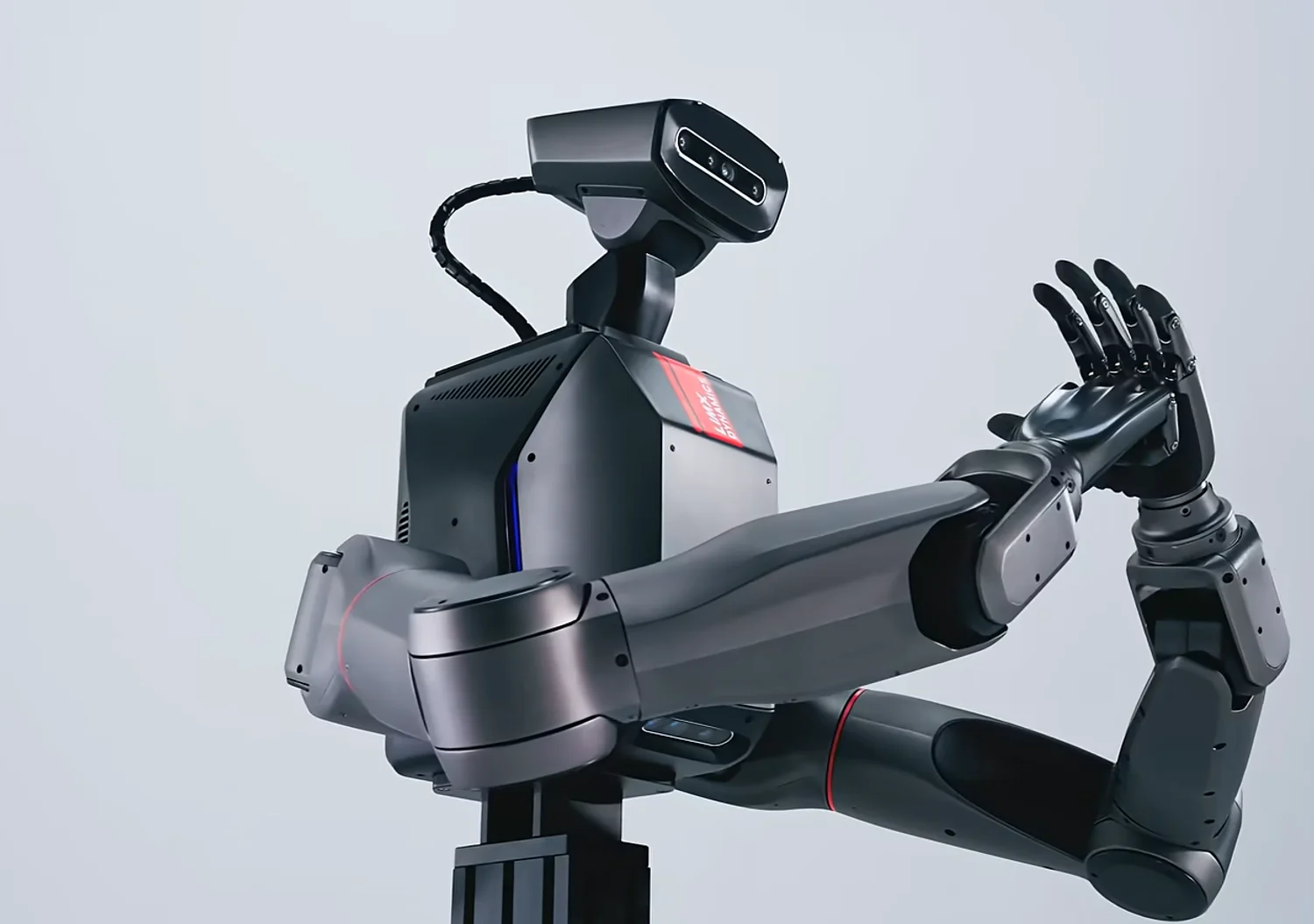
LimX Dynamics today unveiled the Tron 2, a bipedal platform that debuts a dynamic Wing‑Chun inspired motion suite and a research partnership with the Visual Learning Alliance (VLA), positioning the robot as a live testbed for embodied AI that learns from real interaction data. The announcement highlights timed public demos and an upcoming developer preview program to let universities and labs experiment with whole‑body combative and adaptive motion, signaling LimX’s push from demo reels into collaborative research deployments that could accelerate locomotion learning and safe human–robot interaction.
Motion That Marries Art and Control
Tron 2’s standout claim is its martial‑arts informed motion library Wing‑Chun sequences translated into timed, force‑aware gaits and strikes that showcases fluid center‑of‑mass shifts and rapid stance transitions designed for controlled contact rather than combat. Beyond showmanship, LimX frames these routines as training primitives for balance recovery, mid‑stride manipulation, and interactive demonstrations where the robot anticipates human response, underscoring a blend of choreographed motion and reactive control that aims to push embodied learning from static tasks into dynamic, contact‑rich behaviors.
Engineering for Dynamic Stability
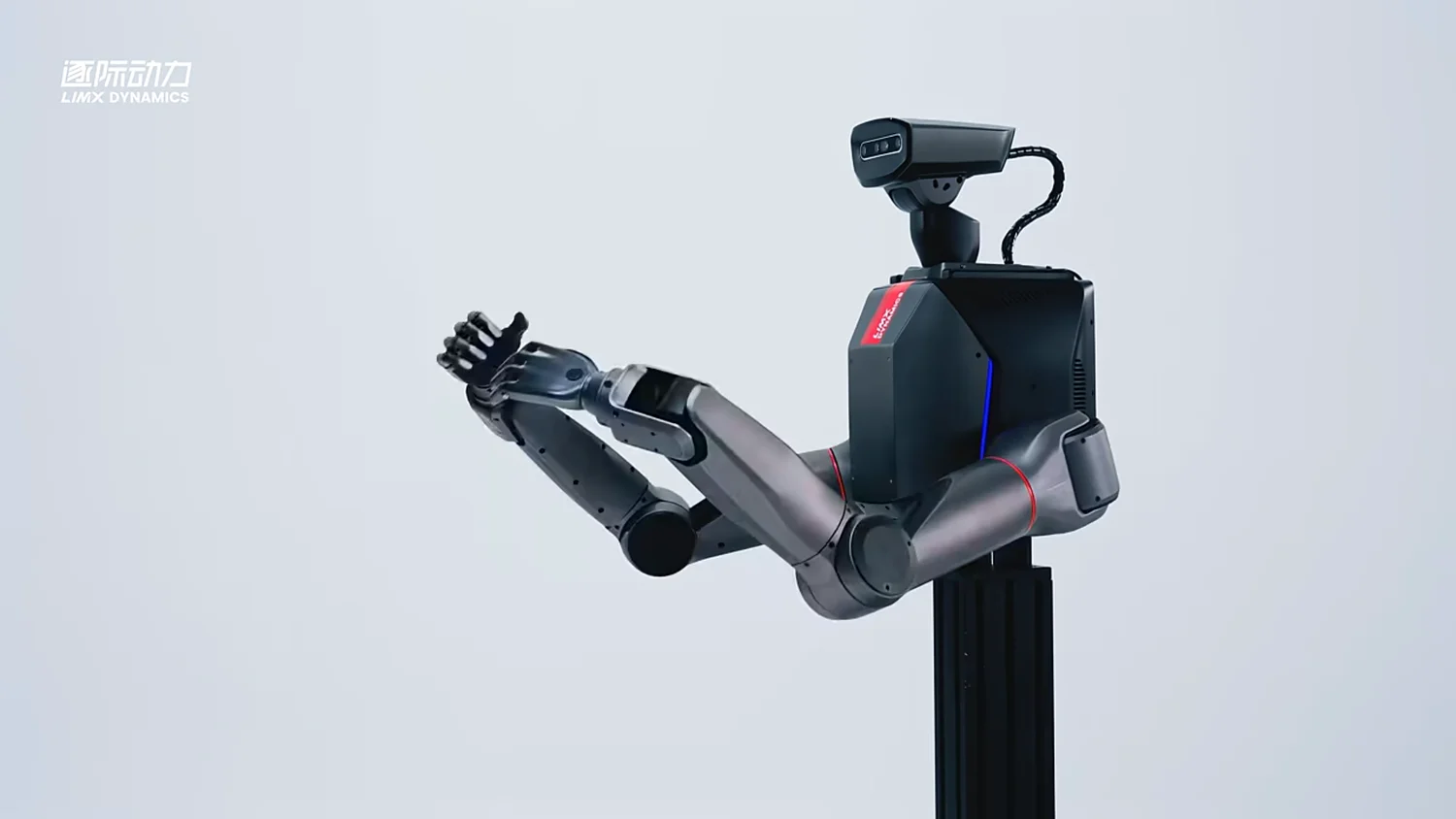
Under the hood Tron 2 applies high‑torque actuators, hollow‑shaft design lessons from LimX’s prior platforms, and updated whole‑body controllers to achieve the new motion set while maintaining safety margins; redundancies in IMU and joint sensing feed a low‑latency control loop so the biped can tolerate external disturbances during aggressive sequences. LimX also cites over‑the‑air motion library updates and an API for developers to craft new routines, reflecting an engineering focus on modular control stacks and fast iteration for embodied AI researchers.
From Lab Tricks to Field Tests
LimX positions Tron 2 for embodied AI R&D, interactive demos, and practical tasks testing terrain navigation, object manipulation during dynamic balancing, and human‑robot interaction scenarios that require graceful contact. Early partner use cases include VLA‑led datasets for learning reactive control, university labs using the platform for locomotion curricula, and industrial pilots exploring safe collaborative tasks where the robot hands tools or assists in constrained spaces, leveraging its contact‑aware motions to operate near people and delicate equipment.
Precise Physical Profile
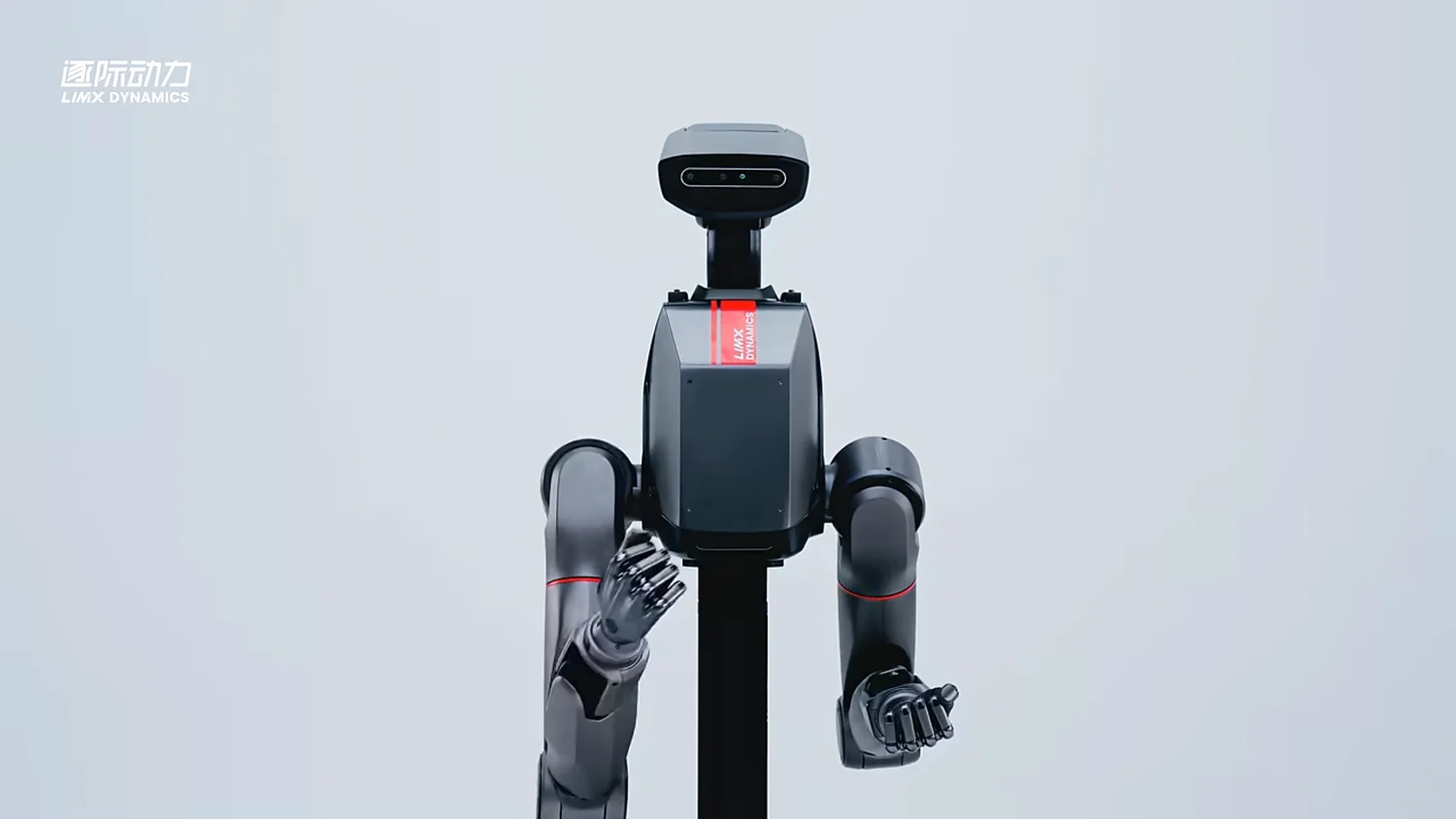
Tron 2’s estimated dimensions are 157 × 50 × 40 cm and it weighs about 50 kg, designed to be compact yet substantial for dynamic moves; the platform tops out near 4 km/h for purposeful walks and promises a battery lifecycle of roughly 3–5 years under typical research usage, traded for intensive OTA updates and frequent cycles. Sensor suites are reported to include RGB and stereo cameras, IMU, gyroscope, force sensors, and ultrasonic range sensing while navigation combines visual SLAM and indoor SLAM; payloads span tools, packages and precision instruments and the software stack leans on ROS2, a proprietary AI framework and Python APIs, with safety features such as force limiting, collision detection, emergency stop and collaborative mode.
How Tron 2 Stacks Up
Compared with AgiBot X1 and X2, PM01 and MiPA, Tron 2’s strength is its expressive, contact‑aware motion library and a research‑first partnership with VLA that accelerates embodied dataset collection, giving it an edge for labs focused on dynamic interaction; however, it concedes advantage to AgiBot X2’s industrial payload capacity and PM01’s mature commercial deployments for logistics. Against lightweight MiPA, Tron 2 offers deeper whole‑body control but sacrifices portability and cost efficiency, and compared with AgiBot X1 it is more experimental—stronger in adaptive motion but currently less proven in long‑term field uptime.
Related Articles
XMAN-F1 Partners Johnnie Walker, M104 for AI Bartending Breakthrough
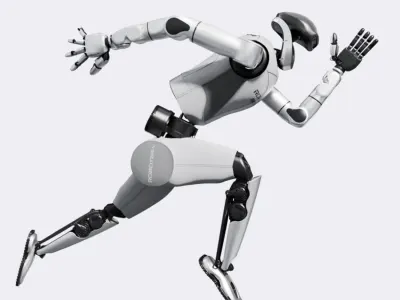
RobotEra L7 Racing Into Warehouses: 14.4 km/h Humanoid Cuts Picking Costs with ERA‑42 Deal

Clone’s Protoclone V1 Mirrors Human Muscles with 1,000 Myofibers, 500 Sensors
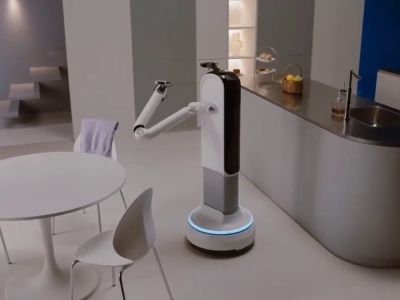
Samsung Bot Handy 2 Integrates Google Gemini, Boosts Dexterity with 3kg Dual-Arm Grip
Related Comparisons
Compare Tron 2 with similar robots
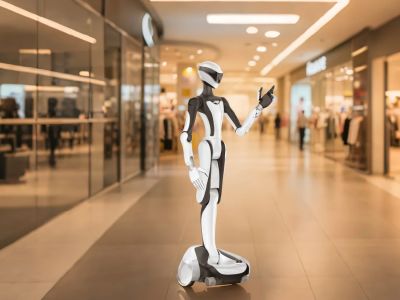
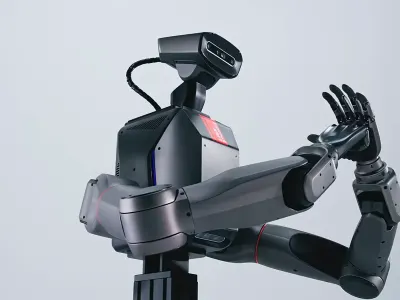
Q5 vs Tron 2
Compare Q5 and Tron 2. Detailed analysis of mobility, sensors, and battery life.

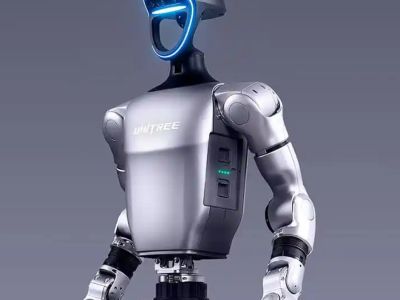
Optimus vs Unitree G1
Compare Optimus vs Unitree G1 for humanoid mobility, dexterity, autonomy, and payload capacity.
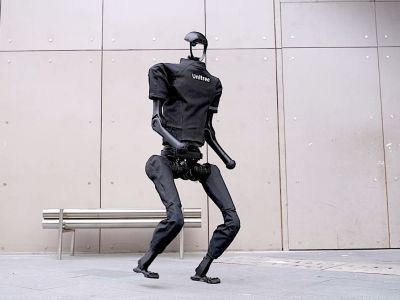
Unitree G1 vs Unitree H1
Head-to-head: Unitree G1 vs Unitree H1 compared on bipedal balance, AI learning, and real-world deployment.
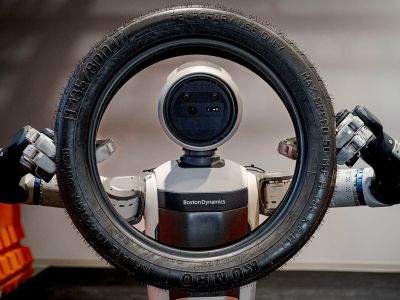
Optimus vs Atlas (Electric Atlas, 2025)
In-depth comparison of Optimus and Atlas (Electric Atlas, 2025), covering hardware capabilities, teleoperation, and enterprise readiness.
Learn More About This Robot
Discover detailed specifications, reviews, and comparisons for Tron 2.
View Robot Details →