MG Super LABS Deploys AMY A1 Telepresence Robot Across Indian Hospitality and Service Sectors
Robot Details
AMY A1 • MG Super LABSPublished
May 8, 2026
Reading Time
4 min read
Author
Origin Of Bots Editorial Team
Commercial Service Robot Gains Traction in Asia
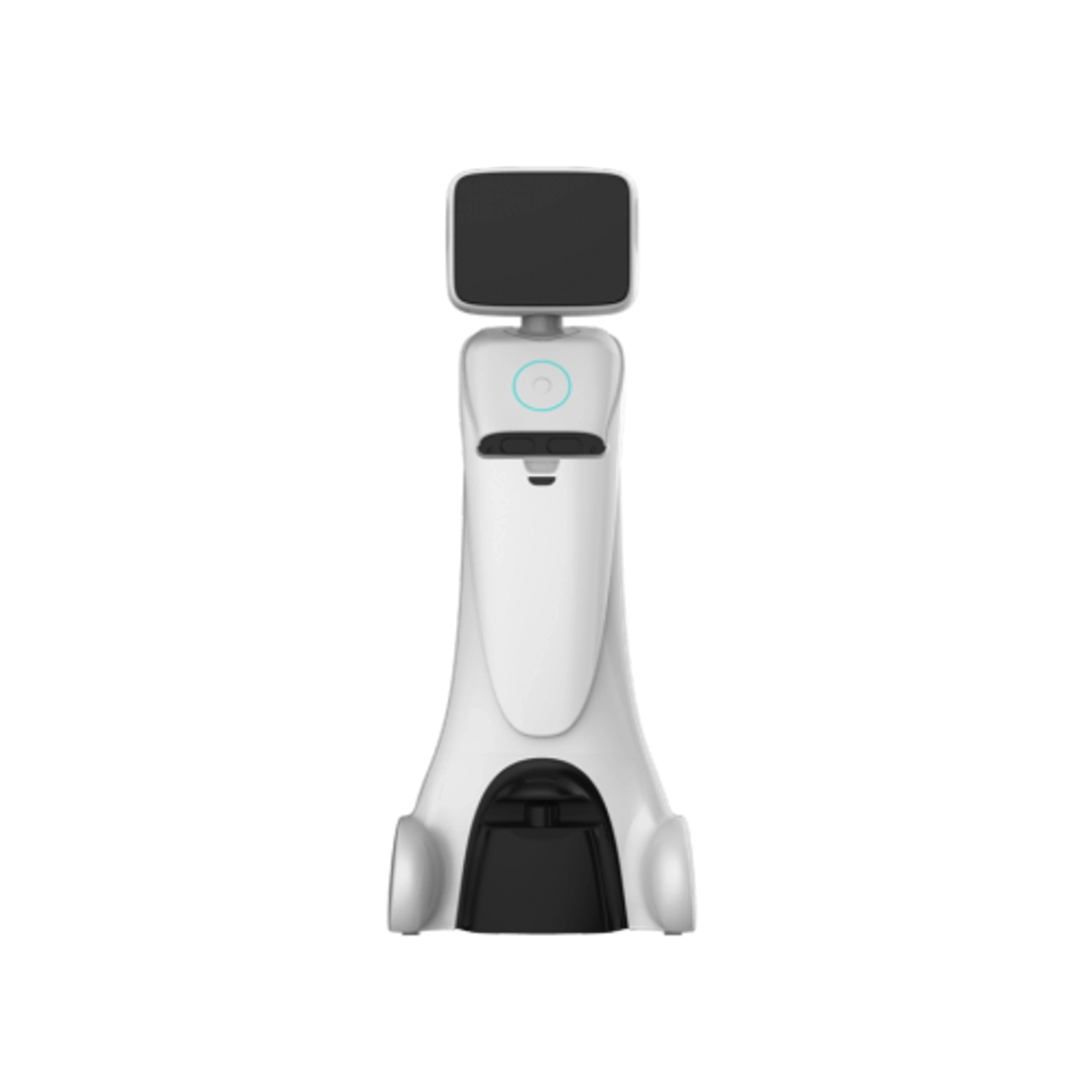
Service robotics has emerged as a critical solution for high-traffic environments where staff efficiency and guest experience directly impact business outcomes. MG Super LABS, the Indian distributor of Amy Robotics' AMY A1 telepresence platform, has positioned the robot as a multifunctional asset for hotels, restaurants, hospitals, airports, and retail spaces, addressing the persistent challenge of staffing reception, queue management, and visitor navigation in labor-constrained markets. The AMY A1 combines autonomous mobility, facial recognition, and cloud-based fleet coordination to handle customer-facing tasks while freeing human staff for higher-value interactions.
Why Telepresence Redefines Service Robotics
The AMY A1 distinguishes itself through four core capabilities that address real-world hospitality pain points: remote operator control via HD camera and microphone enables off-site staff to manage guest interactions in real time; multi-language voice interaction and facial recognition support personalized greetings and visitor tracking across diverse customer bases; LiDAR-based autonomous navigation with visual SLAM allows the robot to map indoor spaces and avoid obstacles without constant human intervention; and cloud-based fleet coordination enables hospitality groups to deploy multiple units across properties while managing them from a centralized platform. The robot's open SDK and API architecture further allow operators to customize workflows for specific venue requirements. AMY A1's strength lies not in replacing human judgment but in extending human presence and capability across distributed locations simultaneously.
How Remote Presence Operates
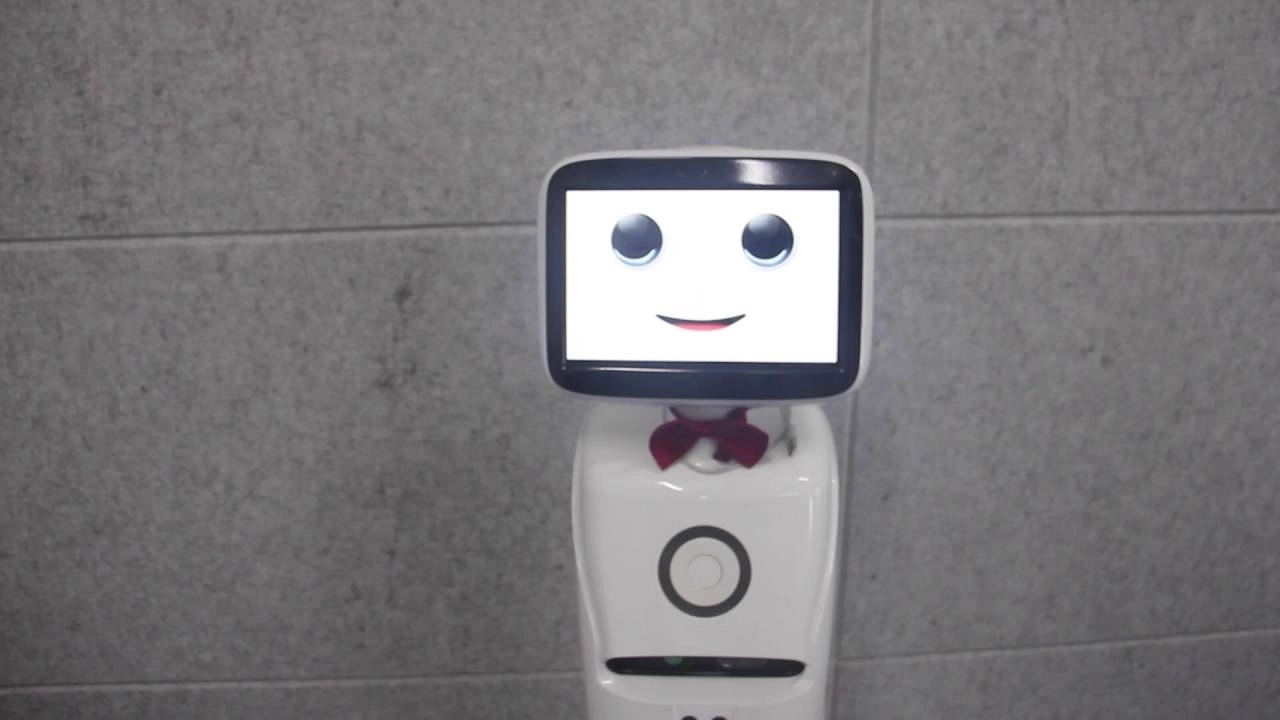
The system operates on a straightforward input-to-output model: a remote operator or autonomous navigation command initiates movement or interaction; the robot's LiDAR and visual sensors process the environment and calculate obstacle-free paths; the 10.1-inch display screen and microphone array enable real-time two-way communication while the robot executes the directed task. This architecture allows a single remote operator to manage check-ins, provide directions, or handle inquiries across multiple locations, while autonomous mode lets the robot execute pre-programmed routes such as scheduled lobby patrols or delivery runs without operator input.
Airport Queue Management in Practice
Consider a mid-sized airport information desk during peak hours. Rather than hiring additional staff for seasonal surges, an airport operator deploys two or three AMY A1 units to manage visitor queues, provide flight information, and direct passengers to gates or facilities. The robot's facial recognition system can identify frequent travelers and offer personalized assistance; its autonomous navigation allows it to move between information zones without blocking foot traffic; and its 10-kilogram payload capacity supports delivery of printed materials, maps, or promotional items. When staffing needs drop during off-peak hours, a single remote operator can manage all units from a back-office location, answering inquiries and troubleshooting issues in real time. This model reduces labor costs while maintaining visible, responsive customer service.
Specifications Enabling Real-World Deployment
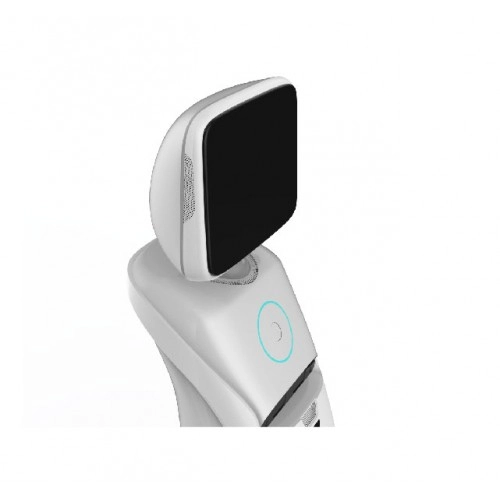
The AMY A1 is engineered for sustained commercial operation: its reported weight of approximately 45 kilograms and dimensions of roughly 60 by 45 by 140 centimeters allow it to navigate standard doorways and corridors without requiring venue modifications; autonomous navigation via LiDAR and visual SLAM enables operation in GPS-denied indoor environments; battery life spanning multiple hours of continuous use supports full-shift operation before recharge cycles; and dual articulated arms allow the robot to gesture and interact naturally during guest communication. The 10-inch head display serves dual purposes as both a communication interface and an advertising or wayfinding channel, generating secondary revenue opportunities for hospitality operators.
Rivals Edge Check
| Robot | Key Advantage | Where AMY A1 Wins | Target Use |
|---|---|---|---|
| DINERBOT T11 | Specialized food delivery with heated compartments | Broader multi-task capability and telepresence operator control | Full-service hospitality venues |
| DINERBOT T8 | Compact footprint for tight restaurant spaces | Larger display and extended battery for high-traffic zones | High-traffic reception areas |
| BUTLERBOT W3 | Humanoid form factor for premium brand positioning | Cost-effective autonomous navigation and fleet coordination | Mid-market hotels and airports |
| DINERBOT T9 | Rapid deployment with minimal customization | Open SDK and API for venue-specific workflow integration | Chains requiring standardized rollout |
Industry Shift Toward Operator-Centric Models
The expansion of telepresence-enabled service robots signals a broader industry pivot away from pre-programmed motion libraries toward human-in-the-loop operation at scale. Rather than encoding every guest interaction scenario into firmware, platforms like the AMY A1 enable remote operators to handle complex or unexpected situations in real time while the robot handles routine navigation and information delivery autonomously. This hybrid model reduces the engineering burden of anticipating every edge case and creates a more scalable deployment path for hospitality operators in emerging markets where hiring and retaining specialized service staff remains a persistent challenge. As labor costs rise across Asia-Pacific, the economic case for telepresence-first robotics strengthens, positioning AMY A1 and similar platforms as infrastructure investments rather than experimental technologies.
Explore Humanoids
Related Articles
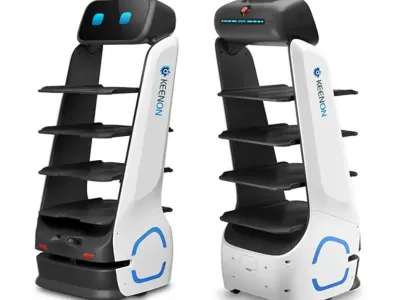
Keenon Robotics DINERBOT T9 Delivers High-Capacity Service in Hospitality
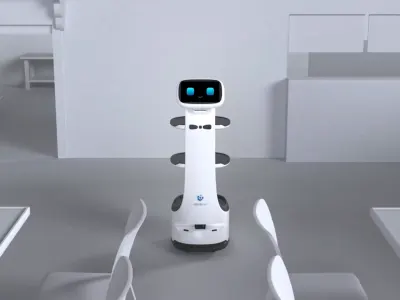
KEENON Robotics Unveils DINERBOT T8 for Tight-Space Service Delivery
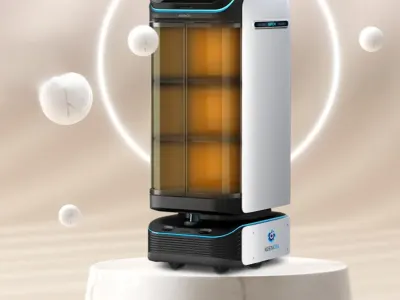
KEENON's DINERBOT T3 Targets Private Dining and Long-Distance Hotel Delivery With Enclosed Cabin Design
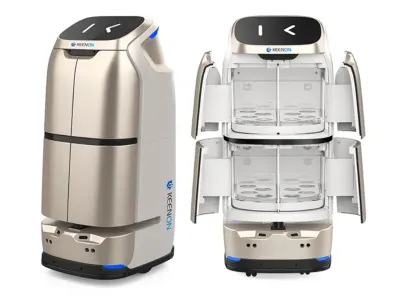
Keenon's ButlerBot W3 Expands Cross-Floor Delivery Capacity for Hotels and Hospitals with Multi-Compartment Design
Learn More About This Robot
Discover detailed specifications, reviews, and comparisons for AMY A1.
View Robot Details →