Xiaomi's Humanoid Robot Works a Full Eight-Hour Shift in Its Car Factory
Company
Xiaomi Robotics LabPublished
November 3, 2026
Reading Time
5 min read
Author
Origin Of Bots Editorial Team


A Full Working Day on the Line
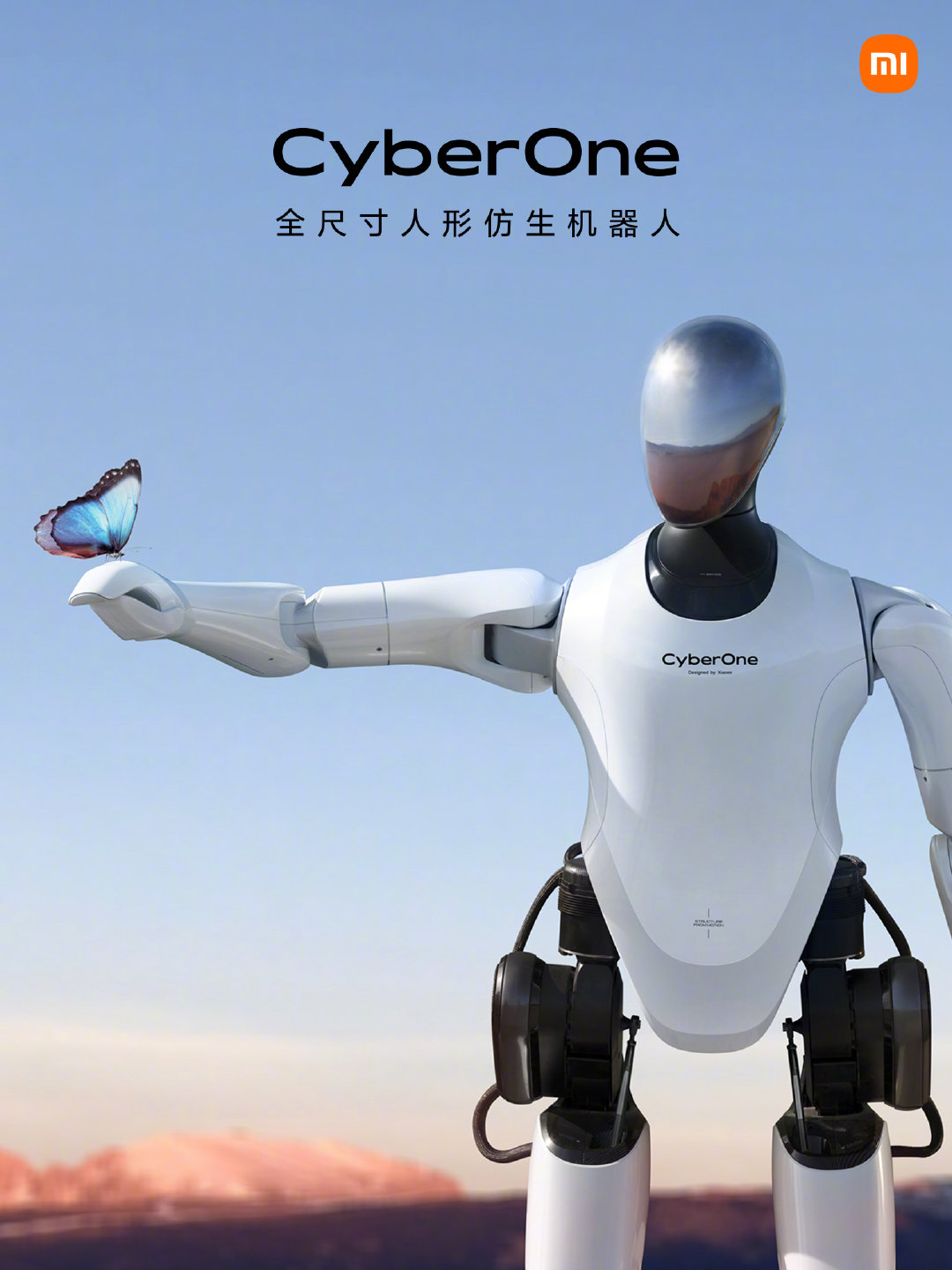
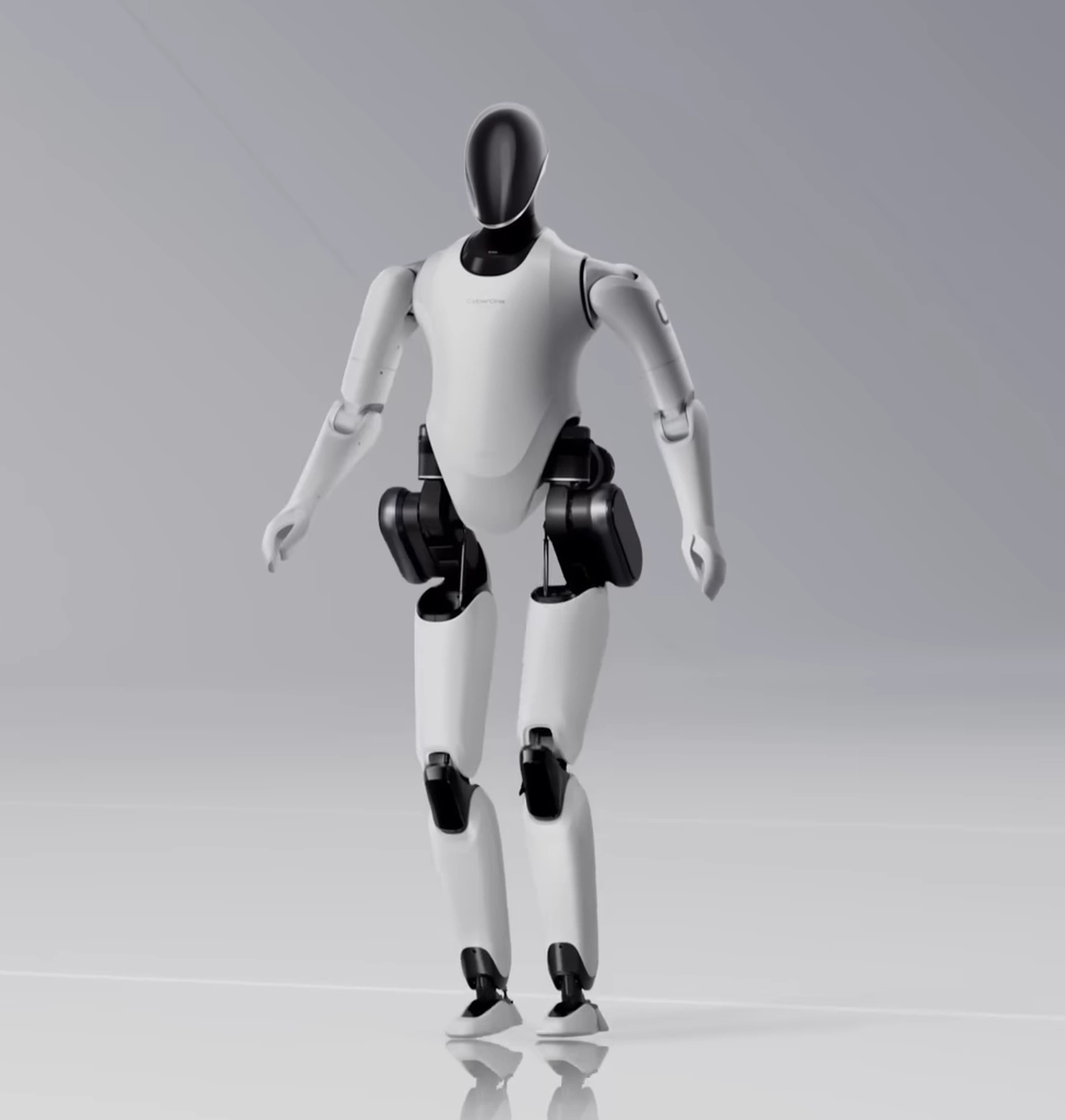
Xiaomi, the Chinese company best known for smartphones and, more recently, electric cars, says one of its humanoid robots has worked a complete eight-hour shift inside its car factory. The company shared the milestone on November 3 at the World Internet Conference summit in Wuzhen, eastern China.
Why does that matter? Most humanoid robot demonstrations last a few minutes and are filmed under ideal conditions. A full shift is the length of a real working day, and it is the bar a robot has to clear before a factory can count on it the way it counts on a person or a conventional machine.
Sorting the Parts That Frame a Dashboard
The job itself sounds simple. At a workstation in the Xiaomi Auto factory, the robot sorts the side cover panels that sit beside a car's center console, the area between the two front seats. It picks the panels out of containers and places them in the right order on upright storage racks.
These panels are flexible plastic parts rather than rigid metal blocks, which makes them harder to grip reliably. According to Xiaomi, the robot met the station's full-day production demand, meaning it kept up with the pace the assembly line needed rather than working in a slowed-down test mode.

Fixing Its Own Mistakes
Xiaomi's founder, Lei Jun, wrote on social media that the robot corrected abnormal situations on its own during the shift, such as a part sitting in an unexpected position, and coordinated with the factory's production line software. He described the result as a preliminary validation of production-line capability.
That self-correction is the quiet heart of the news. A robot that freezes or calls for help every few minutes is of little use on a busy line. One that notices a problem, adjusts and carries on is far closer to something a plant manager could actually schedule into a working day.
From Three Hours to a Full Shift
The eight-hour run caps a steady climb through 2026. In March, a Xiaomi humanoid worked three hours straight at a station that fits self-tapping nuts, small fasteners that cut their own thread, onto car parts. It succeeded on 90.2 percent of attempts and kept to the line's 76-second rhythm.
By July, the company said success at that nut station had risen to 98 percent, and the robot had taken on two harder jobs: sorting the console side covers and folding empty storage crates for reuse. Lei Jun posted an uncut video of the sorting task that month. November's full shift is the next rung on that ladder.

The Software That Does the Thinking
Behind the robot's hands sits a family of AI models Xiaomi has been building. Xiaomi-Robotics-0 is a vision-language-action model, software that turns what the robot sees and the instructions it is given into physical movements. Xiaomi says it responds in about 80 milliseconds even on a consumer graphics card.
A larger foundation model, Xiaomi-Robotics-1, was trained on 100,000 hours of recordings of real robots doing real tasks. Xiaomi says it ranked first overall on two public robot-learning benchmarks, RoboCasa 365 and RoboDojo, in July 2026. Those rankings are the company's own report rather than an independent audit.
A Trial Run in Real Apartments
The factory shift was only half of the announcement. Xiaomi also began a trial of its robot software inside Xiaomi Youth Apartments, staff housing run by the company. There, a system built on Xiaomi-Robotics-1 completed a continuous chore session lasting more than 30 minutes, moving across three rooms and finishing over 50 separate tasks.
The list reads like a tidy-up routine: fetching tools, straightening sofas and tables, clearing rubbish, putting objects back where they belong, checking each room and doing a final sweep of the whole flat before leaving. Homes are messier and less predictable than factories, which makes even half an hour of unbroken work a meaningful step.
What Xiaomi Has Not Shared
As with most corporate robotics news, the details come from Xiaomi itself and have not been checked independently. The company has not published how many panels the robot sorted per hour, how often a person had to step in, or how it managed its battery across eight hours.
It also covered a single workstation, not a whole production line, and Xiaomi has not said when, or whether, humanoids will work regular shifts across its plants. The apartment trial is similarly early: thirty minutes of chores in staff housing is a long way from a robot you could buy for your own home.
What Comes Next
Xiaomi picked up two prizes at the summit, an outstanding contribution award for the group and a leading technology award for its robotics business. More telling than the trophies is the direction of travel: each milestone this year has been longer, harder and closer to an ordinary working day.
The next tests are clear enough. Watch for multiple robots running several stations at once, shifts repeated day after day, and published figures on speed and human help. If Xiaomi can show those, its factory humanoid would move from promising intern to dependable colleague, and other carmakers will be paying close attention.
Sources
Related Articles

Meet Echo FullBody, Realbotix's Life-Size, $59,950 Humanoid With 39 Moving Joints and Articulated Fingers
Agility Robotics Lines Up $465 Million and a Nasdaq Debut for Digit
Meet Sagi, PHYMI's Centaur-Style Robot With Four Wheeled Legs and a Cargo Box on Its Back