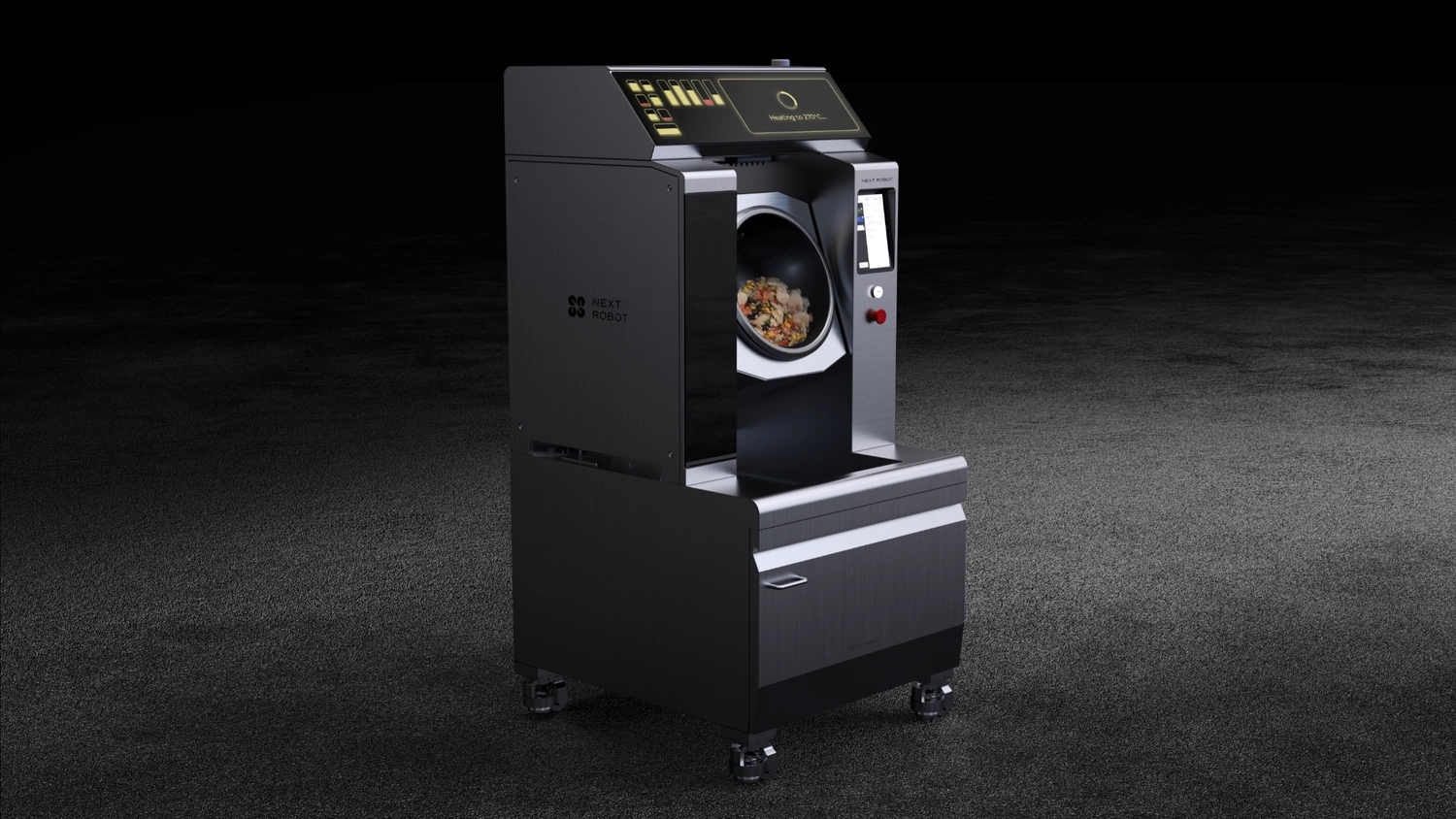
Robby
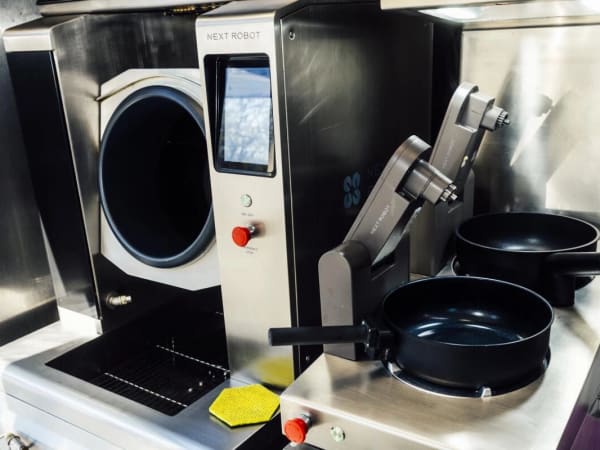
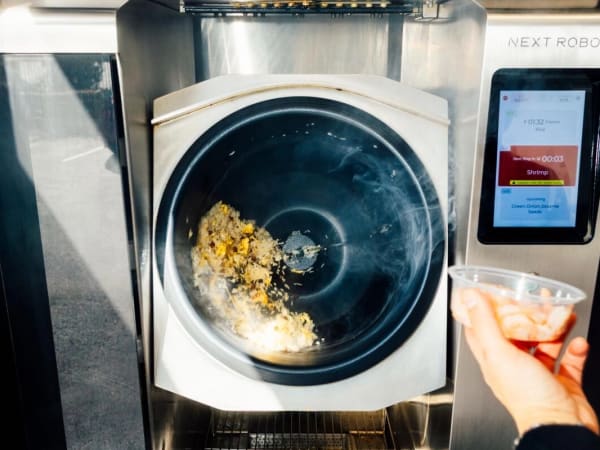
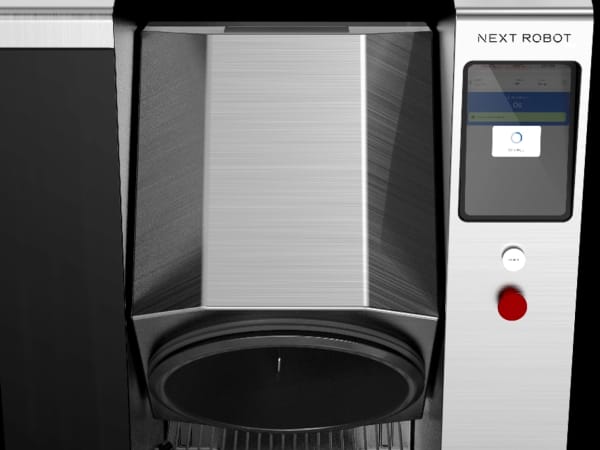
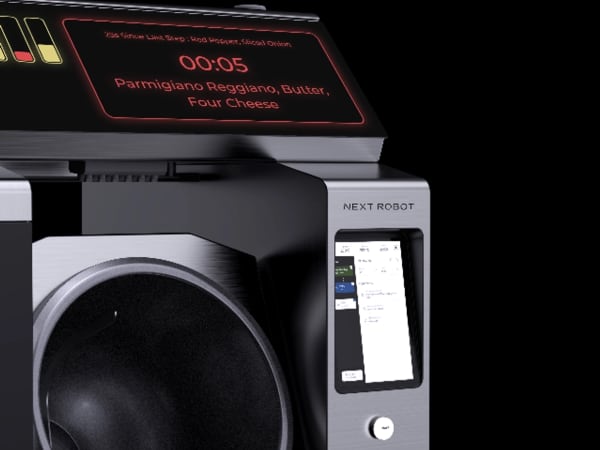
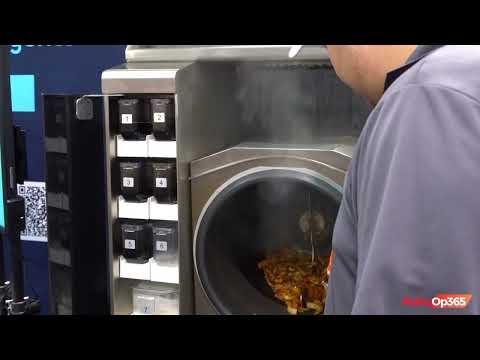
Robby is an automated culinary robot designed for commercial kitchen environments, specifically engineered to replicate wok hei—the complex smokey flavor achieved through high-temperature wok cooking with precise timing and temperature control. This stationary cooking machine automates all culinary processes including heating, stirring, seasoning application, temperature management, and self-cleaning. Robby handles up to 17.64 pounds of food per batch and can prepare dishes in approximately 2.5–5 minutes. The robot features AI-powered recipe programming, autonomous ingredient loading prompts, and computer-vision monitoring to assess cooking progress and adjust procedures accordingly. It is deployed in commercial restaurants, schools, and food service operations to increase throughput, standardize dish quality, and reduce labor demands in high-volume kitchen settings.
Quick Overview & Key Facts
Robby is a miscellaneous system developed by Next Robot in United States and launched in 2023. Starting price is estimated at USD 1,199–1,200 per month (3-year lease). It is currently ranked #6 in most-viewed miscellaneous robots on Origin of Bots. It features a payload capacity of Food ingredients (up to 17.64 pounds per batch). Operating battery runtime is rated at Continuous operation (AC-powered). Primary applications include Commercial restaurant stir-fry preparation; high-volume school lunch production; fast-casual dining automation; Asian cuisine preparation (stir-fry, rice dishes); emerging applications in risotto and pasta preparation. Featured in editorial articles including “Next Robot’s Robby targets a narrow kitchen bottleneck: high-volume automated cooking”.
Image Gallery
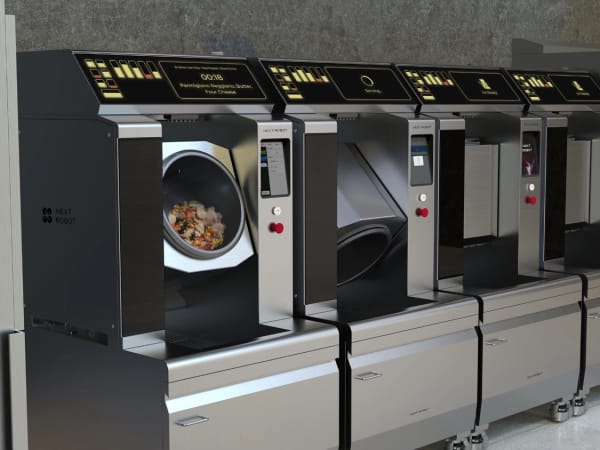
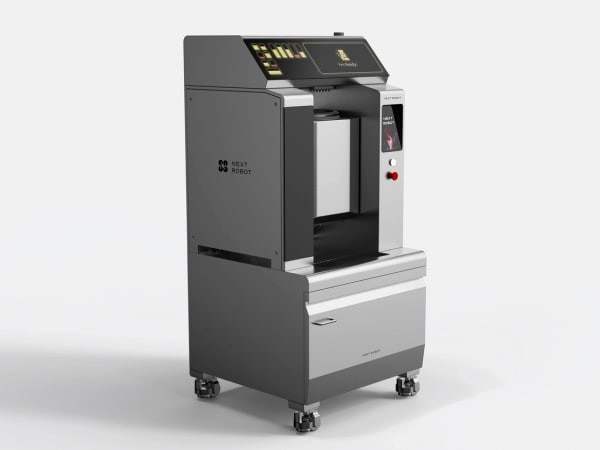
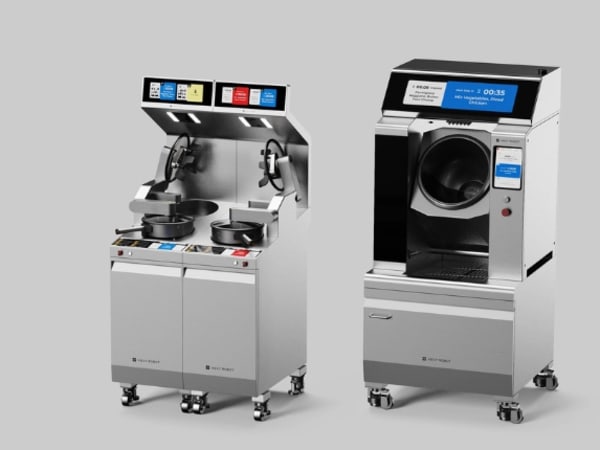
Below images are from Next Robot's official sources
Review Videos
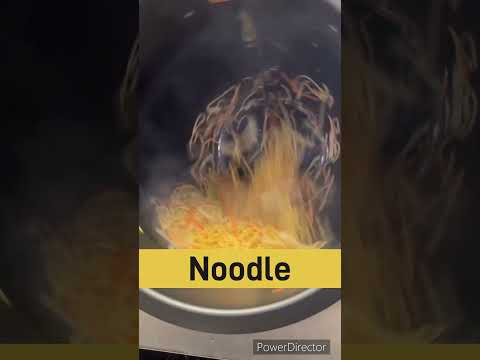
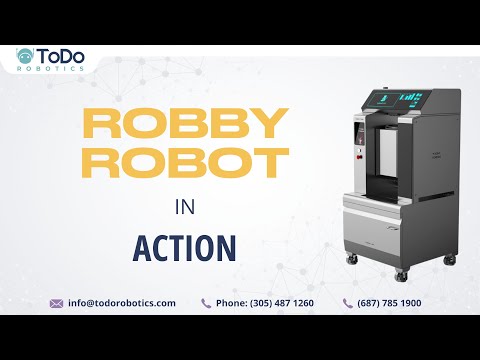
Watch expert reviews and demonstrations of this robot
Robot Specifications
Latest News About Robby
Stay updated with the latest articles and developments
More Robots
Discover more robots in the same category


Robots From Other Categories
Discover complementary robots from different categories that work well together
Frequently Asked Questions
Get answers to common questions about this robot
Q1. What is Robby and what specific problem or task is it designed to solve?
Robby is a commercial kitchen robot manufactured by Next Robot that automates the cooking process for dishes prepared in woks and pans. It addresses labor shortages in food service by handling heating, stirring, seasoning, temperature control, and cleaning automatically.
Q2. What are the core capabilities and standout features of Robby?
Robby processes up to 17.64 pounds of food per batch and can produce approximately 900 servings per hour. It operates within a temperature range of 0 to 350 degrees Celsius, features proprietary AI technologies, and includes automated compartments for seasonings and sauces that deploy according to programmed recipes.
Q3. Who uses Robby, and which industries or sectors benefit from it?
Robby is deployed in over 100 locations including restaurants, schools, grocery stores, care facilities, and airlines. According to Next Robot, the robot serves commercial food service operations seeking to reduce training costs and improve consistency across high-volume kitchens.
Q4. Is Robby a commercially available product, or is it still a research prototype?
Robby is a commercially available product currently in active deployment. Next Robot operates a robotics-as-a-service model offering monthly leasing with included software updates, preventative maintenance, and customer support.
Q5. How does Robby operate autonomously, and what level of human oversight is required?
Robby requires human operators to load ingredients and initiate cooking cycles; it does not operate fully autonomously. The machine automates all culinary processes once activated but still depends on human supervision and food preparation.
Q6. What sensors, AI, and navigation technology does Robby use?
Robby employs proprietary and patent-protected AI technologies to manage cooking parameters and recipe execution. The system includes temperature sensors and automated dispensing mechanisms for ingredients, though specific sensor details are not publicly disclosed.
Q7. How does Robby compare to similar robots or competing solutions in its category?
Next Robot also manufactures Al Dente, a specialized pasta and risotto cooking robot launched in 2025. Both machines use similar automation principles but target different culinary applications; comparative performance data with non-Next Robot competitors is not available in public sources.
Q8. What are the known limitations, trade-offs, or challenges of using Robby?
Robby requires 208-240 volt three-phase power and water pressure not exceeding 0.8 megapascals, limiting installation flexibility. The machine weighs 550 pounds and still requires trained human operators, meaning it supplements rather than replaces kitchen staff.
Q9. What does it cost to acquire or deploy Robby, and what is the expected ROI?
Pricing details are not publicly disclosed. Next Robot offers a leasing model rather than direct purchase, with costs varying based on deployment location and service requirements.
Q10. What is the future roadmap or planned improvements for Robby?
Next Robot has expanded its product line with Al Dente for pasta and risotto preparation. The company emphasizes preserving culinary tradition through recipe customization, though specific technical roadmap details for Robby have not been publicly announced.
User Comments (No Login needed)
Share your thoughts, experiences, or questions about this robot.
Comments are reviewed before posting.