CASIVISION
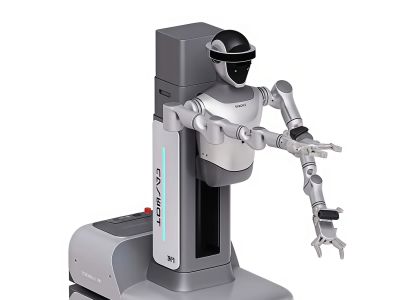
CASIVISION (CASIVISION Technology Co., Ltd. / 中科视语) is an industrial physical intelligence and machine vision robotics enterprise spun out of the Institute of Automation, Chinese Academy of Sciences (CASIA). Headquartered in Beijing, China, CASIVISION develops the flagship CASIVIBOT compact humanoid service and inspection robot alongside industrial digital quality inspection platforms. Equipped with high-precision multimodal visual perception and bionic dual manipulation arms, CASIVISION deploys robots across transportation hubs, intelligent manufacturing, and complex municipal infrastructure.
💡Notable Achievement: Spun out of the Institute of Automation, Chinese Academy of Sciences (CASIA), CASIVISION holds over 100 patents in multi-modal physical AI, deploying CASIVIBOT for autonomous infrastructure inspection and smart terminal services across China's major transit systems.
What Does CASIVISION Do?
CASIVISION translates the top-tier machine vision and artificial intelligence research of the Chinese Academy of Sciences into rugged industrial inspection and service humanoids. By combining sub-millimeter visual defect detection with humanoid mobility, CASIVISION eliminates dangerous, manual inspection tasks in railways and heavy industry. Through its flagship CASIVIBOT, CASIVISION provides infrastructure managers with 24/7 autonomous defect detection, automated reporting, and friendly passenger guidance across transportation hubs.
“CASIVISION delivers AI-powered visual inspection humanoids engineered to protect critical infrastructure and enhance public transit hubs.”
CASIA Machine Vision Pedigree
Born from China's premier artificial intelligence institute with over 100 patents in multimodal vision.
Sub-Millimeter Industrial Precision
High-accuracy defect detection for railway tracks, steel plates, and structural components.
Multi-Floor Infrastructure Mobility
Autonomous elevator transit and LiDAR SLAM navigation through vast passenger terminals and factory halls.
What Can CASIVISION Robots Actually Do?
Cross-portfolio operational capabilities, manipulation tasks, and environmental competencies
CASIVISION develops humanoid inspection robots, smart airport service droids, and industrial machine vision rigs.
Multimodal Defect Inspection
Synchronized optical, thermal, and ultrasonic scanning of industrial machinery and rail vehicles.
Public Terminal Guidance
Bilingual passenger guidance, boarding verification, and patrol in airports and railway hubs.
CASIVISION Robots
Showing 1 Humanoid Robots of 1 total model
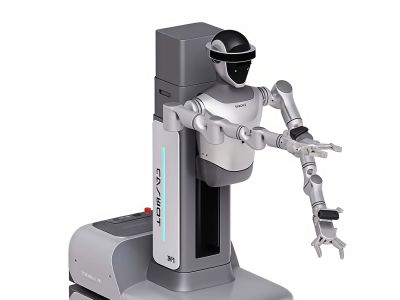
CASIVIBOT
Manufactured by CASIVISION
CASIVIBOT is a compact, affordable service humanoid robot designed for commercial spaces including hospitals, offices, and retail environments. It features a dual-arm design with 2-finger gripping claws for natural object manipulation and leverages CasiVision's computer vision expertise for safe indoor navigation. The robot combines autonomy with safe human collaboration, capable of performing tasks like item delivery and guidance while maintaining zero-incident interactions with occupants. Its modular architecture supports future hardware upgrades and balances accessibility with professional-grade functionality.
CASIVISIONSoftware & AI Ecosystem
Developer platforms, fleet management portals, autonomy intelligence, and enterprise integrations
Software Feature
What Makes CASIVISION Different?
Editorial AnalysisOrigin of Bots objective strategic assessment, engineering moats, and commercial hurdles
Key Strengths & Moats
- ✓Deep national institutional backing from CASIA with mature vision AI patents
- ✓Proven deployment footprint across high-speed rail and mega-airports in China
- ✓High commercial reliability in specialized industrial inspection verticals
Core Strategic Focus
Expanding CASIVIBOT fleet deployments across subway networks and exporting machine vision inspection cells to Southeast Asia.
Road Ahead & Challenges
- •Relatively lower international brand visibility outside Greater China
- •Balancing specialized industrial inspection hardware with consumer service form factors
CASIVISION vs Key Competitors
Strategic capability matrix across platform categories, commercial readiness, and target markets
| Strategic Dimension | CASIVIBOT | PUDU D7 | Shenhao Inspection Robot |
|---|---|---|---|
| Primary Focus | Multimodal Infrastructure Inspection | Commercial Hospitality | Electrical Substation Inspection |
| Mobility Form | Wheeled Humanoid Torso | Wheeled Humanoid Torso | Tracked / Wheeled AMR Base |
| Inspection Sensing | Optical, Thermal & Ultrasonic | RGB Vision Only | Thermal & Gas Sensors |
Corporate Ecosystem & Ownership Structure
Parent company relationships, historical acquisitions, and global operating facilities
Articles & Industry News
Showing 1 recent article and news updates about CASIVISION
Frequently Asked Questions
10 AnswersVerified answers, company specifications, and deployment details about CASIVISION
What is the unit purchase price or RaaS lease pricing model for CASIVIBOT?
CASIVIBOT inspection and service configurations sell between 280,000 and 420,000 RMB (~$39,000 to $58,000 USD), with turnkey municipal RaaS leasing packages available for airport and rail terminals starting at ~$3,000 USD per month.
What is the commercial timeline and availability status of CASIVIBOT?
Founded in 2018 from CASIA research, CASIVISION deployed industrial vision inspection systems across high-speed rail lines before commercializing the CASIVIBOT humanoid platform in 2024–2025, which is actively shipping to transit and industrial clients in 2026.
Where are CASIVISION robots actively deployed in real-world facilities?
Deployed across Beijing Daxing International Airport, China Railway high-speed maintenance depots, Hebei steel processing facilities, and Beijing municipal public service centers.
What target industrial and service workflows does CASIVIBOT perform?
Performs critical infrastructure inspection (crack and thermal defect scanning), railway pantograph and bogie verification, public terminal interactive concierge guidance, and security patrol.
What mechanical drivetrain and actuator architecture powers CASIVIBOT?
Features an omnidirectional wheeled base with high-maneuverability brushless hub motors, coupled with an expressive humanoid upper torso and dual 7-DoF collaborative bionic arms.
What end-effector dexterity and inspection sensors are integrated?
Equipped with modular inspection end-effectors integrating microscopic optical zoom cameras, infrared thermal imaging lenses, ultrasonic thickness probes, and 2-finger compliant grippers.
What is CASIVIBOT's continuous battery runtime and charging system?
Powered by an industrial 48V 1.6 kWh lithium iron phosphate (LiFePO4) battery delivering 8 to 10 hours of continuous inspection shifts, with autonomous docking and contact fast-charging.
What is the operational autonomy level versus teleoperation dependency?
Operates at Level 4 autonomous navigation and automated defect classification, with remote 5G operations center telemetry dashboards for exception reporting.
What sensory perception suite and foundation AI models govern CASIVIBOT?
Combines 3D LiDAR, multispectral thermal and optical cameras, ultrasonic sensors, and CASIVISION's proprietary CASIA-derived multimodal vision inspection foundation model.
What safety mechanisms and compliance standards protect passengers and workers?
Certified under CE and national industrial robotics safety standards, featuring 360-degree LiDAR collision avoidance fields, compliant joint torque limits, and tactile safety edge bumpers.
Verified Data & Editorial Assurance
Compiled from verified corporate filings, official CASIVISION datasheets, and robotics engineering registries. Information has been verified against official manufacturer documentation. For commercial procurement or proprietary integrations, contact the manufacturer directly.