CASIVIBOT Expands Healthcare Deployment Across North America, Europe
Robot Details
CASIVIBOT • CASIVISIONPublished
March 19, 2026
Reading Time
2 min read
Author
Origin Of Bots Editorial Team
Healthcare Push Accelerates
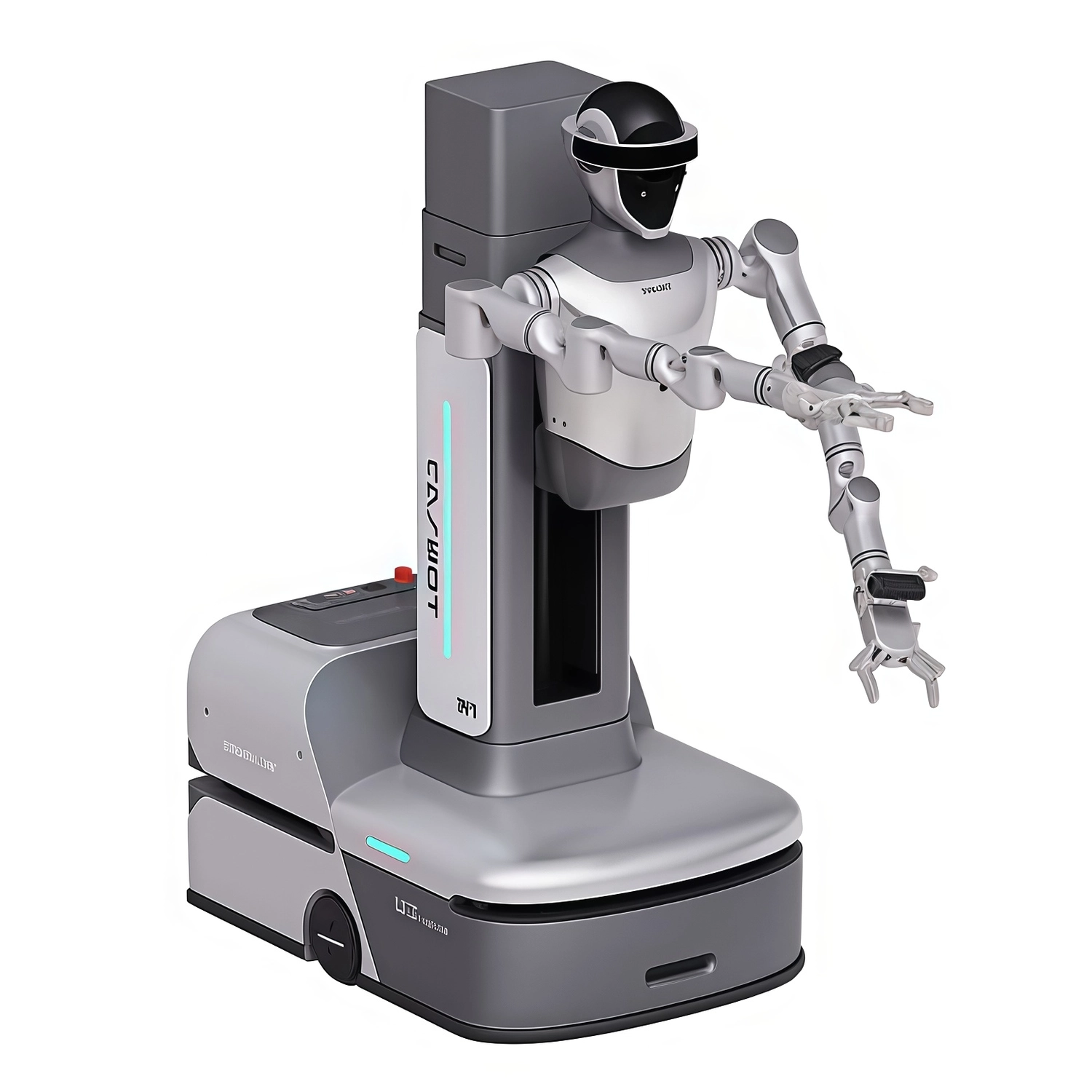
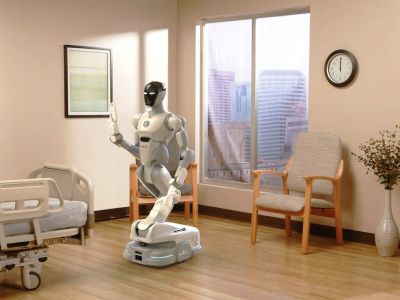
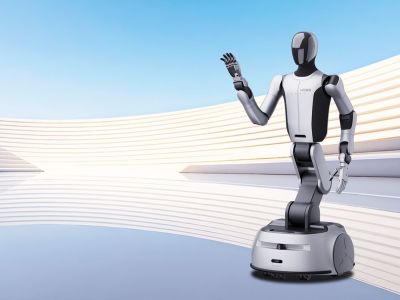
CasiVision's CASIVIBOT humanoid robot now scales healthcare operations in key North American and European facilities, with deployments confirmed in major hospitals as of January 2026. This expansion follows successful pilots that demonstrated reliable patient guidance and supply transport, reducing staff workload by handling routine deliveries. Operators report seamless integration into busy wards, where the robot's approachable design fosters trust among patients and teams. By prioritizing zero-incident interactions, CASIVIBOT addresses labor shortages head-on, transforming how medical centers manage daily logistics amid rising demands.
Dual-Arm Dexterity Shines
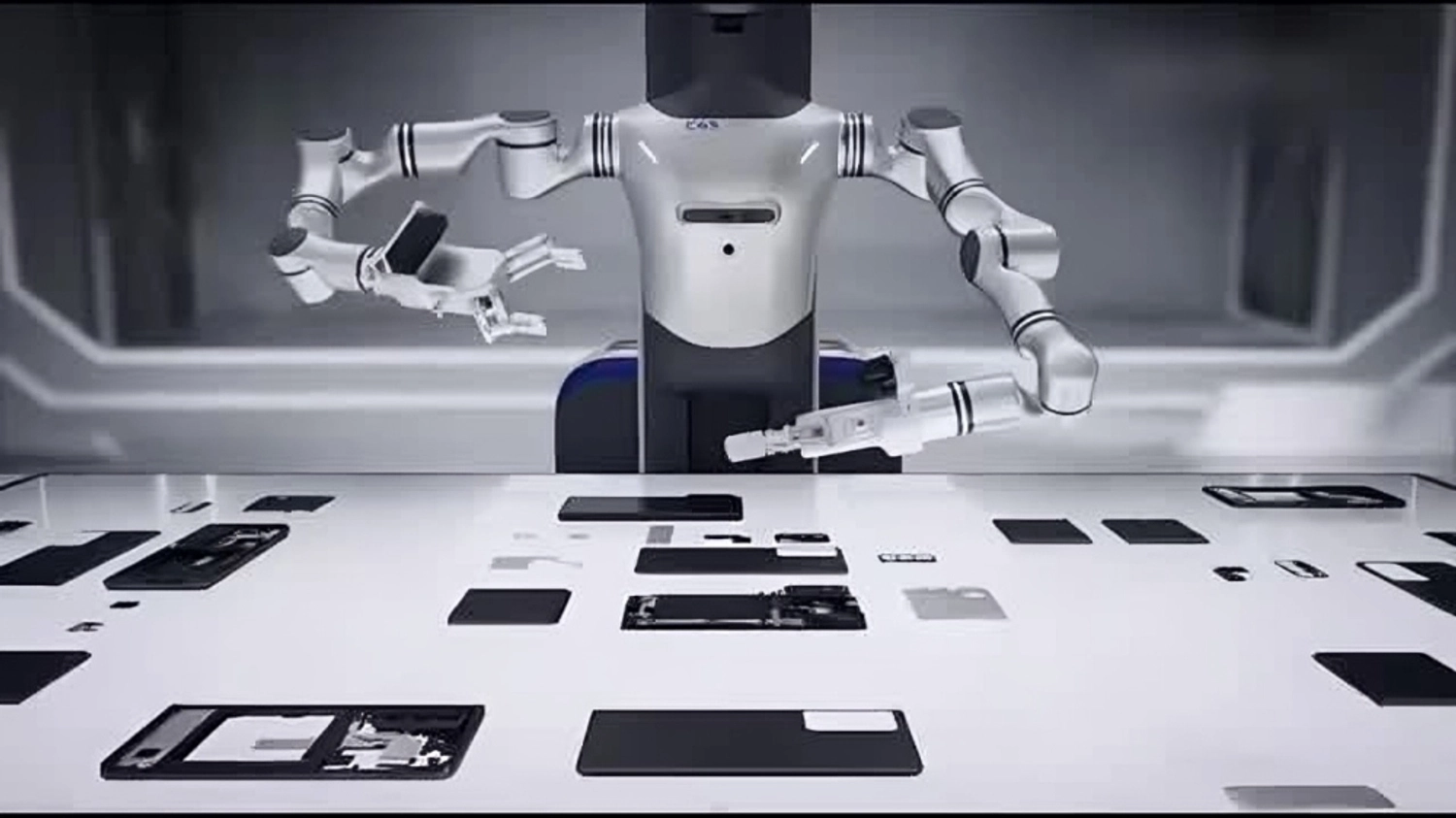
Equipped with dual arms and 2-finger gripping claws, CASIVIBOT excels at natural object handling, from passing medications to assisting with mobility aids. Its 14 degrees of freedom enable fluid, human-like motions that outperform single-arm rivals in collaborative settings. Recent trials highlighted its ability to adapt to varied tasks on the fly, leveraging machine learning for precise pick-and-place operations in cluttered hospital rooms. This dexterity disrupts traditional service bots, offering caregivers a reliable partner for hands-on support.
Vision Tech Redefines Safety
CasiVision's computer vision prowess powers CASIVIBOT's indoor navigation, combining LiDAR and depth sensors for real-time obstacle avoidance amid dynamic crowds. Engineering advances in SLAM technology ensure it maps complex hospital layouts with pinpoint accuracy, even during peak hours. In February 2026 demos, the robot navigated tight corridors while maintaining safe distances from staff and patients, achieving flawless path planning. These breakthroughs minimize collision risks, enabling confident deployment in high-stakes environments.
Deployment Wins Real Impact
Healthcare teams leverage CASIVIBOT for hospital deliveries, patient guidance, and office support, freeing personnel for critical care. In European trials last month, it cut delivery times by 40 percent in oncology wards, while North American sites used it for research lab assistance. Commercial guidance features help visitors find departments effortlessly, enhancing overall efficiency. As a wheeled humanoid platform, it supports extended shifts, proving its value in sustaining 24/7 operations without fatigue.
Skills Power Interactions
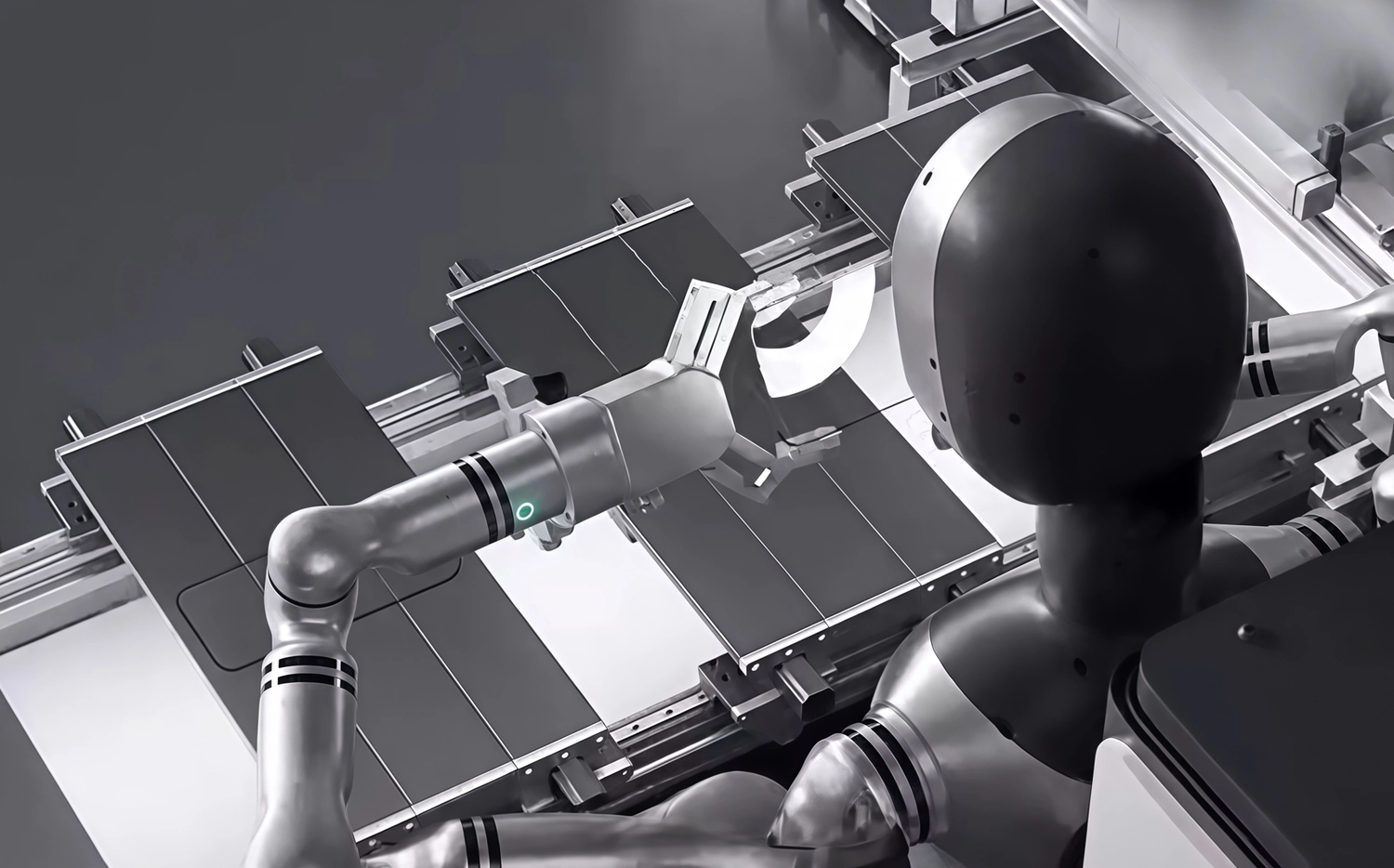
CASIVIBOT's skill architecture frames its 140 x 50 x 40 cm frame and 55 kg build for agile human collaboration, with 3.5 km/h speed enabling smooth ward patrols. Advanced sensors like 1080p RGB cameras, 3D depth tools, base LiDAR, and smart vision drive dexterous grasping of tools or equipment up to 15-25 kg per arm. The Linux/ROS environment fuels learning-based interactions, while a 48V lithium-ion battery sustains 8-hour sessions. Wheeled mobility and safety protocols empower natural assistance in healthcare, research, and guidance roles.
Rivals Edge Examined
| Robot | Key Advantage | Where CASIVIBOT Wins | Target Use |
|---|---|---|---|
| AlphaBot 2 | Compact lab navigation | Superior dual-arm payload (15-25 kg) | Research labs |
| TIAGo Pro | Modular sensor swaps | Advanced vision for crowd avoidance | Hospital delivery |
| Mirokaï | Affordable base mobility | 8-hour runtime, zero-incident safety | Office support |
| Hobbs W1(Guidance Expert) | Precise indoor mapping | Humanoid dexterity for object handling | Patient guidance |
Explore Humanoids

Related Articles

Alter 3 Redefines Robotic Expression Through GPT-4 Integration and Live Performance Demonstrations

E1 Wins Gold with 1.25m Long Jump at UN Forum Feb 2026
SoftBank Unveils Pepper+ AI Robot February 2026
Tokyo Robotics Torobo Demonstrates Precision Tasks at Tokyo Security Show March 2026
Related Comparisons
Compare CASIVIBOT with similar robots
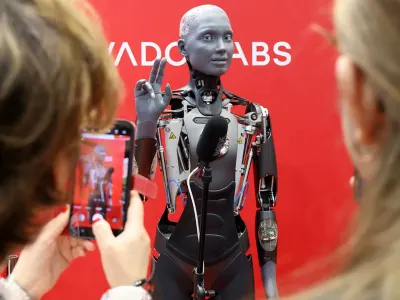

Ameca vs Moya
Which humanoid robot is better? Ameca vs Moya compared for dexterity, AI capabilities, and price.
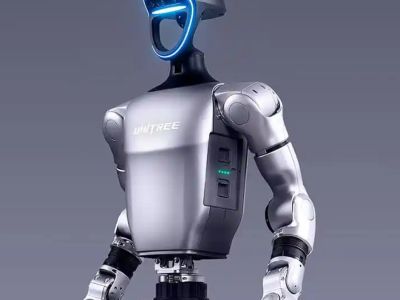
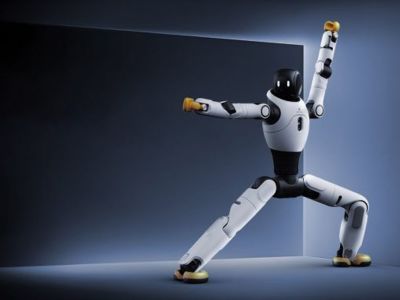
Unitree G1 vs AgiBot X2-N
Compare Unitree G1 vs AgiBot X2 for humanoid mobility, dexterity, autonomy, and payload capacity.
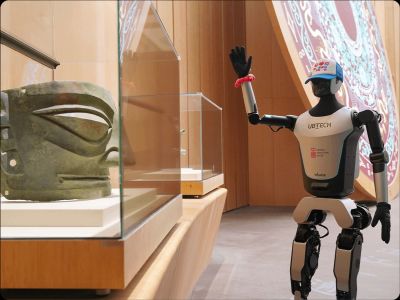
Walker C vs Cruzr S2
In-depth comparison of Walker C and Cruzr S2, covering hardware capabilities, teleoperation, and enterprise readiness.
Figure 03 vs Optimus Gen 3
In-depth comparison of Figure 03 and Optimus Gen 3, covering hardware capabilities, teleoperation, and enterprise readiness.
Learn More About This Robot
Discover detailed specifications, reviews, and comparisons for CASIVIBOT.
View Robot Details →