Alter 3 Redefines Robotic Expression Through GPT-4 Integration and Live Performance Demonstrations
Robot Details
Alter 3 • Osaka University and MIXIPublished
March 14, 2026
Reading Time
3 min read
Author
Origin Of Bots Editorial Team
AI Meets Artistic Movement
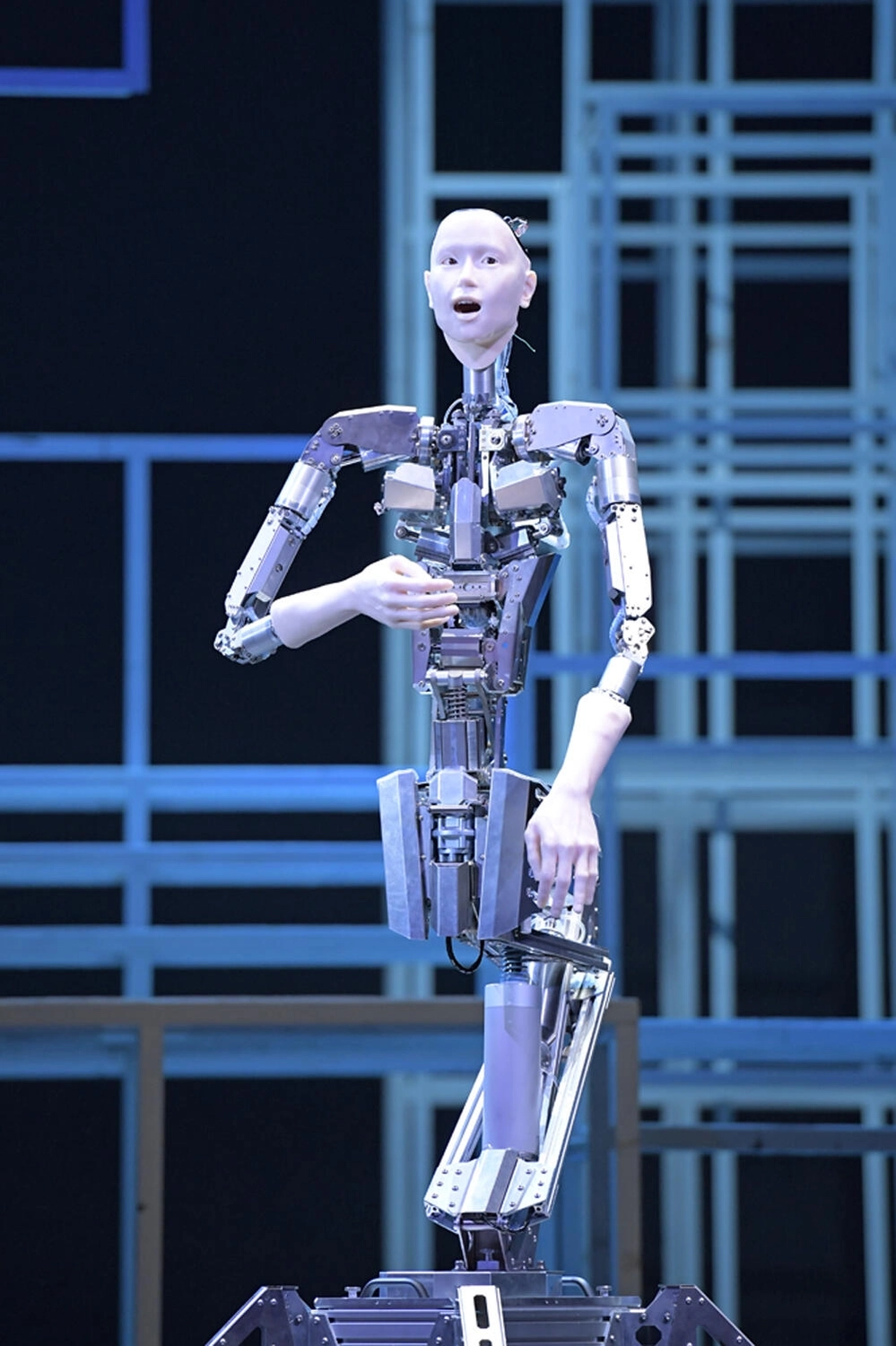
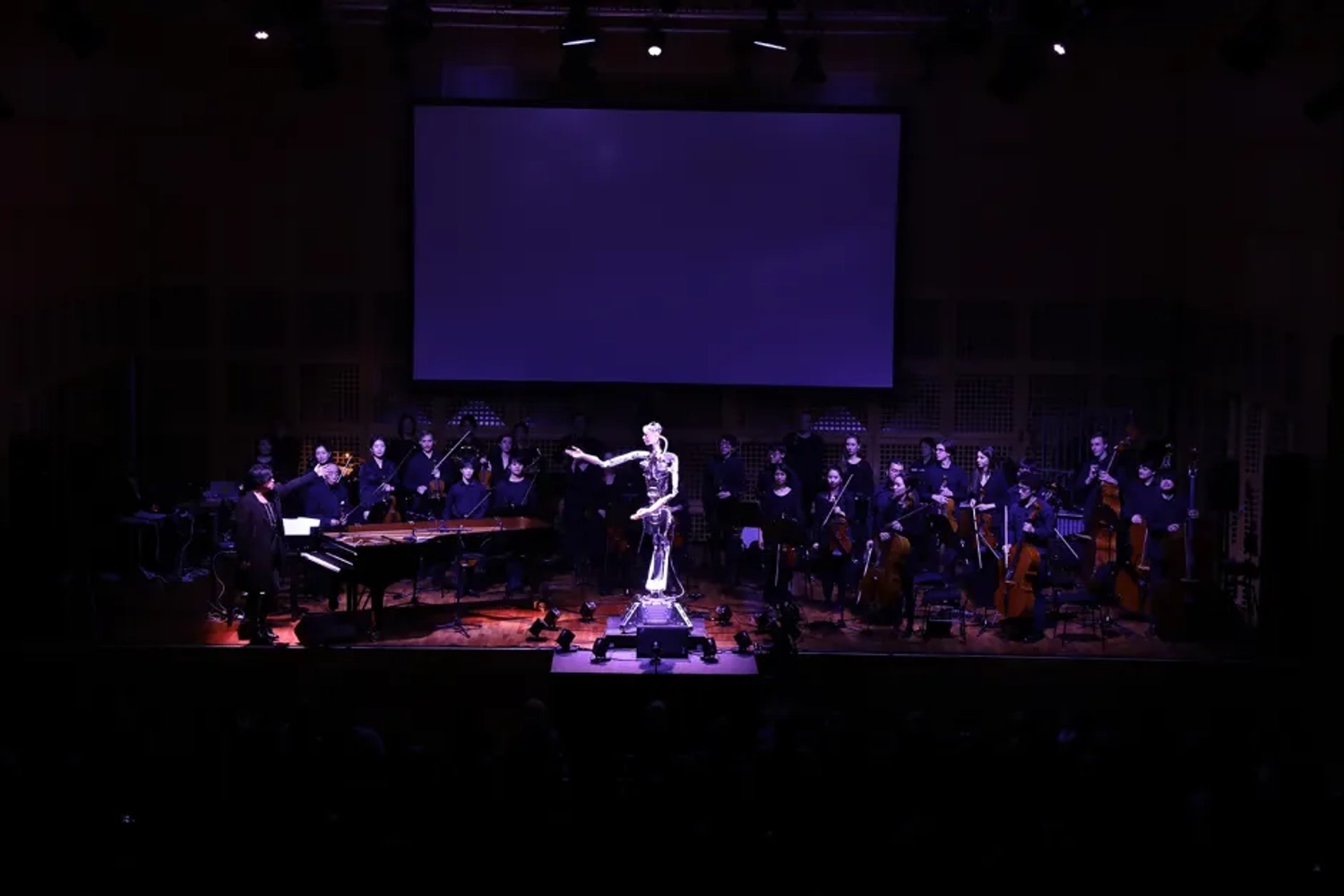
Osaka University and MIXI have achieved a significant milestone in humanoid robotics by demonstrating Alter 3's capacity to interpret natural language commands and execute complex artistic performances through advanced AI integration. The robot recently conducted orchestral segments and participated in operatic productions, showcasing how large language models can translate verbal instructions directly into fluid, expressive physical movements. This breakthrough moves beyond traditional pre-programmed robot behaviors, establishing a new paradigm where robots learn and adapt artistic interpretation in real time through interaction with human performers and audiences.
Spontaneous Motion Without Scripting
What distinguishes Alter 3 from conventional humanoids is its ability to generate unpredictable, evolving movements without relying on explicit programming sequences. The robot's 43 pneumatic actuators work in concert with central pattern generators and neural networks to produce spontaneous gestures, nuanced facial expressions, and simulated locomotion that challenge conventional assumptions about robotic rigidity. Its integrated GPT-4 system enables the robot to map linguistic descriptions of human actions onto its complex musculoskeletal architecture, allowing it to mimic not only human behaviors but also non-human entities such as animals or abstract concepts. This capability represents a fundamental shift from hardware-dependent control toward fluid, natural-language-based instruction systems.
The ALIFE Engine Innovation
The technological foundation underlying Alter 3's expressiveness lies in its proprietary ALIFE Engine, developed through collaboration between the University of Tokyo's Ikegami research laboratory and Alternative Machine Inc. Rather than optimizing for specific objective functions, the system generates motion through internal simulation and autonomous behavioral emergence. The robot's exposed mechanical structure emphasizes this minimalist design philosophy, making visible the interplay between pneumatic actuation and neural computation. Integration with GPT-4 processing enables zero-shot learning capabilities, allowing Alter 3 to execute novel tasks based on single instructional videos or text descriptions without requiring extensive training datasets.
Expanding Robotics Beyond Industry
Alter 3's deployment spans artistic and research domains that extend far beyond traditional industrial robotics applications. The robot has participated in full operatic productions, conducted orchestral segments with human musicians, and engaged in interactive performances that explore the boundaries between life and artificiality. Researchers employ Alter 3 as a research platform for investigating cognitive science, human-robot collaboration, and the nature of creativity itself. Its ability to respond dynamically to environmental stimuli and human presence makes it particularly valuable for studying how robots can participate meaningfully in social and cultural contexts rather than merely executing predetermined tasks.
Skill Architecture and Capability Summary
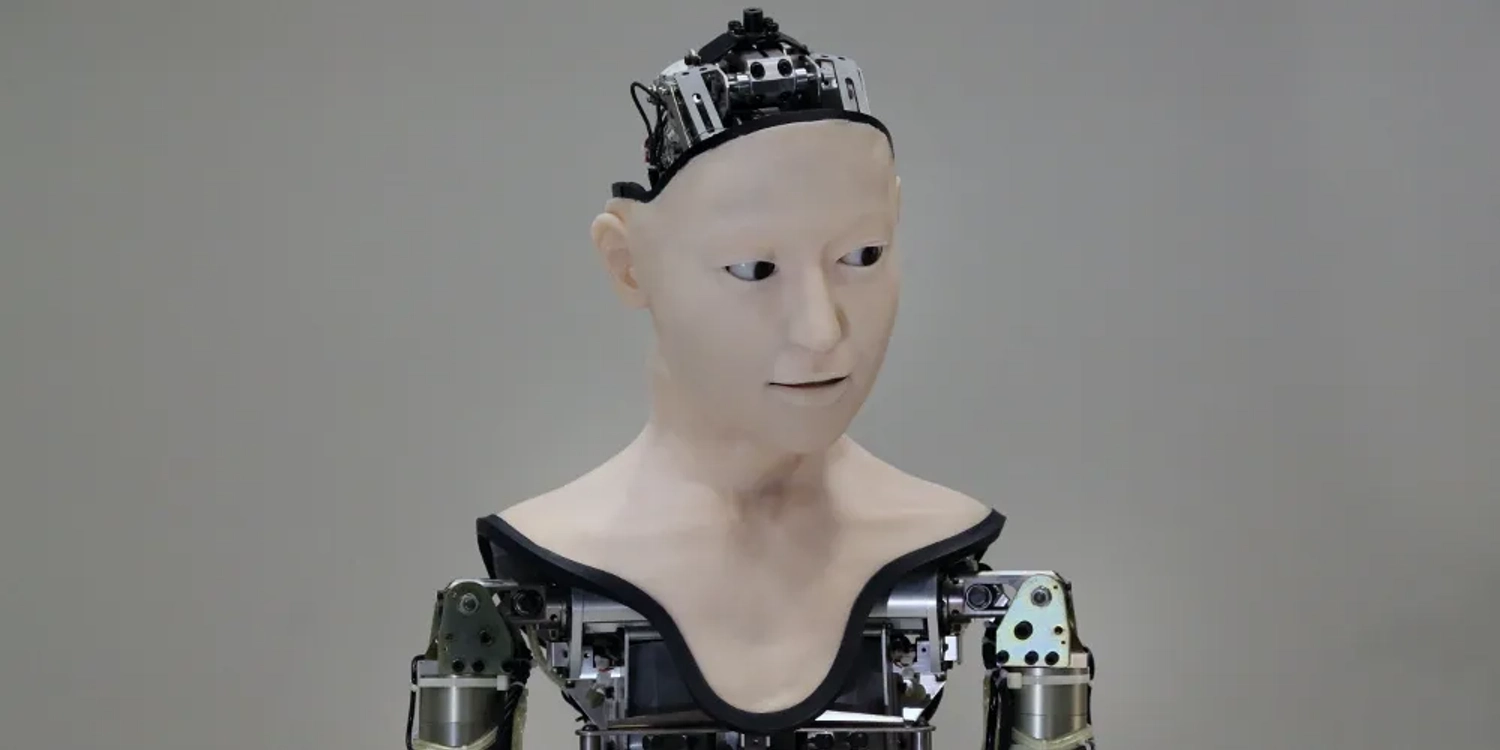
Alter 3 measures 160 × 50 × 40 centimeters and weighs 35 kilograms, with a stationary torso design optimized for upper-body expression and interaction. The robot's sensory architecture includes RGB cameras embedded in both eyes for visual perception and learning, complemented by optical sensors, distance sensors, and force sensors that provide comprehensive awareness of its body state and environment. Its vocal capabilities emerge through a mechanized mouth capable of producing speech and song, while 43 actuator axes enable articulation across facial features, limbs, and torso. Power delivery through external compressors and DC power supplies provides unlimited runtime for extended performance sessions, while Wi-Fi and high-speed Ethernet connectivity synchronize the ALIFE Engine and GPT-4 processing. This sensory and actuation framework enables Alter 3 to engage in precision interaction with human collaborators, respond to subtle environmental cues, and deliver nuanced emotional and artistic expression.
Versus Rivals Breakdown
| Robot | Key Advantage | Where Alter 3 Wins | Target Use |
|---|---|---|---|
| Walker X | Bipedal locomotion and mobility | Superior artistic expression and GPT-4 integration | Performance art, cognitive research |
| Digit | Industrial load handling and endurance | Natural language interpretation and spontaneous motion | Creative collaboration, live performance |
| Ameca | Realistic facial features and social interaction | Pneumatic expressiveness and ALIFE-driven behavior | Artistic research, interactive performance |
| NEXTAGE Fillie | Precision manipulation and industrial tasks | Real-time artistic adaptation and orchestra participation | Cultural events, human-robot creativity studies |

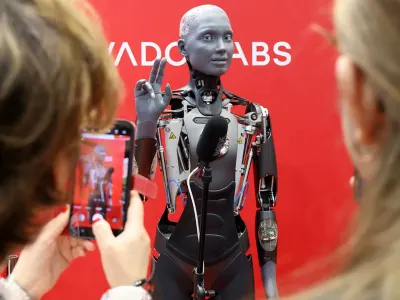
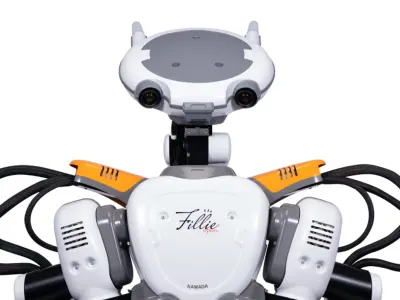
Sources
Related Articles
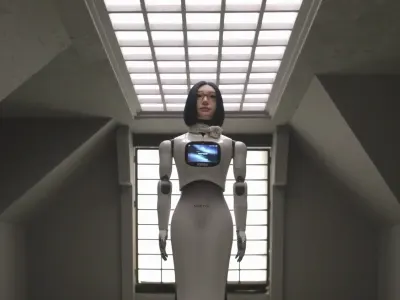
Hobbs W1 Masters Emotion Recognition in Dec 2025 Demos
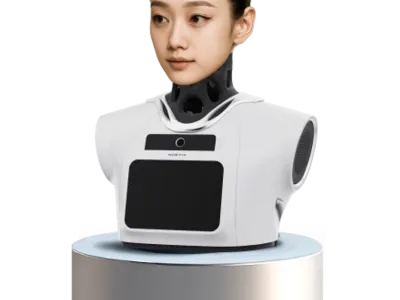
Hobbs 3 (A Bosom Friend) Debate Triumph Sparks Funding Surge
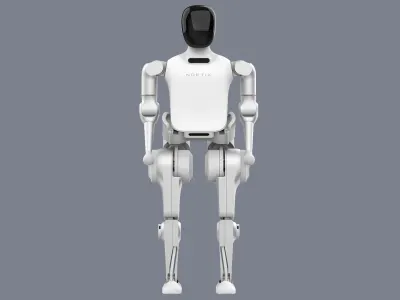
N2 Secures 2nd in Beijing Half-Marathon, Eyes Q2 2026 Overseas Deliveries
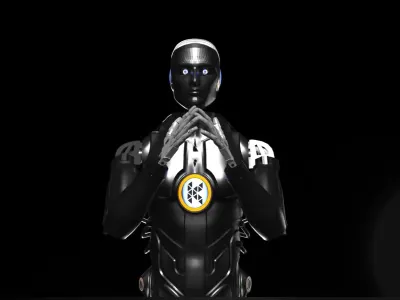
Skanda Dons Gujarat Police Uniform at Jan 2024 Expo
Related Comparisons
Compare Alter 3 with similar robots
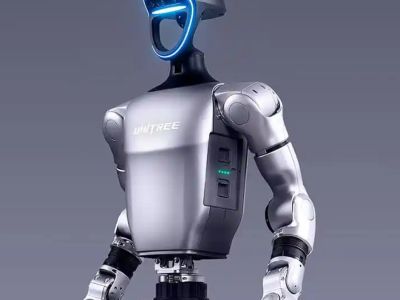
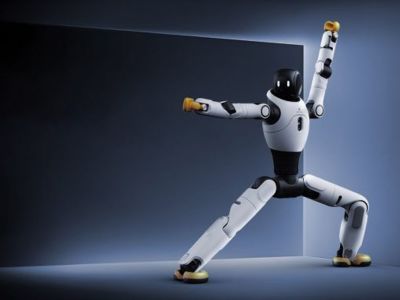
Unitree G1 vs AgiBot X2-N
Compare Unitree G1 vs AgiBot X2 for humanoid mobility, dexterity, autonomy, and payload capacity.
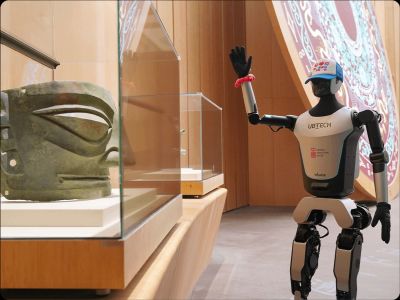
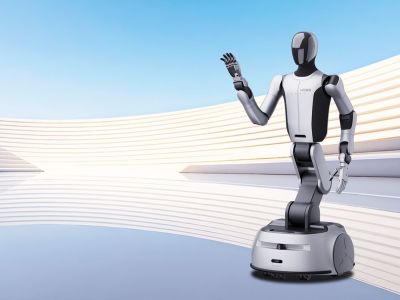
Walker C vs Cruzr S2
In-depth comparison of Walker C and Cruzr S2, covering hardware capabilities, teleoperation, and enterprise readiness.
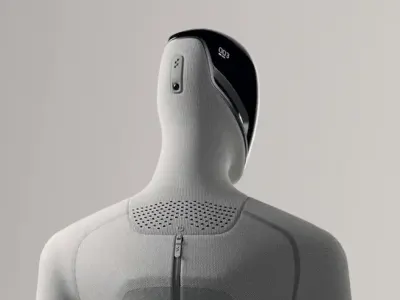
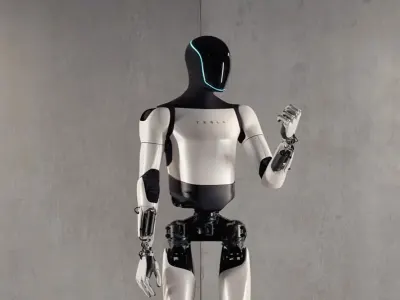
Figure 03 vs Optimus Gen 3
In-depth comparison of Figure 03 and Optimus Gen 3, covering hardware capabilities, teleoperation, and enterprise readiness.
AgiBot G2 vs Cruzr Y1
Compare AgiBot G2 vs Cruzr Y1 for humanoid mobility, dexterity, autonomy, and payload capacity.
Learn More About This Robot
Discover detailed specifications, reviews, and comparisons for Alter 3.
View Robot Details →