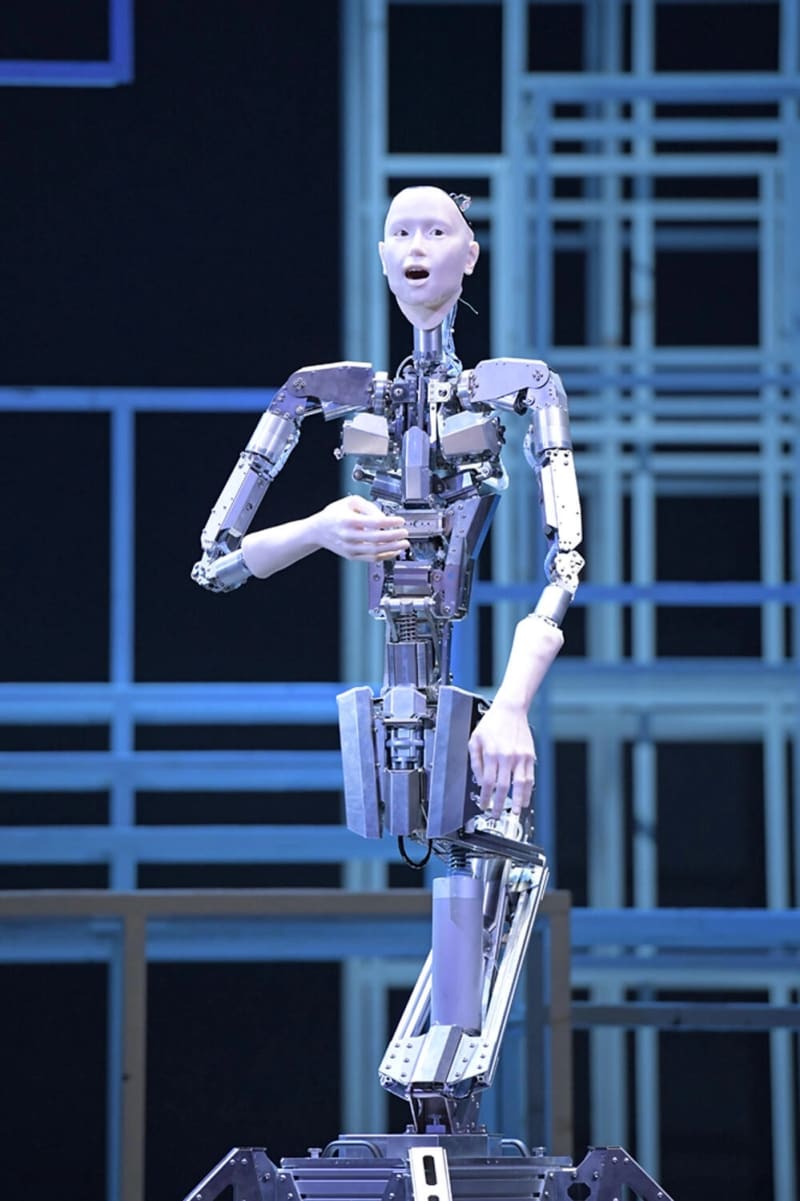
Alter 3
AI ChatLast updated:
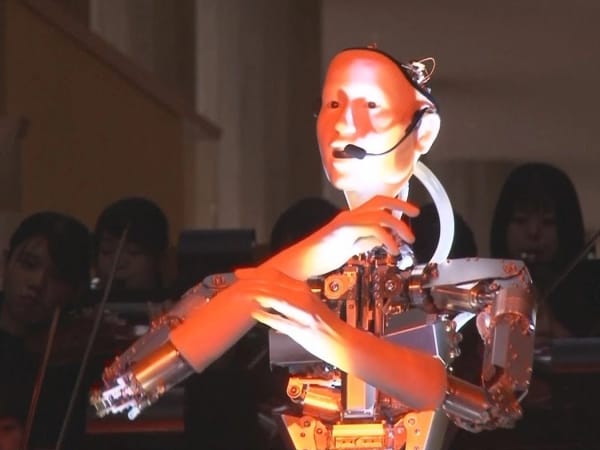
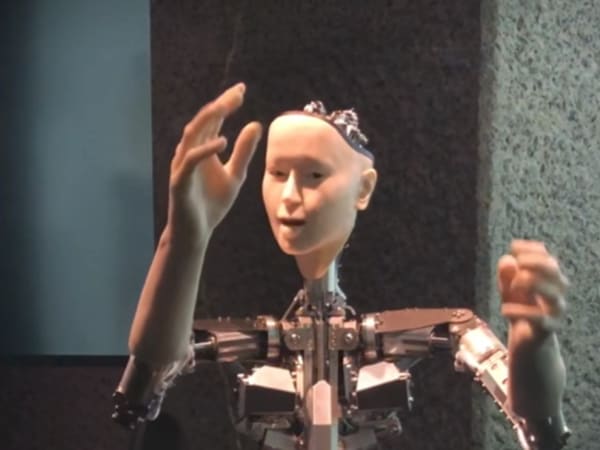
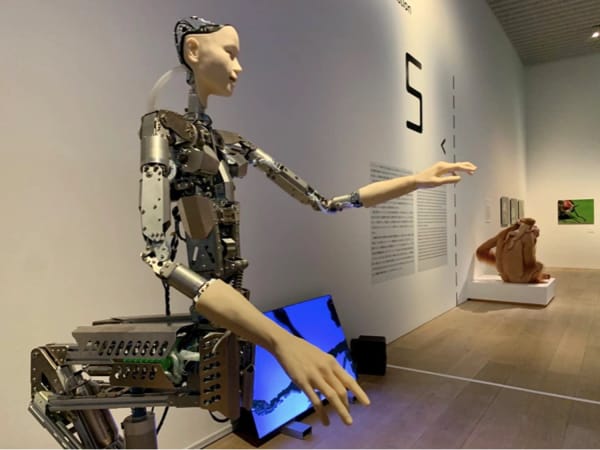
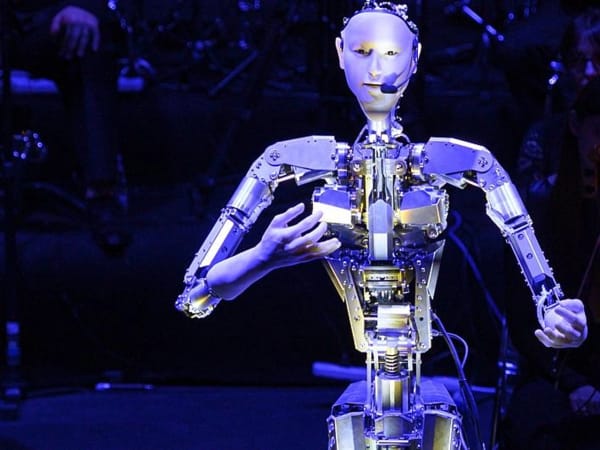
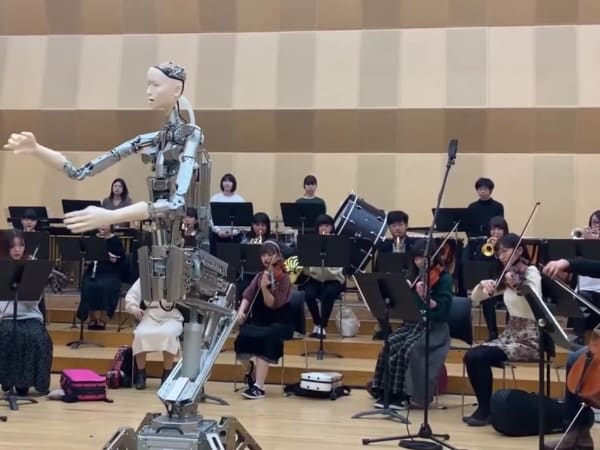
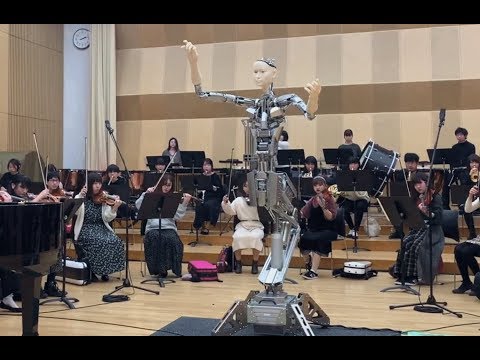
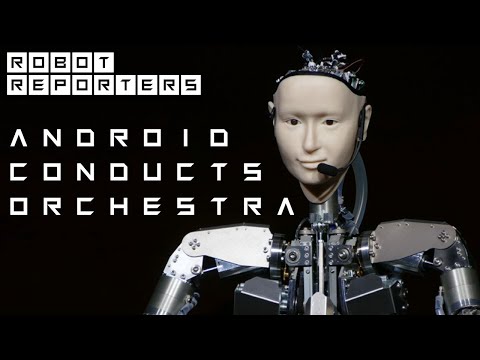
Alter 3 is an advanced humanoid robot engineered for exploring artificial life, expression, and human-robot interaction through dynamic, autonomous movements. Featuring 43 pneumatic actuators, it generates spontaneous gestures, facial expressions, and simulated locomotion like walking or running without bipedal mobility. Integrated with GPT-4 for interpreting verbal instructions into physical actions, it mimics human behaviors, emotions, and even non-human entities such as ghosts or animals. Equipped with eye cameras for visual learning and a vocal mouth for sound production, Alter 3 excels in artistic performances, including orchestra conducting and opera participation. Its exposed mechanical structure emphasizes minimalism, using central pattern generators and neural networks for unpredictable, evolving interactions that challenge perceptions of life and creativity in robotics.
Quick Overview & Key Facts
Alter 3 is a humanoid robot made by Osaka University and MIXI in Japan, launched in 2020 and built for artistic performances, orchestra conducting, and opera. Featured in “Alter 3 Redefines Robotic Expression Through GPT-4 Integration and Live Performance Demonstrations”.
- Dimensions
- 160 x 50 x 40 (cm)
- Weight
- 35 kg
- Mobility
- Non-ambulatory/Fixed torso
- Top speed
- 0 km/h (non-ambulatory)
- Handles
- Precision instruments, people interaction
- Sensors
- RGB cameras in eyes, optical sensors, distance sensors, force sensors
- Operating environment
- Indoor
What Can Alter 3 Do?
Core operational tasks and activities demonstrated or performed by Alter 3.
Real-World Applications of Alter 3
Industries, working environments, and deployment suitability for Alter 3.
Alter 3 Capabilities
Inherent physical, perceptual, and cognitive abilities built into Alter 3.
Download Media Cards
Story CardExport high-resolution story cards summarizing Alter 3's operational tasks, real-world applications, and capabilities.
Image Gallery
Below images are from Osaka University and MIXI's official sources
Review Videos
Watch expert reviews and demonstrations of this robot
Robot Specifications
Values without a Confirmed badge are compiled from public sources and may not be manufacturer-verified.
Not yet published by Osaka University and MIXI: warranty terms, safety certifications, EMC compliance, IP rating, noise level, expected lifespan, maintenance schedule, firmware version and 5 more.
Robot Timeline
Key milestones in this robot's development and rollout
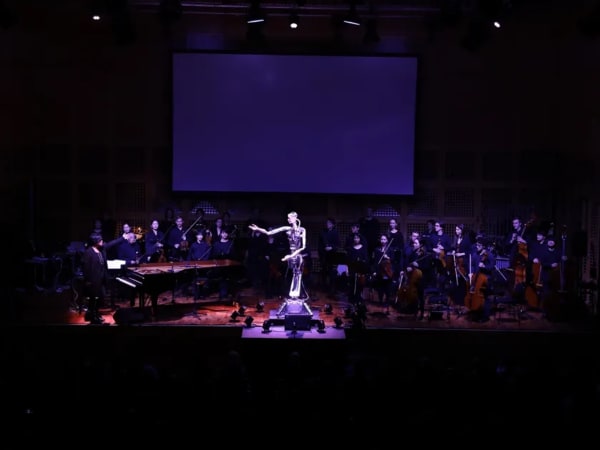
Alter 3, built by Osaka University's Hiroshi Ishiguro and Tokyo University's Takashi Ikegami with MIXI, conducts a symphony orchestra in Tokyo.
Source: Euronews ↗
Latest News About Alter 3
Stay updated with the latest articles and developments
More Humanoid Robots
Discover more robots in the same category


Robots From Other Categories
Discover complementary robots from different categories that work well together

Frequently Asked Questions
Get answers to common questions about this robot
Q1. What is Alter 3, and what problem is it designed to solve?
Alter 3 is a humanoid robot developed by Osaka University in collaboration with Alternative Machine and MIXI. It is designed to investigate human reactions to autonomous robots, exploring concepts of expression, social interaction, and the nature of life through non-humanoid forms.
Q2. What are the main capabilities and key features of Alter 3?
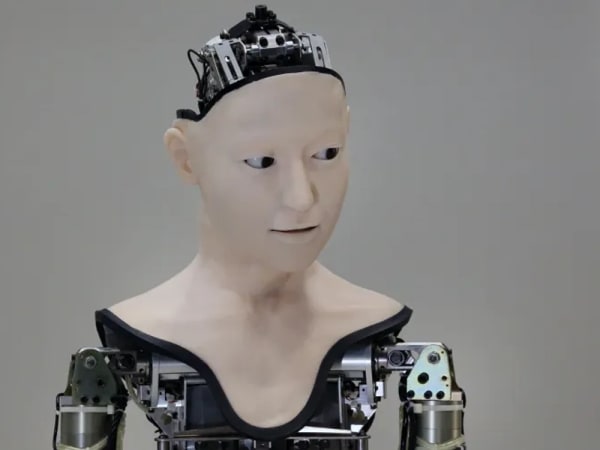
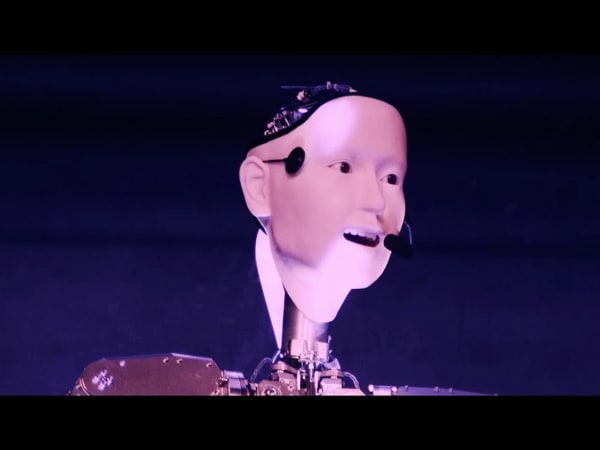
Alter 3 features cameras in its eyes for visual perception, a mouth capable of sound production, and spontaneous movements generated by a central pattern generator and neural network. It supports imitation of human poses, self-simulation, and integration with large language models for motion from verbal instructions.
Q3. Who is Alter 3 built for, and which industries can benefit from it?
Alter 3 is developed for research into artificial life and human-robot interaction. It has been used in performing arts, such as orchestra conduction, and studies on communication, benefiting academic research and entertainment sectors.
Q4. Is Alter 3 a commercial product or still a research prototype?
Alter 3 remains a research platform focused on artificial life studies. According to Alternative Machine, it is the third generation in a line pursued jointly with Osaka University to explore autonomy and life-like behaviors.
Q5. Is Alter 3 currently available for purchase, and when is it expected to ship?
As of 2026, Alter 3 is not listed as commercially available for purchase. It functions as a research tool, with no announced shipping timelines for general distribution.
Q6. How does Alter 3 actually work in real-world environments?
Alter 3 uses optical and distance sensors to react to people and surroundings, generating movements via real-time neural dynamics and memory of prior actions. It has demonstrated capabilities in live performances, such as conducting orchestras by interpreting music into gestures.
Q7. When was Alter 3 announced or officially launched?
Alter 3 was introduced as the third generation of the Alter series around 2020. It gained attention for conducting an orchestra at the New National Theater in Tokyo that year.
Q8. How is Alter 3 different from other robots in the same category?
Unlike humanoid robots mimicking human appearance fully, Alter 3 exposes much of its machinery with prosthetic skin limited to face, neck, and arms. Its movements arise from central pattern generators and neural networks rather than pre-programmed sequences.
Q9. Does Alter 3 require additional development or customization after purchase?
As a research platform, Alter 3 involves ongoing software development, including its ALIFE Engine and operating system by Alternative Machine. Customization is typical for research applications adapting to specific interaction studies.
Q10. What is the future roadmap or planned upgrades for Alter 3?
The project aims to advance understanding of robot autonomy through external interactions. Alternative Machine has indicated potential enhancements in self-modeling and verbal feedback for motion refinement, targeting broader applications in human communication.
Rating and Reviews
Share your experience and help others decide!
Loading...
User Reviews
No user reviews. Be the first one to review!
User Comments (No Login needed)
Share your thoughts, experiences, or questions about this robot.
Comments appear after moderator review.