E1 Wins Gold with 1.25m Long Jump at UN Forum Feb 2026
Robot Details
E1 • Noetix RoboticsPublished
March 14, 2026
Reading Time
2 min read
Author
Origin Of Bots Editorial Team
Gold Leap Triumph
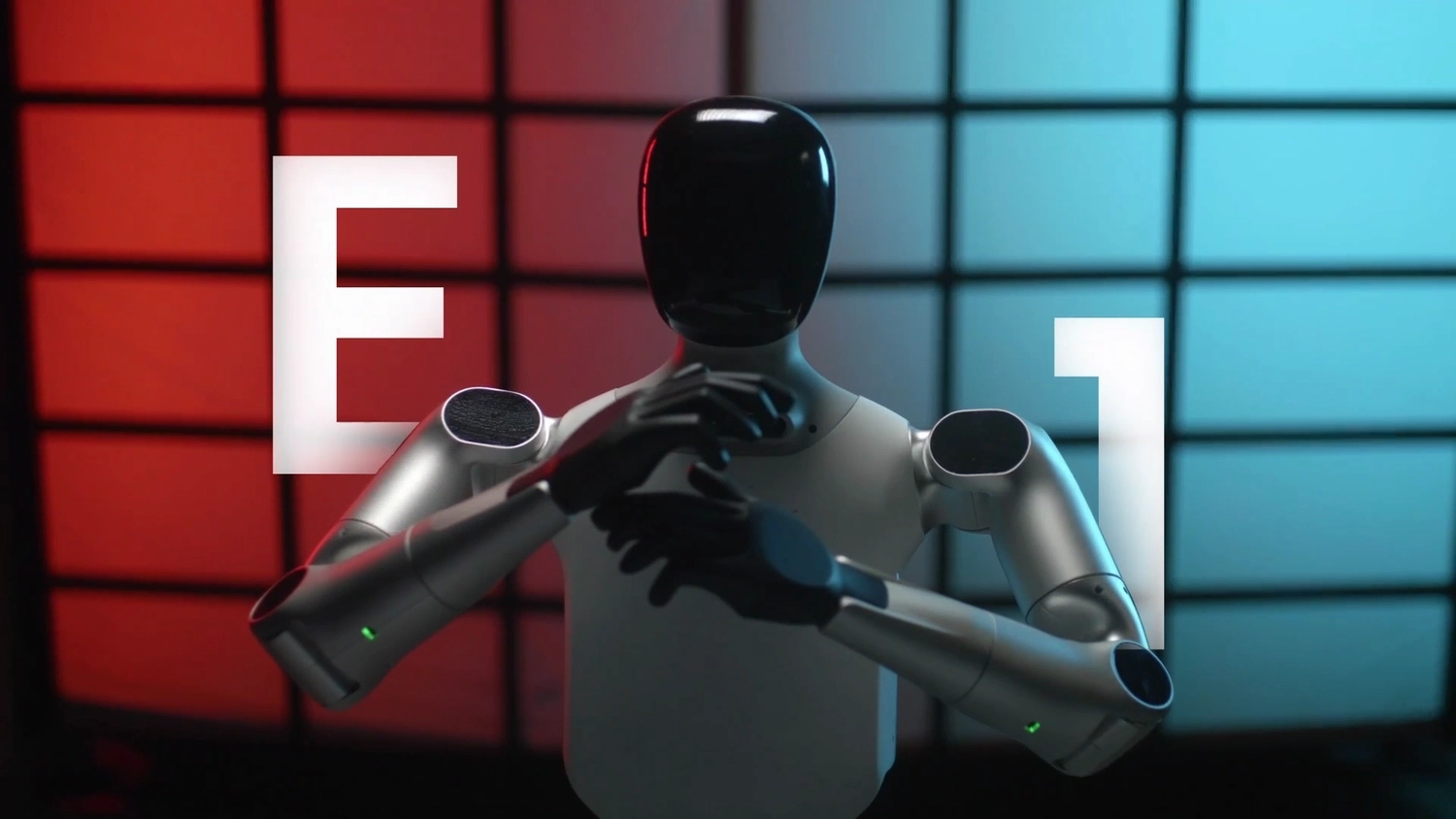
Noetix Robotics' E1 humanoid robot secured a gold medal in the standing long jump, achieving a remarkable 1.25-meter distance at the Global Humanoid Robotics Games in February 2026. This victory highlights the robot's athletic prowess amid intense competition across nine events, where Noetix entered both the compact N2 and the versatile E1. The win underscores E1's ability to execute precise, powerful movements, positioning it as a frontrunner in dynamic humanoid performance and inspiring fresh optimism for embodied AI in physical challenges.
Athletic Prowess Shines
E1's success stems from its seamless integration of multi-modal AI, which synchronizes speech, facial expressions, and body gestures for responsive interactions. During the games, this enabled fluid execution of jumps and routines, outpacing rivals in agility trials. Engineers at Noetix emphasize how 21 degrees of freedom, including extended arms and waist flexibility, allow E1 to mimic human-like torque and balance, transforming research prototypes into competition-ready machines that engage audiences through expressive, low-latency responses.
Engineering Leaps Forward
Breakthroughs in motion control algorithms empower E1 to navigate uneven terrain like grass, slopes, and steps with stability, directly contributing to its long jump dominance. Modular expansions, such as dexterous hands and advanced arms, support a 5 kg payload per arm, enabling complex maneuvers under pressure. This engineering advances real-time perception and adaptability, redefining how bipedal robots handle high-stakes athletic demands while maintaining energy efficiency through a 48V low-power system.
Interaction Roles Expand
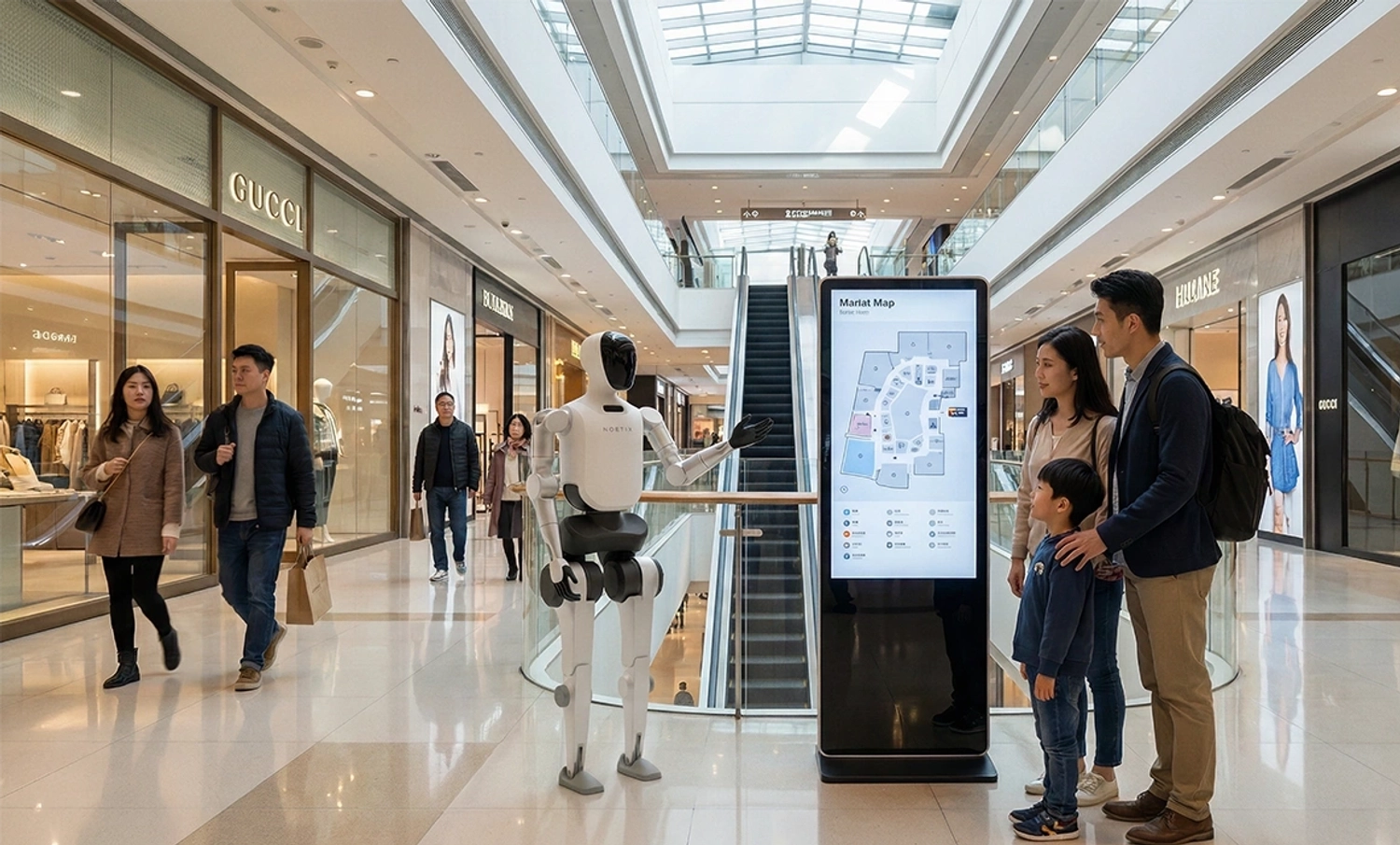
Beyond competitions, E1 deploys in athletic robotics research, STEM classrooms, and human-robot collaboration studies, where its emotional engagement fosters deeper learning. Recent trials demonstrate its role as a commercial guide, delivering packages or precision tools with natural gait. These applications showcase E1 disrupting traditional robotics by prioritizing empathetic interactions, such as multilingual dialogues and gesture recognition, to enhance educational outcomes and workplace efficiency.
Skill Architecture Summary
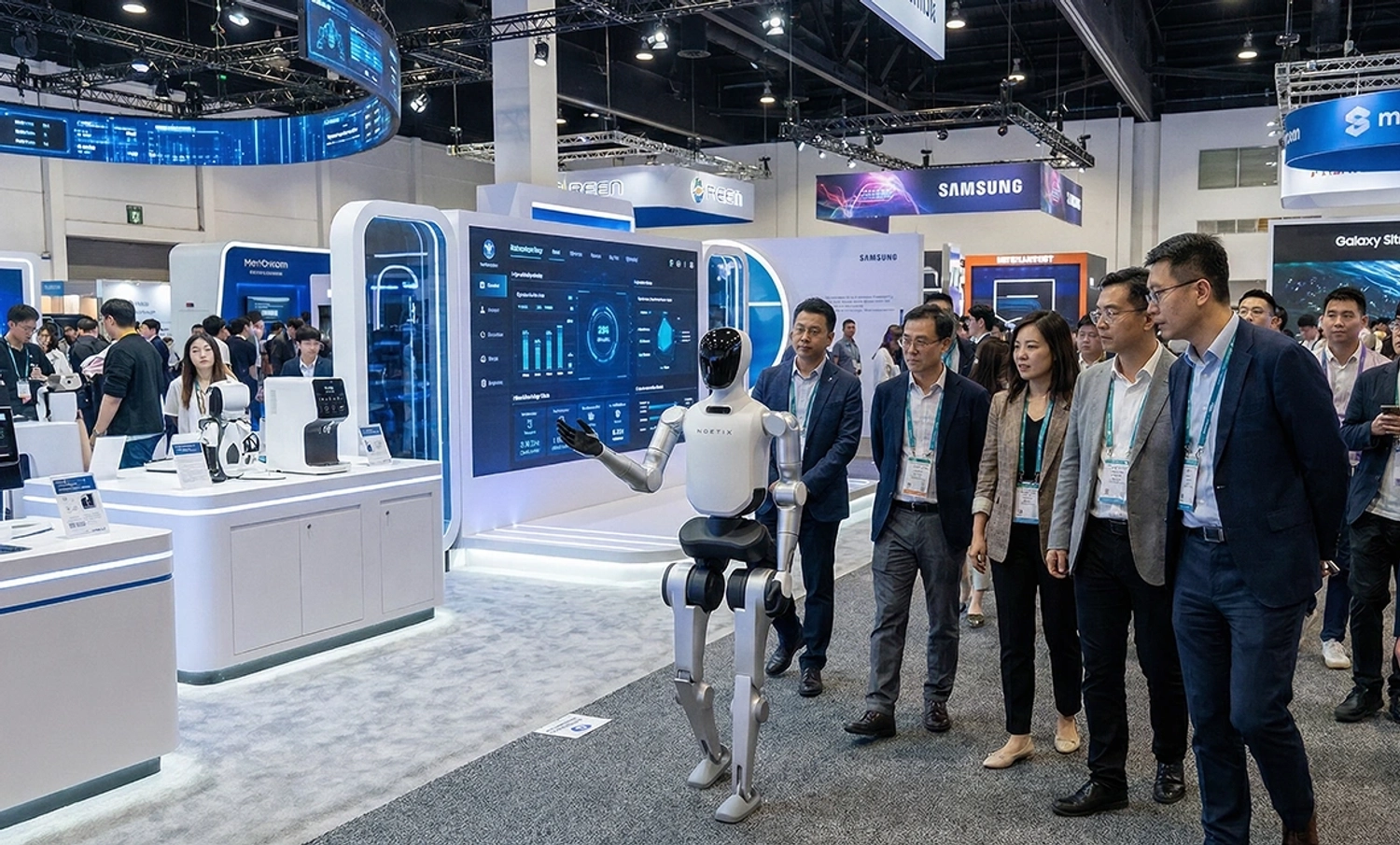
E1's dual depth cameras, IMU, and joint torque encoders enable precise environmental mapping via visual and indoor SLAM, powering dexterous handling of tools, packages, or instruments during extended human interactions. Bipedal mobility at 1.2 m/s (4.32 km/h) across 136 x 47 x 29 cm frame and 36 kg build delivers natural walking for collaborative scenarios, backed by force limiting, collision detection, and emergency stops. A proprietary OS with ROS2 compatibility and Python APIs, plus 3-5 year battery life, sustains prolonged sessions in education or research, emphasizing safe, intuitive people partnerships.
Rivals Edge Analysis
| Robot | Key Advantage | Where E1 Wins | Target Use |
|---|---|---|---|
| N2 (Athlete) | 3.2 m/s sprint speed | Superior emotional AI integration | Dynamic demos, flips |
| 4NE-1 Mini | Compact research modularity | Longer battery for interactions | STEM labs, small trials |
| AgiBot Q1 | Affordable precision tools | Bipedal agility in jumps | Package delivery, guides |
| LUS2 | Lightweight terrain adaptation | Expressive gestures, modularity | HRI studies, education |
Related Articles
Hobbs 3 (A Bosom Friend) Debate Triumph Sparks Funding Surge
N2 Secures 2nd in Beijing Half-Marathon, Eyes Q2 2026 Overseas Deliveries
Skanda Dons Gujarat Police Uniform at Jan 2024 Expo

Alter 3 Redefines Robotic Expression Through GPT-4 Integration and Live Performance Demonstrations
Related Comparisons
Compare E1 with similar robots
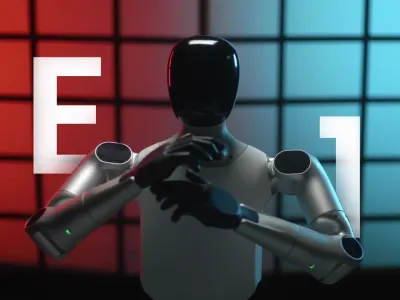
N2 (Athlete) vs E1
Which humanoid robot is better? N2 (Athlete) vs E1 compared for bipedal agility, dexterity, AI autonomy, payload, and research readiness.
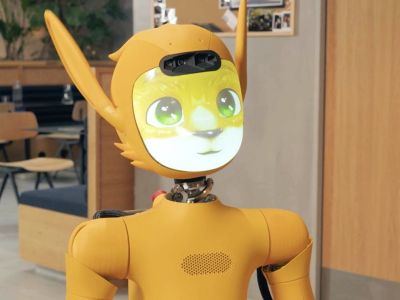

Mirokaï vs Hobbs W1(Guidance Expert)
Head-to-head: Mirokaï vs Hobbs W1(Guidance Expert) compared on bipedal balance, AI learning, dexterity, payload, and real-world service deployment.
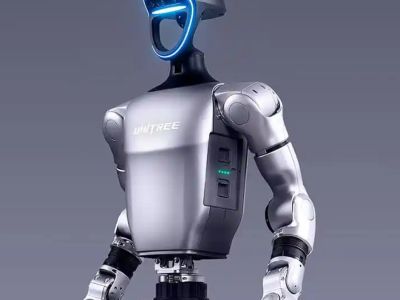
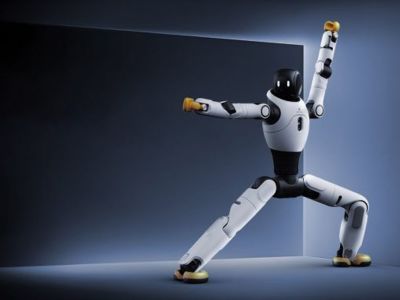
Unitree G1 vs AgiBot X2-N
Compare Unitree G1 vs AgiBot X2 for humanoid mobility, dexterity, autonomy, and payload capacity.
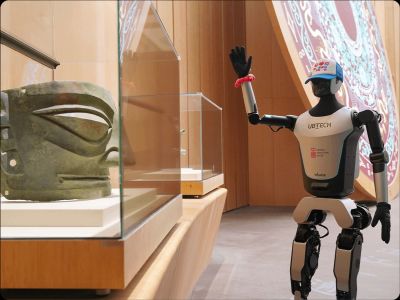
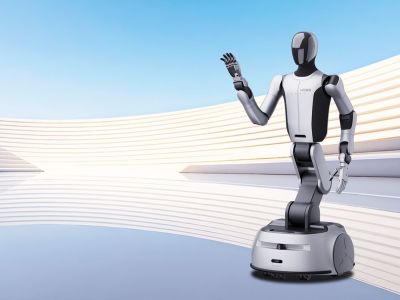
Walker C vs Cruzr S2
In-depth comparison of Walker C and Cruzr S2, covering hardware capabilities, teleoperation, and enterprise readiness.
Learn More About This Robot
Discover detailed specifications, reviews, and comparisons for E1.
View Robot Details →