LEAP Hand V2
Last updated:
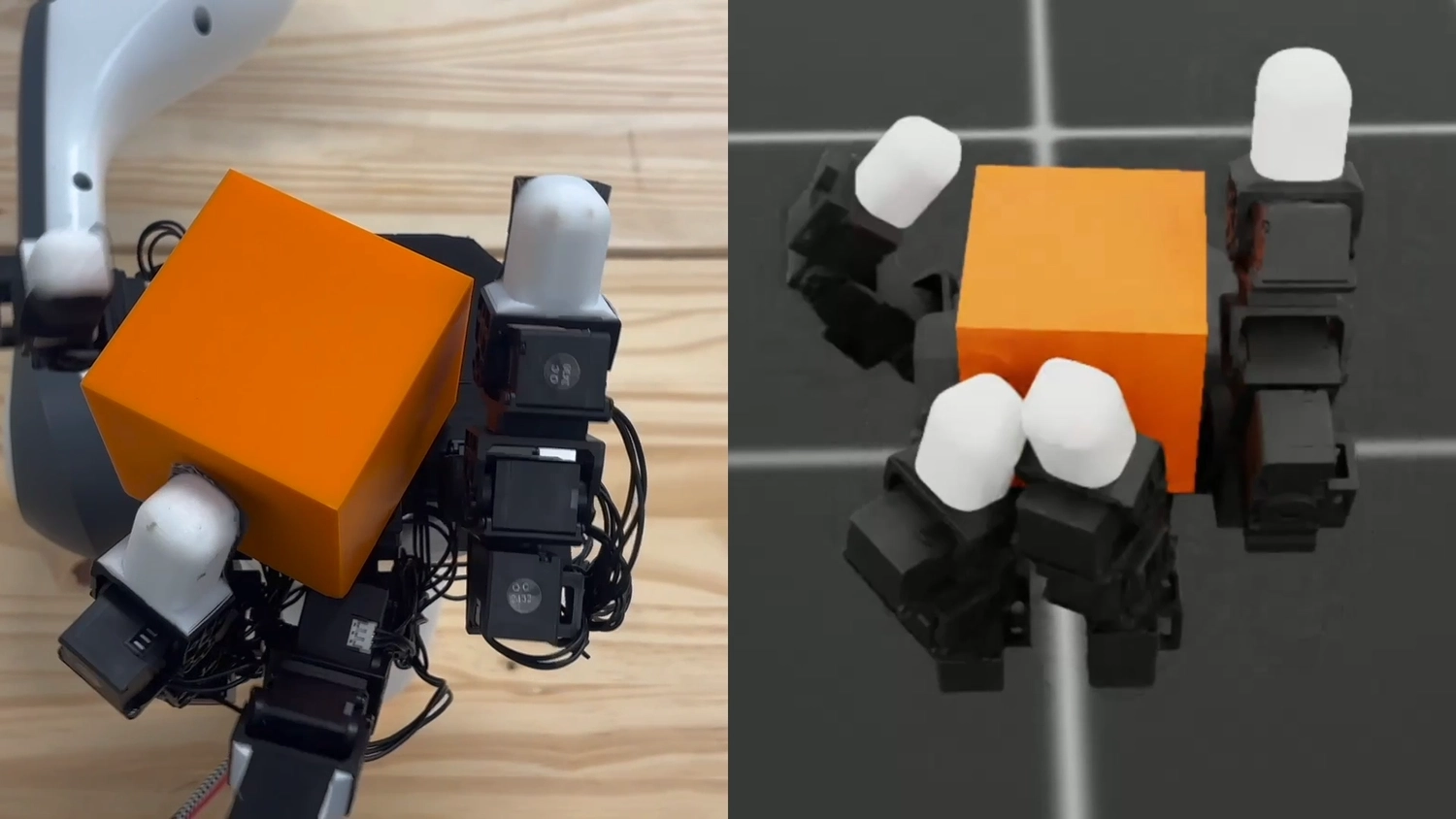
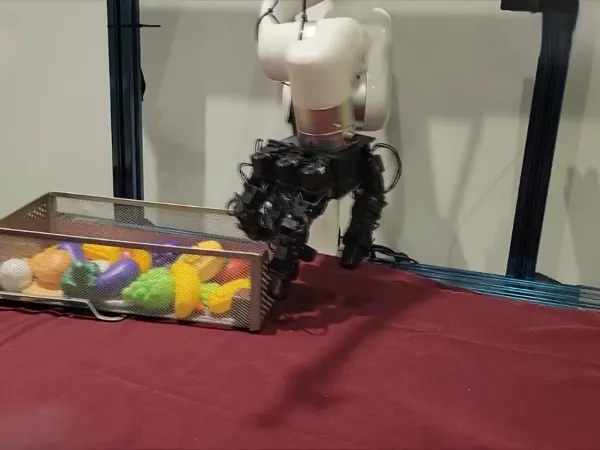
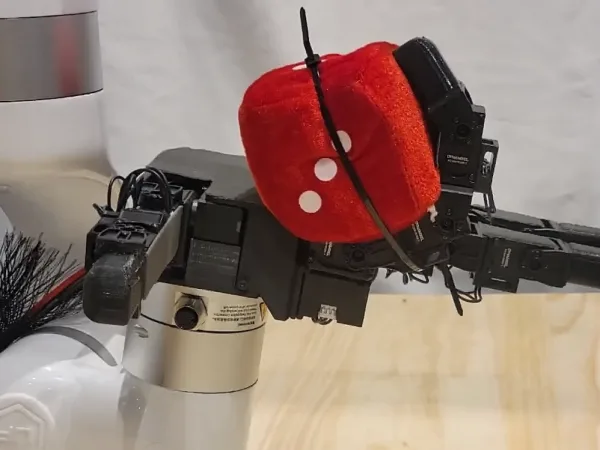
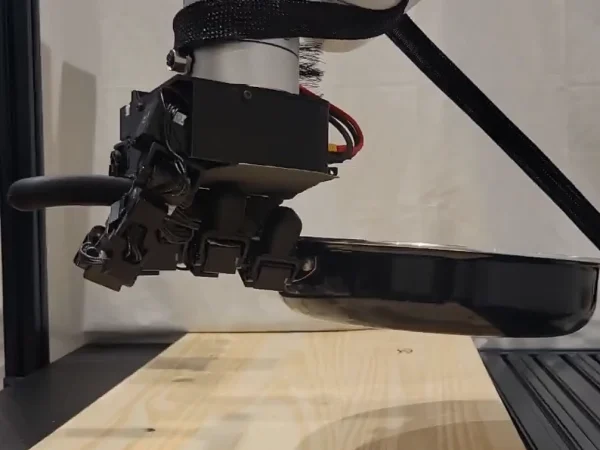
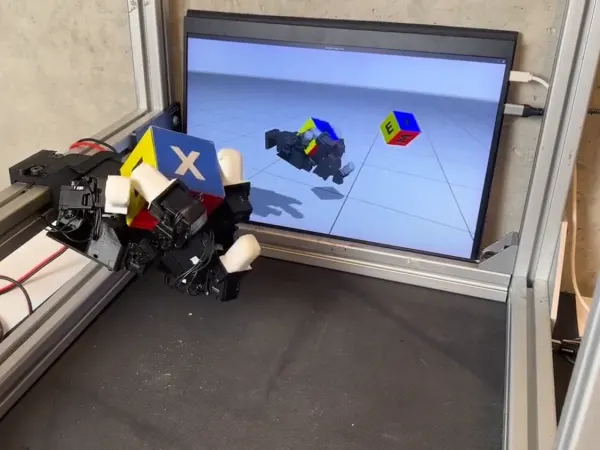
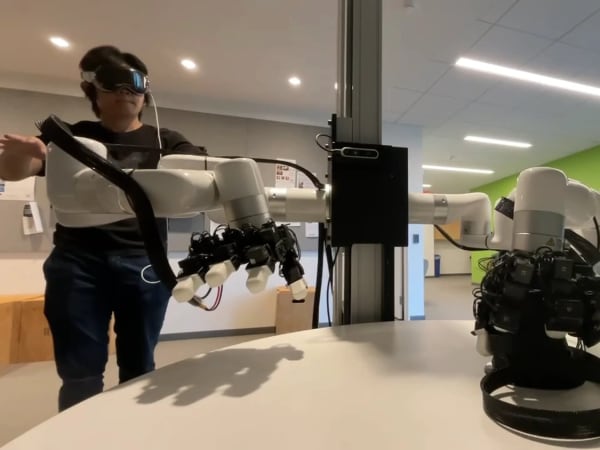
LEAP Hand V2 is a low-cost, 8-DOF anthropomorphic robotic hand developed at Carnegie Mellon University for robot learning research. It features a hybrid rigid-soft structure with 3D-printed soft exterior skin over a robust internal bone structure, a foldable palm with two powered articulations (one for four fingers, one near thumb), and a highly dexterous MCP joint for human-like flexibility and grasping. Priced at $200, it assembles in under 2 hours and supports teleoperation, imitation learning, and sim2real tasks, outperforming pricier competitors.
Robot Specifications
Image Gallery
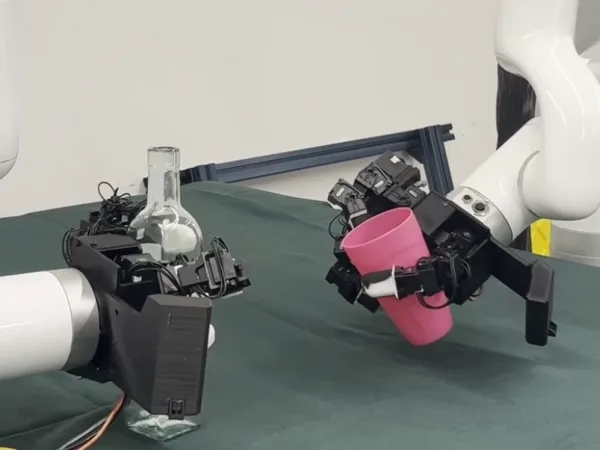
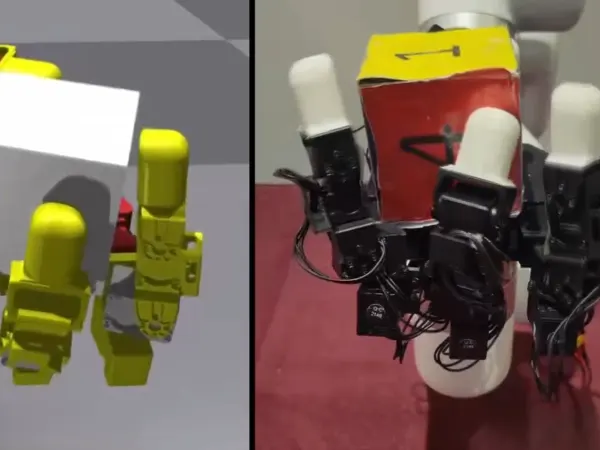
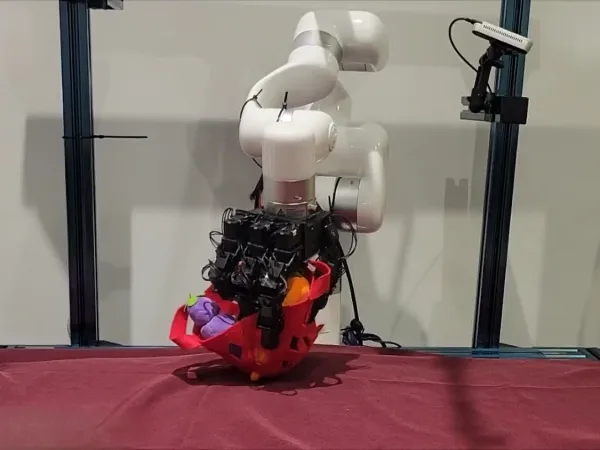
Below images are from Carnegie Mellon University's official sources
Review Videos
Watch expert reviews and demonstrations of this robot

Frequently Asked Questions
Get answers to common questions about this robot
Q1. What is the humanoid robot hand LEAP Hand V2, and what problem does it solve?
LEAP Hand V2 is a low-cost anthropomorphic hybrid rigid-soft robotic hand developed by researchers at Carnegie Mellon University. It addresses challenges in replicating human-like dexterity for robot learning by combining affordability, ease of assembly, and versatile grasping capabilities.
Q2. What are the main capabilities and key features of LEAP Hand V2?
According to Carnegie Mellon University researchers, LEAP Hand V2 features an 8-DOF design with a 3D-printed soft exterior over an internal bone structure, a foldable palm with two powered articulations, and a dexterous MCP joint for human-like finger mobility and grasping.
Q3. Which industries and use cases is LEAP Hand V2 built for?
LEAP Hand V2 is designed for robot learning research, including grasping tasks, teleoperated control, and imitation learning from video data, as demonstrated in experiments by Carnegie Mellon University researchers.
Q4. What is the grip strength and dexterity of LEAP Hand V2?
Carnegie Mellon University states that LEAP Hand V2 provides strong yet compliant grasping through its hybrid structure and MCP kinematics, enabling dexterity that exceeds many existing hands in real-world manipulation tests.
Q5. Is LEAP Hand V2 compatible with standard robotic arms?
LEAP Hand V2 includes a URDF model and simulation examples compatible with various simulation engines, supporting integration with robotic arms for research, according to its developers at Carnegie Mellon University.
Q6. Does LEAP Hand V2 support tactile sensing or force feedback?
LEAP Hand V2 emphasizes compliance via its soft exterior and rigid internals for stable object handling, though specific tactile sensing details are not detailed in Carnegie Mellon University publications.
Q7. What programming interfaces or SDKs are available for LEAP Hand V2?
Developers at Carnegie Mellon University provide open-source tools including human video retargeting from MANO, motion capture teleoperation with Manus Glove, URDF models, and APIs for simulation and real-world use.
Q8. How does LEAP Hand V2 compare to other robotic end-effectors?
Experiments by Carnegie Mellon University researchers show LEAP Hand V2 outperforms competitors like the Allegro Hand in grasping, teleoperation, and learning tasks while using a lower-cost, easier-to-assemble design.
Q9. What level of maintenance is required for LEAP Hand V2?
LEAP Hand V2 is built with durable 3D-printed parts and a simple assembly process under two hours, intended for low-maintenance use in research settings per Carnegie Mellon University descriptions.
Q10. Is LEAP Hand V2 currently available for commercial purchase?
LEAP Hand V2 is not available for commercial purchase; Carnegie Mellon University researchers plan to release 3D printer files and assembly instructions for the research community upon paper acceptance.
User Comments (No Login needed)
Share your thoughts, experiences, or questions about this robot.
Comments are reviewed before posting.