Agility Robotics Starts Trading on Nasdaq as AGLT, Closing Its First Day at $11.49
Company
Agility RoboticsPublished
November 5, 2026
Reading Time
5 min read
Author
Origin Of Bots Editorial Team
A Humanoid Maker Reaches Wall Street
Agility Robotics, the Oregon company behind a warehouse robot called Digit, began trading on the Nasdaq stock exchange on November 5, 2026, under the ticker AGLT. Ordinary investors can now buy a direct stake in a business whose only focus is humanlike robots, something no American exchange had offered before, according to the company.
Agility got there through a merger with Churchill Capital Corp XI, a so-called blank-check company, which is a shell listed on the market purely to buy a private business and take it public. The merger closed on November 4, two days after Churchill shareholders approved it with more than 84 percent of votes cast.
A Bumpy First Day in a Brutal Market
The first session was a volatile one. The Robot Report recorded the shares opening at $11.26, above the $10 price used in the merger, sinking as low as $8.40 and climbing as high as $12.15 before closing at $11.49, about 2 percent above where they started the day.
That result came on a rough day for technology stocks generally. The Robot Report put the Nasdaq index down 5.52 percent that session, with chipmaker Nvidia falling more than 9 percent, so a modest gain for a newly listed robot maker stood out. One trading day, however, says little about where a stock will settle.
Where the $465 Million Comes From
Agility says the deal and related financings raised about $465 million before expenses. Roughly $164 million came from Churchill's trust account, the pool of money investors put into the shell company, about $201 million came from a private share sale led by electronics manufacturer Foxconn, and $100 million arrived earlier as equity funding.
The total fell short of the more than $600 million projected when the merger was announced in June, because many Churchill investors chose to take their money back rather than hold the new shares. Agility says the cash will go toward filling customer orders, expanding deployments, building more Digit robots and improving its software.
The Robot Investors Are Buying Into
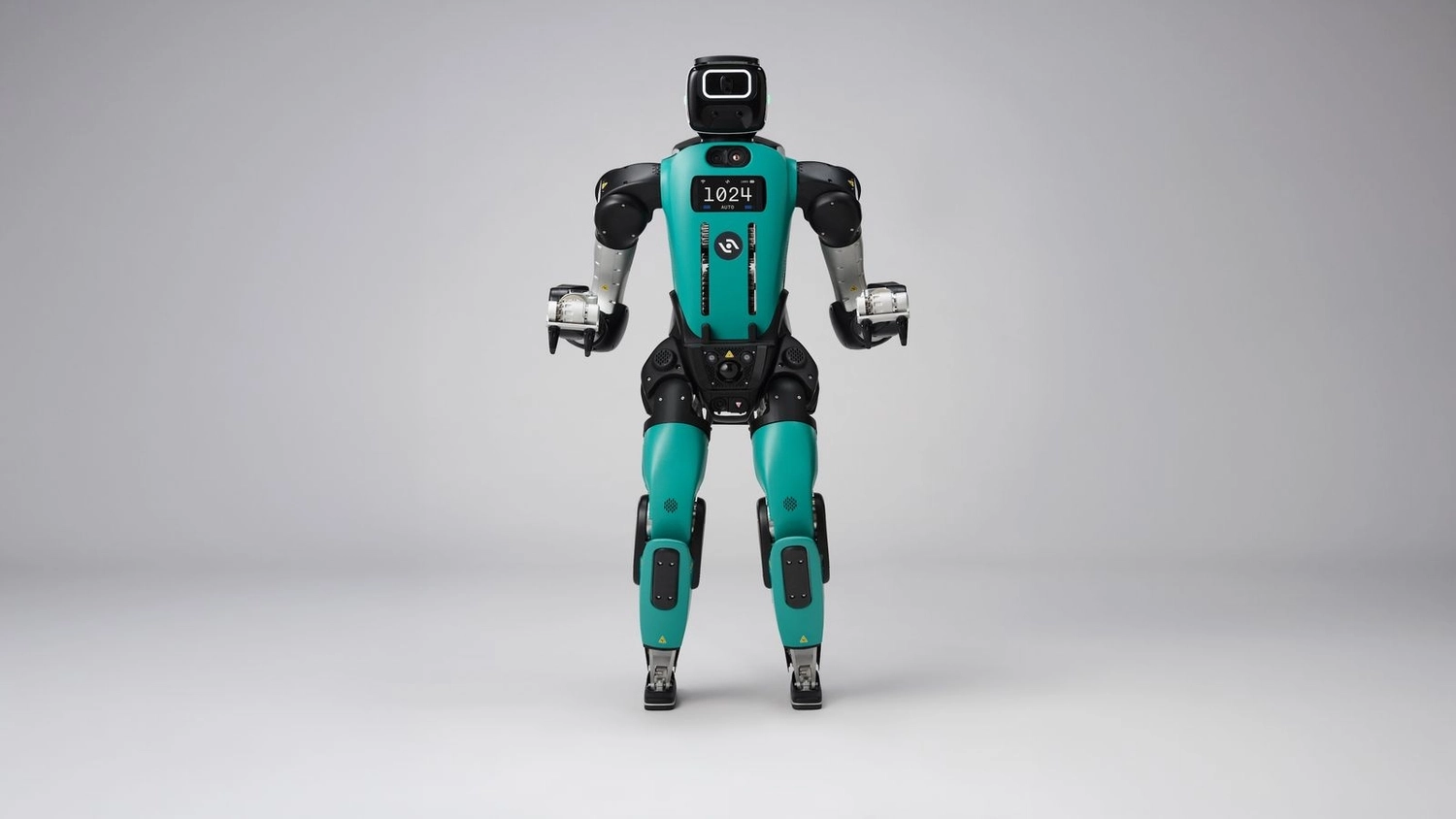
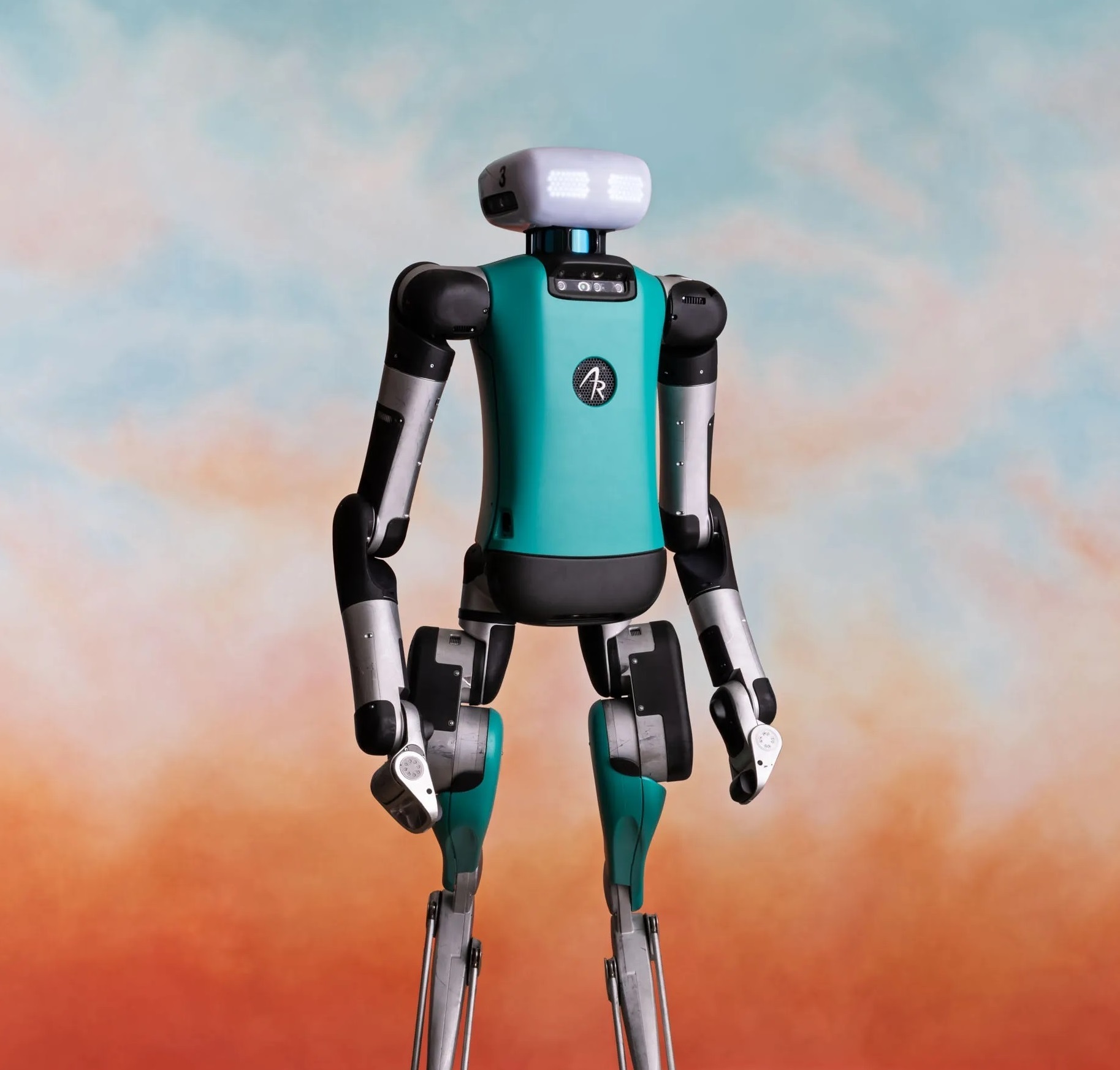
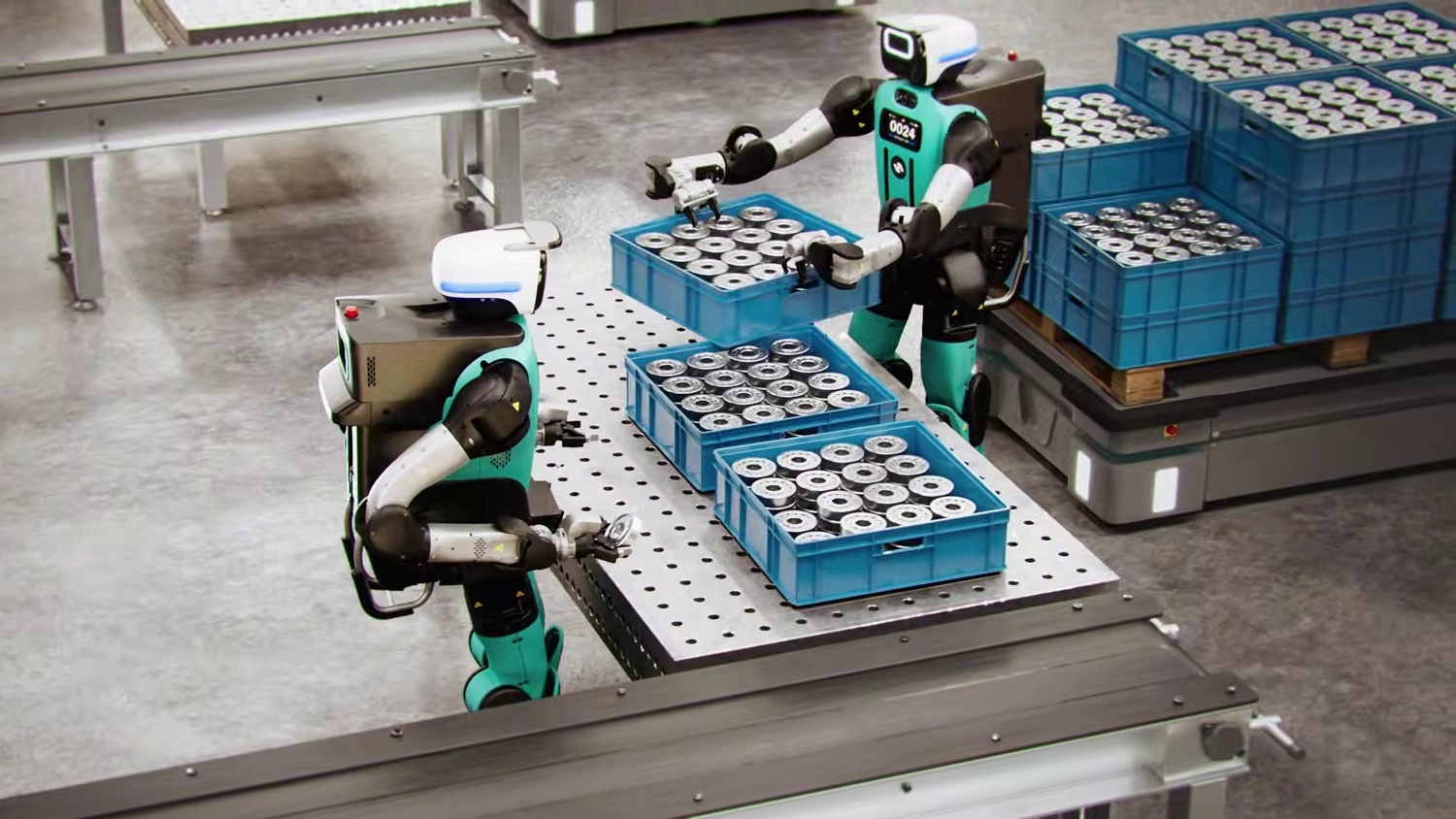
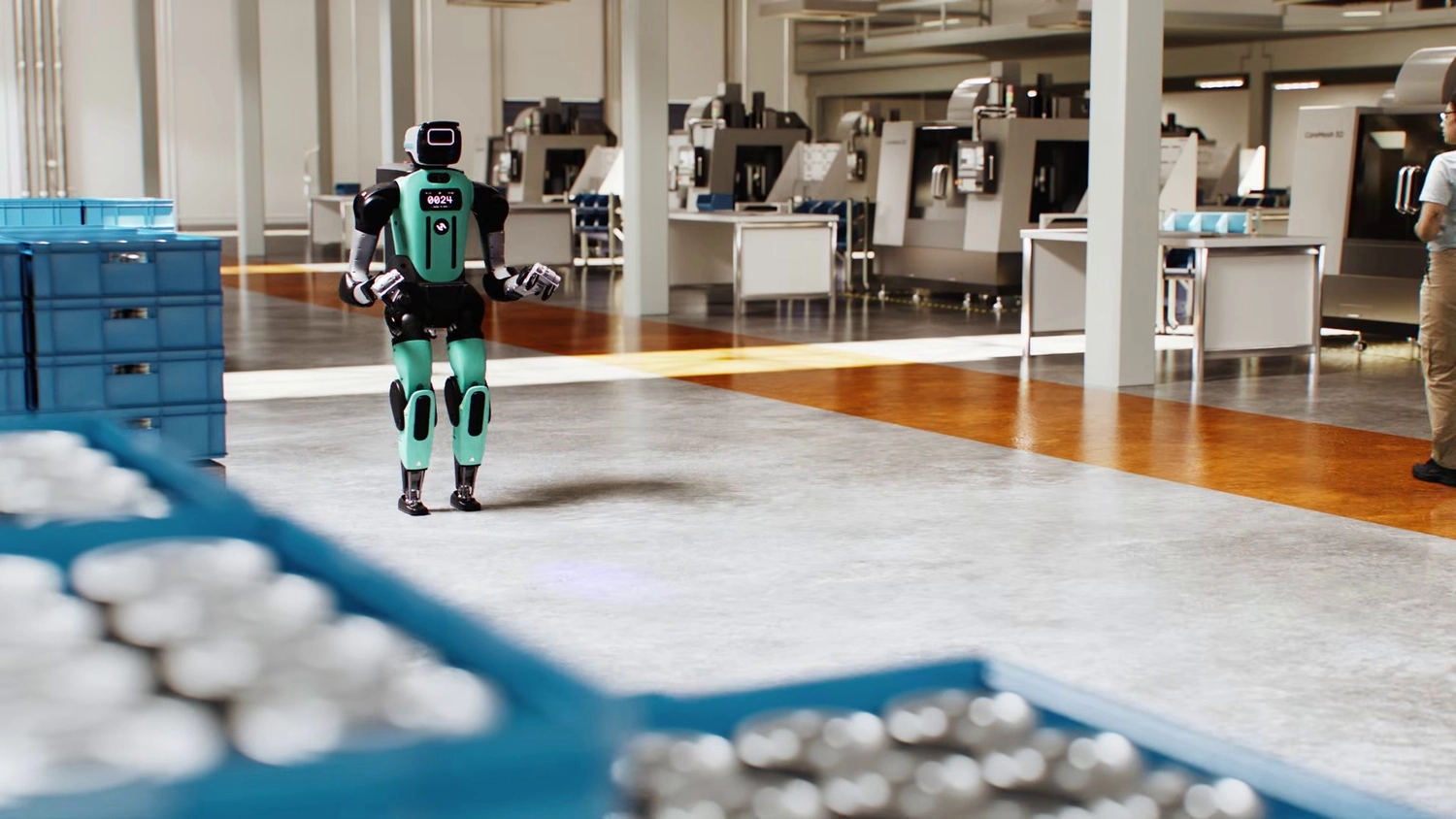
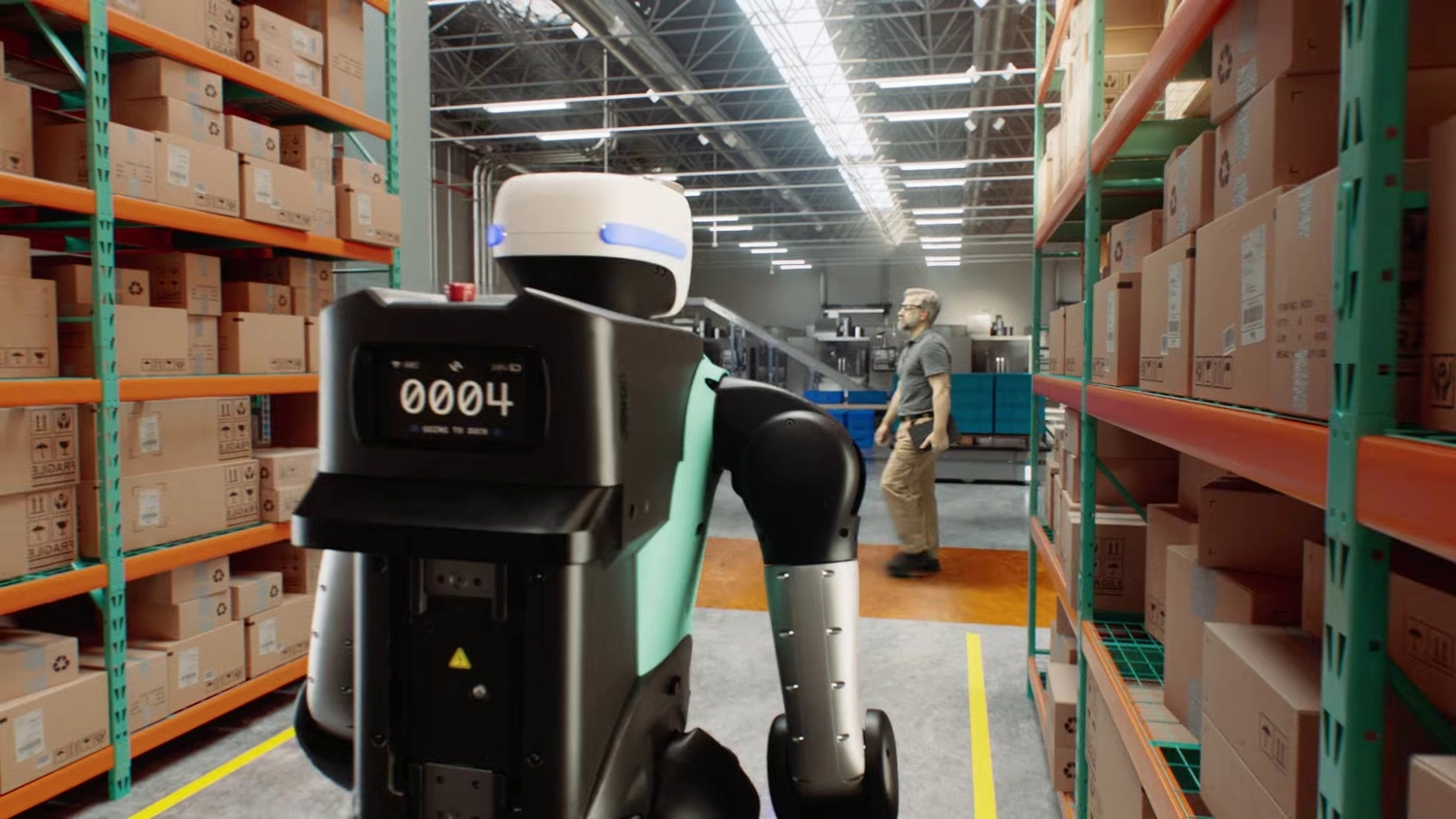
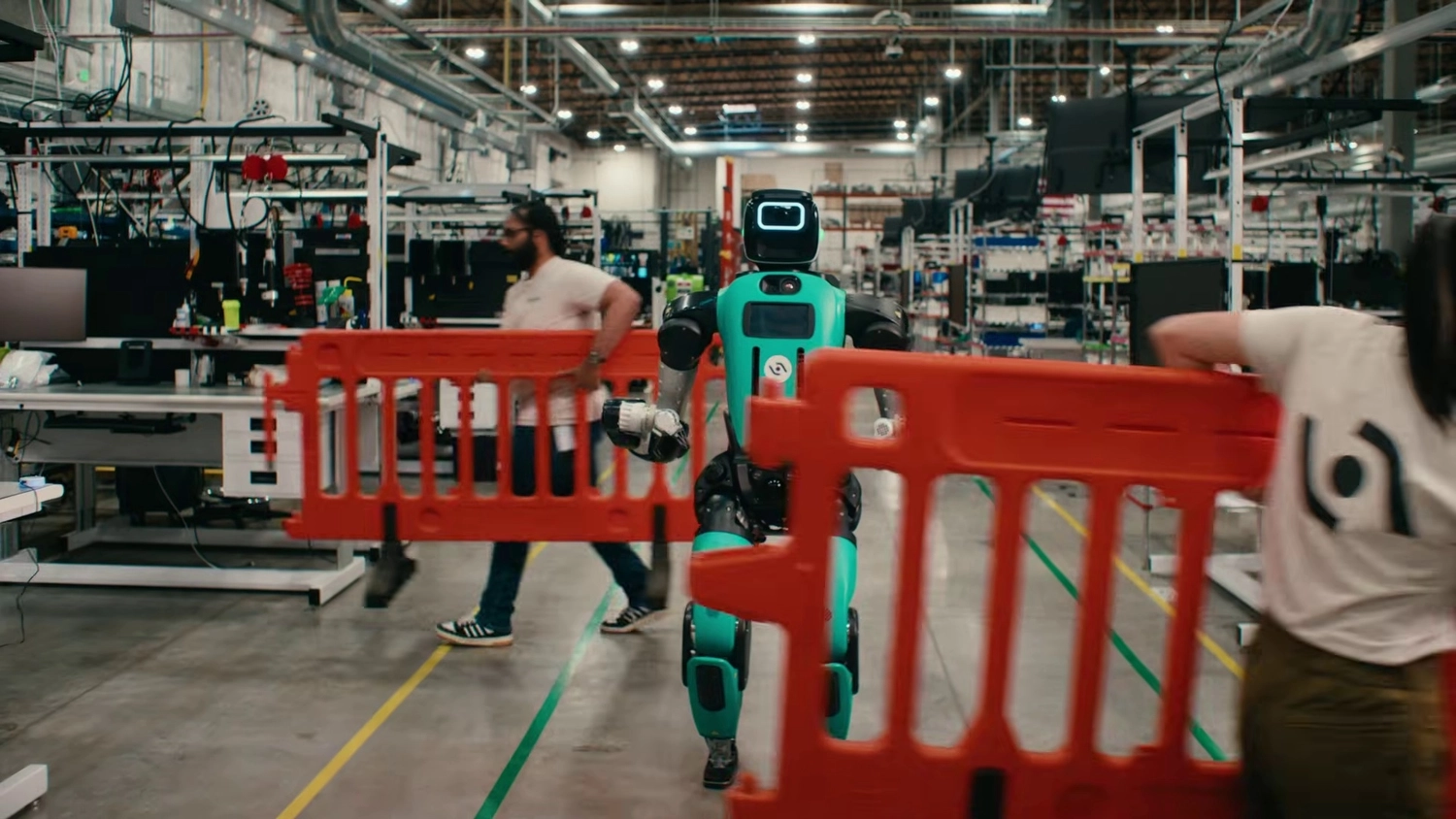
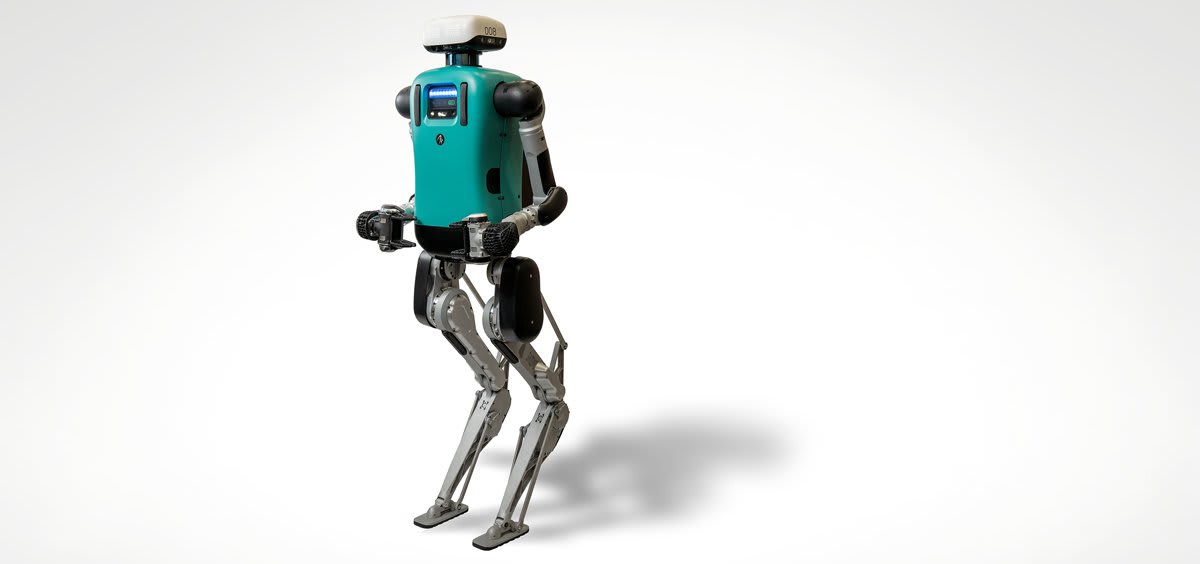
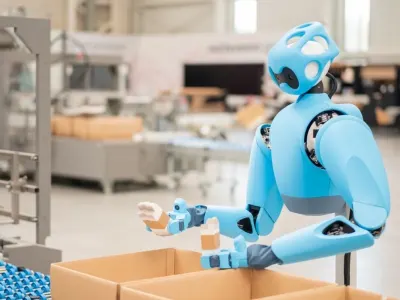
Digit is a two-legged robot built for repetitive physical jobs, chiefly moving plastic totes around warehouses and factories. The company counts GXO, Schaeffler and Toyota Motor Manufacturing Canada as customers using it today, and says the robots have logged more than 65,000 hours of operation across nearly three years of real-world deployment.
At a GXO site in Georgia, Digit has moved more than 100,000 totes, and GXO plans to add two more American logistics sites in early 2027. Farm equipment maker AGCO has also signed a commercial agreement for a pilot expected to begin that year, while three unnamed manufacturers are in paid programs.
Betting the Company on Digit 5
Much of the investment case rests on Digit 5, a new version unveiled in September. Agility says it can repeatedly lift up to 50 pounds, about the weight of a large bag of dog food, using a motor design of its own, and that it can swap its hands for different jobs.
The company also says the robot will recharge in nine minutes and work more than 20 hours in a 24-hour day, using batteries from Nyobolt. Those are design targets rather than proven results. Early customers are expected to get access in the first half of 2027, with general availability targeted for the end of that year.
From a University Lab to a Robot Factory
Agility was spun out of Oregon State University in 2015 and is now led by chief executive Peggy Johnson. It runs a 70,000-square-foot factory in Salem, Oregon, called RoboFab, which is designed to make up to 10,000 robots a year, and it has further sites in Fremont, California, and Pittsburgh.
In the company's announcement, Johnson said the bigger story than the listing itself is what it means for the future of work. In an overview video, she added that Agility may license its patents to other robot makers, with the ambition of becoming a backbone supplier for the humanoid industry as a whole.
The Numbers Behind the Optimism
The company's merger filing offers a sobering counterweight. Agility reported just $1.78 million in net sales for 2025 against a net loss of $138.1 million, and about 64 percent of that revenue came from related parties, meaning businesses with ties to the company. Management also disclosed substantial doubt about its ability to keep operating.
Agility points to more than $300 million in committed multi-year orders for Digit 5, but that figure depends on contractual milestones and on the robot delivering promised features. The same filing describes the order as a single contract for 1,000 robots from a related-party customer, and executives say robots will be released in stages as Digit 5 proves itself.
The Test That Arrives in 2027
The next real test comes in 2027, when early customers begin working with Digit 5 and the company has to show the robot can do what its targets promise. Cost will matter too: Agility's chief operating officer, Jen Hunter, has put the parts bill at about $150,000 per robot at launch.
Public companies also report their results on a regular schedule, so outsiders will now get a steady view of orders, spending and deliveries. For an industry long driven by demonstrations and private funding rounds, that may prove the most useful change of all: a humanoid business whose progress anyone can check.
Sources
Related Articles
South Korea's ETRI Unveils Its Own Humanoid Robot Brain at a Physical AI Showcase

AgiBot G2 Robots Finish a 24-Hour Shift in a Shanghai Convenience Store, and Four of Six Pass
Swiss Startup Embodied AI Unveils AIR, a Humanoid That Learns Factory Jobs on the Shift