Swiss Startup Embodied AI Unveils AIR, a Humanoid That Learns Factory Jobs on the Shift
Robot Details
Embodied AI AIR • Embodied AIPublished
November 6, 2026
Reading Time
5 min read
Author
Origin Of Bots Editorial Team
A New Coworker Rolls Into Munich
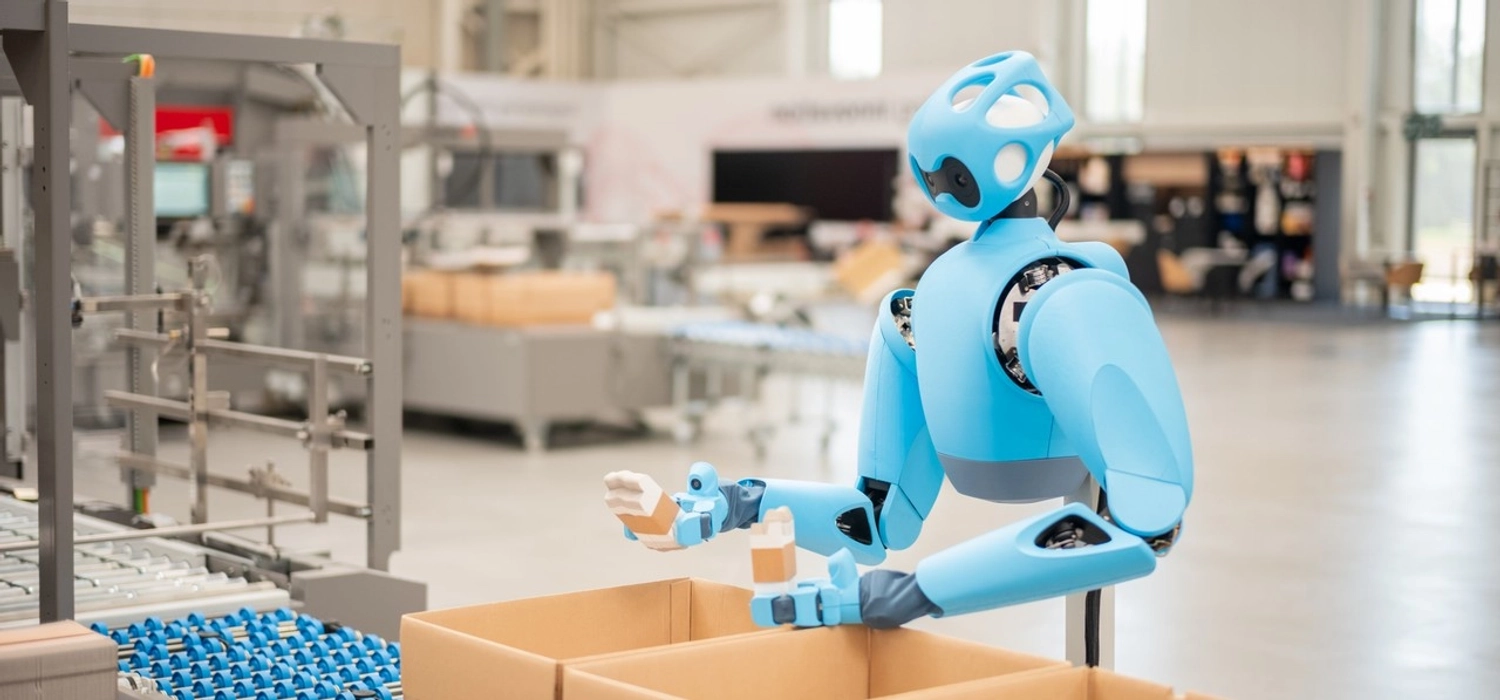
On November 6, the Swiss startup Embodied AI pulled the cover off AIR, a humanoid robot built to work on factory floors right next to people. The reveal took place at the Humanoid Europe 2026 conference in Munich, and the company says the machine went from first sketch to working robot in just nine months.
Why should anyone outside a factory care? Manufacturers are struggling to hire. Deloitte and The Manufacturing Institute estimate that up to 1.9 million American factory jobs could go unfilled by 2033. A robot that can safely share a workstation with a human could take on the dull, repetitive tasks that are hardest to staff.
Soft Arms, Heavy Torso
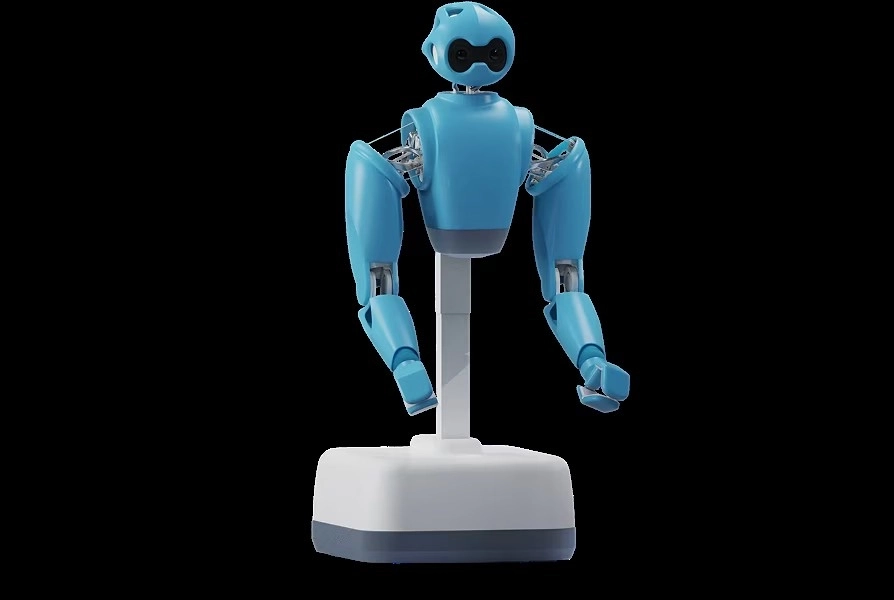
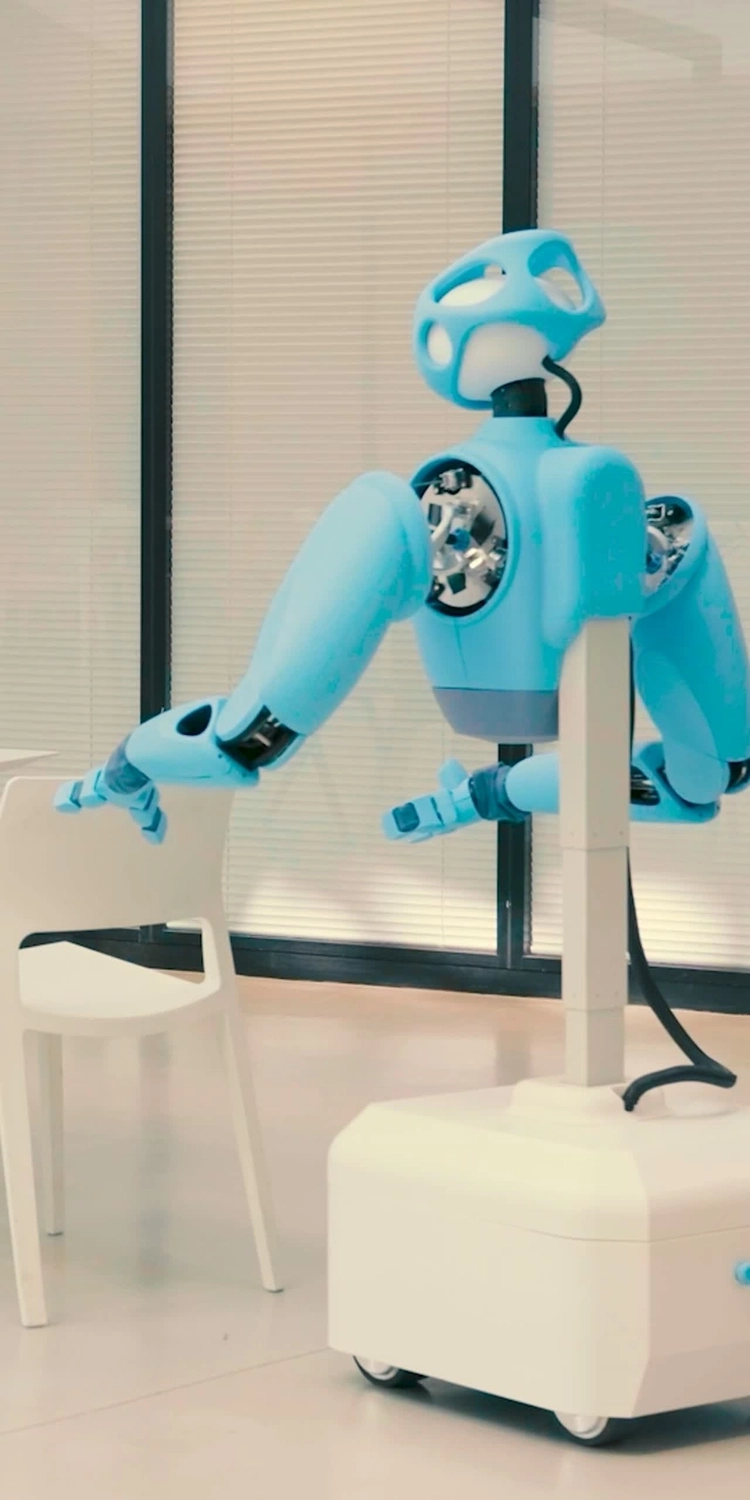
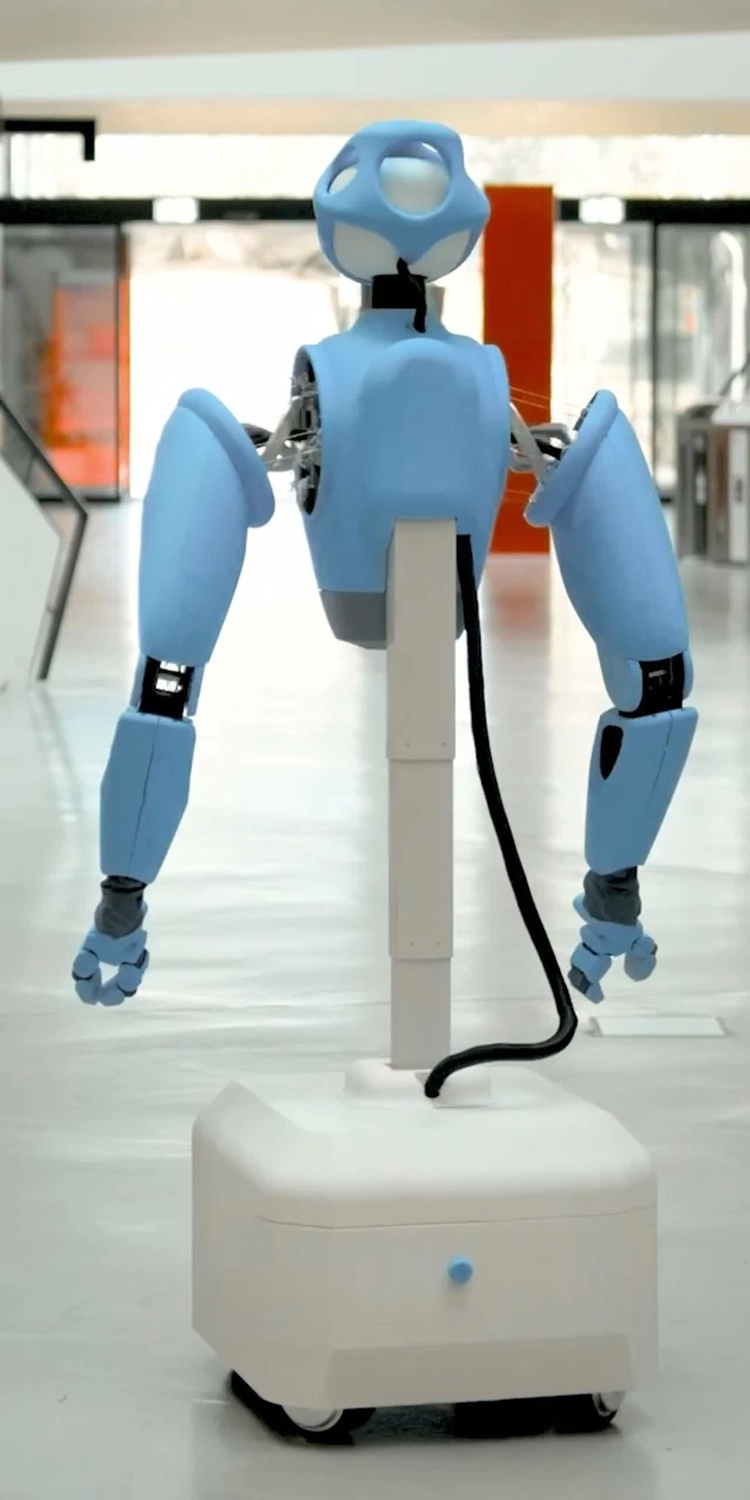
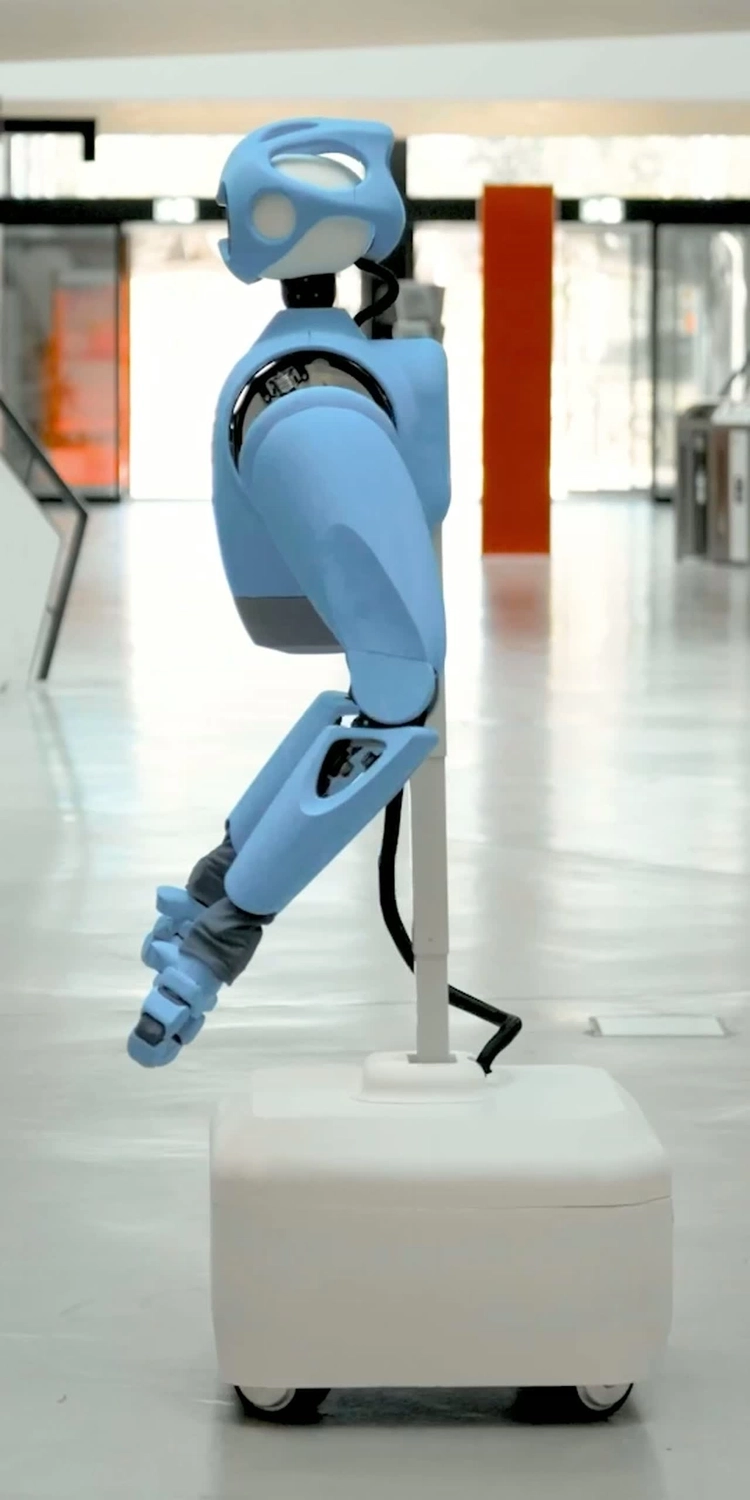
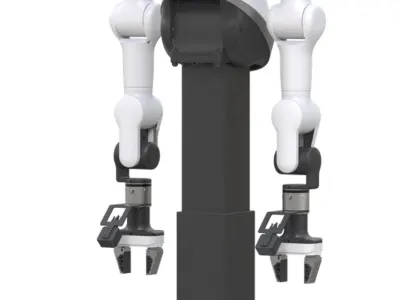
AIR looks different from the walking humanoids that dominate headlines. It rolls on a wheeled base instead of legs, and its heavy parts, the motors, gearboxes and electronics, sit inside the torso. The arms are moved by tendons, cable-like cords pulled by those motors, much as our own tendons pull on our bones.
That layout keeps the arms light and gives them very little momentum. According to the company, they yield when they bump into something, rather than pushing through it. In other words, safety is baked into the physical design itself, instead of relying only on software that tells the robot to stop when a person comes too close.
Safety Written Into the Hardware
Embodied AI says AIR was designed around ISO/TS 15066, the international guideline for robots that work in shared space with humans. The document sets limits on how much force and pressure a robot may apply if it touches a person. The company plans to seek CE marking, the European safety approval, in 2027.
Chief executive Francesco Stella frames this as the core of the product. He argues that mistakes in physical AI are immediate and cannot be undone, unlike a chatbot answer that a human checks before using. That is why, in the company's own words, safety and reliability are treated as non-negotiable requirements rather than features.
The Robot That Learns by Watching
The second big idea is how AIR picks up new work. Every job begins with a human operator steering the robot, so it is useful from its very first shift. Each run is recorded, and the robot's AI studies these demonstrations, gradually taking over the task until it can do it alone.
The company says this handover typically happens within about a month. The operator stays on call for unusual situations the robot has not seen before. What one AIR learns can also be shared with other units, so a factory would not need to teach each robot from scratch, though real-world results across many sites are still to come.
A 98 Percent Test Result
Embodied AI points to one trial as evidence. A large consumer electronics maker asked five funded robotics startups to handle cables, a fiddly task because cables bend and twist unpredictably. According to the company, none of the others met the customer's targets, while its system reached 98 percent reliability against a 90 percent goal.
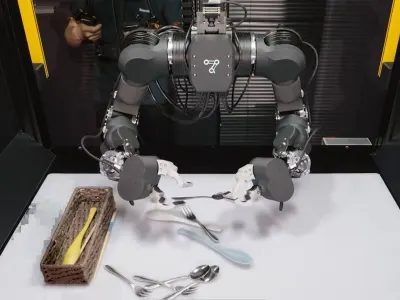
That trial used the company's earlier product, a two-armed industrial workstation, which already runs the same AI software in paid deployments. It is a company-reported result rather than an independent benchmark, and the manufacturer was not named. Still, it shows the learning approach has been tested on a real production task, not only in a lab.
The Young Team Behind AIR
Embodied AI is a spin-out of EPFL, the Swiss federal technology institute in Lausanne, where it is based, with a second office in Rome. Stella, 28, built the ideas behind AIR's arms during his PhD at EPFL and previously researched at MIT's computer science and artificial intelligence lab.
His co-founders are chief technology officer Kai Junge and chief operating officer Max Polzin, both robotics PhDs with backgrounds at Cambridge, ETH Zurich and EPFL. The startup's first funding round was led by the venture firm Faber, with TechShop, Look AI Ventures, Plug and Play and Vento also backing it.
Big Claims, Few Numbers So Far
Some important details are still missing. Embodied AI says it has signed contracts with major manufacturers around the world, but it has not named them or shared order sizes. It also says it spent only a fraction of what rival robot makers spend, again without figures, and has not announced a price.
AIR is currently being tested with manufacturers rather than sold in volume, and its wheeled body means it suits flat factory floors, not stairs or rough ground. The one-month learning promise, and how well skills transfer between robots, will need proof from many different jobs before buyers can fully rely on them.
From Pilot Lines to Production
The company says it is now planning scaled production of AIR, with CE certification targeted for 2027. That timeline would put the robot on European factory floors as surveys suggest interest is growing: the Manufacturing Leadership Council reports that 22 percent of manufacturers plan to use physical AI within two years, up from 9 percent today.
Embodied AI is careful to pitch AIR as a helper rather than a replacement. It cites a Deloitte forecast that more than 80 percent of factory task hours will remain human-driven. If the robot delivers on its promises, the near future may look less like empty factories and more like people working beside soft-armed machines.
Related Articles
Meet Sagi, PHYMI's Centaur-Style Robot With Four Wheeled Legs and a Cargo Box on Its Back
AiMOGA Unveils MOBO, a Home Companion Robot Linked to LUXEED Cars
South Korea's ETRI Unveils Its Own Humanoid Robot Brain at a Physical AI Showcase
AgiBot G2 Robots Finish a 24-Hour Shift in a Shanghai Convenience Store, and Four of Six Pass
Related Comparisons
Compare Embodied AI AIR with similar robots

Figure 03 vs NEO Home Robot
Figure 03 from Figure AI vs NEO Home Robot from 1X Technologies: runtime, hands, safety and AI compared, with a clear pick by need.
Pepper vs AIREC
Pepper or AIREC? Compare these two humanoid robots on purpose, sensors, AI, arms and battery, from customer service to elderly care research.

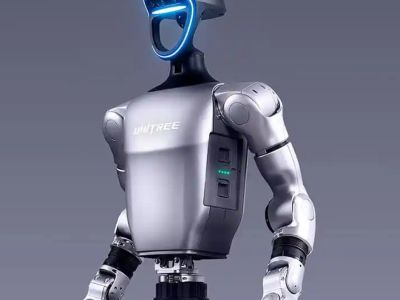
Optimus vs Unitree G1
Compare Optimus vs Unitree G1 for humanoid mobility, dexterity, autonomy, and payload capacity.
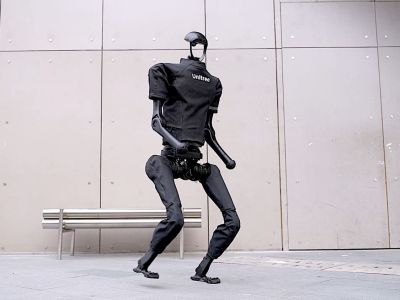
Unitree G1 vs Unitree H1
Head-to-head: Unitree G1 vs Unitree H1 compared on bipedal balance, AI learning, and real-world deployment.
Learn More About This Robot
Discover detailed specifications, reviews, and comparisons for Embodied AI AIR.
View Robot Details →