Atlas Steps Into a New Era
Robot Details
Atlas • Boston DynamicsPublished
November 30, 2025
Reading Time
4 min read
Author
Origin Of Bots
The Humanoid Revolution
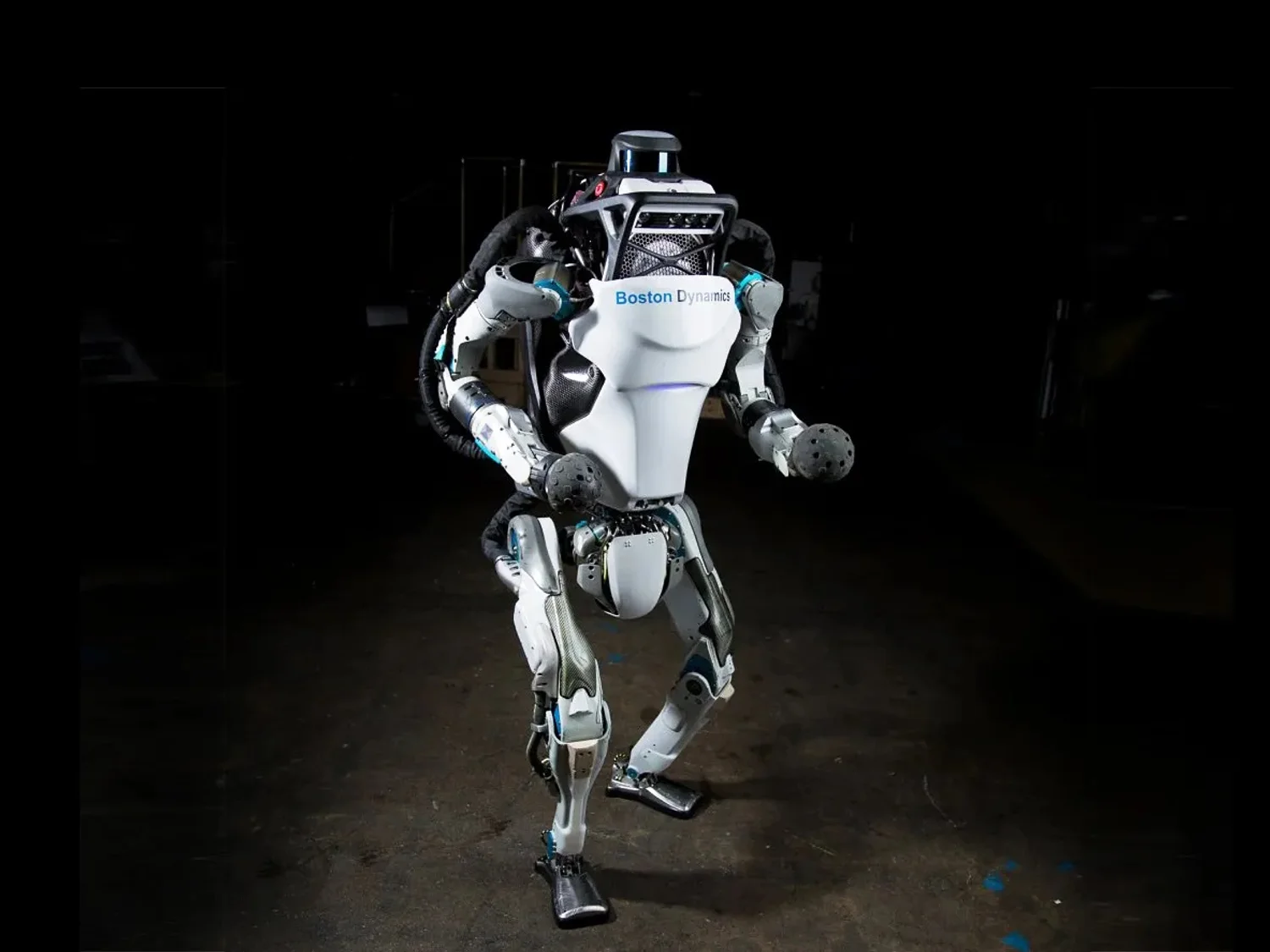
Boston Dynamics’ Atlas is no longer just a marvel of engineering—it’s becoming a harbinger of a new age in robotics. Once famed for its acrobatic feats, Atlas now stands at the forefront of a transformation, shifting from lab demonstrations to real-world utility. Its latest upgrades signal a move toward general-purpose humanoid robots capable of adapting to complex, unpredictable environments. With the integration of advanced AI and whole-body control, Atlas is poised to redefine what robots can do, blurring the line between human and machine in both form and function.
Beyond Acrobatics
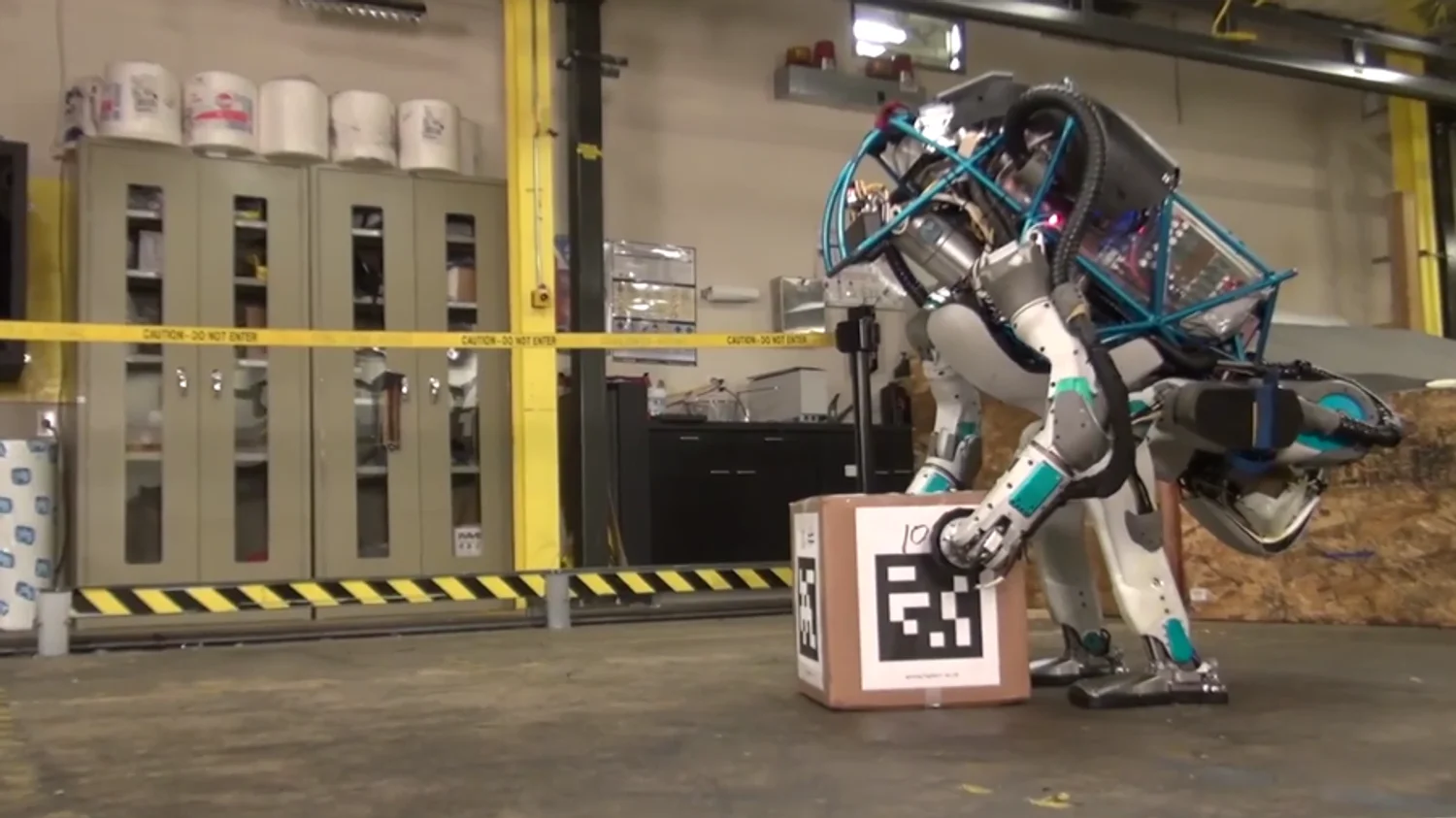
Atlas has evolved far beyond parkour and backflips. Today, it demonstrates dexterous manipulation, autonomous navigation, and the ability to handle unexpected physical challenges mid-task. Its new hands offer human-like dexterity, tactile sensing, and precision grip, allowing it to perform intricate tasks like packing, sorting, and organizing. Atlas can now walk, crouch, lift, and adjust on the fly, responding to real-time disruptions with fluid, coordinated movements. These capabilities mark a leap from scripted routines to adaptive, intelligent behavior.
AI at the Core
The secret behind Atlas’s newfound versatility is its Large Behavior Model, a neural network that controls the entire robot as a unified system. This approach allows Atlas to learn new tasks rapidly, without the need for extensive hand-coding. The model enables seamless integration of locomotion and manipulation, letting Atlas treat its hands and feet as interchangeable tools. This breakthrough in AI-driven robotics accelerates the path to general-purpose robots that can generalize across a wide range of tasks, making Atlas a testbed for the future of autonomous machines.
Real-World Impact
Atlas is now being piloted in manufacturing environments, where its adaptability is a game-changer. Factories face constant changes in workflow, product lines, and seasonal demands, and Atlas’s ability to re-task quickly makes it an ideal assistant. Its deployment in pilot programs is helping companies understand how humanoids can integrate into existing operations, respond to operator needs, and handle the variability that traditional automation struggles with. As Atlas proves its worth, it’s paving the way for a new generation of robots that can work alongside humans in dynamic settings.
Tech Specs Deep Dive
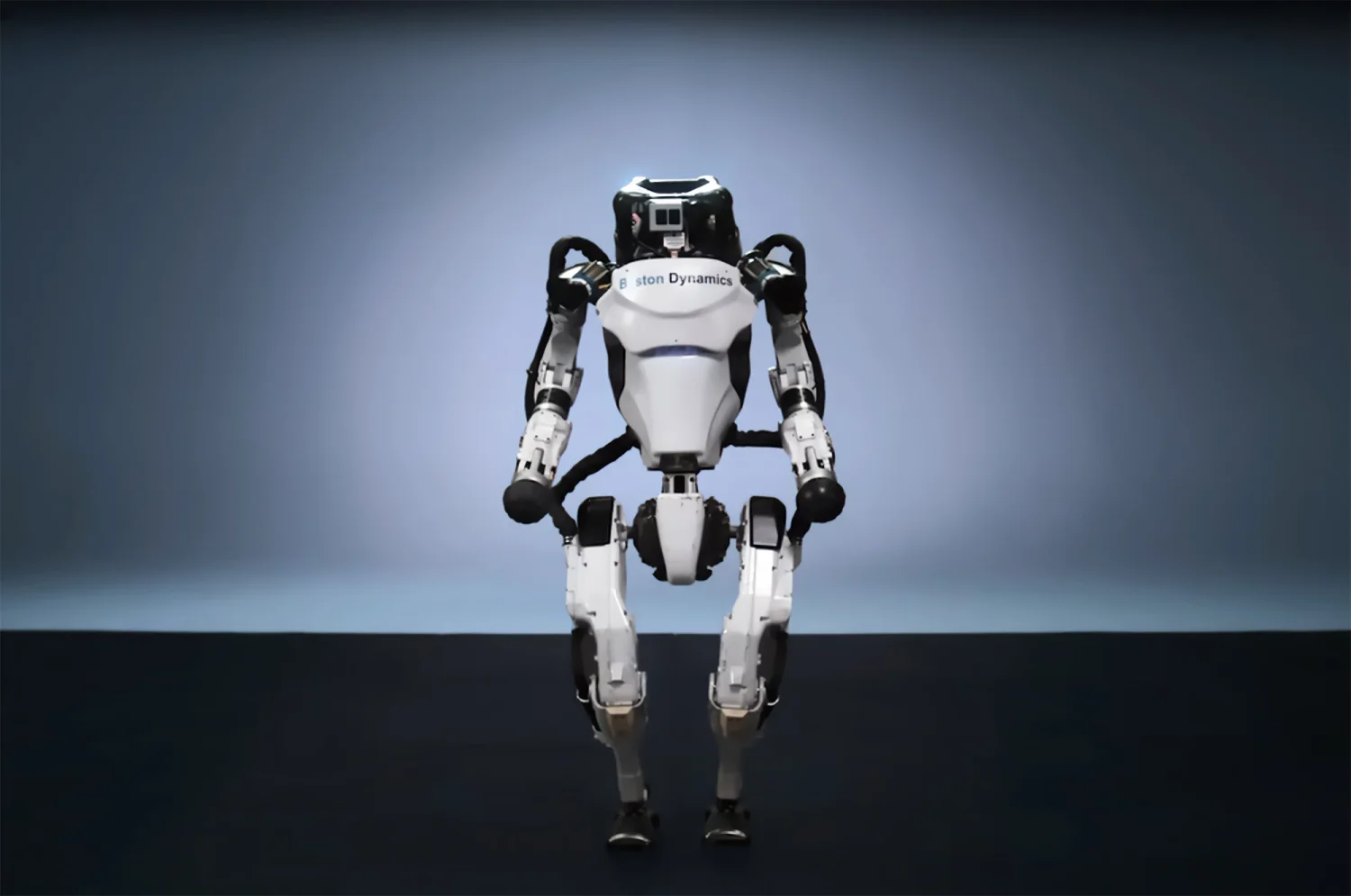
In its 2016 hydraulic design, Atlas stood about 1.75 meters tall and weighed about 82 kg, built for both agility and strength. It moves at up to 1.5 m/s walking, with bursts to 2 m/s for dynamic maneuvers. Equipped with LiDAR, stereo RGB-D cameras, IMUs, joint encoders, and 6D force-torque sensors, Atlas perceives its environment with high precision. Its navigation relies on LiDAR and stereo-vision SLAM, enabling robust autonomy. Atlas can carry up to 11 kg with its grippers, and its safety features include emergency stop, collision avoidance, and torque-limit overrides. The robot runs on a custom real-time control stack with Linux, supported by SDK and API access for developers.
Atlas vs. The Field
Compared to rivals like the Electric Atlas, Forerunner K2, GR-2, and L7, Atlas stands out for its whole-body control and AI-driven adaptability. While competitors excel in specific areas—such as speed, payload, or specialized tasks—Atlas offers a unique blend of dexterity, autonomy, and robustness. Its ability to handle complex, multi-step tasks with minimal reprogramming gives it an edge in general-purpose applications. However, some rivals may outperform Atlas in cost, battery life, or specialized industrial roles. Overall, Atlas remains the benchmark for versatility and intelligent behavior in humanoid robotics.
The Road Ahead
The future for Atlas is one of rapid evolution and expanding influence. As Boston Dynamics moves toward mass production and broader deployment, Atlas will likely become a common sight in factories, research labs, and disaster response scenarios. Its success could accelerate the adoption of humanoid robots across industries, driving innovation in AI, automation, and human-robot collaboration. With thousands of units expected in the coming years, Atlas is not just a robot—it’s a catalyst for a new era of intelligent machines that will reshape how we live and work.
Related Articles
XMAN-F1 Partners Johnnie Walker, M104 for AI Bartending Breakthrough
RobotEra L7 Racing Into Warehouses: 14.4 km/h Humanoid Cuts Picking Costs with ERA‑42 Deal

Clone’s Protoclone V1 Mirrors Human Muscles with 1,000 Myofibers, 500 Sensors
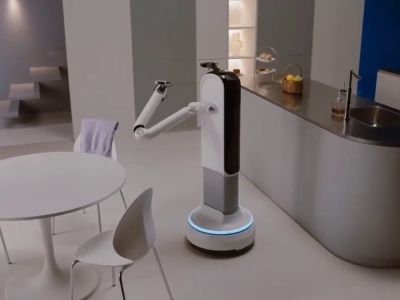
Samsung Bot Handy 2 Integrates Google Gemini, Boosts Dexterity with 3kg Dual-Arm Grip
Related Comparisons
Compare Atlas with similar robots

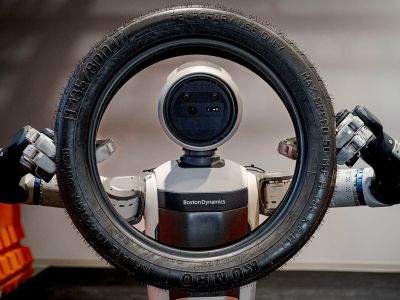
Optimus vs Atlas (Electric 2025)
In-depth comparison of Optimus and Atlas (Electric Atlas, 2025), covering hardware capabilities, teleoperation, and enterprise readiness.
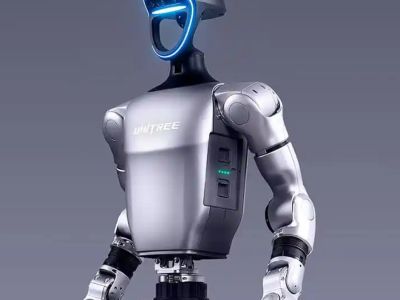
Optimus vs Unitree G1
Compare Optimus vs Unitree G1 for humanoid mobility, dexterity, autonomy, and payload capacity.
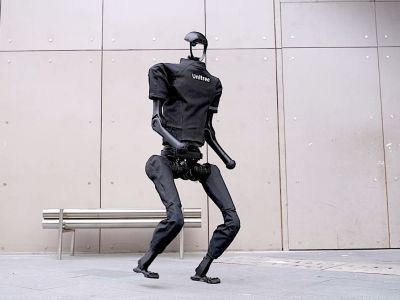
Unitree G1 vs Unitree H1
Head-to-head: Unitree G1 vs Unitree H1 compared on bipedal balance, AI learning, and real-world deployment.
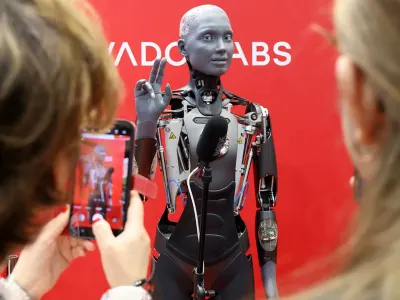

Ameca vs Moya
Which humanoid robot is better? Ameca vs Moya compared for dexterity, AI capabilities, and price.
Learn More About This Robot
Discover detailed specifications, reviews, and comparisons for Atlas.
View Robot Details →