Fraunhofer IPA’s Care-O-bot 4 shows how modular service robots are being built for human-facing tasks
Robot Details
Care-O-bot 4 • Fraunhofer IPAPublished
June 3, 2026
Reading Time
3 min read
Author
Origin Of Bots Editorial Team
From lab to lobby
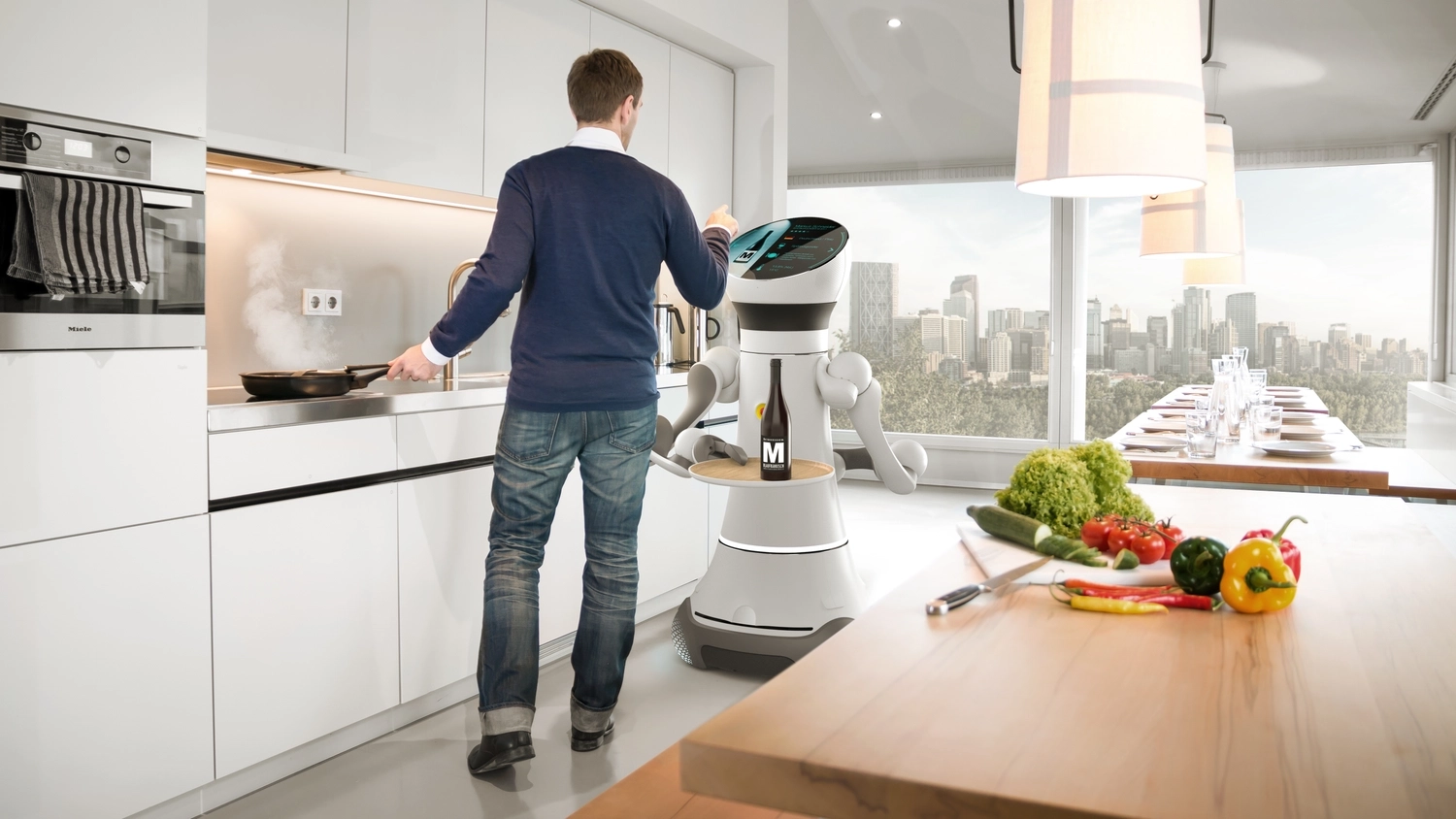
Service robots are being pushed to do more than move objects, because human-facing spaces demand navigation, interaction, and safe operation in close quarters. Fraunhofer IPA’s Care-O-bot 4 was presented as a modular service robot platform designed for that environment, with the robot’s fourth generation emphasizing agility, interaction, and configurable applications.
Why the design matters
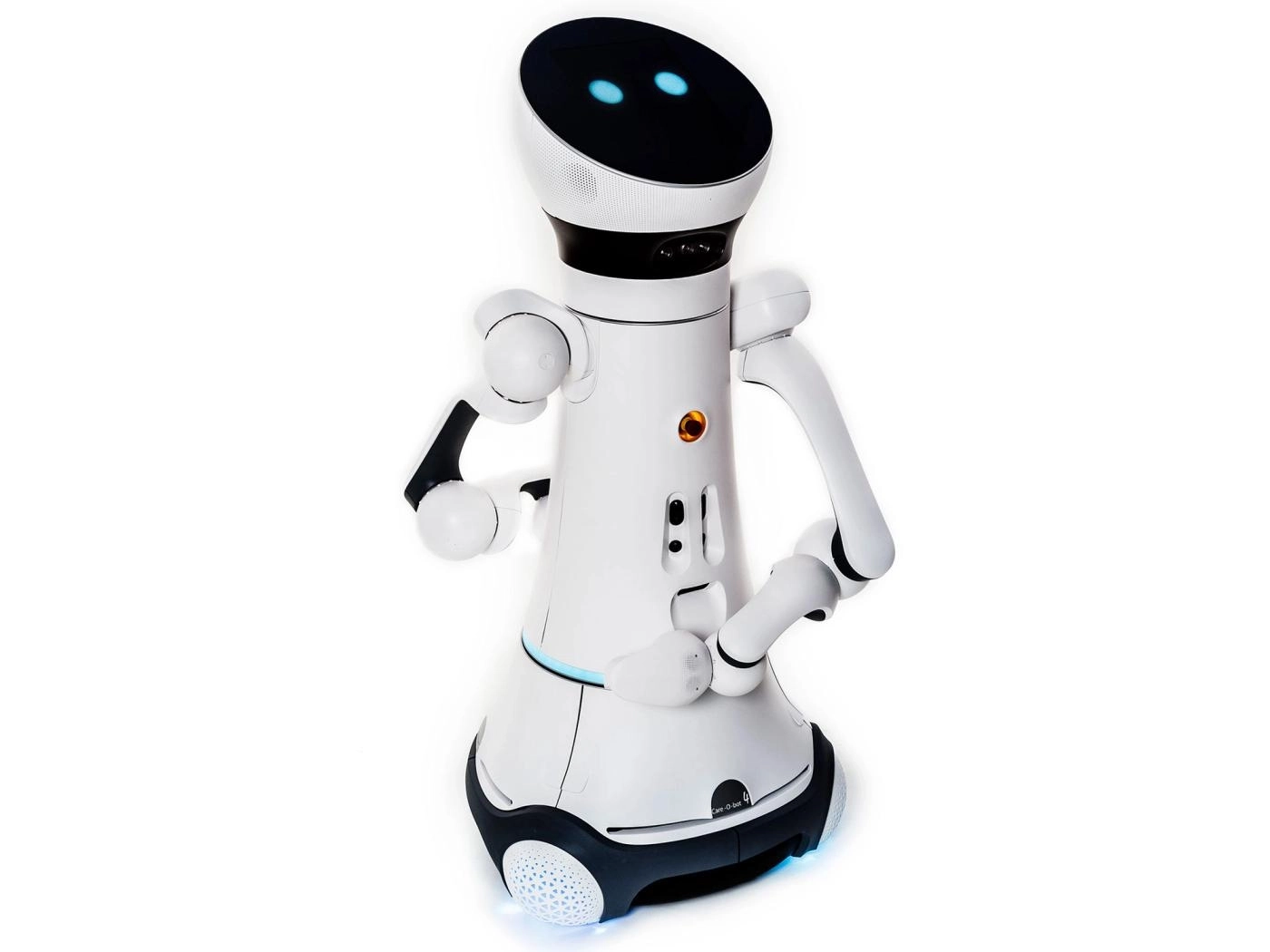
Care-O-bot 4 matters because its value is not one fixed task, but a platform approach: modular hardware, a mobile base, and interaction-focused design let the same system be configured for reception, delivery, guiding, or concierge-style roles. Its spherical joints and optional arm configurations are meant to expand working space and adapt the robot to different service scenarios, while its speech-based and visual interfaces aim to make contact feel more natural in public settings. Care-O-bot 4’s real innovation is not autonomy alone, but making one service robot adaptable enough for many human-facing jobs.
How it works
The system flow is straightforward: human motion and intent are interpreted through sensors and interaction inputs, the robot’s software processes that information with ROS on Linux, and the base and upper body execute movement while balance and obstacle avoidance logic keep it stable in shared spaces. In practice, that means laser scanners, cameras, microphones, and depth sensing support localization, speech and gesture recognition, and safe navigation rather than a single pre-programmed route.
A retail assistant role
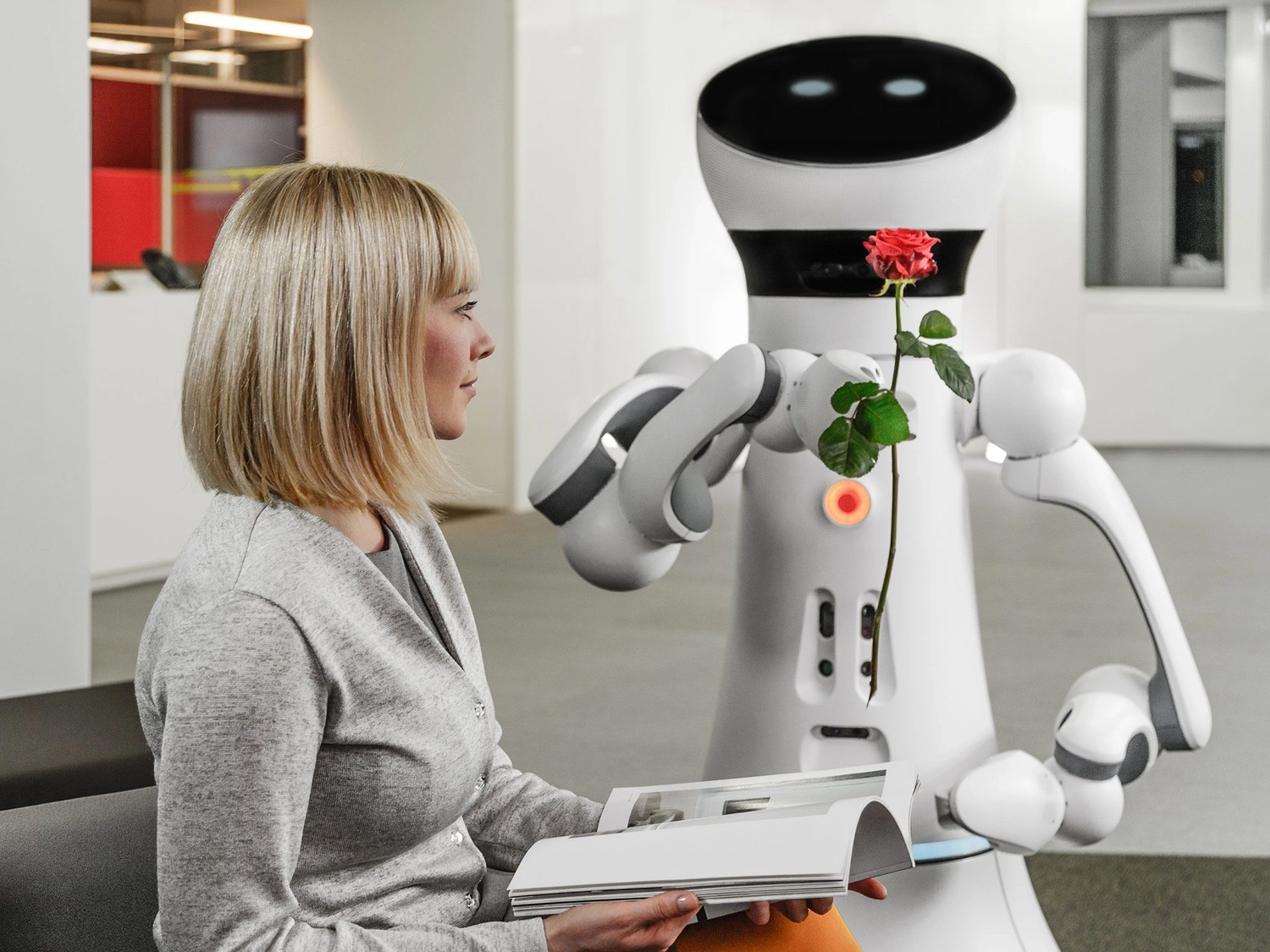
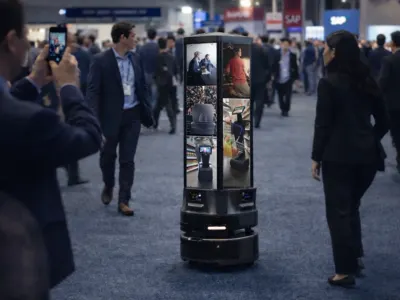
One of the clearest deployments is in retail, where Care-O-bot 4 was shown as a shopping assistant and information guide in a store setting. In that role, the robot is not replacing staff; it is handling first-contact tasks such as greeting visitors, pointing people to products, and acting as a visible interface for basic assistance in a busy indoor space.
Capability by design
The reported 72 x 72 x 158 cm footprint and 140 kg mass frame Care-O-bot 4 as a substantial indoor platform rather than a lightweight delivery cart, while the 1.2 m/s top speed supports movement through public spaces without trying to mimic human walking pace. Its LiDAR, RGB cameras, depth cameras, microphones, and infrared sensors support safe navigation, crowd avoidance, and interaction, while the omnidirectional wheeled base and SLAM-based navigation help it move in tight, changing environments. Its ROS and Linux software stack also matter because they make the robot easier to integrate into research and commercial service workflows, rather than locking it into a single proprietary behavior set.
Rivals Edge Check
| Robot | Key Advantage | Where Care-O-bot 4 Wins | Target Use |
|---|---|---|---|
| LuckiBot Pro Autodoor | Built around autonomous reception and delivery in hospitality settings | More visibly modular and interaction-oriented for broader service roles | Hotel concierge and indoor delivery |
| Kompai | Social interaction focus for companionship and front-desk engagement | Stronger platform flexibility and task reconfiguration | Reception and customer-facing guidance |
| Robocare Fourcast | Service-oriented mobility for indoor support workflows | More established modular service-robot architecture and public demo history | Assisted service and guidance |
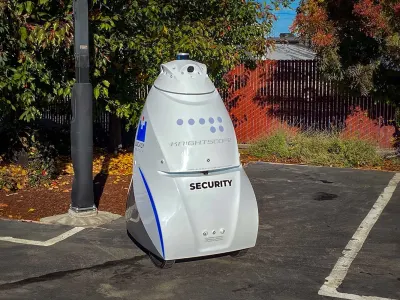
| The K5 ASR | Autonomous mobile platform optimized for indoor navigation | More expressive human-robot interaction and configurable upper-body setup | Retail, museums, and public information |
Platform over preset
Care-O-bot 4 also reflects a broader industry shift toward service robots that can be adapted for the room they are in, rather than scripted for one routine path. That matters because the hardest problems in hospitality robotics are not just movement and sensing, but making the robot understandable, approachable, and useful to people who have never used it before.
Explore Humanoids
Related Articles
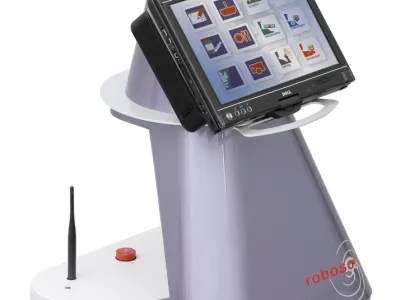
Robosoft’s Kompai keeps healthcare service robots focused on guided assistance, not humanoid spectacle
Temi Global’s Robocare Blackjack pushes service robots toward teleoperation-first service and inspection
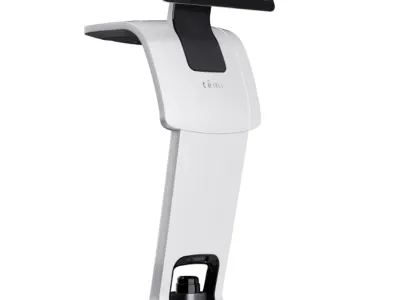
Temi 3 pushes teleoperation-first service robots deeper into hospitality and healthcare
Robocore Fourcast pushes Temi Global’s service robot into mobile advertising and guided reception
Learn More About This Robot
Discover detailed specifications, reviews, and comparisons for Care-O-bot 4.
View Robot Details →