Temi 3 pushes teleoperation-first service robots deeper into hospitality and healthcare
Robot Details
Temi 3 • Temi GlobalPublished
June 3, 2026
Reading Time
3 min read
Author
Origin Of Bots Editorial Team
What Temi 3 Is
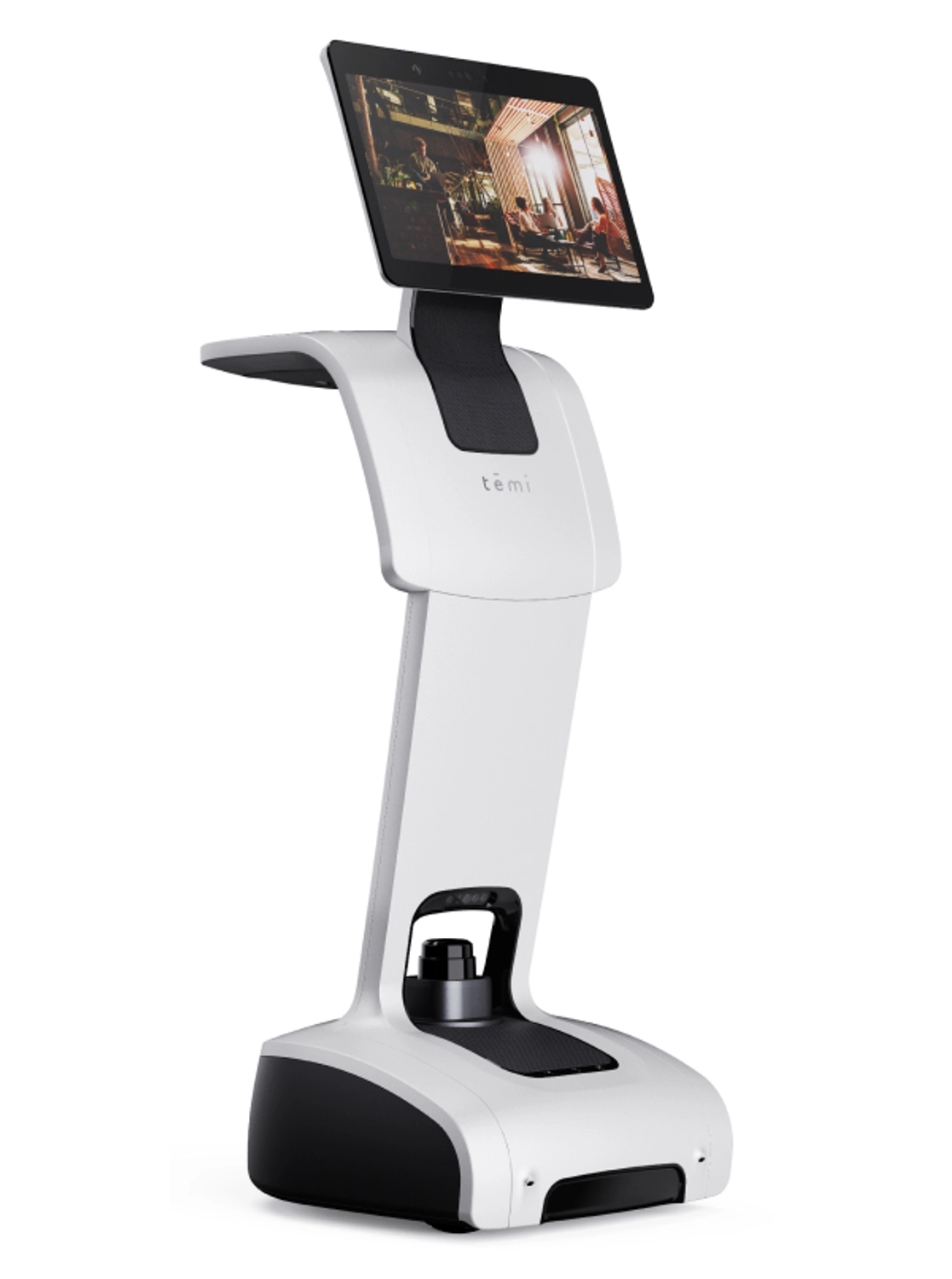
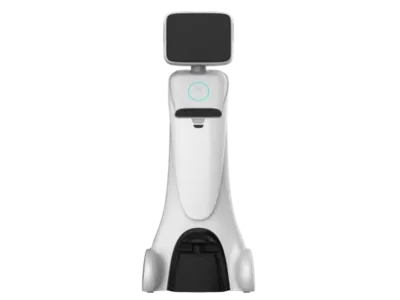
Temi Global’s Temi 3 is being presented as a service robot built for reception, guest guidance, information delivery, concierge tasks, and telehealth communication in human-centric spaces. Recent product materials describe a compact wheeled platform with autonomous indoor navigation, remote control support, and an Android 11-based software stack aimed at service deployments rather than industrial work.
Why It Matters
Temi 3 matters because it combines natural-looking indoor mobility with telepresence features that let staff interact with visitors from elsewhere, which is increasingly relevant for hotels, clinics, restaurants, and assisted living sites. Its appeal comes from the mix of user detection and tracking, obstacle avoidance, real-time sensor fusion, and a third-party app ecosystem, all of which support service work that depends on quick interaction rather than heavy manipulation. The category signal is clear: vendors are leaning into teleoperation and guided service, not just scripted robot routines. Temi 3 is less about spectacle and more about practical remote presence.
How It Works
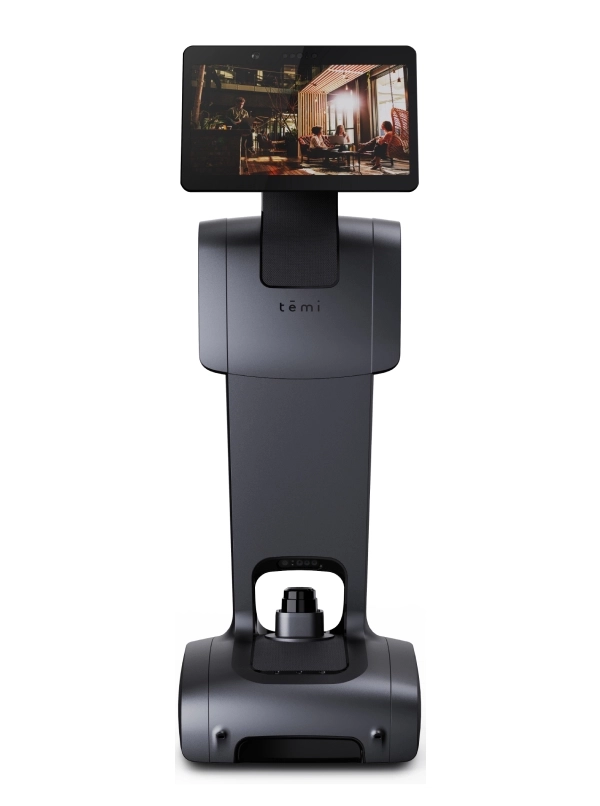
The system flow is straightforward: human input arrives through voice, app control, or remote telepresence, the software processes that input through the robot’s navigation and interaction stack, and the robot then moves, tracks the user, or presents information on its screen. Product materials describe 2D mapping, 3D localization, path planning, and obstacle avoidance working together with the sensor suite to help the robot navigate inside crowded buildings. In practice, that means the robot is designed to respond to people and spaces in real time instead of following fixed routes alone.
A Hotel Desk Use
In a hotel lobby, Temi 3 is positioned as a roaming reception assistant that can greet guests, guide them to facilities, and connect them to a remote staff member when needed. That use case matches the robot’s reported strengths: wheeled indoor mobility, user tracking, voice interaction, and mobile video calling through a remote-control app. For properties that want visible front-of-house support without staffing every moment in person, the robot’s value is in continuity, not autonomy for its own sake.
What The Specs Enable
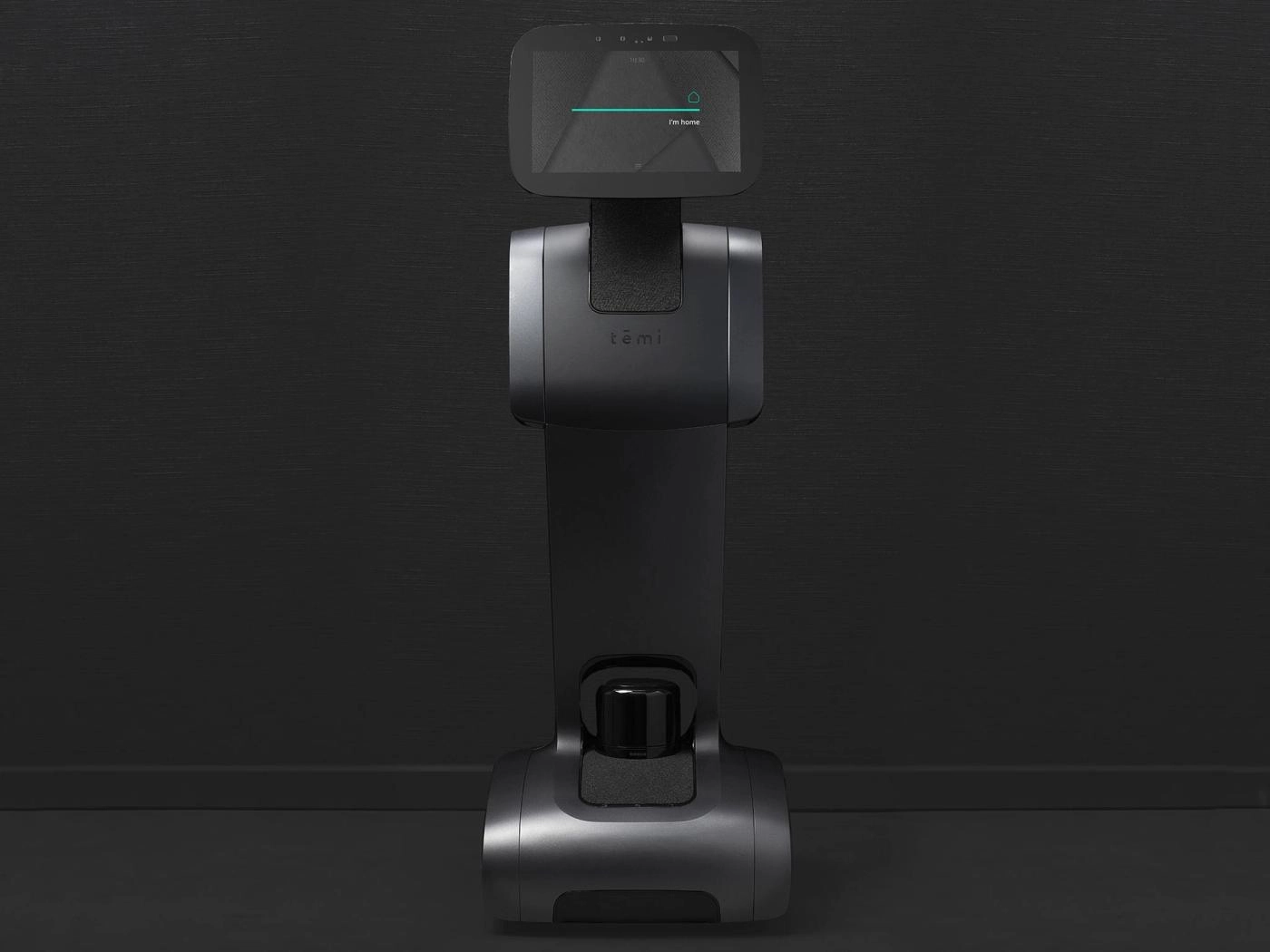
Temi 3 is reported at 45cm (L) x 35cm (W) x 100cm (H) and 12kg (26.4 lbs), a size that supports indoor maneuverability and placement in narrow public spaces. Its top speed is listed at 1 m/s (3.6 km/h), while the sensor stack includes 360-degree LIDAR, two depth cameras, a 13MP RGB camera, an IMU sensor, and six time-of-flight linear sensors for perception and collision awareness. The platform is also described with an ARM Hexa-Core processor running a Linux-based system alongside Android 11, which helps explain how it can handle navigation, interaction, and remote service workflows.
Rivals Edge Check
| Robot | Key Advantage | Where Temi 3 Wins | Target Use |
|---|---|---|---|
| GreetingBot Mini | Compact front-desk greeting and simplified visitor interaction | Broader sensor suite and telepresence-ready service workflow | Lobby greetings |
| Robocare Blackjack | Service-focused reception support and concierge-style interaction | Stronger app ecosystem and reported remote-control use | Guest assistance |
| AMY A1 | Human-facing interaction in hospitality settings | More mature navigation stack with user tracking and obstacle avoidance | Guided service |
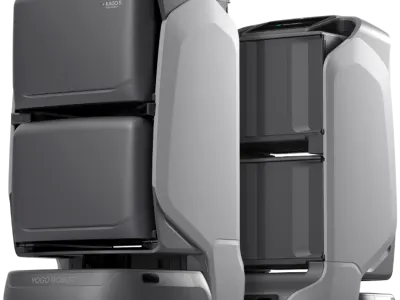
| KAGO 5 | Delivery-oriented mobility for indoor venues | Better positioned for reception, information delivery, and telehealth communication | Indoor service support |
The Bigger Signal
Temi 3 also reflects a broader market shift toward robots that are useful because they extend staff presence, not because they replace staff outright. For hospitality operators, that means the near-term value case is remote assistance, guided visitor support, and telehealth communication in places where a human handshake still matters. The industry is increasingly rewarding robots that can be deployed quickly, managed centrally, and adapted through software rather than hardware changes.
Explore Humanoids
Related Articles
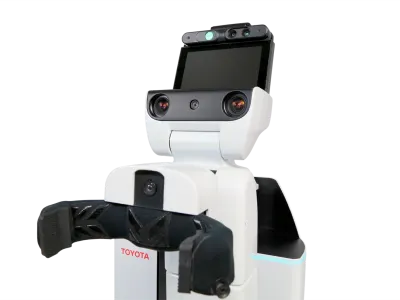
Toyota’s Human Support Robot shows how teleoperation can extend care and home assistance
Temi Go Pro pushes indoor service robots toward tighter navigation, secure delivery, and teleoperated oversight
Robosoft’s Kompai keeps healthcare service robots focused on guided assistance, not humanoid spectacle
Temi Global’s Robocare Blackjack pushes service robots toward teleoperation-first service and inspection
Learn More About This Robot
Discover detailed specifications, reviews, and comparisons for Temi 3.
View Robot Details →