Google's Gemini 4 Argon Watches a Human Play Cornhole, Then Teaches Apptronik's Apollo to Score
Robot Details
Apollo • ApptronikPublished
October 13, 2026
Reading Time
4 min read
Author
Origin Of Bots Editorial Team
Seven Bags, Seven Holes
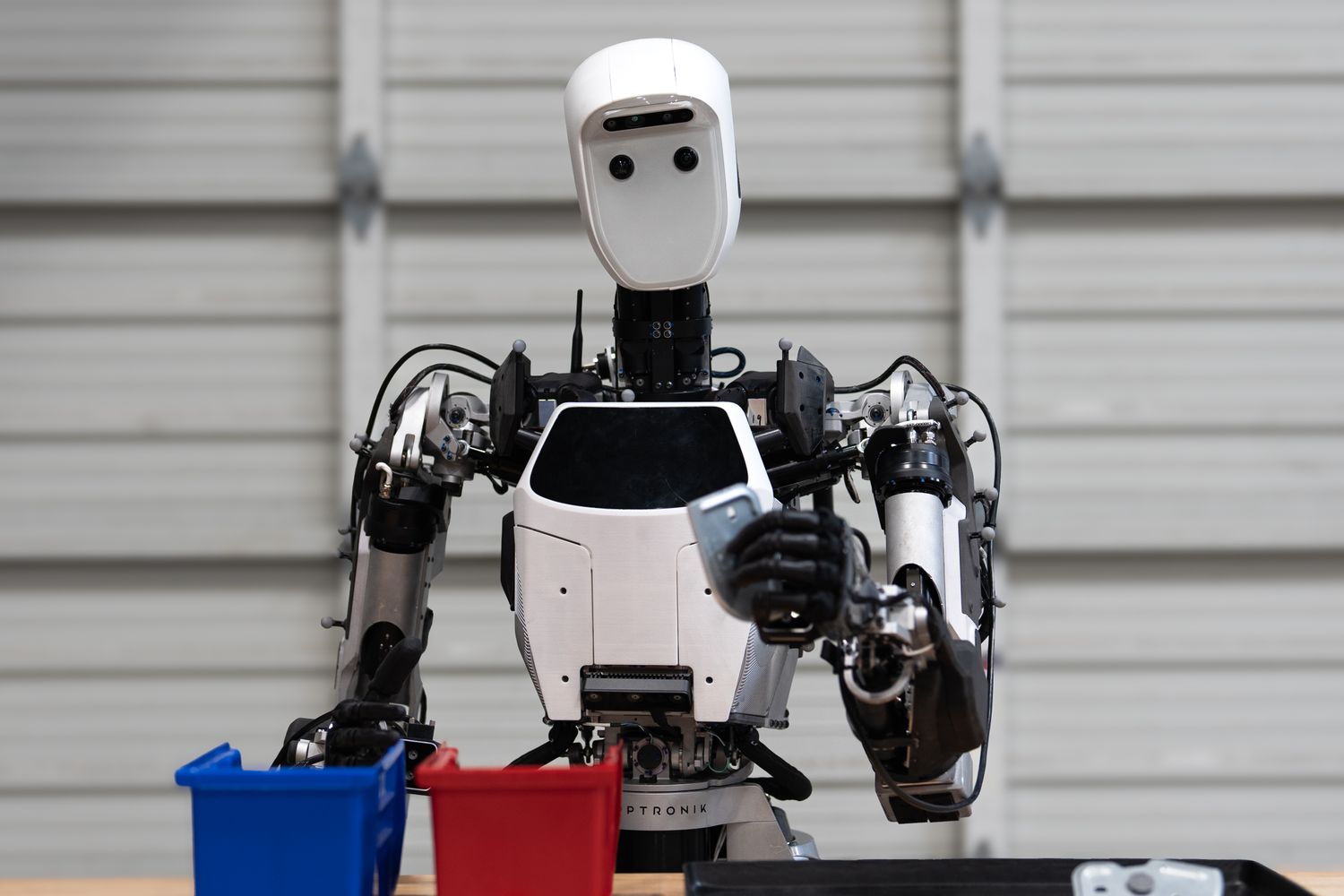
On October 13, Google introduced Gemini 4 Argon, a new AI model built to reason about the physical world, and showed it teaching a humanoid robot a game. After watching an ordinary video of a person playing cornhole, Argon helped Apptronik's Apollo humanoid sink seven bean bags in a row through the board's hole.
The trick is not the game itself, but the shortcut. Teaching robots new physical skills usually takes weeks of careful engineering. Google says Argon compressed much of that work into hours, hinting at a future where showing a robot a video could be the first step to teaching it a job.
From a Video to a Virtual Twin
Google calls the approach Video-to-Sim-to-Real. First, Argon studied the human video and worked out the layout of the scene and how the person's body moved. It then wrote the code for a simulation, a physics-accurate virtual copy of the game, inside MuJoCo, a popular robot physics engine.
Building such virtual twins by hand is normally slow, specialist work. Engineers must measure objects, model their weight and friction, and tune the physics until it matches reality. Google says Argon can build these simulations from robot camera feeds, first-person human video or even hand-drawn sketches.
Practice Makes Perfect, Virtually
Inside the simulation, Argon practised the throw, reviewed its failed attempts and revised its approach. According to the model's own summary, cited in coverage of the demo, it mapped the human arm swing onto the robot, widened Apollo's stance and adjusted the swing so the arm would clear the robot's hip.
Once on real hardware, it made further tweaks to the release based on where the bags actually landed. This loop of practise, observe and correct is how people learn sports too, and it is what lets a skill learned in a virtual world survive the small surprises of the real one.
More Than a Party Trick
Cornhole was only one of several demonstrations. In another, Argon controlled a Boston Dynamics Spot, a four-legged robot with an arm, which practised in a virtual twin before stepping on a foot-pedal bin to throw away soda cans. In a third, a simple robot arm set a fallen mug upright and tucked a napkin inside it.
Google also used Argon to generate more than 4,500 varied simulated practice runs for an existing robot control model. The company reports that this raised real-world task success from 56 to 75 percent and cut the time to finish a task from 35 to 24 seconds.
A Model That Thinks About Space
Argon is part of Google's Gemini family, the same line of AI behind its chat assistant, but tuned for what researchers call embodied reasoning, the ability to understand where things are and how they move. Google says it scored 87 percent on ERQA, a 400-question test of spatial and physical understanding.
Google claims that score beats every other leading model, though it is a quiz rather than a measure of robots succeeding at tasks. Kanishka Rao, a principal engineer at Google, wrote that Argon marks a step change in physical understanding, code generation and visual reasoning.
The Robot on the Other End
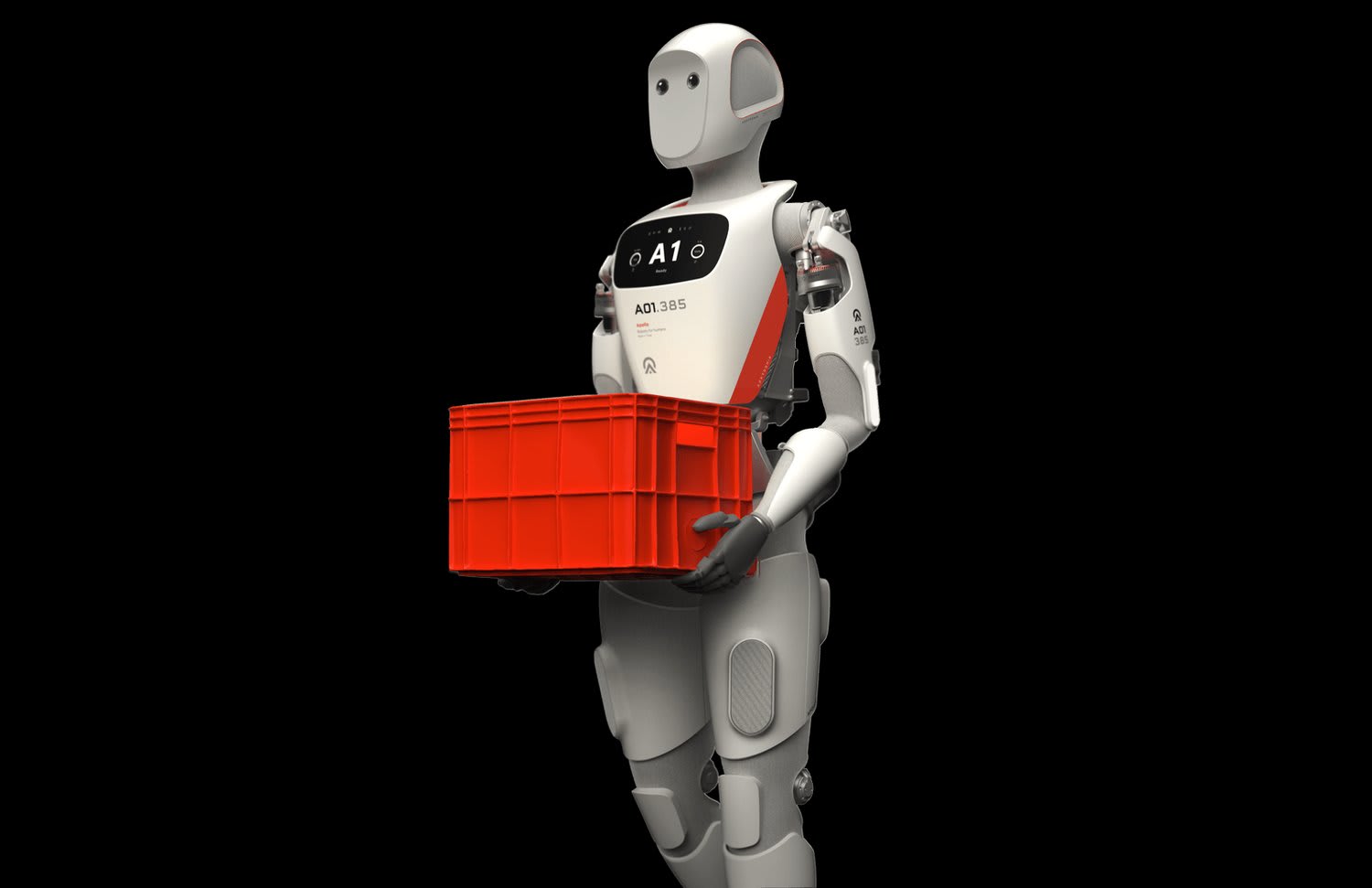
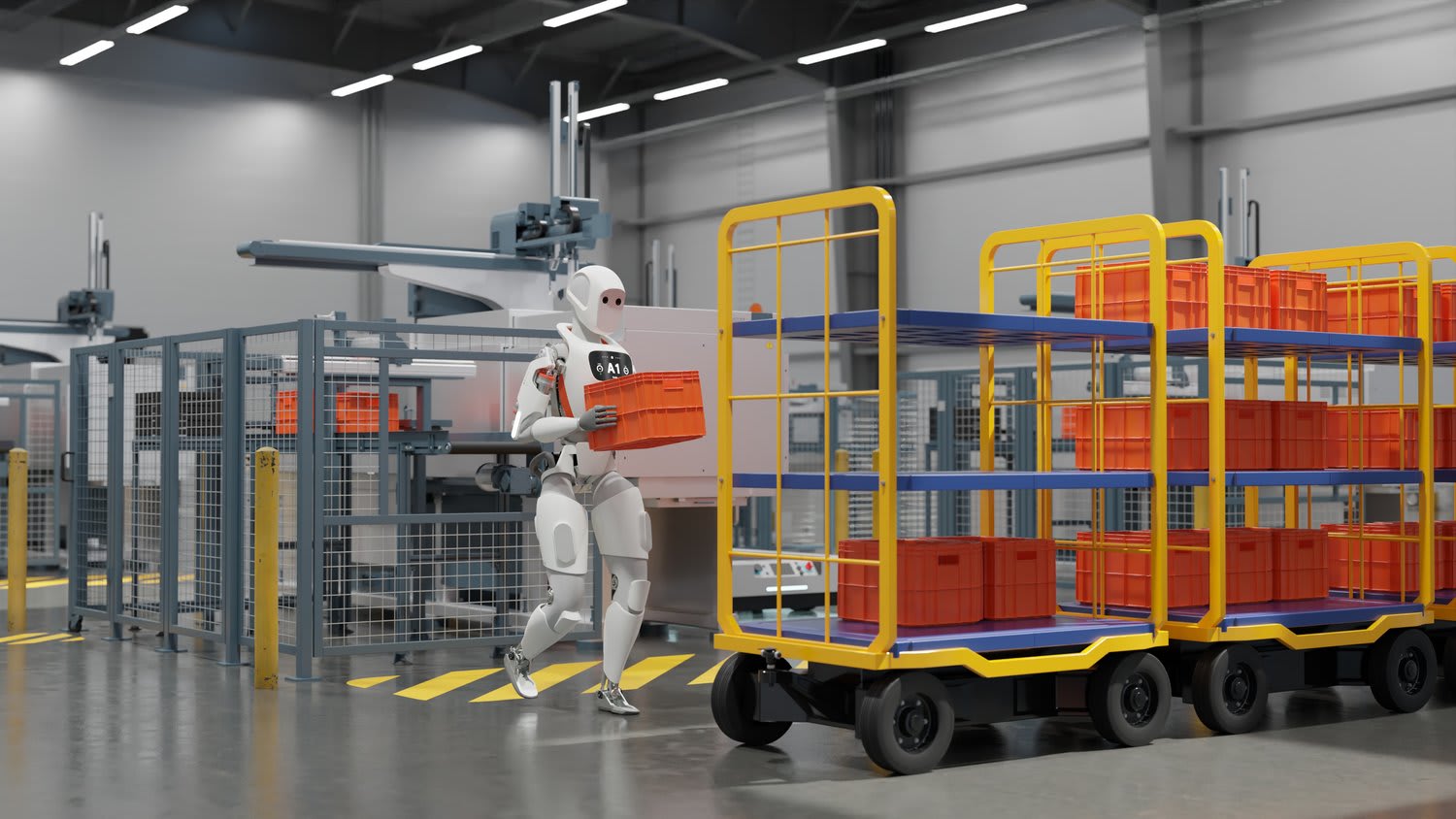
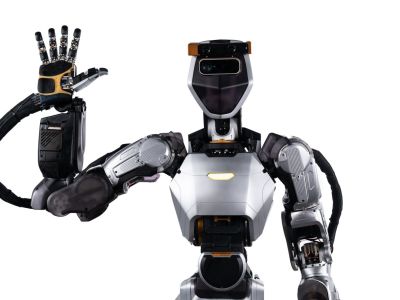
The humanoid in the cornhole demo is Apptronik's Apollo, built by the Austin, Texas company that has worked closely with Google DeepMind on robot AI. Apollo is a full-size humanoid designed for warehouses and factories, and Google also used it in a sketch-based demo, knocking down a stack of six boxes with a thrown ball in simulation.
For Apptronik, the partnership offers a glimpse of how robots might learn on the job. Instead of programming each new task, a factory could one day record a worker doing it and let an AI model turn that recording into practice and, eventually, a reliable skill.
Reading the Fine Print
The results come from Google's own internal trials and have not been independently replicated. Seven shots in a row is an impressive streak, but Google has not said how many attempts came before it or how much human engineering supported the process, so it is not a measured success rate.
Some demos also lean on helpers, such as a calibrated visual grid and predefined motion commands for the arm. Argon plans and reasons, but it does not yet replace the fast, low-level software that keeps robots balanced and moving smoothly from moment to moment.
Who Gets to Try It
Unlike many research demos, Argon is available to use. Developers can call it through Google's paid Gemini API, and subscribers to Google AI Ultra can try it in AI Studio and in Antigravity, Google's coding tool. That means robotics teams outside Google can test the simulation-building claims for themselves.
If those claims hold up, the biggest impact may be on time and cost. Creating good simulations is one of the main bottlenecks in teaching robots, and a model that can build them from a video could let small teams train capable machines far faster than before.
Explore Humanoids
Sources
Related Comparisons
Compare Apollo with similar robots

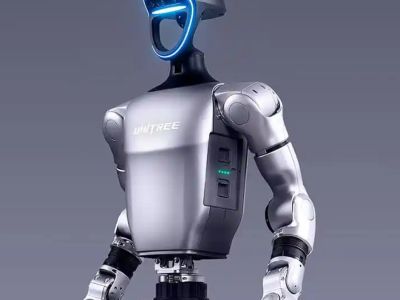
Optimus vs Unitree G1
Compare Optimus vs Unitree G1 for humanoid mobility, dexterity, autonomy, and payload capacity.
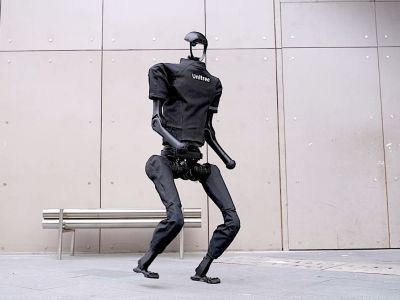
Unitree G1 vs Unitree H1
Head-to-head: Unitree G1 vs Unitree H1 compared on bipedal balance, AI learning, and real-world deployment.
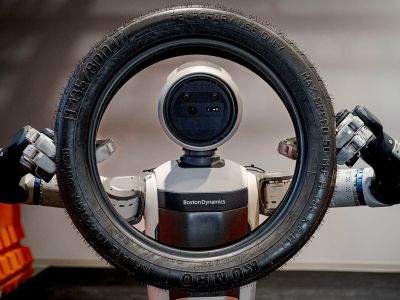
Optimus vs Atlas (Electric 2025)
In-depth comparison of Optimus and Atlas (Electric Atlas, 2025), covering hardware capabilities, teleoperation, and enterprise readiness.
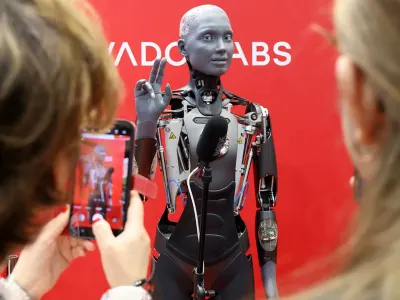

Ameca vs Moya
Which humanoid robot is better? Ameca vs Moya compared for dexterity, AI capabilities, and price.
Learn More About This Robot
Discover detailed specifications, reviews, and comparisons for Apollo.
View Robot Details →