HUROTICS Launches H-Medi Pro, First Garment-Type Wearable Rehab Suit with AI-Driven Gait Correction
Robot Details
H-Medi • HUROTICS Inc.Published
May 5, 2026
Reading Time
4 min read
Author
Origin Of Bots Editorial Team
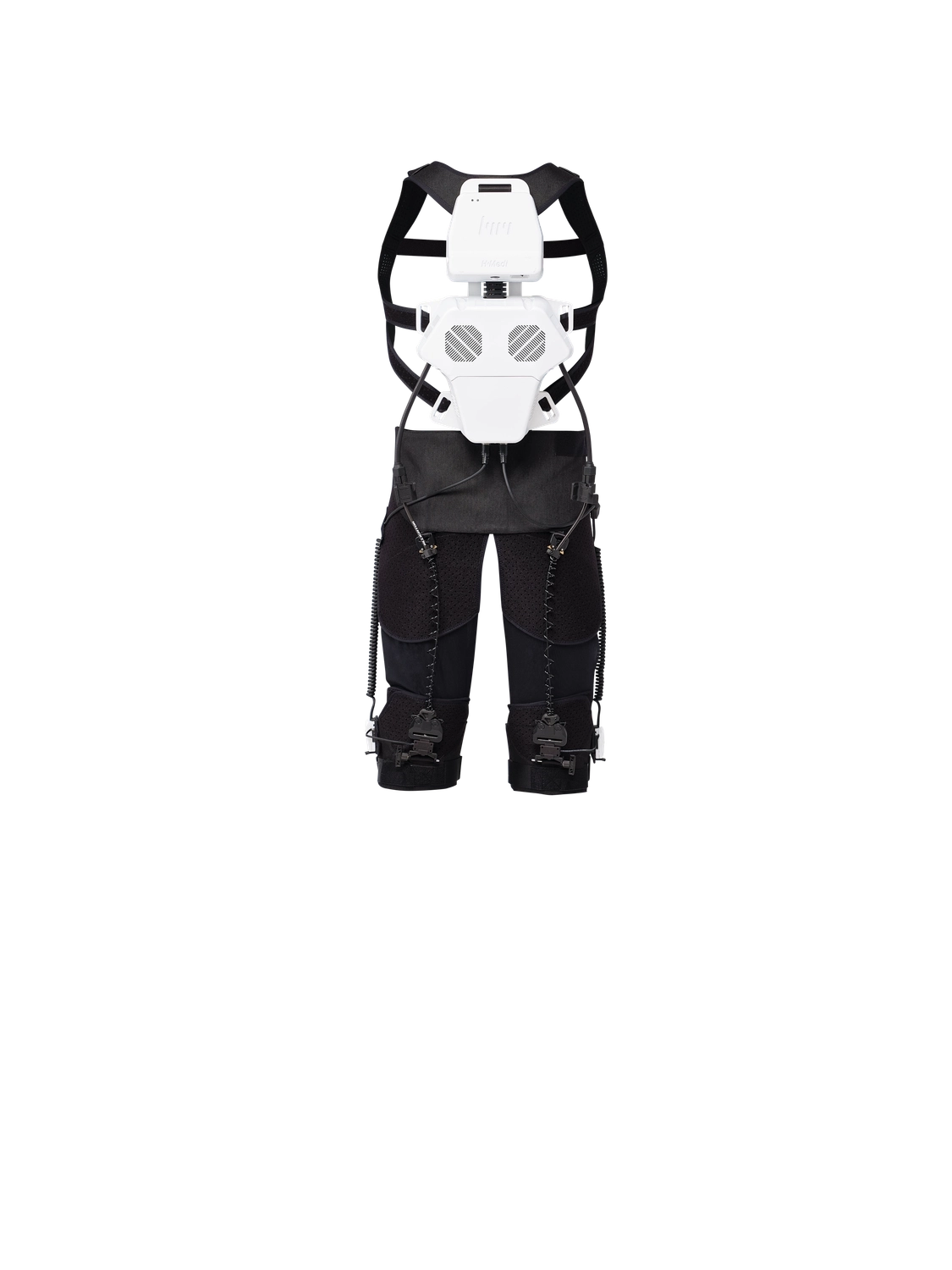
Wearable robotics enters the home
As mobility decline accelerates in aging populations worldwide, rehabilitation devices remain largely confined to clinical settings, creating a gap for patients requiring ongoing gait therapy. HUROTICS Inc., a South Korean startup founded by CEO Lee Ki-uk in 2022, has introduced the H-Medi Pro, positioning it as the world's first garment-type wearable robotic suit designed for personalized gait rehabilitation across hospitals, clinics, and home environments. The device earned recognition at CES 2026, marking a significant milestone in making exosuit technology accessible to elderly patients and stroke recovery programs.
Why specialized exosuits matter now
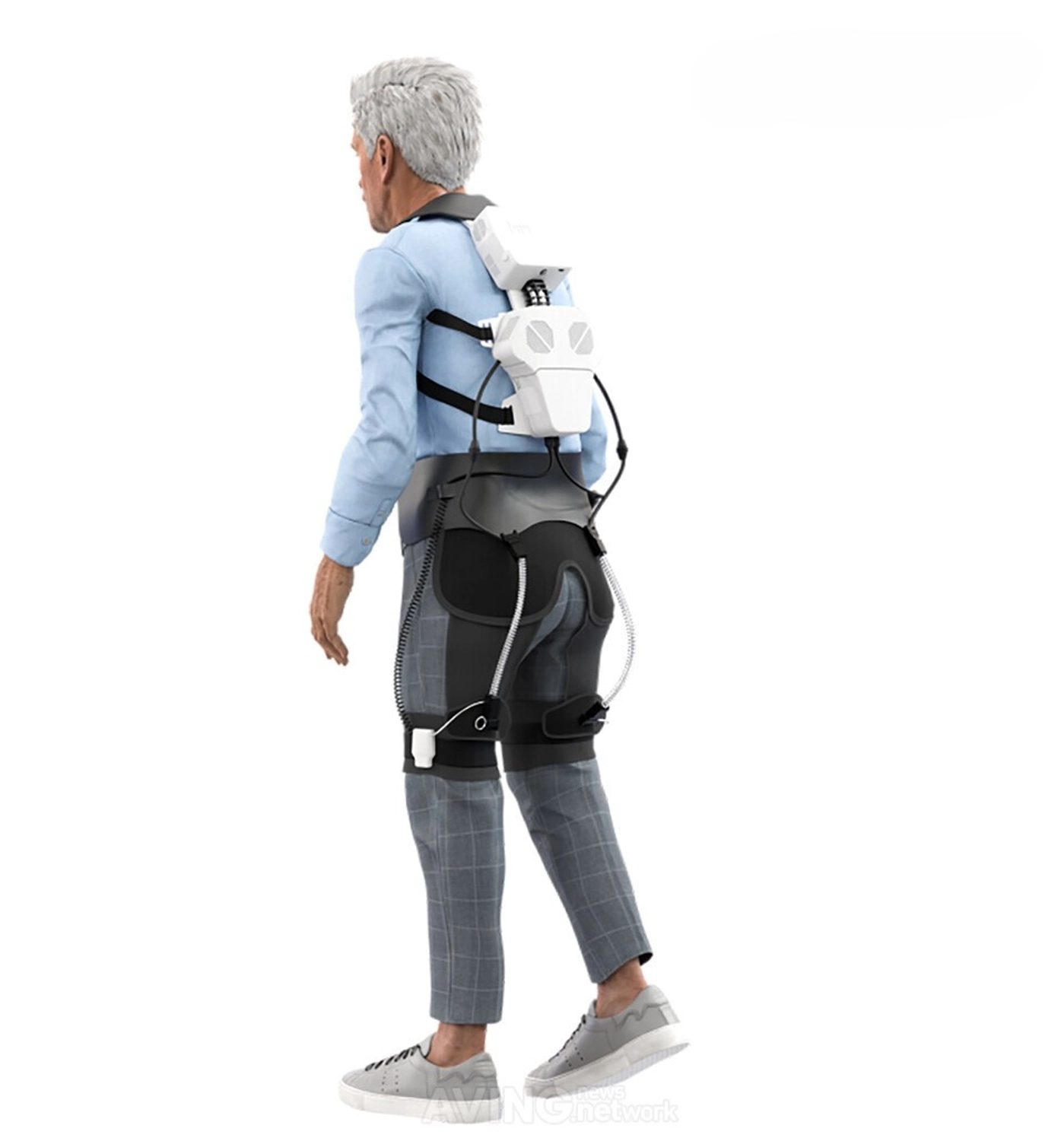
The H-Medi Pro addresses four core limitations of traditional rigid exoskeletons: bulk and setup time, uniform rather than personalized interventions, skin pressure complications, and clinical-only deployment. The suit weighs under 2.8 kilograms and dons in approximately 30 seconds, reducing friction for elderly users unfamiliar with complex medical equipment. Its domain-adaptive AI analyzes abnormal gait patterns within just 10 strides using patented spatiotemporal and joint kinematic data, then generates individualized rehabilitation protocols rather than applying fixed assistance patterns. The device delivers up to 200 newtons of assistive force with less than 3 percent error, enabling precise, targeted muscular support. H-Medi Pro's fabric-based interface with adjustable connection points and modular cable-driven actuators minimizes skin pressure while maximizing therapeutic effect, fundamentally shifting exosuit design from rigid frames to adaptive textiles.
How AI guides each step
The system operates through a clear input-to-output flow: motion sensors embedded in the suit capture the wearer's gait data and leg movements in real time, proprietary on-device AI processes this information to identify which muscles require assistance and at what intensity, then cable-driven actuators in the legs contract and relax to provide precisely timed support. This closed-loop approach means the robot adapts continuously to the individual's movement patterns rather than following preprogrammed routines, allowing patients with highly variable gait disorders to receive truly personalized therapy.
Stroke recovery without clinic walls
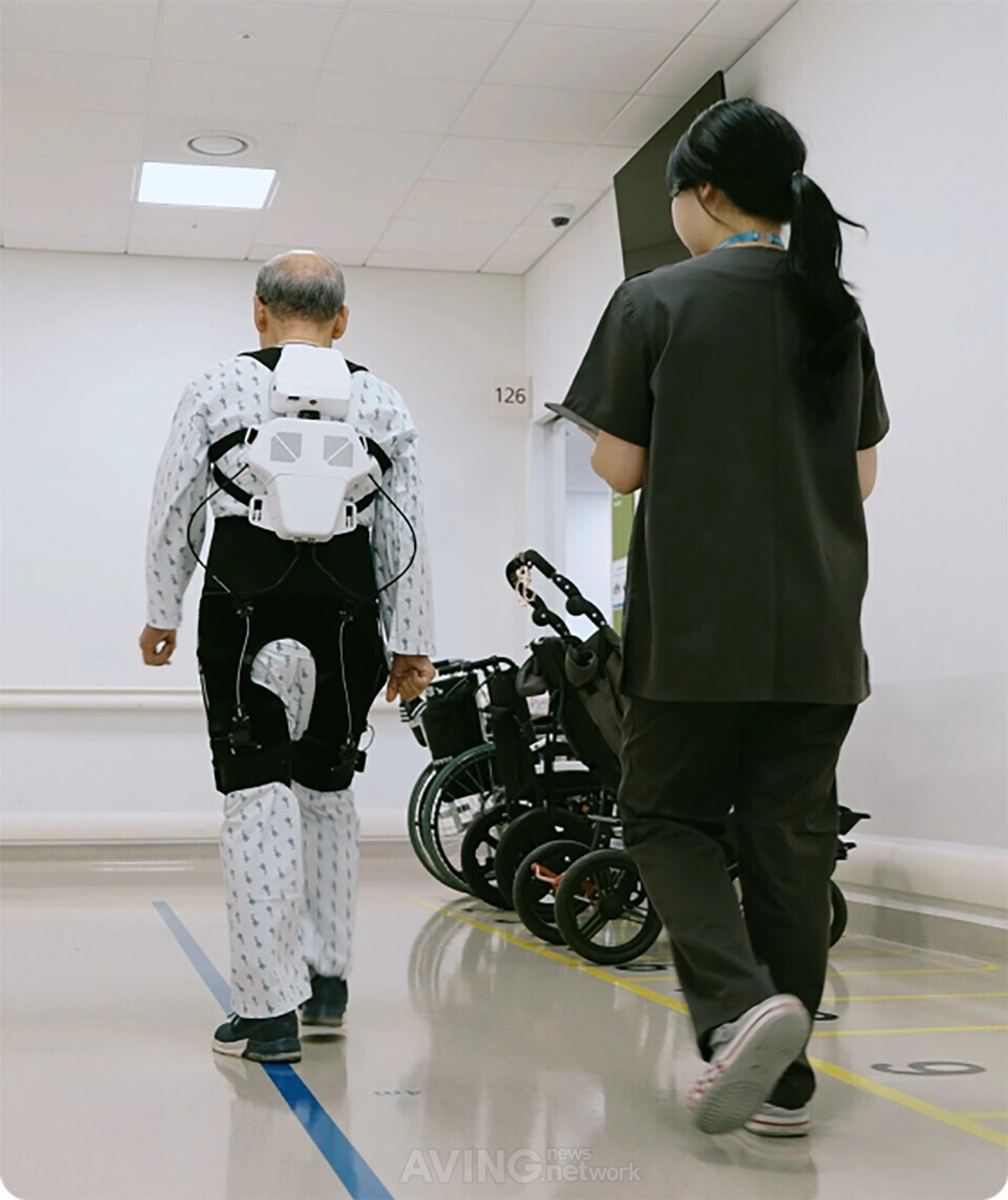
Consider a 68-year-old stroke survivor discharged from inpatient rehabilitation after eight weeks of intensive therapy. Traditionally, ongoing gait training would require twice-weekly clinic visits, transportation logistics, and high out-of-pocket costs. With H-Medi Pro registered by the FDA for home use, this patient could don the suit at home, perform 20-minute gait training sessions while the AI continuously analyzes movement quality and adjusts assistance, and generate daily progress reports accessible to their physical therapist. The therapist reviews trends remotely, adjusts protocols as needed, and the patient maintains therapeutic consistency without clinic dependency. This scenario directly addresses the gap between clinical discharge and community reintegration, where most gait decline occurs.
Verified capabilities and design choices
The H-Medi Pro's design targets all-day wearability through its textile-based construction and sub-3-kilogram mass, a critical requirement for elderly users who cannot tolerate heavy exoskeletons for extended periods. Its AI is reported to predict disease prognosis with 92 percent accuracy and deliver customized support within two minutes of donning, according to HUROTICS clinical data. The system's adaptive algorithms achieve 95 percent accuracy in gait support, with demonstrated improvements in walking speed exceeding 10 percent and gait efficiency gains up to 21 percent in controlled rehabilitation settings. Battery life is designed to support multi-day use between charges, enabling consistent daily therapy without frequent recharging interruptions.
Filling the home rehabilitation niche
H-Medi Pro occupies a distinct segment within the broader robotics landscape: specialized exosuits designed not for industrial payload handling or disaster response, but for clinical-grade therapeutic intervention in non-clinical environments. Unlike general-purpose exoskeletons or robotic arms, this device solves a specific, high-stakes problem facing super-aged societies: how to deliver continuous, personalized rehabilitation to millions of elderly patients and stroke survivors without overwhelming clinic capacity. The garment-type design represents a deliberate departure from rigid exoskeleton aesthetics, positioning the device as medical apparel rather than industrial machinery. This positioning allows HUROTICS to target not only rehabilitation centers and hospitals but also home care networks, nursing facilities, and eventually direct-to-consumer markets for preventive mobility maintenance. The company's roadmap indicates plans to develop lighter, simpler versions for daily living, suggesting the H-Medi platform is becoming a category unto itself rather than a one-off product.
What exosuit adoption signals for rehab robotics
The emergence of FDA-registered, home-deployable exosuits signals a fundamental shift in how rehabilitation robotics are conceived and commercialized. Rather than competing on raw performance metrics or industrial applications, specialized rehab exosuits are now winning market traction by solving accessibility and personalization problems that clinical institutions cannot address alone. HUROTICS' dual CES awards in 2025 and 2026 for H-Medi variants indicate industry recognition that fabric-based, AI-adaptive designs outcompete traditional rigid systems for therapy applications. This trajectory suggests future exosuit development will prioritize comfort, home compatibility, and domain-specific AI over mechanical strength, fundamentally reshaping which companies can compete in this space. For aging societies facing simultaneous shortages of physical therapists and rising stroke incidence, the ability to scale personalized rehabilitation through wearable technology becomes less a luxury innovation and more an essential infrastructure requirement.
Sources
Related Articles
LeTianpai Launches Rux Robot as Android-Powered Desktop AI Companion

Casio's Moflin Redefines Pet Robotics as Emotional AI Companion Gains Global Traction
Piaggio Fast Forward Unveils Compact Gita Mini Cargo Robot
Toyota's Kirobo Mini Pioneered Palm-Sized Emotional Companionship
Learn More About This Robot
Discover detailed specifications, reviews, and comparisons for H-Medi.
View Robot Details →