Toyota's Kirobo Mini Pioneered Palm-Sized Emotional Companionship
Robot Details
Kirobo Mini • ToyotaPublished
May 5, 2026
Reading Time
3 min read
Author
Origin Of Bots Editorial Team
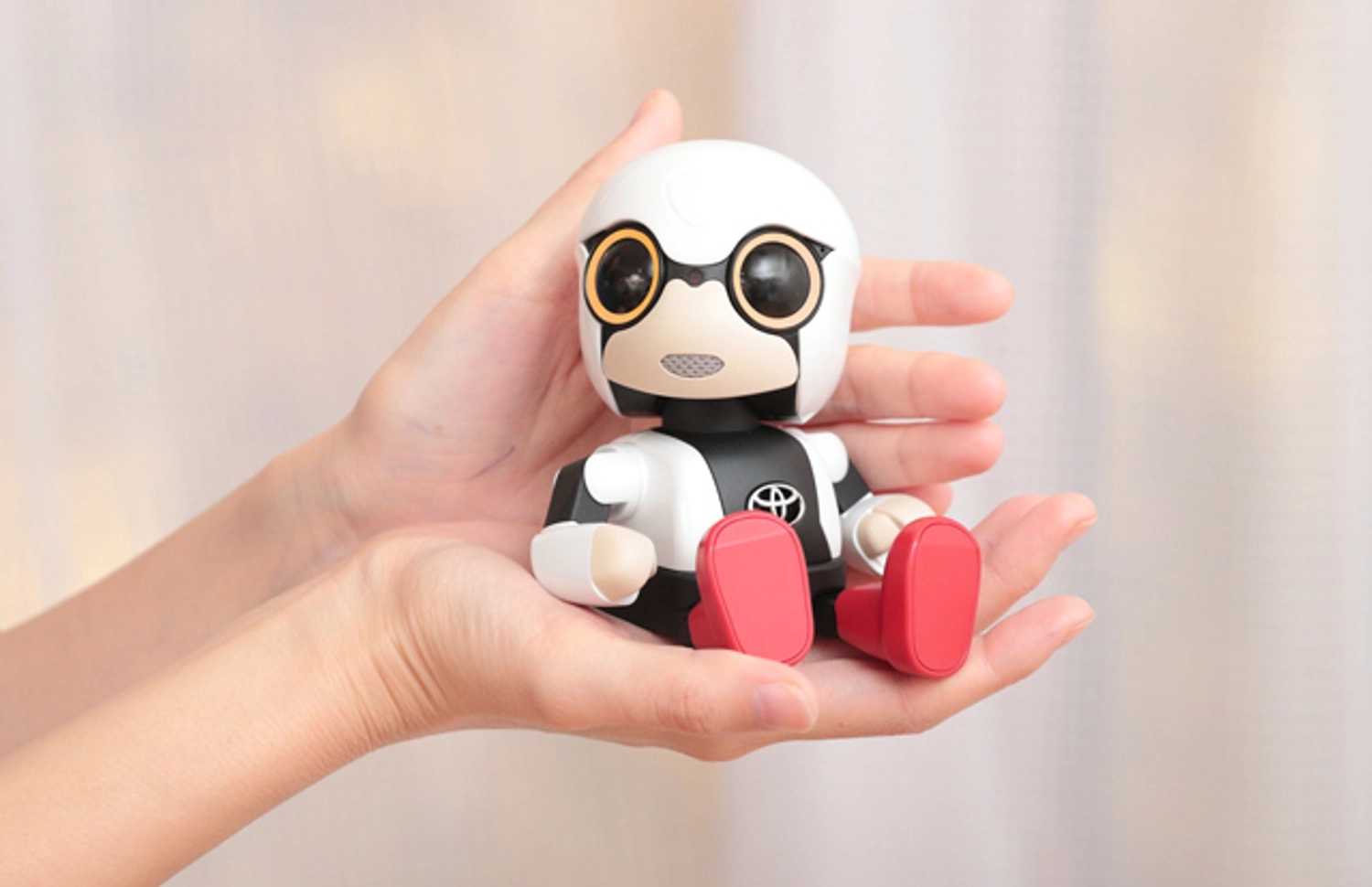
Companion Robot Debut
In an era where loneliness drives demand for emotional tech companions, Toyota launched the Kirobo Mini in 2017 as a palm-sized robot designed for casual conversations and emotional responsiveness. Developed with roboticist Tomotaka Takahashi, this 10cm seated companion connects via Bluetooth to a smartphone app for Japanese-language interactions, recognizing facial expressions through its built-in camera to adjust gestures and tone. Initially sold at select Japanese Toyota dealers for around 39,800 yen plus a monthly app fee, it marked Toyota's push into personal robotics beyond vehicles.
Niche Appeal Unpacked
Kirobo Mini stands out with its purpose-built emotion detection, wobbling gestures mimicking a baby's vulnerability to foster connection, and integration with car or home data for contextual chats. Its stationary design prioritizes portability over mobility, fitting cupholders for drives or pockets for daily use, while remembering user preferences to evolve interactions. Kirobo Mini redefines companionship through subtle emotional mirroring in constrained spaces.
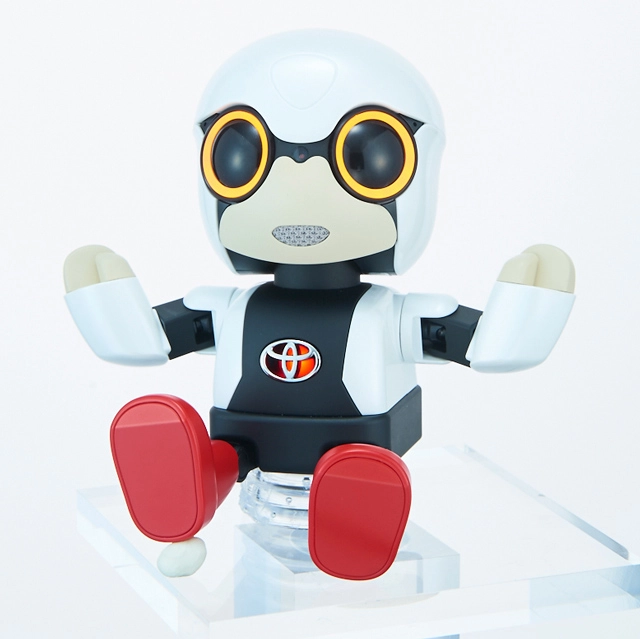
Sensing to Response
The system begins with camera input capturing facial expressions for emotion detection, processes this via the proprietary app for language understanding and context from connected devices, then outputs tailored speech, blinks, head tilts, and arm gestures. This flow enables natural back-and-forth without locomotion, focusing mechanical execution on expressive wobbles and eye glows. Accessibility comes from Bluetooth reliance, keeping onboard processing light.
Cupholder Conversations
During solo drives, Kirobo Mini nests in a car cupholder, using vehicle data to comment on traffic or destinations while reading the driver's mood to cheer or calm with adjusted tones and gestures. It might recall past trips, pleading not to be left behind, turning commutes into engaging dialogues that reduce isolation. This scenario leverages its compact form for hands-free emotional support without distracting from the road.
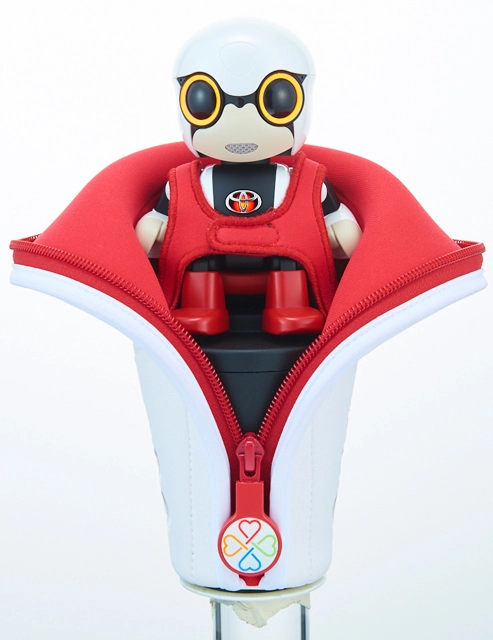
Compact Capabilities
At 10cm seated height, 7.7cm width, and 183g weight, Kirobo Mini enables pocket portability for anywhere companionship, with rounded edges ensuring safe handling during interactions. Its built-in camera supports emotion-aware responses, while a low-voltage battery delivers about 2.5 hours of continuous use after 3-hour charges, suiting short daily sessions. Stationary wobbling gestures provide lifelike expressiveness without navigation needs.
Robotics Niche Filled
Kirobo Mini occupies a unique spot in the miscellaneous robotics landscape as a non-task-oriented emotional bridge, blending Toyota's automotive expertise with personal tech for vulnerability-driven bonds in cars, homes, or on-the-go. Unlike utilitarian bots, it fills the gap for subtle, app-enhanced companionship that learns from owners, targeting Japan's aging population and urban solitude without competing in delivery or cleaning domains. Its 2017 launch via dealers positioned it as an accessible entry to human-robot familiarity.
Broader Trends Signaled
This development signals miscellaneous robotics shifting toward emotionally intelligent niches, expanding from industrial tools into everyday emotional automation where structured app ecosystems enable reliable, low-mobility interactions. It foreshadows growth in companion bots for mental health support, prioritizing niche reliability over versatility amid rising demand for human-like vulnerability in static environments. Toyota's model hints at automotive firms leading hybrid personal robotics.
Related Articles
Miko 3 Positions AI Companionship as Core Educational Tool for Elementary-Age Children
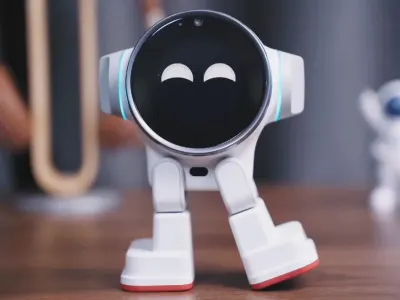
LeTianpai Launches Rux Robot as Android-Powered Desktop AI Companion

Casio's Moflin Redefines Pet Robotics as Emotional AI Companion Gains Global Traction
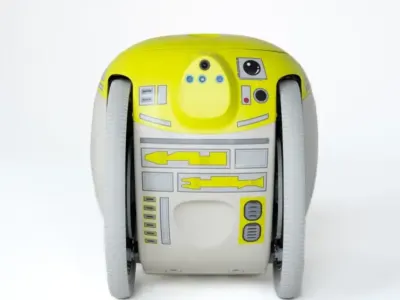
Piaggio Fast Forward Unveils Compact Gita Mini Cargo Robot
Learn More About This Robot
Discover detailed specifications, reviews, and comparisons for Kirobo Mini.
View Robot Details →