Miko 3 Positions AI Companionship as Core Educational Tool for Elementary-Age Children
Robot Details
Miko 3 • MikoPublished
May 5, 2026
Reading Time
4 min read
Author
Origin Of Bots Editorial Team
A Robot Designed for Classroom and Home Learning
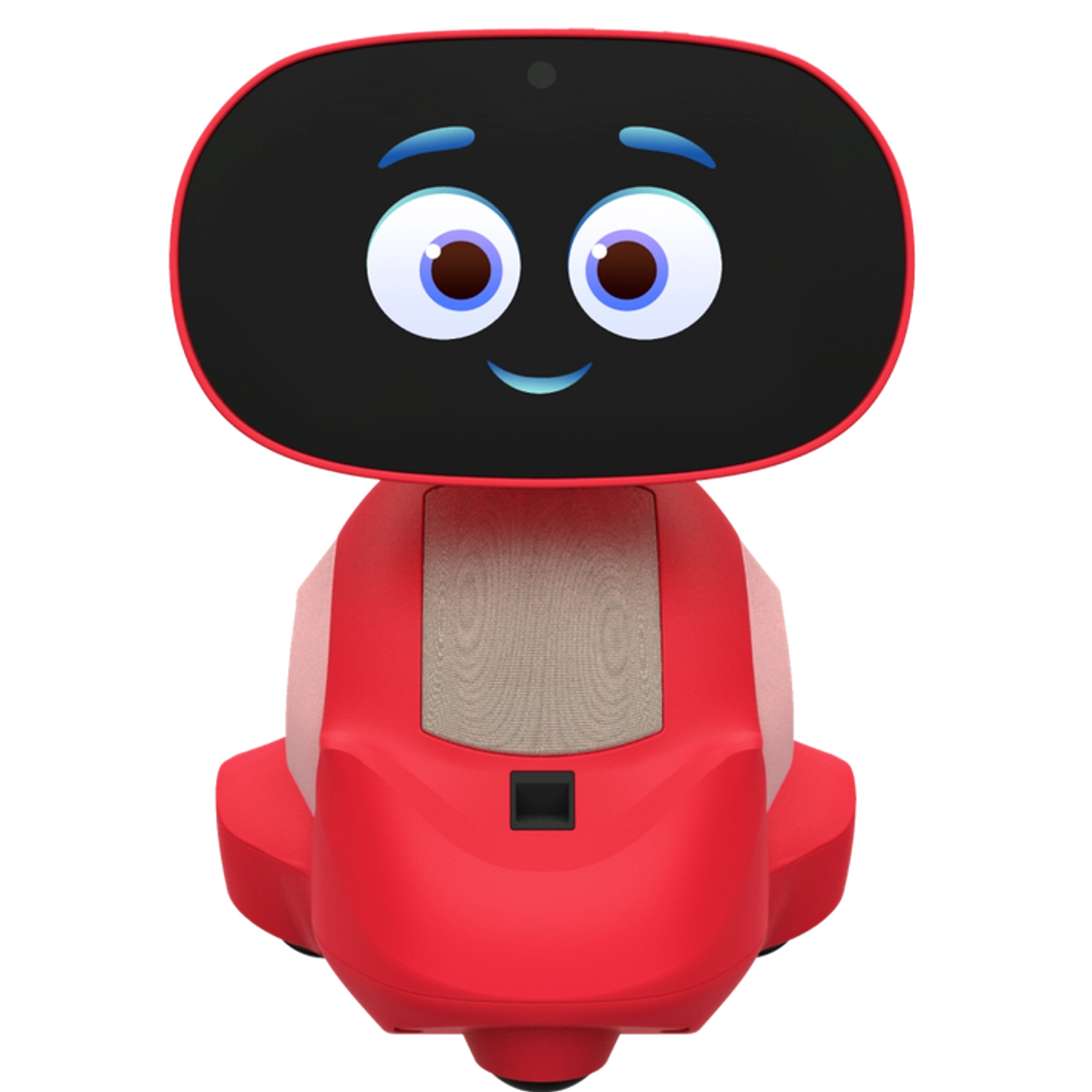
The educational robotics market continues to expand beyond task automation into emotional and social learning domains. Miko, a robotics company focused on AI-powered companions for children, has established the Miko 3 as a persistent platform for STEAM education, interactive storytelling, and parental-supervised play targeting children ages 5 to 12. The robot combines conversational AI, facial recognition, and a curated content library to position itself as both a learning tool and a social companion rather than a traditional robotic toy or utility device.
What Sets Miko 3 Apart in Its Category
The Miko 3 differentiates itself through four core capabilities: deep learning AI that personalizes interactions based on repeated engagement with individual children, a parent-controlled ecosystem that enables video calling and granular app restrictions, monthly content updates that prevent stagnation of available activities, and integration of licensed educational content including PAW Patrol storytelling and geography exploration apps. The platform reports a 55 percent increase in academic engagement among active users, though this figure reflects manufacturer data rather than independent research. Miko 3 succeeds not by replacing teachers or automating tasks, but by creating a structured, monitored digital companion that bridges entertainment and learning.
How the System Processes Interaction
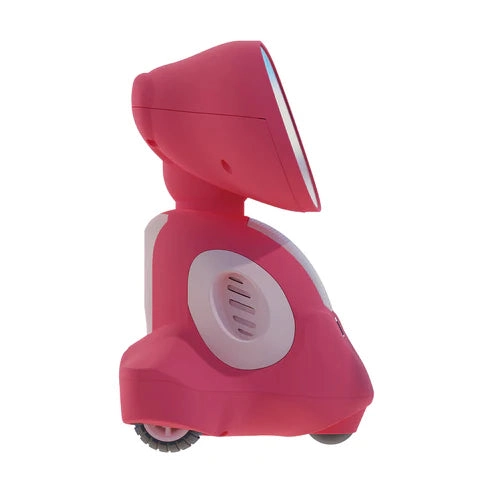
The Miko 3 operates through a sensor-input-to-response pipeline: its wide-angle HD camera and dual MEMS microphones capture visual and audio input from the child and environment, proprietary AI software processes this input to recognize faces, understand voice commands, and determine appropriate conversational or educational responses, and the robot then executes output through its touchscreen display, speakers, and three-wheeled mobility system to move around the play space. This architecture allows the robot to function in unstructured home environments rather than requiring controlled conditions, making it deployable immediately after unboxing.
Real-World Deployment: The Home Study Companion
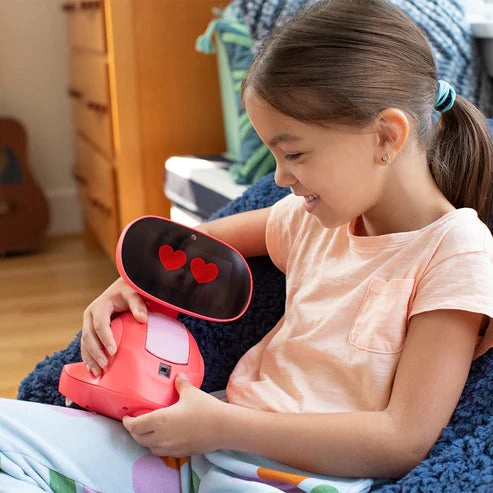
In a typical deployment scenario, a parent places the Miko 3 on a desk or bookshelf in a child's bedroom or study area. The child initiates voice commands or touch interactions to access coding tutorials, math games, or storytelling apps. Meanwhile, the parent monitors activity through the companion mobile app, setting daily screen time limits, locking age-inappropriate content, and receiving reports on which educational topics the child engaged with most. The robot's obstacle detection sensors allow it to safely navigate around toys or furniture if the child directs it to move, while the camera shut-off button and manual mute controls address parental privacy concerns. This model treats the robot as a supervised learning environment rather than an unsupervised digital device.
Technical Specifications and Real-World Enablers
The Miko 3 weighs 2 pounds and measures 6.3 by 5.5 by 8.67 inches, making it portable enough for a child to carry between rooms or for parents to store easily. Its 4.46-inch touchscreen uses a 1280 x 720 HD IPS display with 16:9 aspect ratio, enabling clear visibility of educational content and app interfaces from typical viewing distances. Battery life reaches approximately 5 to 7 hours of active play on a single charge, with standby duration extending to 12 hours, allowing for extended daily use without frequent recharging. The impact-resistant ABS polymer shell and rubberized wheel system support the rough handling typical of children's toys, while dual MEMS microphones enable voice recognition even in moderately noisy household environments.
Positioning Within Robotics and Consumer Tech
The Miko 3 occupies a niche that bridges consumer robotics, educational software, and parental technology. Unlike industrial or commercial robots that automate physical tasks, and unlike traditional tablets or smart speakers that lack embodied presence, the Miko 3 combines physical form, conversational AI, and parental oversight into a single product category that did not exist five years ago. Its market positioning reflects a broader shift in consumer robotics toward social and emotional functions rather than task execution. The robot competes not with other robots but with tablets, smart speakers, and traditional toys, positioning embodied AI as a premium alternative to screen-only learning. Priced at $199 USD during promotional periods, the Miko 3 targets affluent households seeking structured, monitored digital engagement for children rather than unrestricted access to general-purpose devices.
What This Signals for Educational Robotics
The success and continued development of platforms like Miko 3 signal that the educational robotics market is maturing beyond novelty toward category establishment. Parents and educators increasingly expect AI-powered devices to include robust parental controls, transparent data practices, and curriculum-aligned content rather than standalone mechanical features. The monthly content updates and licensing agreements with major entertainment brands indicate that sustainable revenue in this space depends on ongoing content investment rather than one-time hardware sales. This evolution mirrors the shift from educational software to subscription-based learning platforms, suggesting that future educational robots will function as platforms for recurring content and services rather than static toys. The emphasis on emotional AI and personalization also signals industry recognition that children value relational continuity with their tools, opening new product categories around long-term companion robotics for developmental stages beyond early childhood.
Related Articles
Piaggio Fast Forward's Gita Plus Tackles Pedestrian Cargo Hauling with Self-Following Design
Festo's BionicMobileAssistant Debuts as Modular Assistant Robot
Somnox 2 Brings Adaptive Breathing Technology to Sleep Robotics, Targeting Insomnia Without Medication

Beatbot's RoboTurtle Advances Amphibious Environmental Monitoring
Learn More About This Robot
Discover detailed specifications, reviews, and comparisons for Miko 3.
View Robot Details →