Beatbot's RoboTurtle Advances Amphibious Environmental Monitoring
Robot Details
RoboTurtle • BeatBotsPublished
May 5, 2026
Reading Time
3 min read
Author
Origin Of Bots Editorial Team
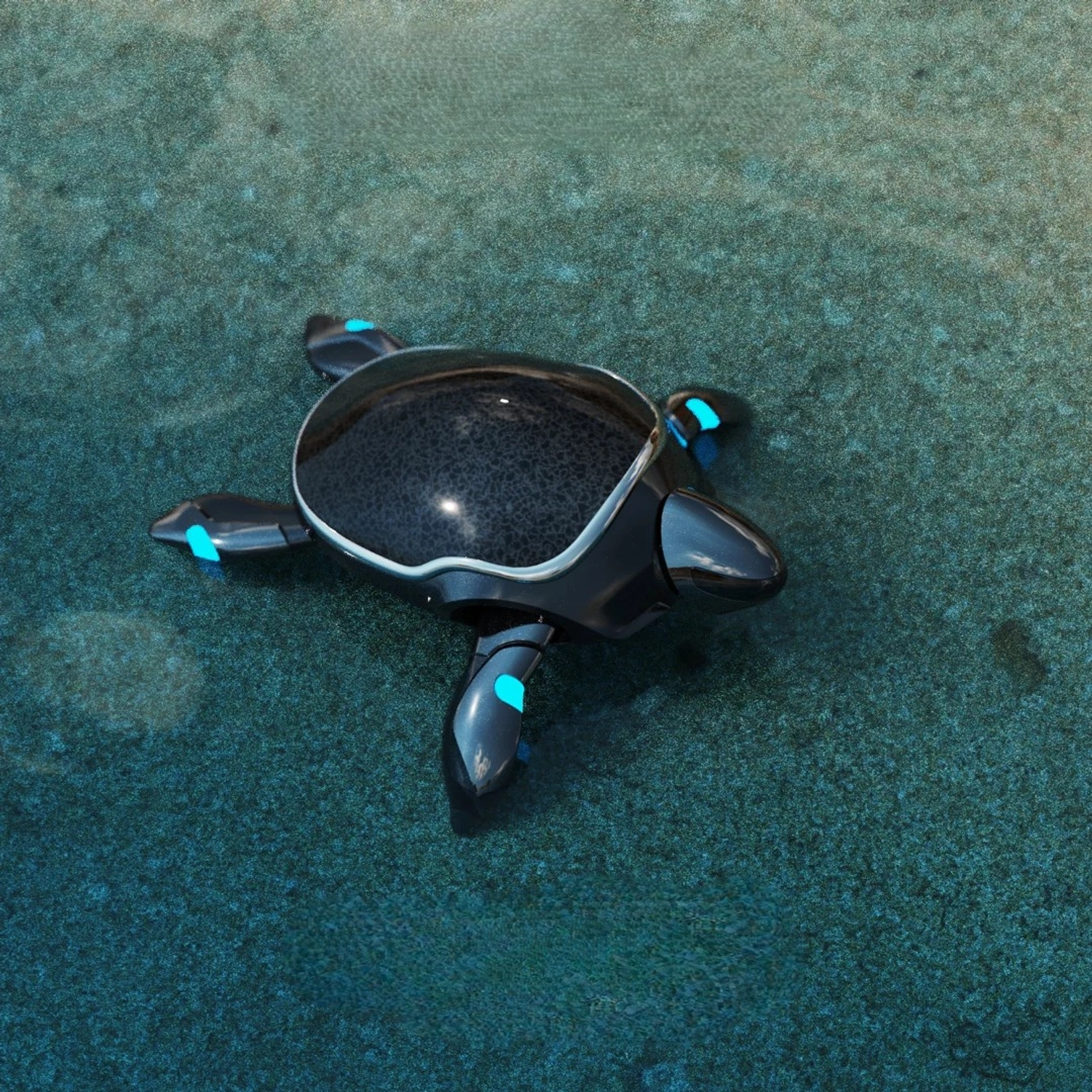
Turtle Robot Debuts
Aquatic ecosystems face ongoing threats from pollution, disasters, and habitat loss, complicating manual monitoring efforts. Beatbot unveiled its Amphibious RoboTurtle prototype at CES 2025, demonstrating a sea turtle-inspired robot designed for non-invasive ecological research, water quality monitoring, and disaster response. The device, shown navigating water and land with bionic legs, highlights Beatbot's shift from pool cleaners to broader conservation tools.
Niche Capabilities Shine
RoboTurtle stands out with its purpose-built amphibious mobility, enabling seamless transitions between land and water without disrupting sensitive habitats. Its solar panels support extended missions, while AI-driven systems handle real-time obstacle avoidance and data collection on biometrics and hazards. This specialized design excels in tasks like endangered species tracking where traditional drones or boats fall short. RoboTurtle prioritizes ecosystem harmony over raw speed.
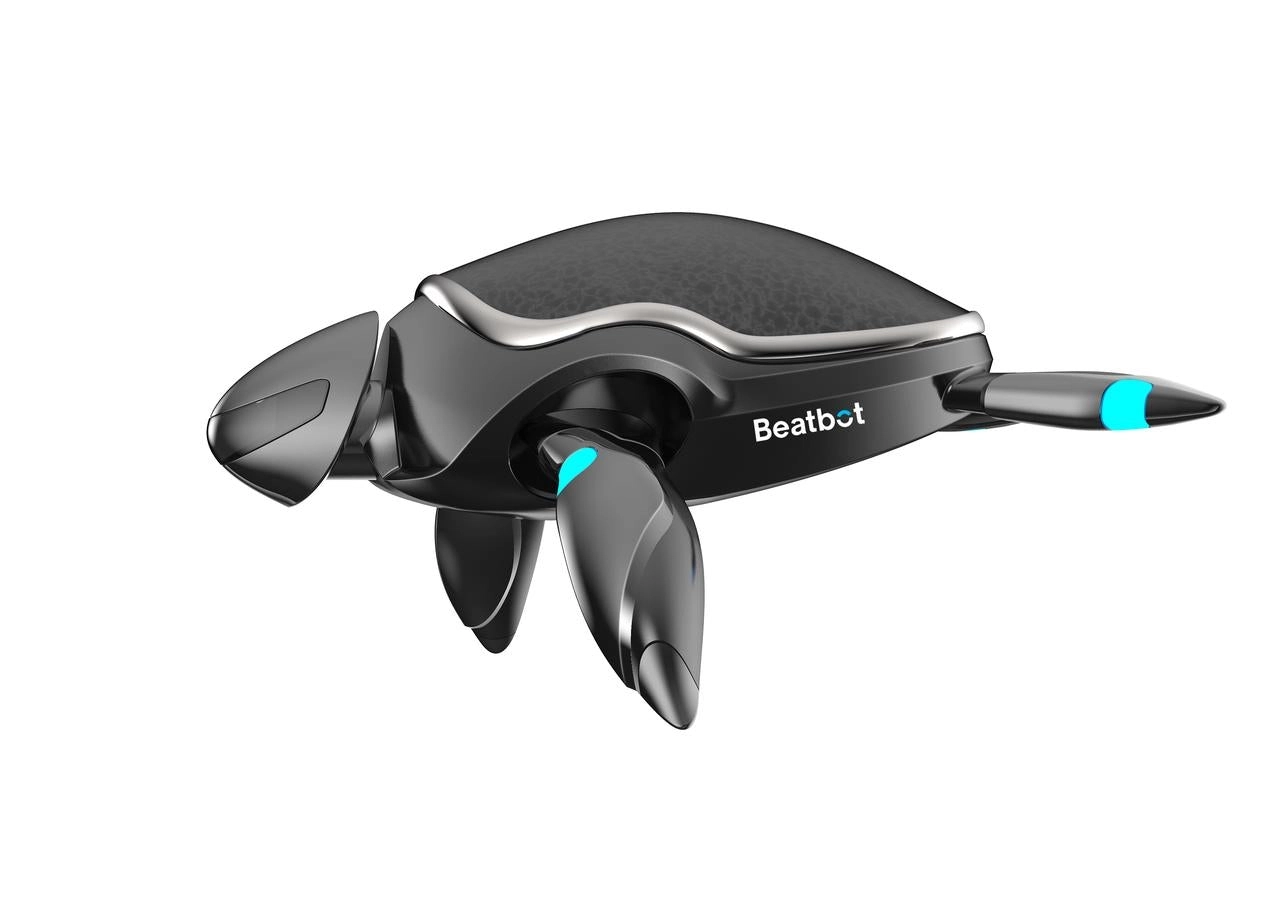
Sensing to Action Flow
Sensor inputs from AI cameras, IMU, water quality probes, and chemical detectors feed into the proprietary AI system for processing. This embodied intelligence layer uses multi-sensor fusion and visual navigation to interpret surroundings and plan paths. Outputs drive bionic flapping legs for targeted movement, executing tasks like sampling pollutants with minimal environmental impact.
Oil Spill Patrol
In an oil spill response, RoboTurtle deploys to contaminated coastal zones, crawling over rugged shorelines and swimming through affected waters. Its chemical sensors detect hydrocarbons in real-time, while AI cameras map spill extent and track wildlife exposure, relaying data via satellite for rapid human intervention. This allows teams to prioritize cleanup without constant vessel presence, reducing secondary ecological damage.
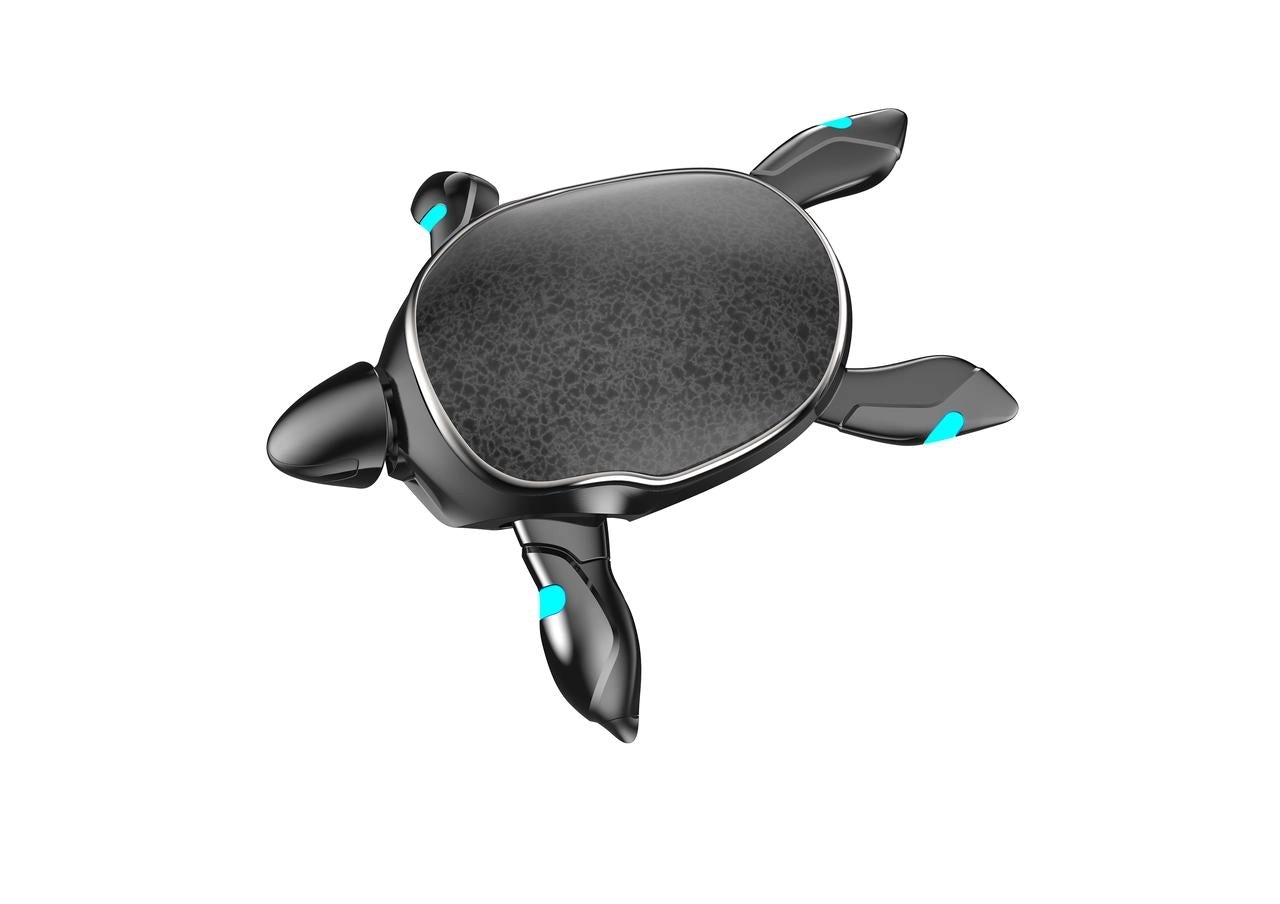
Enabling Specs
Reported dimensions of 50 x 40 x 20 cm and 5 kg weight make RoboTurtle portable for field teams, fitting typical biomimetic monitoring needs. A 2 km/h speed supports deliberate exploration, paired with a 5-year battery life from high-efficiency solar panels for prolonged autonomy. Safety features like geofencing and collision avoidance ensure operation in protected ecosystems (Manufacturer claim · Not independently verified).
Niche Market Fit
In the robotics landscape, RoboTurtle carves a unique space among miscellaneous specialized bots by blending pool-cleaning heritage with conservation robotics, targeting aquatic niches long reliant on costly manned surveys. Unlike general-purpose underwater drones, its legged amphibious design fills gaps in land-water boundary monitoring, appealing to NGOs, researchers, and agencies for sustainable data gathering. This positions Beatbot as a bridge between consumer tech and environmental tools.
Robotics Niche Expands
RoboTurtle signals how miscellaneous robotics is infiltrating manual domains like remote aquatic assessment, enabling scalable, low-impact operations previously deemed impractical. This trend points to increased adoption of biomimetic forms for niche automation, potentially lowering costs for global conservation amid rising climate pressures.
Related Articles
Living.AI's EMO Go Home Adds Autonomous Charging to Desktop Companion Robot
Piaggio Fast Forward's Gita Plus Tackles Pedestrian Cargo Hauling with Self-Following Design
Festo's BionicMobileAssistant Debuts as Modular Assistant Robot
Somnox 2 Brings Adaptive Breathing Technology to Sleep Robotics, Targeting Insomnia Without Medication
Learn More About This Robot
Discover detailed specifications, reviews, and comparisons for RoboTurtle.
View Robot Details →