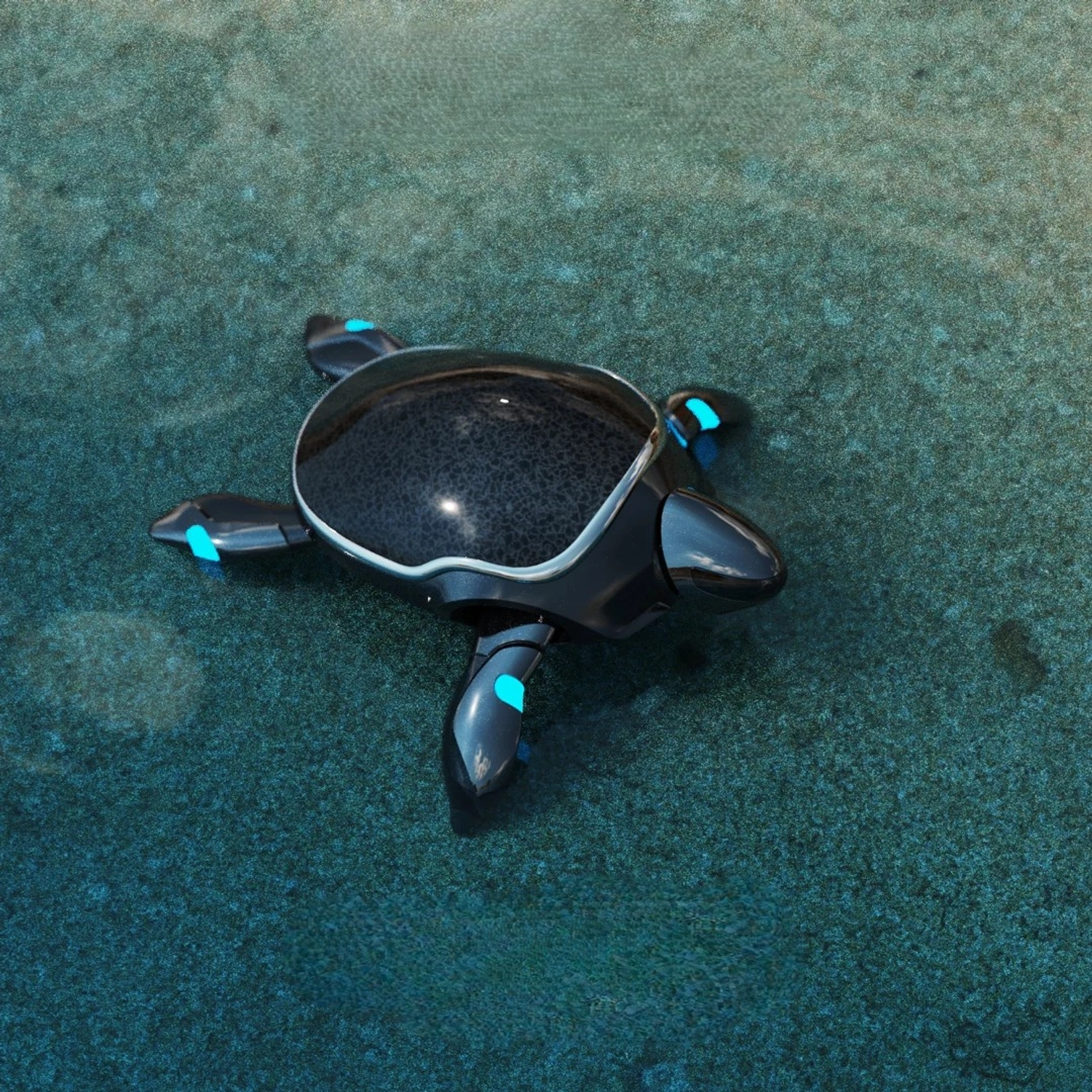
RoboTurtle
AI ChatLast updated:
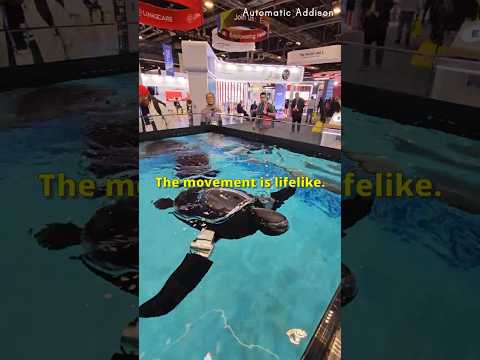
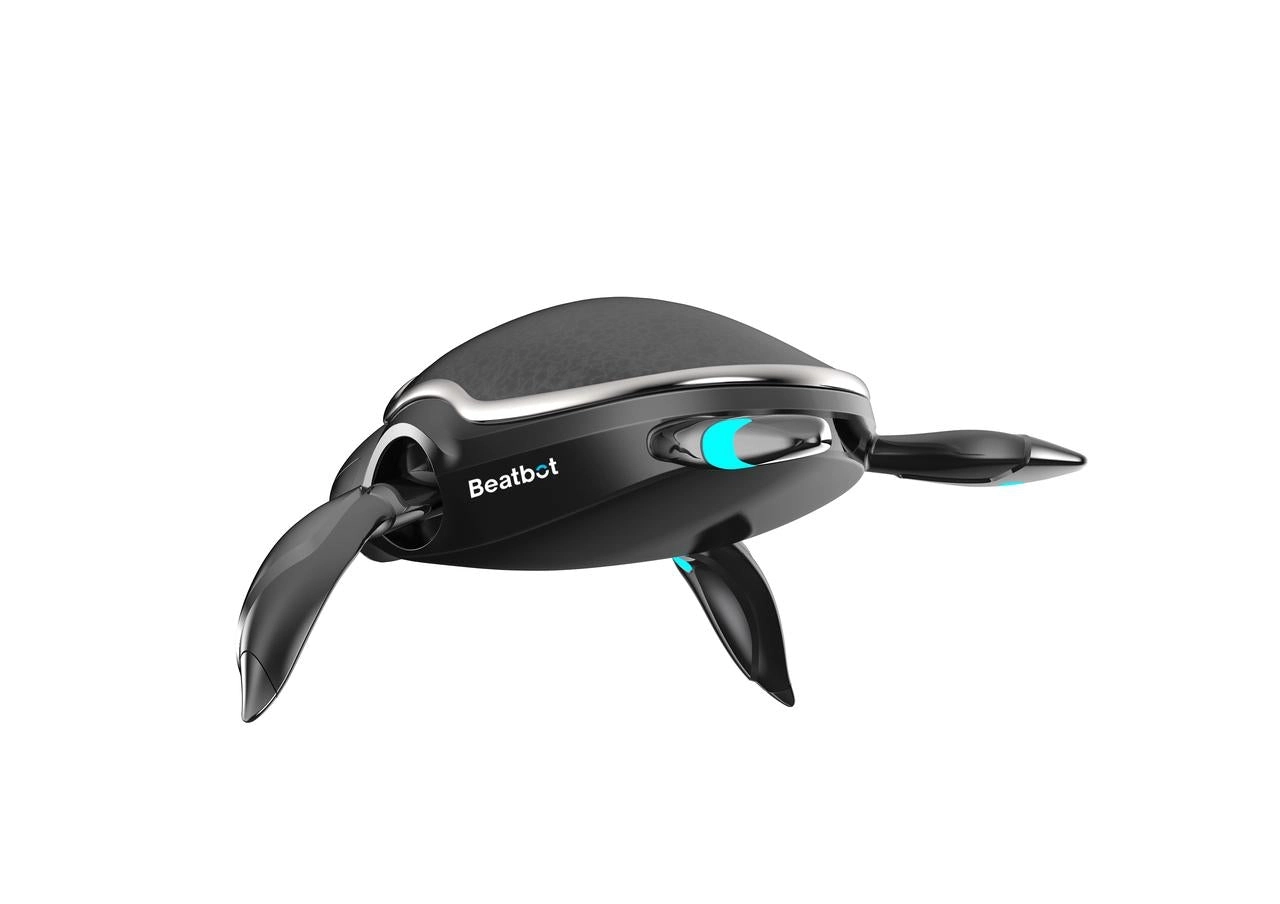
The RoboTurtle is an amphibious underwater robot designed for environmental conservation, ecological research, and disaster response in aquatic ecosystems. Mimicking sea turtle movements with bionic multi-jointed flapping legs, it navigates water and land with minimal disturbance to wildlife, enabling non-invasive monitoring of water quality, endangered species, contamination, oil spills, and biometric conditions. Equipped with high-efficiency solar panels on its shell for extended autonomous operation, AI-powered cameras for real-time obstacle avoidance and tracking, and advanced buoyancy systems for handling currents and rugged terrains, it supports marine biologists, NGOs, and researchers in remote areas. It collects data silently across oceans, ponds, and pools, reducing human risk and carbon footprint while integrating with self-docking charging stations for seamless land-water transitions.
Quick Overview & Key Facts
RoboTurtle is a robot made by BeatBots in China, launched in 2025 and built for water quality monitoring, endangered species tracking, and oil spill detection. Its estimated price is USD 2,999.00. Featured in “Beatbot's RoboTurtle Advances Amphibious Environmental Monitoring”.
- Dimensions
- 50 x 40 x 20 cm
- Weight
- 5 kg
- Top speed
- 2 km/h
- Handles
- Environmental samples (pollution, hazardous materials), data collection payloads
- Battery runtime
- 24+ hours (continuous with solar)
- Charging time
- 2 hours (wireless magnetic)
Image Gallery
Below images are from BeatBots's official sources


Review Videos
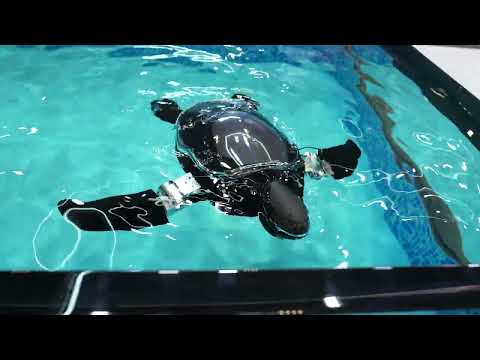
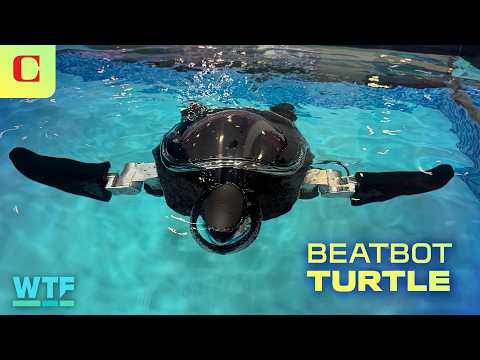
Watch expert reviews and demonstrations of this robot
Robot Specifications
Values without a Confirmed badge are compiled from public sources and may not be manufacturer-verified.
Not yet published by BeatBots: pet safety.
Latest News About RoboTurtle
Stay updated with the latest articles and developments
More Robots from BeatBots
Explore other robots from this manufacturer

Keepon
Manufactured by BeatBots
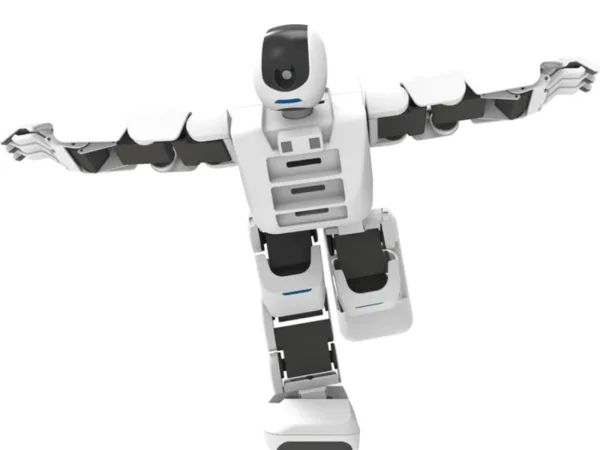
Keepon Pro is a social and entertainment robot designed for research on child-robot interaction, particularly aiding children with developmental disorders like autism. Therapists teleoperate it via transmitted camera and microphone feeds to facilitate playroom engagement, using its minimal, adorable design to simplify social cues and elicit positive responses. Key features include 4 degrees of freedom (pan ±180°, tilt ±40°, lean ±25°, bounce 15mm), eye cameras, nose microphone, touch sensors, soft rubber skin for safe tactile interaction, and rhythmic synchronization for dancing to music or human movements. Use cases span autism therapy, social development studies, and entertainment like music videos, promoting interactional synchrony through expressive, lifelike motions.
More Robots
Discover more robots in the same category



Robots From Other Categories
Discover complementary robots from different categories that work well together
Frequently Asked Questions
Get answers to common questions about this robot
Q1. What is RoboTurtle and what specific problem or task is it designed to solve?
RoboTurtle is an amphibious robot prototype developed by BeatBots that emulates sea turtle movements for aquatic navigation. It addresses environmental monitoring tasks such as water quality assessment, endangered species tracking, and contamination evaluation in oceans and ponds with minimal wildlife disturbance.
Q2. What are the core capabilities and standout features of RoboTurtle?
Core capabilities include solar-powered operation via shell panels for extended missions, flapping legs for low-disturbance aquatic movement, and AI-driven obstacle avoidance. According to BeatBots, it collects real-time data on water quality and biometrics while operating autonomously in sensitive habitats.
Q3. Who uses RoboTurtle, and which industries or sectors benefit from it?
Potential users include marine biologists, environmentalists, governments, NGOs, and researchers. Sectors benefiting are ecological research, wildlife monitoring, disaster response, and aquatic preservation, particularly for non-disruptive data collection in remote or risky areas.
Q4. Is RoboTurtle a commercially available product, or is it still a research prototype?
The functional RoboTurtle is a prototype unveiled by BeatBots, not commercially available. A BFF Limited Edition exists as a decorative prototype figure, symbolizing the company's environmental innovation efforts.
Q5. How does RoboTurtle operate autonomously, and what level of human oversight is required?
It operates autonomously using AI for real-time obstacle sensing and decision-making, with solar energy enabling continuous missions. Human oversight is minimal, mainly for deployment and data review, reducing involvement in hazardous environments.
Q6. What sensors, AI, and navigation technology does RoboTurtle use?
RoboTurtle employs AI-driven adaptive systems, cameras for biometric data capture, and sensors for obstacle avoidance and environmental monitoring. Navigation mimics sea turtle flapping for efficient, low-impact movement in water.
Q7. How does RoboTurtle compare to similar robots or competing solutions in its category?
Unlike typical pool cleaning robots focused on suction and wall climbing, RoboTurtle prioritizes ecological tasks with solar autonomy and turtle-like propulsion. It offers lighter ecological footprint for research compared to human-operated or fuel-dependent aquatic drones.
Q8. What are the known limitations, trade-offs, or challenges of using RoboTurtle?
As a prototype, it lacks commercial functionality, with the available edition being decorative only. Deployment in remote areas may face challenges like variable sunlight for solar charging and untested long-term durability in harsh marine conditions.
Q9. What does it cost to acquire or deploy RoboTurtle, and what is the expected ROI?
Pricing details for the functional prototype are not publicly available from BeatBots. Potential ROI for research users involves reduced labor and equipment costs through autonomous data collection, though unquantified in current disclosures.
Q10. What is the future roadmap or planned improvements for RoboTurtle?
BeatBots has not detailed a public roadmap beyond the prototype stage. Related products like a self-docking wireless charging station are slated for late 2025 consumer availability, suggesting potential expansions in aquatic robotics.
Rating and Reviews
Share your experience and help others decide!
Loading...
User Reviews
No user reviews. Be the first one to review!
User Comments (No Login needed)
Share your thoughts, experiences, or questions about this robot.
Comments appear after moderator review.