Piaggio Fast Forward's Gita Plus Tackles Pedestrian Cargo Hauling with Self-Following Design
Robot Details
Gita Plus • Piaggio Fast ForwardPublished
May 5, 2026
Reading Time
3 min read
Author
Origin Of Bots Editorial Team
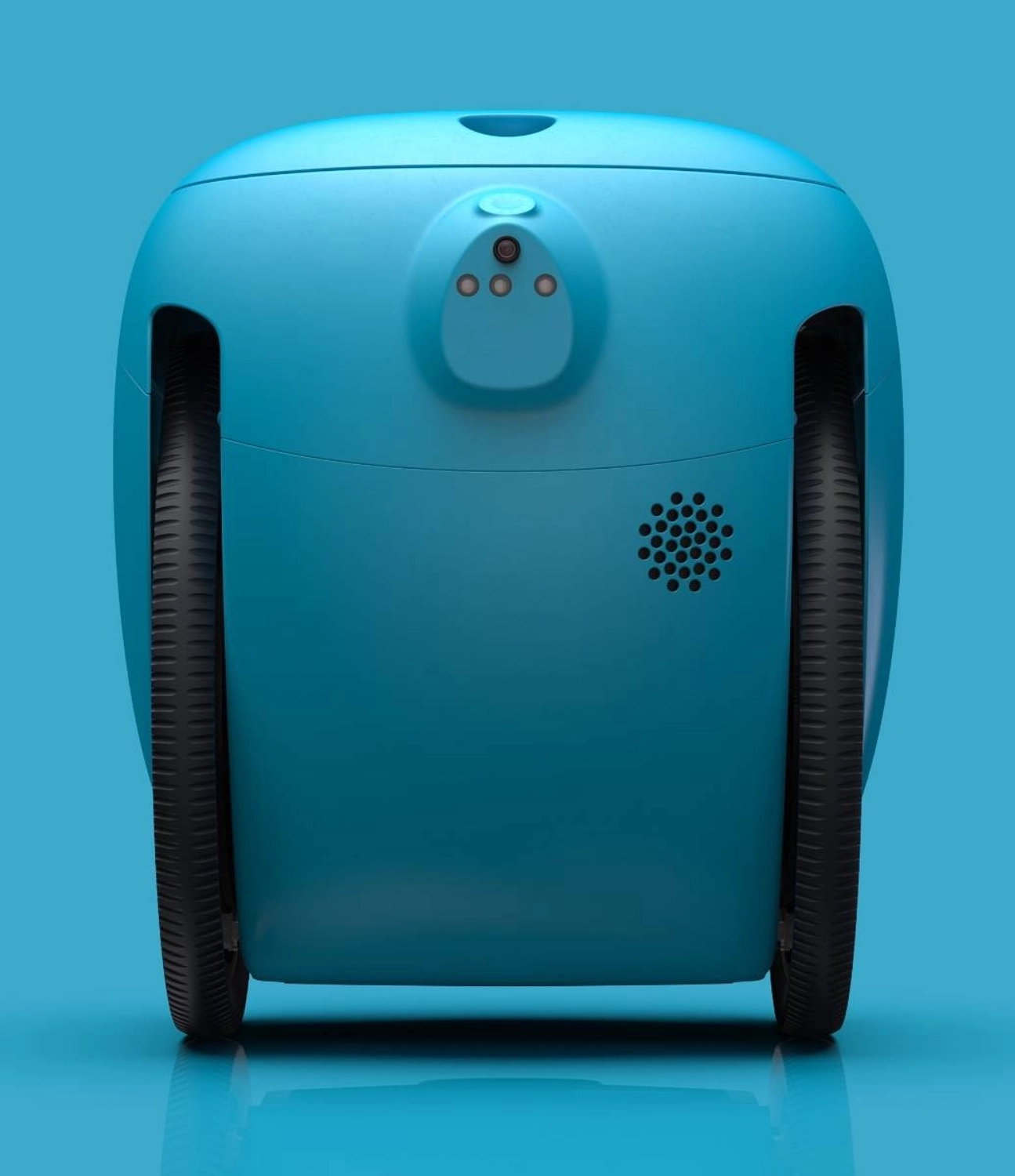
Cargo Robots Enter Streets
In urban environments where carrying loads limits mobility, Piaggio Fast Forward has developed the Gita Plus, a two-wheeled autonomous robot designed to follow pedestrians while transporting personal cargo. Built on the established gita platform, the Gita Plus enhances following technology with radar and computer vision for reliable operation in crowds and varied conditions. This evolution addresses the niche challenge of hands-free load carrying for everyday tasks.
Niche LoadBearer Emerges
The Gita Plus stands out through its purpose-built self-balancing design for uneven pedestrian paths, specialized radar imaging that extends visibility in bright light, and adaptive following that maintains safe distances based on user speed. These features enable consistent performance in dynamic outdoor settings without GPS reliance. Its SLAM-capable navigation fills a unique gap for short-range, vision-driven autonomy. Gita Plus prioritizes seamless human-robot pacing over broad autonomy.
Sensing to Self-Balancing
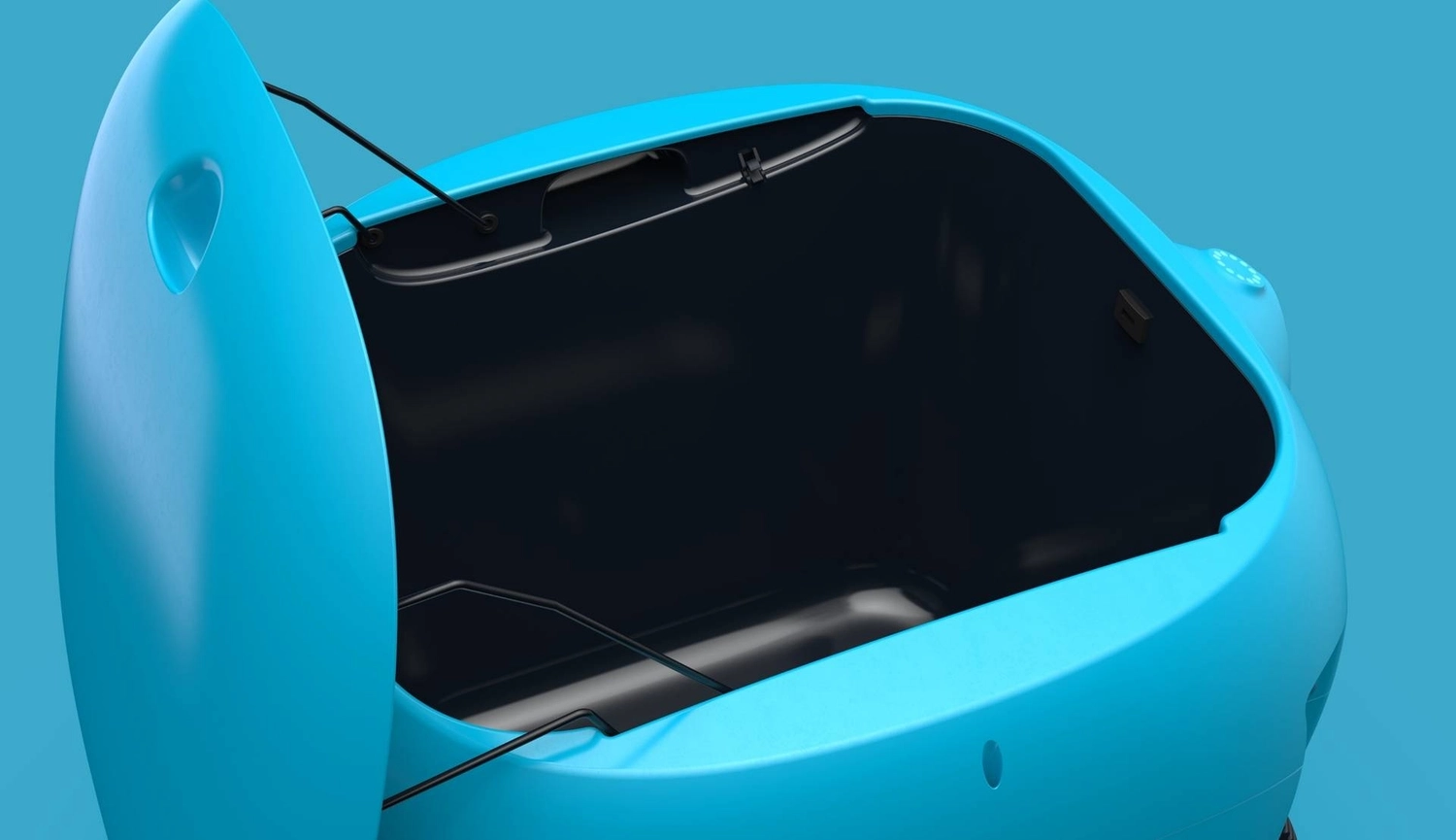
Sensor input from computer vision cameras and radar feeds into proprietary software processing that maps environments via SLAM and detects obstacles in real time. This specialized analysis predicts user movements and plans paths, outputting targeted mechanical execution through large wheels for self-balancing at speeds up to 2.682 m/s (6 mph / 9.6 km/h). The system ensures collision avoidance by automatically braking before contact.
Grocery Runs Simplified
For urban grocery shopping, a user loads up to 18 kg (40 lbs) of bags into the Gita Plus cargo bin, then walks at their natural pace while the robot follows 3-5 feet behind, dodging pedestrians and curbs via its sensor package. The mygita app allows quick pairing and mode adjustments for errands, freeing hands for phones or children. In tests, it navigates crowded sidewalks, adapting to stops at crosswalks.
Specs Enable Mobility
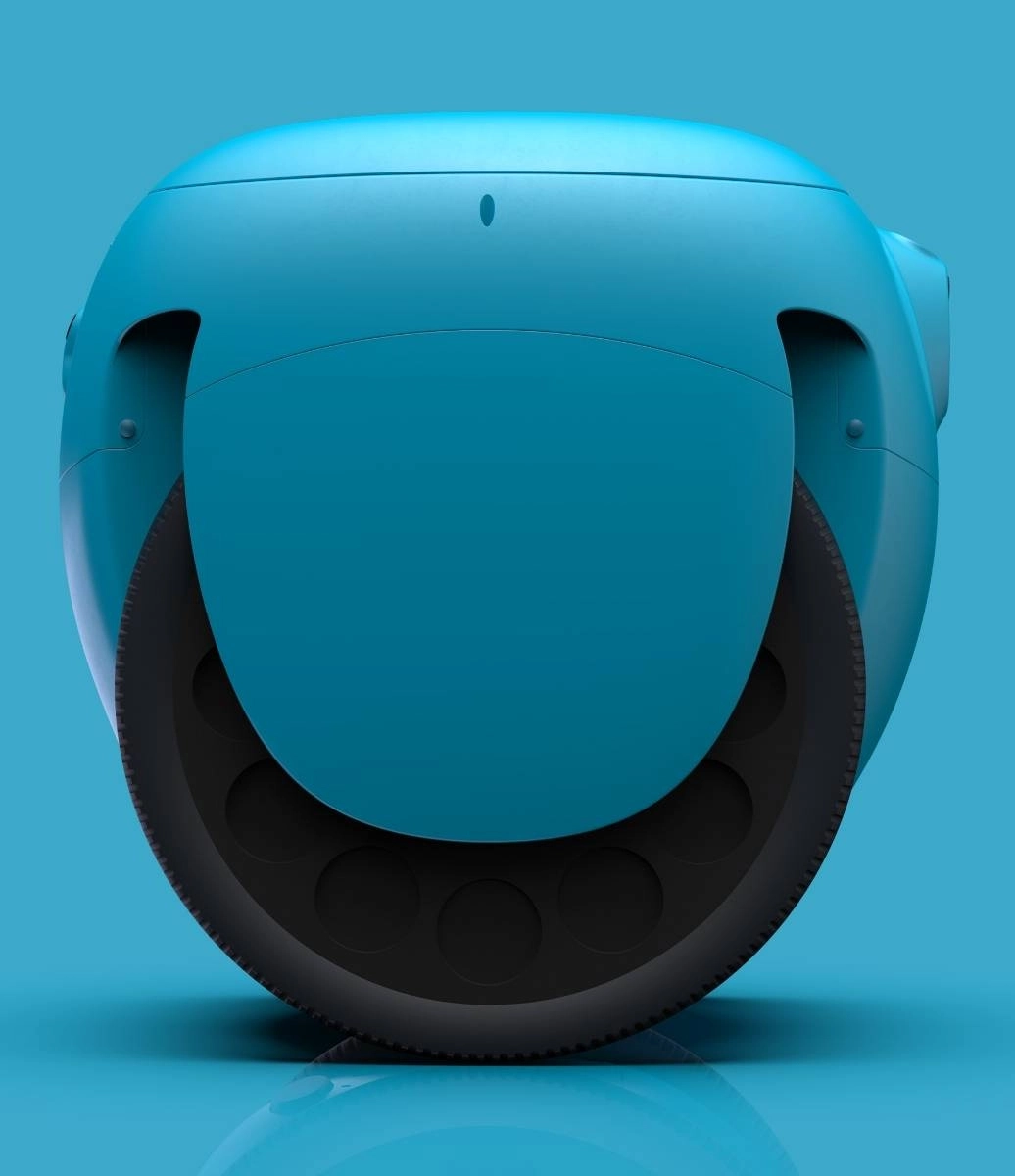
Dimensions of 66 cm (H) x 56 cm (W) x 63.5 cm (D) make the 22.6 kg (50 lbs) robot compact for city use, while its 5-year battery life supports repeated daily outings. Safety features like automatic braking and obstacle detection allow operation alongside pedestrians, cyclists, and runners. These specs target reliable gear transport in unstructured environments.
Filling Personal Hauler Niche
In the robotics landscape, Gita Plus occupies a distinct miscellaneous slot as a pedestrian-following cargo robot, bridging consumer gadgets and industrial handlers like its sibling kilo for heavier loads. Unlike delivery drones or warehouse bots, it focuses on individual, on-foot tasks such as errands or outdoor gear transport, leveraging Piaggio's mobility expertise from vehicles like Vespa. This positions it for urban lifestyles where manual carrying remains common, expanding into business cargo handling without fleet infrastructure.
Signaling Niche Expansion
The Gita Plus development indicates miscellaneous robotics shifting toward hyper-specialized tools for manual tasks once deemed impractical to automate, like dynamic pedestrian following. This points to broader adoption in last-mile personal logistics and facility assistance, as seen in Piaggio's plans for production lines. It underscores a trend where niche robots integrate into daily human workflows via affordable, app-controlled hardware.
Sources
Related Articles
Aisoy Robotics Unveils KiK Robot for Scratch-Based AI Coding
LivingAI's EMO Robot Brings Autonomous Desktop Companionship to Homes
Festo Unveils BionicBee for Autonomous Indoor Swarm Flight
Living.AI's EMO Go Home Adds Autonomous Charging to Desktop Companion Robot
Learn More About This Robot
Discover detailed specifications, reviews, and comparisons for Gita Plus.
View Robot Details →