Somnox 2 Brings Adaptive Breathing Technology to Sleep Robotics, Targeting Insomnia Without Medication
Robot Details
Somnox 2 • SomnoxPublished
May 5, 2026
Reading Time
5 min read
Author
Origin Of Bots Editorial Team
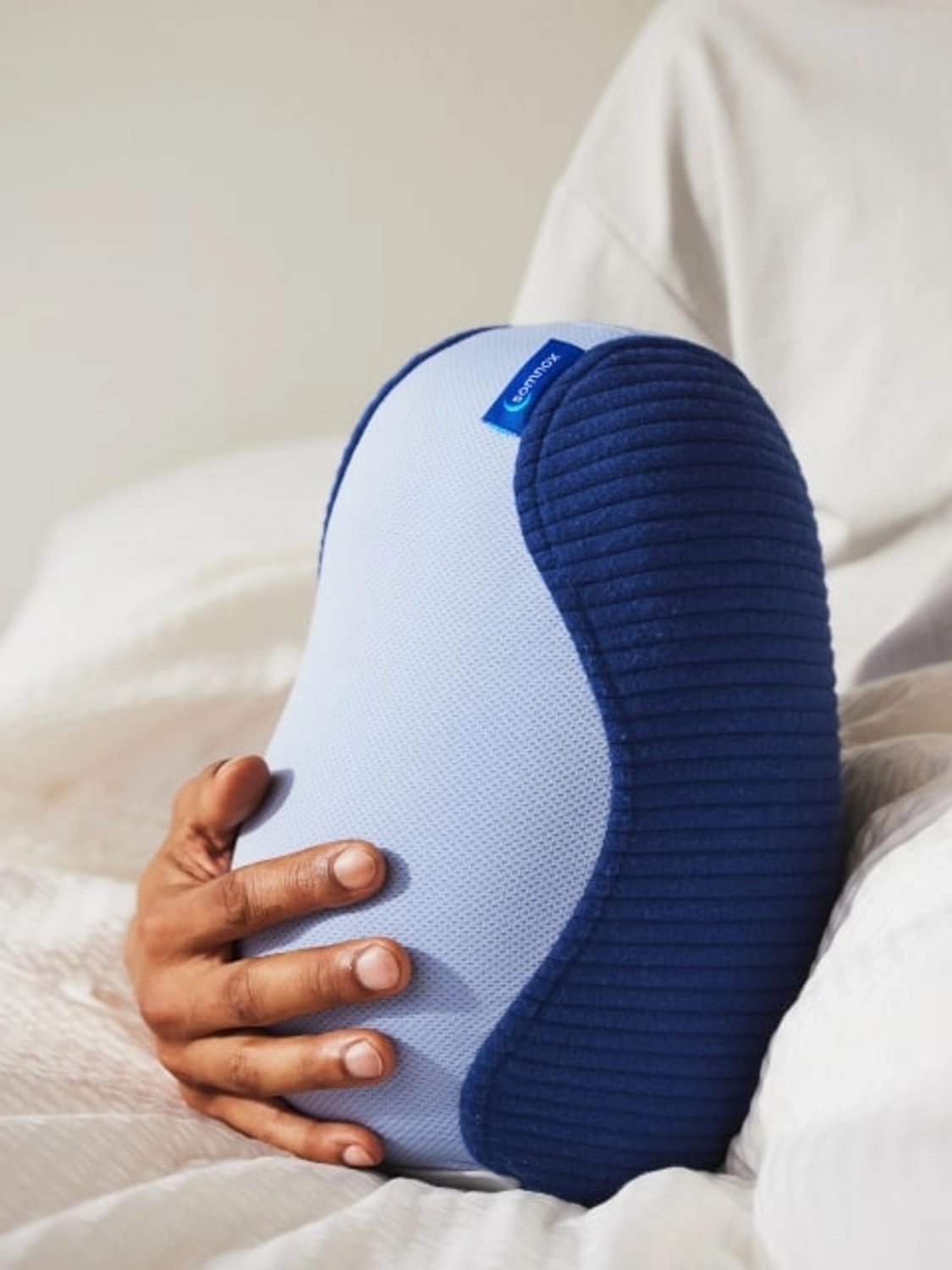
The Breathing Companion Arrives
Sleep disorders affect hundreds of millions globally, yet pharmaceutical interventions carry risks of dependency and side effects. Somnox, a Dutch robotics company, has refined its soft-robotic sleep companion with the Somnox 2, a huggable device designed to guide users toward deeper sleep through synchronized breathing exercises. The device uses embedded motion and pressure sensors to detect the user's breathing pattern in real time, then gradually slows its own mechanical breathing rhythm to a tranquil pace, encouraging the user's body to follow suit subconsciously. This represents a non-pharmacological approach to sleep induction grounded in respiratory physiology rather than chemical intervention.
Why Breathing Sync Matters
The Somnox 2 differentiates itself through three core capabilities: real-time breathing detection via its proprietary Somnox Sense technology, which matches and then gradually decelerates breathing patterns; an ergonomic, pillow-like form factor designed to maintain natural neck and shoulder alignment during sleep; and a customizable mobile app that lets users adjust breathing start rates, program duration, and audio accompaniment. Unlike generic white-noise machines or meditation apps, the device provides tactile, mechanical feedback—users physically feel the robot's chest rise and fall, creating a biofeedback loop that operates below conscious awareness. The Somnox 2 is less about gadgetry and more about embedding validated respiratory therapy into an object designed for nightly intimacy.
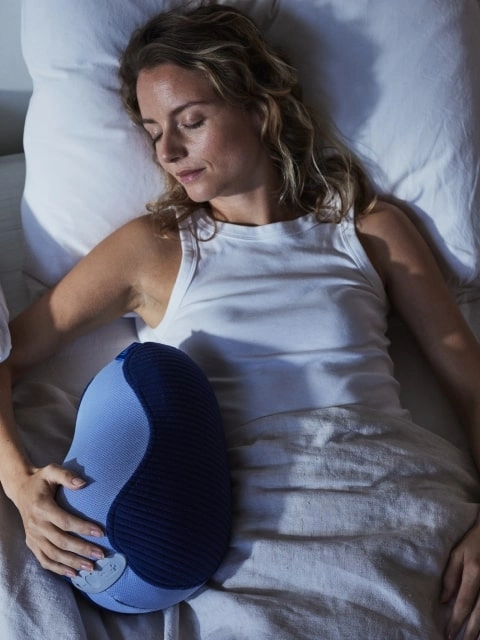
How the System Works
The Somnox 2 operates through a straightforward input-processing-output cycle: motion sensors and a microphone detect the user's breathing rate and rhythm as they hold the device; proprietary firmware analyzes this data and calculates a gradual deceleration curve, typically starting at 12 breaths per minute and descending to 6 breaths per minute; the device's soft-robotic breathing surfaces then expand and contract at the computed rhythm, which the user's nervous system mirrors through involuntary respiratory entrainment. This process leverages the autonomic nervous system's natural tendency to synchronize with external rhythmic stimuli, similar to how a group of pendulums will eventually swing in unison when placed near one another.
Insomnia Management in Practice
Consider a 45-year-old professional with chronic sleep-onset insomnia who has resisted pharmaceutical options due to morning grogginess concerns. Rather than taking a sedative at bedtime, the user holds the Somnox 2 for 10 to 15 minutes before sleep. The device detects their elevated, anxiety-driven breathing rate of around 16 breaths per minute and begins matching it. Over the next several minutes, the robot's rhythm gradually slows. As the user's breathing synchronizes with the device, their heart rate drops, parasympathetic nervous system activation increases, and cortisol levels begin to normalize. The tactile sensation of holding a warm, breathing object also activates the vagal brake, a physiological response linked to relaxation. By the time the breathing rate reaches 6 breaths per minute, the user's body has transitioned into a pre-sleep state naturally, without pharmaceutical side effects.
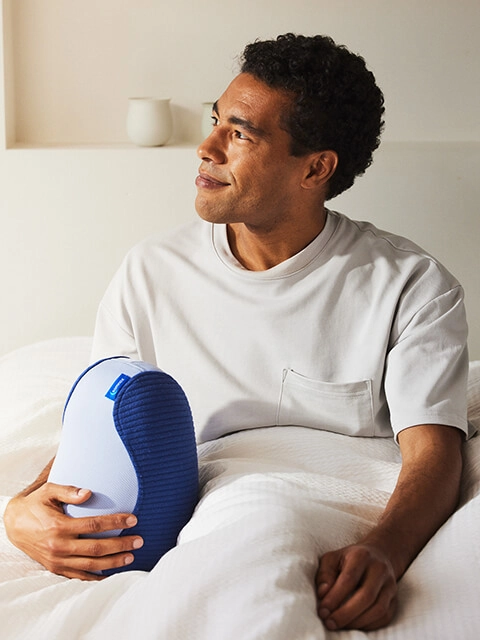
Designed for All-Night Comfort
The Somnox 2 weighs approximately 1.7 kg, light enough to hold or rest against the torso throughout the night without causing arm fatigue or pressure injuries. Its dimensions are reported as approximately 52 x 30 x 17 cm, scaled to nestle comfortably in a typical adult's arms while maintaining ergonomic support for the neck and shoulders. Machine-washable outer and inner sleeves allow users to maintain hygiene without disassembling the device. Battery life is designed to support multi-year operation, and the device includes an auto-shutoff feature that activates after sleep is detected, conserving power and preventing unnecessary operation during deep sleep phases.
Positioning in the Sleep Tech Landscape
The Somnox 2 occupies a unique position within the broader robotics and sleep-tech ecosystem. Unlike consumer sleep trackers that passively monitor sleep quality, or meditation apps that rely on visual or audio cues alone, the Somnox 2 is a tangible, interactive companion that combines soft robotics with biofeedback. It sits at the intersection of wearable health technology and affective computing—robots designed to interact emotionally with users. The device is neither a traditional medical device requiring prescription nor a lifestyle gadget; it functions as a clinically-informed sleep aid that bridges therapeutic intent with consumer accessibility. This positioning reflects a broader industry trend toward non-invasive, behavioral interventions embedded in physical objects rather than purely digital solutions, particularly for users seeking alternatives to pharmaceutical sleep aids.
The Specialized Robotics Signal
The Somnox 2's development signals a maturing market for purpose-built robotic companions addressing specific health niches rather than general-purpose automation. As the broader robotics industry focuses heavily on mobility, manipulation, and industrial deployment, specialized applications like sleep induction represent a countertrend: robots designed for intimate, long-duration human contact in low-activity environments. This expansion reflects growing recognition that robotics can solve behavioral and physiological challenges through sustained, predictable interaction rather than task execution. If adoption accelerates, expect to see similar soft-robotic companions emerge for stress management, anxiety reduction, and other conditions where consistent, tactile feedback and biofeedback loops offer therapeutic value. The Somnox 2 thus represents not just a sleep product, but an early signal that the robotics industry is fragmenting into highly specialized niches where form, material science, and behavioral design matter more than computational power or speed.
Sources
Related Articles
Festo Unveils BionicBee for Autonomous Indoor Swarm Flight
Living.AI's EMO Go Home Adds Autonomous Charging to Desktop Companion Robot
Piaggio Fast Forward's Gita Plus Tackles Pedestrian Cargo Hauling with Self-Following Design
Festo's BionicMobileAssistant Debuts as Modular Assistant Robot
Learn More About This Robot
Discover detailed specifications, reviews, and comparisons for Somnox 2.
View Robot Details →