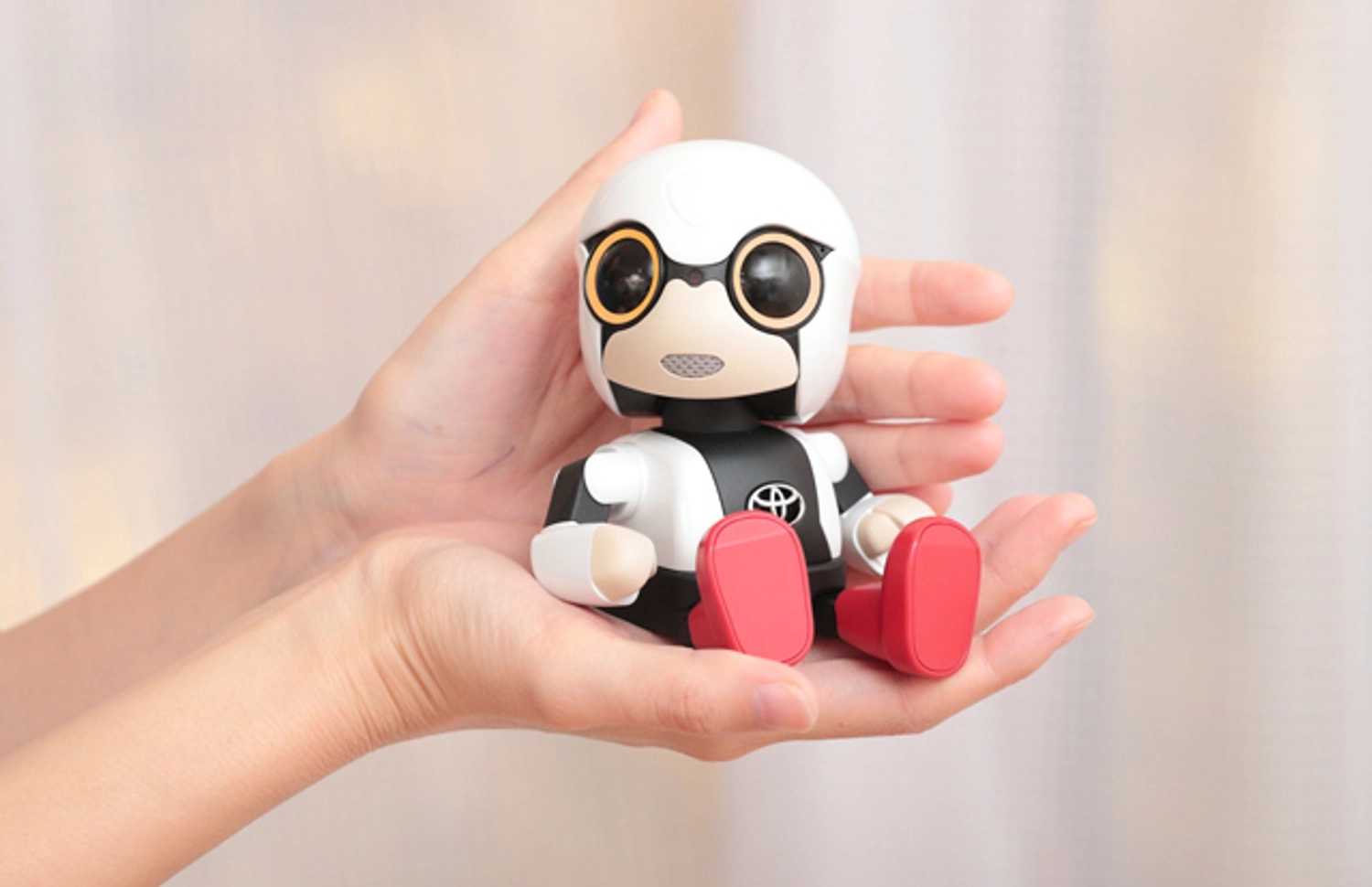
Kirobo Mini
AI ChatLast updated:
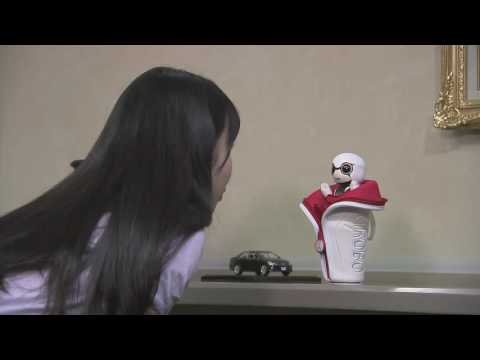
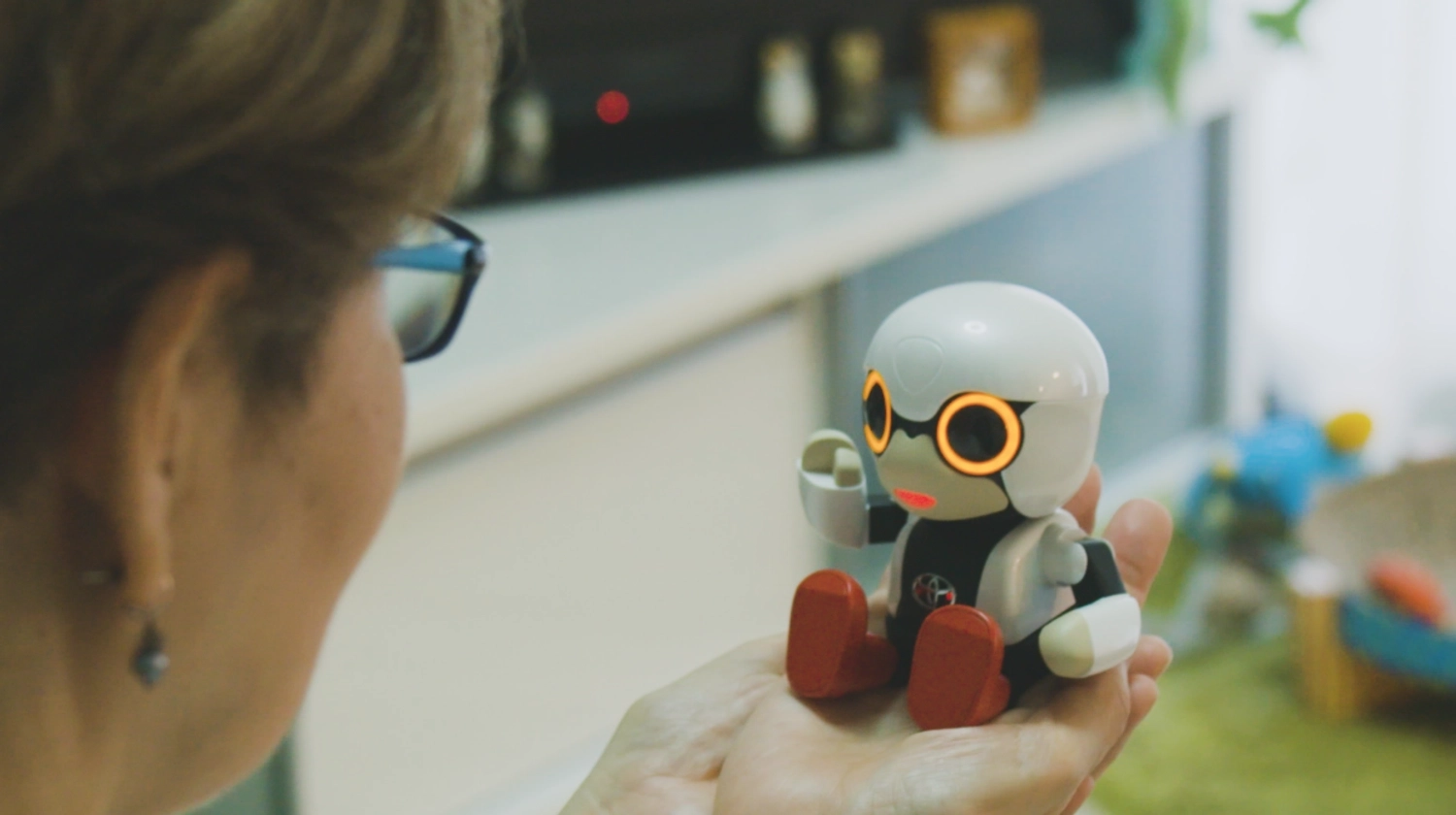
The Kirobo Mini is a palm-sized companion/social robot designed as a communication partner to enhance emotional connections through casual conversation, gestures, and emotion recognition. It fits in a car's cupholder or pocket, making it ideal for use at home, in vehicles, or on foot, where it engages users exclusively in Japanese by responding to voice, facial expressions via its camera, and contextual data from connected environments like cars or homes. Key features include head/arm movements, blinking, tone adjustment, and learning user preferences over time for personalized companionship. It promotes meaningful interactions by mimicking baby-like wobbling vulnerability, serving as a portable emotional support device rather than a task-oriented tool
Quick Overview & Key Facts
Kirobo Mini is a robot made by Toyota in Japan, launched in 2017 and built for casual companionship in cars (cupholder chats), home emotional support, and portable daily interactions. Its estimated price is USD 300 excluding tax, plus USD 3 monthly app fee. Featured in “Toyota's Kirobo Mini Pioneered Palm-Sized Emotional Companionship”.
- Dimensions
- 10cm (seated height) x 7.7cm (width) x ~9cm (depth)
- Weight
- 0.183 kg
- Mobility
- Stationary (seated, wobbling gestures only, no independent movement)
- Top speed
- 0 m/s
- Battery runtime
- 2.5 hours continuous communication
- Charging time
- 3 hours
- Sensors
- Built-in camera for facial recognition and emotion detection
- Operating environment
- Indoor, vehicle (cupholder), portable personal use
Image Gallery
Below images are from Toyota's official sources


Review Videos
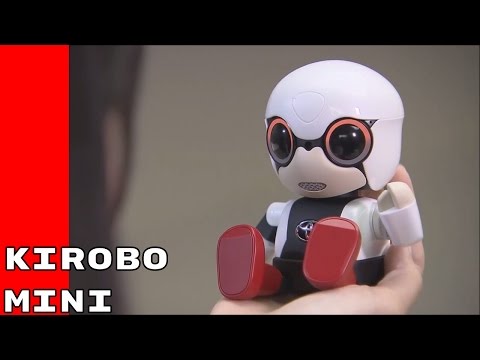
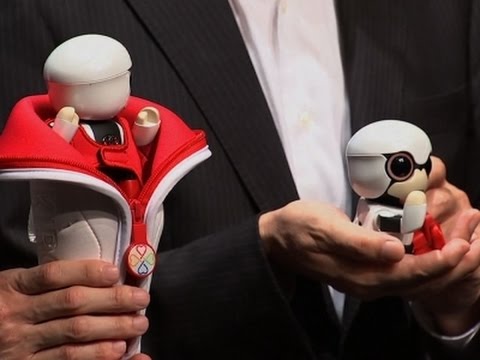
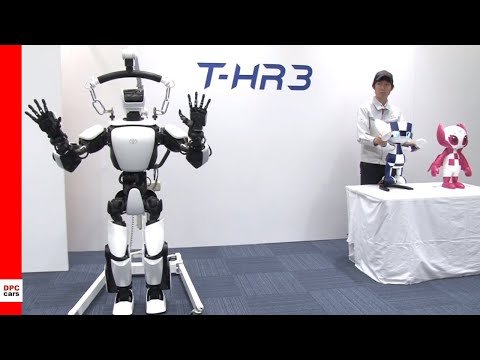
Watch expert reviews and demonstrations of this robot
Robot Specifications
Values without a Confirmed badge are compiled from public sources and may not be manufacturer-verified.
Not yet published by Toyota: IP rating, firmware version and pet safety.
Latest News About Kirobo Mini
Stay updated with the latest articles and developments
More Robots from Toyota
Explore other robots from this manufacturer

More Robots
Discover more robots in the same category



Robots From Other Categories
Discover complementary robots from different categories that work well together

Frequently Asked Questions
Get answers to common questions about this robot
Q1. What is Kirobo Mini and what specific problem or task is it designed to solve?
Kirobo Mini is a palm-sized communication partner robot developed by Toyota to provide companionship and emotional engagement. According to Toyota, it addresses the need for interactive, emotionally responsive companions that can adapt to user preferences and moods through conversation and gesture.
Q2. What are the core capabilities and standout features of Kirobo Mini?
The robot engages in casual conversation, recognizes facial expressions to gauge emotions, adjusts its tone and gestures accordingly, learns from past interactions, and can access information from connected vehicles and smart homes. It stands 10 centimeters tall, weighs 183 grams, and communicates exclusively in Japanese.
Q3. Who uses Kirobo Mini, and which industries or sectors benefit from it?
Kirobo Mini targets individual consumers seeking personal companionship in home, work, and automotive environments. Toyota positions it primarily as a personal communication partner rather than for industrial or commercial sector applications.
Q4. Is Kirobo Mini a commercially available product, or is it still a research prototype?
Kirobo Mini is a commercially available product. Toyota launched nationwide sales in Japan in November 2017 through Toyota vehicle dealers, with initial sales beginning at selected dealers in winter 2016.
Q5. How does Kirobo Mini operate autonomously, and what level of human oversight is required?
Kirobo Mini does not operate autonomously. It requires a Bluetooth connection to a smartphone running a dedicated application, which serves as its processing core. The robot functions as an interface to the app rather than as an independent system.
Q6. What sensors, AI, and navigation technology does Kirobo Mini use?
The robot features a built-in camera for facial expression recognition and emotion detection. It uses voice recognition and conversational AI to engage in dialogue. Navigation capabilities are not emphasized; the robot remains stationary and uses head and hand gestures for communication.
Q7. How does Kirobo Mini compare to similar robots or competing solutions in its category?
The search results do not provide comparative analysis with competing companion robots. Kirobo Mini is noted as a miniature version of the original Kirobo, which was Japan's first robotic astronaut sent to the International Space Station.
Q8. What are the known limitations, trade-offs, or challenges of using Kirobo Mini?
Kirobo Mini operates for approximately 2.5 hours on a single charge and requires 3 hours to recharge. It functions only in Japanese and depends entirely on smartphone connectivity. Overseas compatibility is not guaranteed.
Q9. What does it cost to acquire or deploy Kirobo Mini, and what is the expected ROI?
The purchase price is approximately 39,800 yen (around 300 British pounds or 345 euros) excluding tax, with an additional monthly subscription fee of approximately 300 yen (2.50 British pounds or 2.6 euros) for app access. ROI metrics are not provided in available sources.
Q10. What is the future roadmap or planned improvements for Kirobo Mini?
According to Toyota, Kirobo Mini will enhance conversational ability through expanded coordination with connected vehicles and smart home systems as it develops. Future updates may enable the robot to help prevent driver fatigue and provide vehicle or traffic information.
Rating and Reviews
Share your experience and help others decide!
Loading...
User Reviews
No user reviews. Be the first one to review!
User Comments (No Login needed)
Share your thoughts, experiences, or questions about this robot.
Comments appear after moderator review.