Hoxo Robot
AI ChatLast updated:
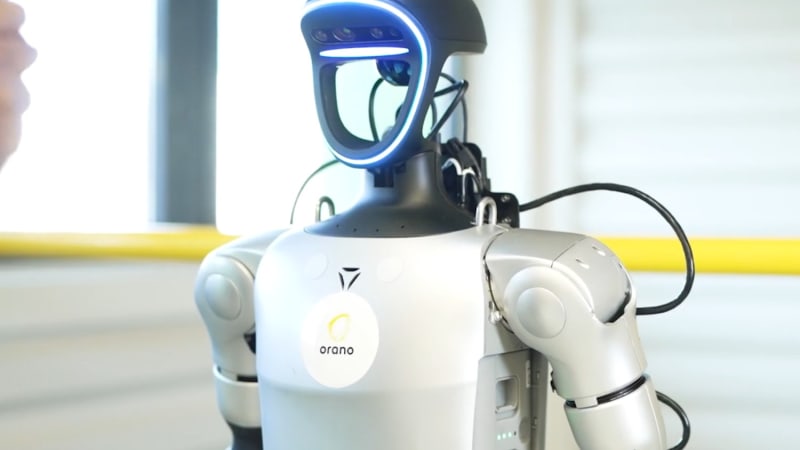
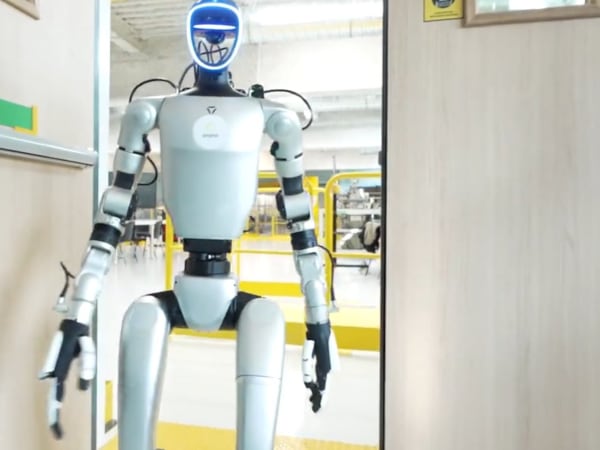
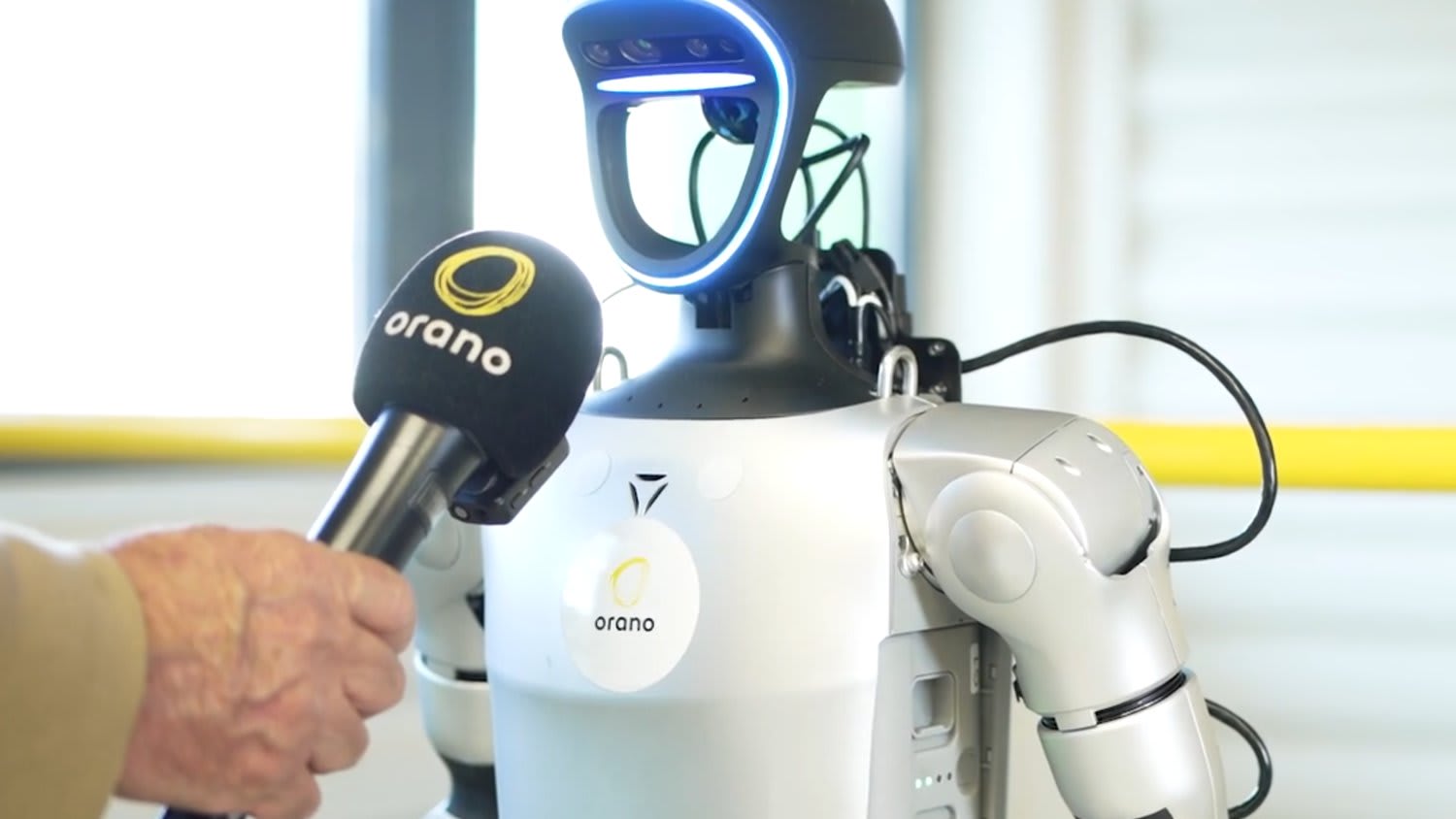
Hoxo is an intelligent humanoid robot designed specifically for the nuclear industry, combining advanced AI, real-time perception, and autonomous navigation to operate safely alongside human teams in hazardous environments. It replicates human movements and performs technical gestures with precision, enhancing safety by reducing human exposure to risky zones. Hoxo integrates robotics, computer vision, digital twins, and AI to deliver scalable robotic assistance, redefining human-machine collaboration in sensitive industrial settings. Its deployment at Orano’s Melox site marks a pioneering step in using humanoid robots as “Non-Human Workers” in high-stakes sectors.
Quick Overview & Key Facts
Hoxo Robot is a humanoid robot made by Orano And Capgemini in France, launched in 2025 and built for nuclear plant inspection, technical gesture execution, and hazardous zone monitoring. Its estimated price is USD150,000 - USD250,000. Featured in “Capgemini, Orano Unleash Hoxo: Nuclear's First AI Humanoid”.
- Dimensions
- 170 x 50 x 40 cm
- Weight
- 80 kg
- Mobility
- Legged (bipedal walking)
- Top speed
- 3.6 km/h (1 m/s) max walking speed
- Handles
- Tools, packages, precision instruments, human interaction
- Battery runtime
- 6 hours on full charge
- Charging time
- 2 hours
- Sensors
- RGB cameras, stereo cameras, LiDAR, ultrasonic sensors, IMU, gyroscope, force sensors
- Operating environment
- Indoor
What Can Hoxo Robot Do?
Core operational tasks and activities demonstrated or performed by Hoxo Robot.
Real-World Applications of Hoxo Robot
Industries, working environments, and deployment suitability for Hoxo Robot.
Hoxo Robot Capabilities
Inherent physical, perceptual, and cognitive abilities built into Hoxo Robot.
Image Gallery
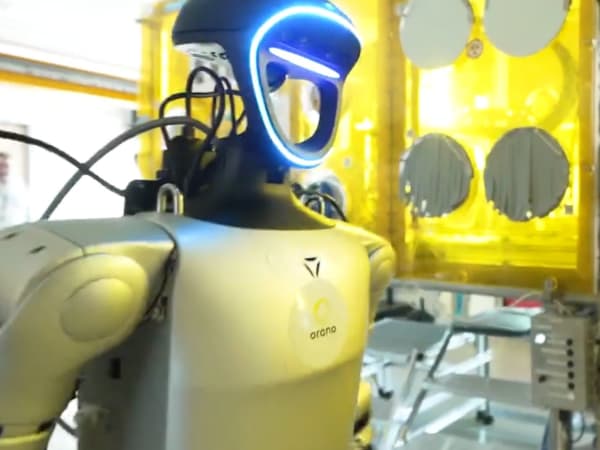
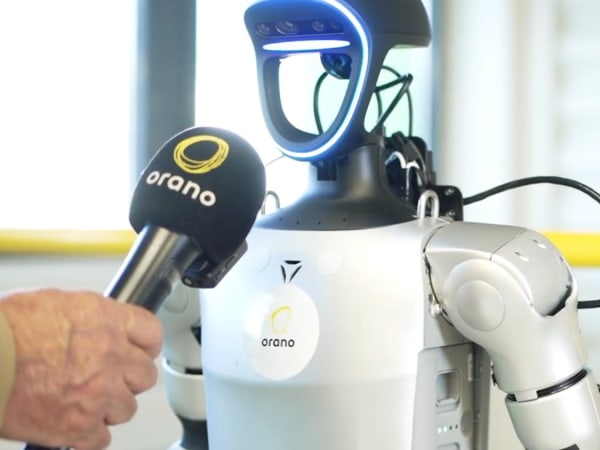
Below images are from Orano And Capgemini's official sources
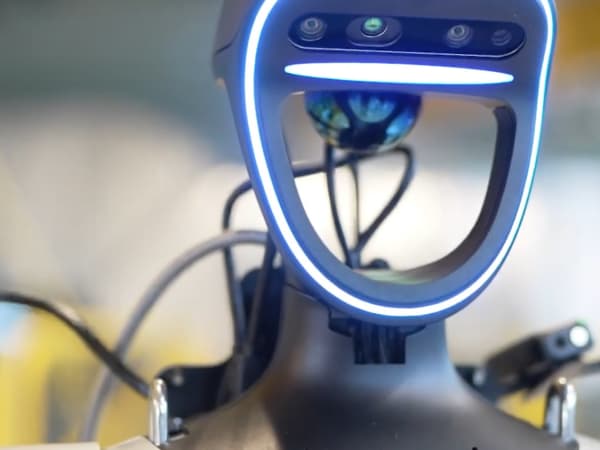
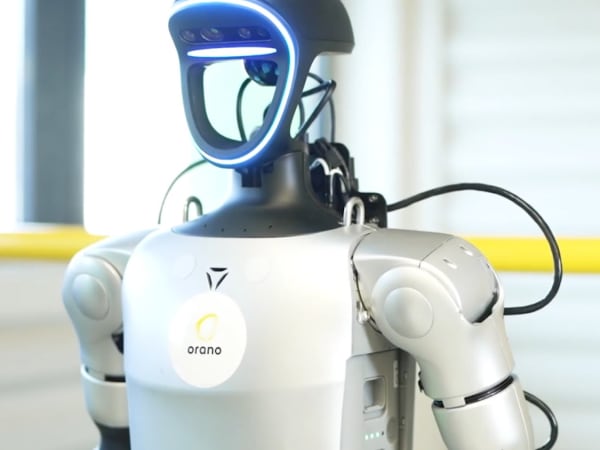
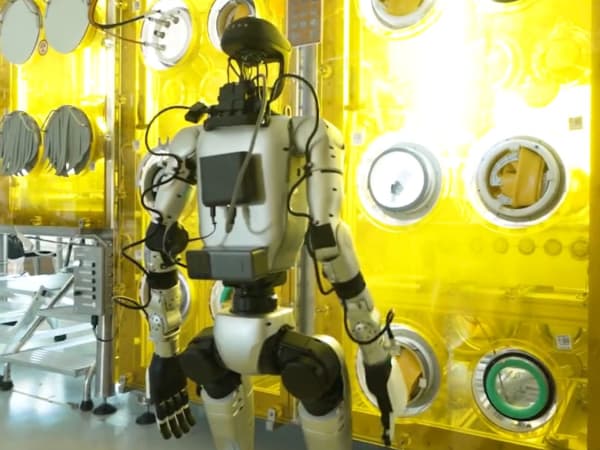
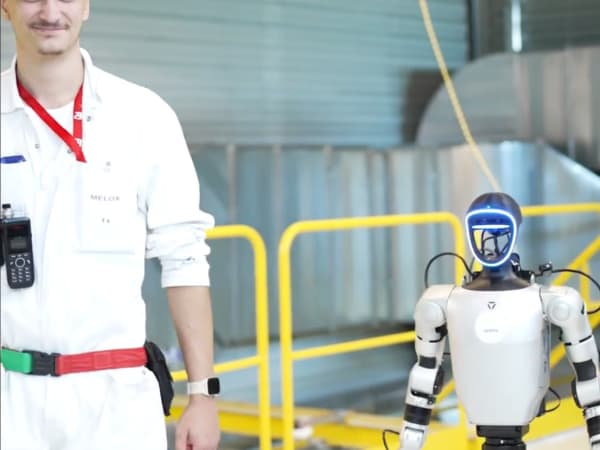

Review Videos
Watch expert reviews and demonstrations of this robot

Robot Specifications
Values without a Confirmed badge are compiled from public sources and may not be manufacturer-verified.
Not yet published by Orano And Capgemini: warranty terms, safety certifications, EMC compliance, IP rating, noise level, expected lifespan, maintenance schedule, firmware version and 7 more.
Robot Timeline
Key milestones in this robot's development and rollout
Capgemini and Orano deploy Hoxo at the Orano Melox Ecole des Métiers in France's Gard region, the first intelligent humanoid used in the nuclear sector, for a four-month test phase.
Source: GlobeNewswire ↗
Latest News About Hoxo Robot
Stay updated with the latest articles and developments
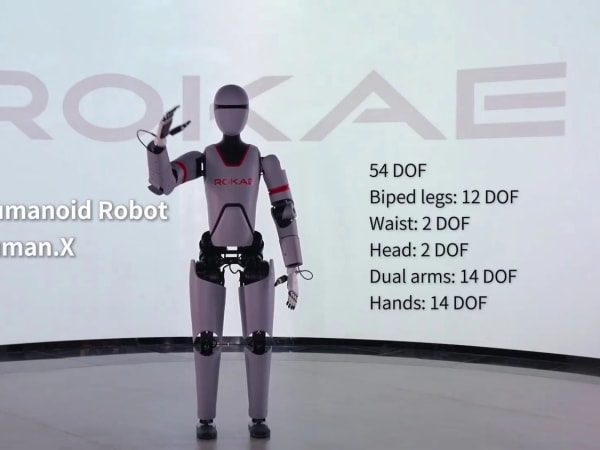
Hoxo Robot vs VR-H3, North, Human.X and DR02
Hoxo Robot overlaps with these alternatives on Dangerous or high-risk work and Hazardous environments. Hoxo Robot leads this group on runtime but trails on max speed and weight.
Industries and capabilities are tags, not scores: a tick means the robot is listed for it. Green marks the best figure in a row (highest max speed and runtime; lowest weight). Ranges are not ranked.
| Spec | Hoxo RobotOrano And Capgemini | VR-H3VinRobotics | NorthSharpa | Human.XROKAE | DR02Deep Robotics |
|---|---|---|---|---|---|
| Industries | |||||
| Dangerous or high-risk work | Yes | No | No | No | Yes |
| Hazardous environments | Yes | No | No | No | Yes |
| Inspection and quality control | Yes | No | Yes | No | Yes |
| Industrial automation | Yes | Yes | Yes | Yes | Yes |
| Capabilities | |||||
| Human-environment interaction | Yes | No | Yes | No | Yes |
| Human-robot interaction | Yes | No | Yes | Yes | Yes |
| Stair climbing | Yes | Yes | Yes | No | Yes |
| Terrain traversal | Yes | Yes | Yes | No | Yes |
| Max Speed | 1 m/s | 1.5 m/s | 1.39 m/s | 0.02s Reaction Time (Active manipulation) | 0.5 m/s | 4 m/s |
| Runtime | 6 h | 8 h | 4–6 h | 6 h | 2–3 h |
| Weight | 80 kg | 85 kg | 60 kg | 75 kg | 75 kg |
| Released | 2025 | 2025 | 2025 | 2025 | 2025 |
Notes such as conditions or alternate figures are left out and values are shown in common units; open each page for the full specs. Browse all Humanoid Robots
Compare This Robot With Others
See how Hoxo Robot stacks up against other leading robotics models in detailed side-by-side technical comparisons.

More Humanoid Robots
Discover more robots in the same category



Robots From Other Categories
Discover complementary robots from different categories that work well together
Frequently Asked Questions
Get answers to common questions about this robot
Q1. What are Hoxo's primary capabilities?
Hoxo is designed to replicate human movements and operate alongside nuclear facility teams in challenging intervention environments. The robot combines mobility, precision, and embedded artificial intelligence to execute technical gestures, perform autonomous navigation, and interact with human operators in real-time perception scenarios.
Q2. How to operate Hoxo?
Hoxo operates through human-machine interaction systems that enable operators to control the robot's movements and technical gestures. The system integrates real-time perception and autonomous navigation capabilities, allowing operators to guide the robot through complex nuclear facility environments while maintaining safety protocols.
Q3. What is the maximum carrying capacity of Hoxo?
Specific carrying capacity specifications are not publicly disclosed. However, as a 1.35-meter humanoid robot designed for precision technical work in nuclear environments, Hoxo is engineered for moderate payload handling rather than heavy lifting operations.
Q4. How long can Hoxo operate on a single charge?
Battery endurance specifications have not been publicly released. Operating duration depends on task intensity, navigation complexity, and environmental conditions within nuclear facilities during the ongoing four-month testing phase.
Q5. What safety features does Hoxo have?
Hoxo incorporates advanced sensors for real-time perception and autonomous navigation to prevent collisions and hazardous situations. The robot is specifically designed to enhance safety in nuclear environments by reducing human exposure to challenging intervention scenarios while maintaining precise operational control.
Q6. How to maintain Hoxo?
Maintenance protocols are being developed during the testing phase at Orano Melox. Standard maintenance likely includes sensor calibration, software updates, joint lubrication, and battery health monitoring to ensure optimal performance in nuclear facility operations.
Q7. What surfaces can Hoxo navigate?
Hoxo features autonomous navigation capabilities designed for nuclear facility environments. The robot can traverse standard industrial flooring, though specific terrain limitations and surface compatibility details are being validated during the current testing phase.
Q8. How does Hoxo handle obstacles?
Hoxo uses advanced sensors and real-time perception systems to detect and navigate around obstacles autonomously. The embedded artificial intelligence enables dynamic path planning to avoid hazards while maintaining operational efficiency in complex nuclear facility layouts.
Q9. What is Hoxo's maximum speed?
Maximum speed specifications have not been publicly disclosed. The robot prioritizes precision and safety over speed, designed for deliberate technical operations in sensitive nuclear environments rather than rapid mobility.
Q10. What are common use cases for Hoxo?
Hoxo is deployed for technical interventions in nuclear facilities, supporting operators in challenging environments. Primary applications include equipment inspection, maintenance tasks, material handling, and operations in areas with elevated radiation or environmental hazards.
Q11. How to reset Hoxo?
Reset procedures are part of Hoxo's operational protocols being validated during testing. Standard reset likely involves system diagnostics, sensor recalibration, and software state restoration through control interface commands.
Q12. How to control Hoxo?
Hoxo is controlled through an integrated human-machine interaction system that enables real-time operator commands. Control mechanisms combine autonomous navigation with manual gesture execution, allowing operators to direct the robot's movements and technical operations remotely or on-site.
Q13. How to connect Hoxo to Wi-Fi?
Connectivity specifications are being developed during the testing phase. Hoxo likely supports wireless connectivity for remote monitoring, software updates, and data transmission, though specific Wi-Fi configuration procedures have not been publicly detailed.
Q14. What is Hoxo's warranty?
Warranty terms have not been publicly announced. As a prototype undergoing four-month testing at Orano Melox, warranty coverage will likely be determined following successful validation and commercial deployment decisions.
Q15. How to update Hoxo's software?
Software updates are managed through Capgemini's AI Robotics & Experiences Lab. Updates likely occur through secure wireless connections or direct interface connections, ensuring the robot's artificial intelligence, perception systems, and autonomous navigation capabilities remain current with operational requirements.
Rating and Reviews
Share your experience and help others decide!
Loading...
User Reviews
No user reviews. Be the first one to review!
User Comments (No Login needed)
Share your thoughts, experiences, or questions about this robot.
Comments appear after moderator review.