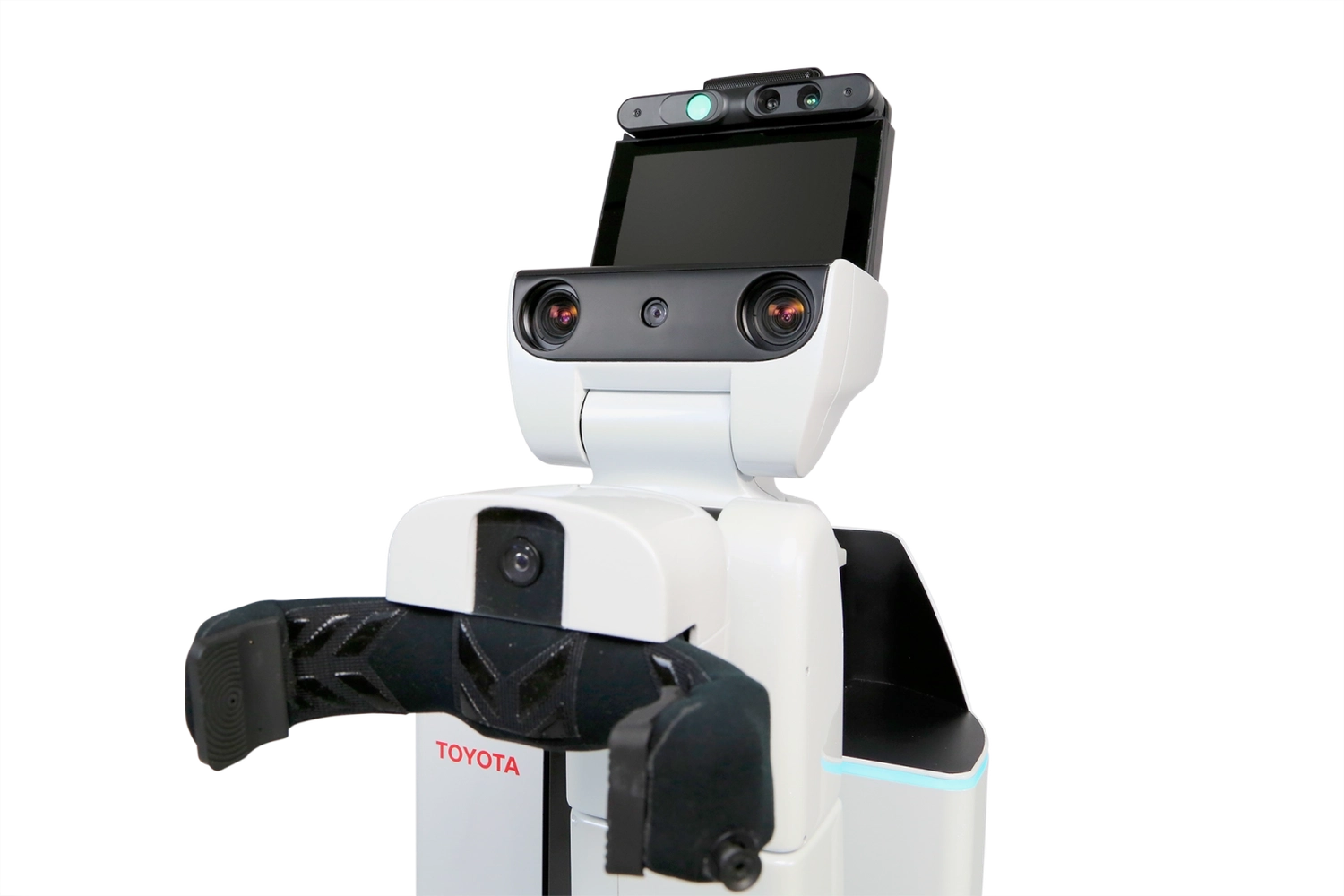
Human Support Robot (HSR)
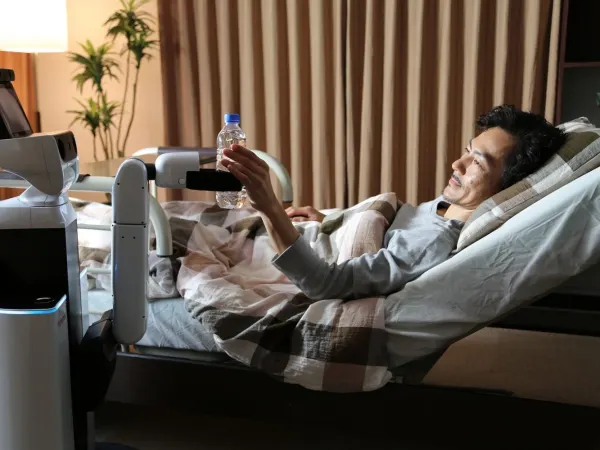
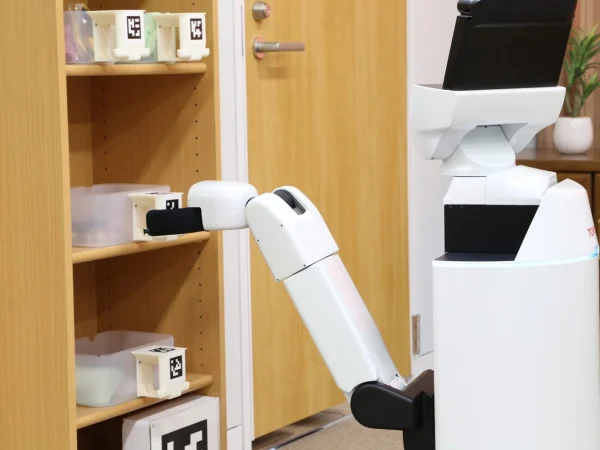
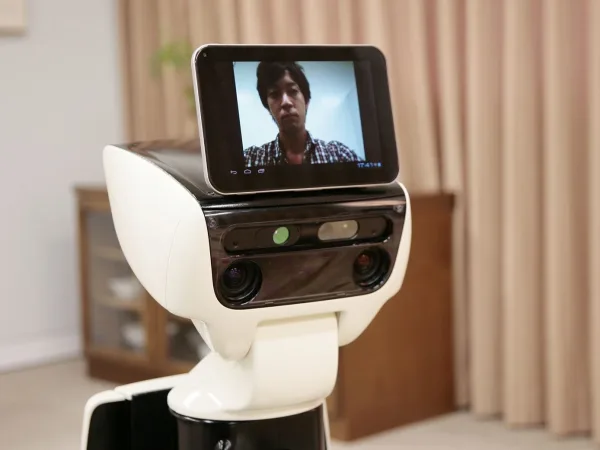
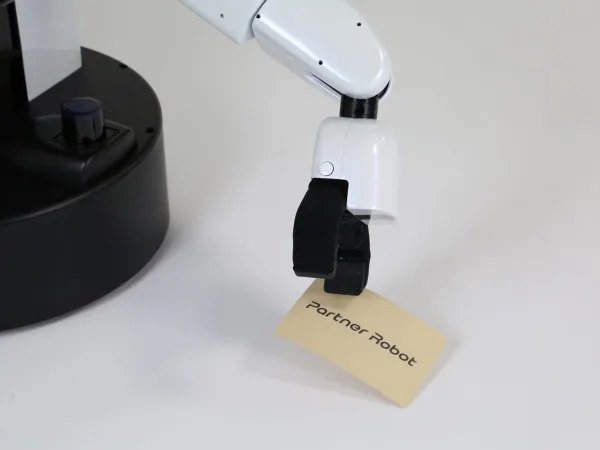
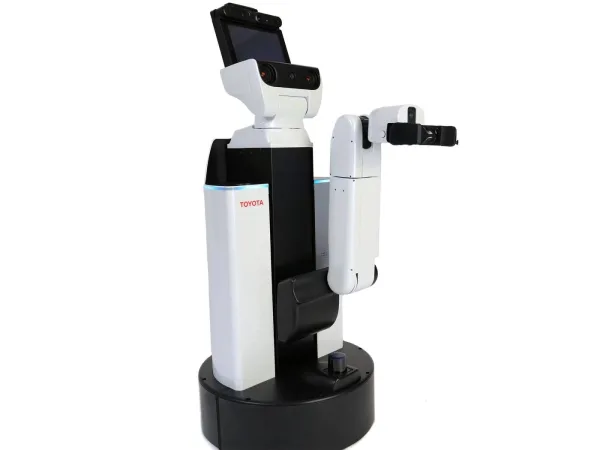
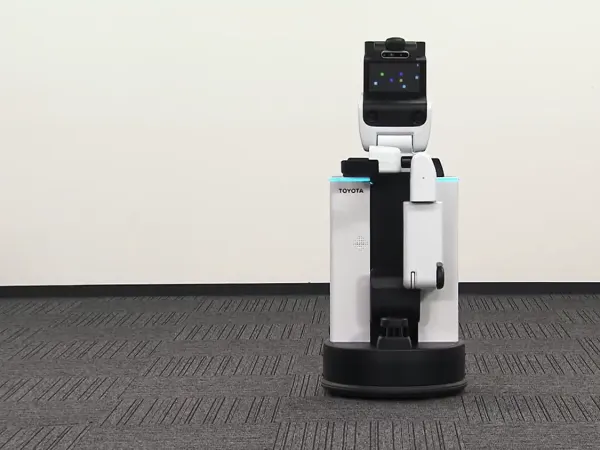
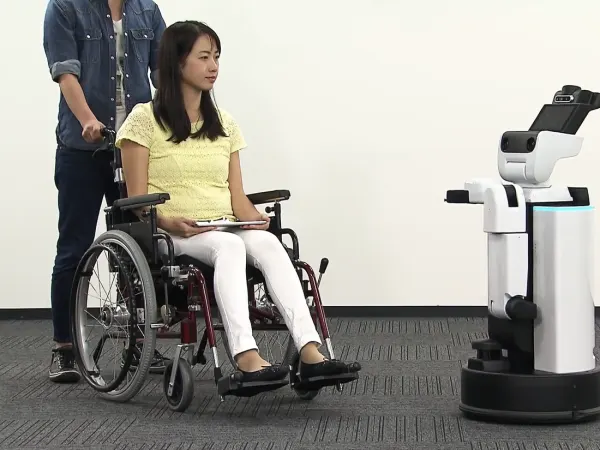
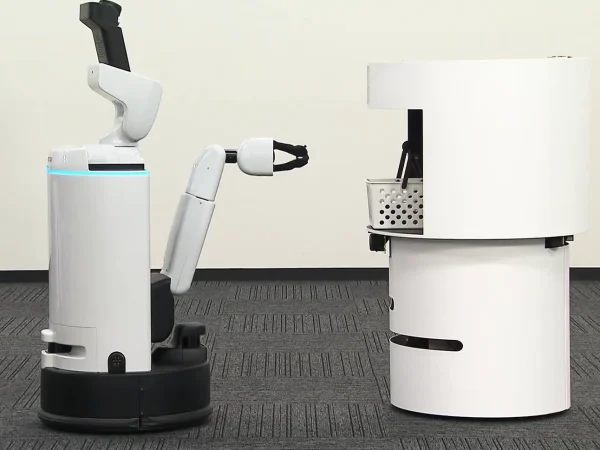
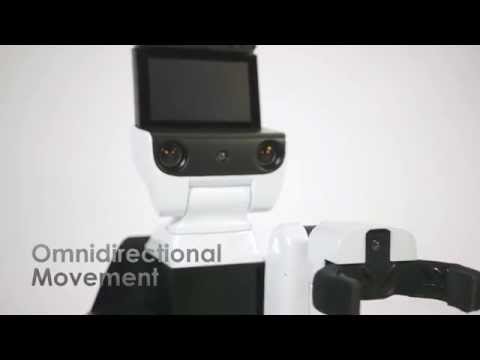
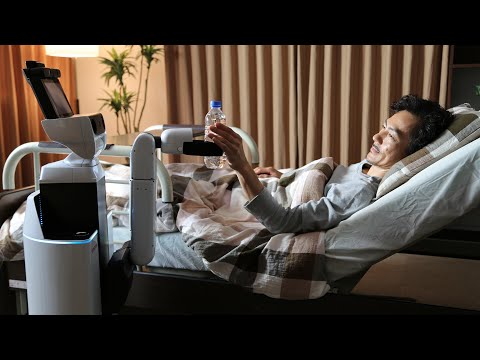
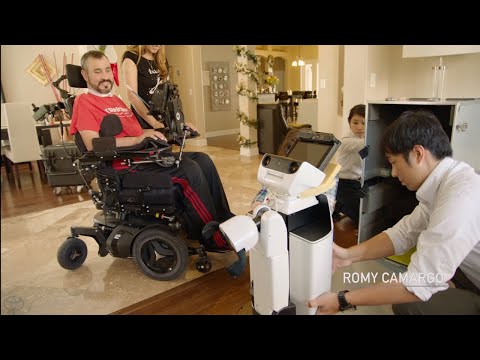
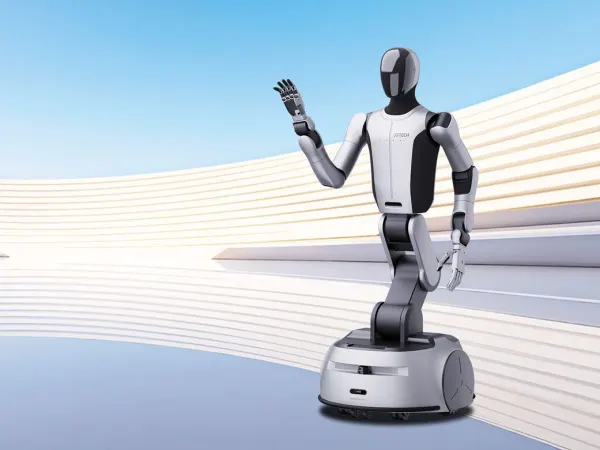
The Toyota Human Support Robot (HSR) is a compact, cylindrical mobile manipulator designed primarily to assist elderly individuals and those with mobility impairments in daily living. Equipped with omni-directional wheels for smooth navigation in tight home spaces, it features a folding arm capable of picking up objects from the floor, retrieving items from high shelves, opening curtains, and suctioning thin items. HSR supports voice commands, tablet control, and autonomous operation via environmental recognition. It enables remote interaction, relaying operators' faces and voices in real-time for family check-ins. With advanced sensors for obstacle avoidance and SLAM-based navigation, HSR performs household tasks like monitoring family members and fetching objects, promoting independence and reducing caregiver burden in aging societies.
Quick Overview & Key Facts
Human Support Robot (HSR) is a service_hospitality_robot system developed by Toyota in Japan and launched in 2012. Starting price is estimated at Not commercially available. It is currently ranked #17 in most-viewed service & hospitality robots on Origin of Bots. It supports Assistance, guiding, fetching, remote family interaction. Operating battery runtime is rated at 8 hours. Primary applications include Homes, elderly care, hospitals, research. Featured in editorial articles including “Toyota’s Human Support Robot shows how teleoperation can extend care and home assistance”.
Image Gallery
Below images are from Toyota's official sources
Review Videos
Watch expert reviews and demonstrations of this robot

Robot Specifications
Latest News About Human Support Robot (HSR)
Stay updated with the latest articles and developments
More Robots from Toyota
Explore other robots from this manufacturer

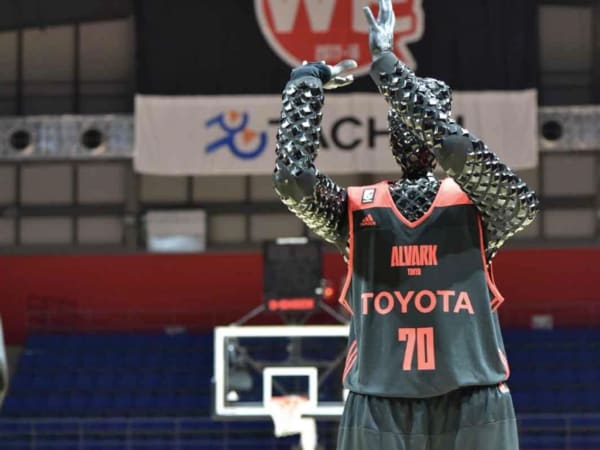
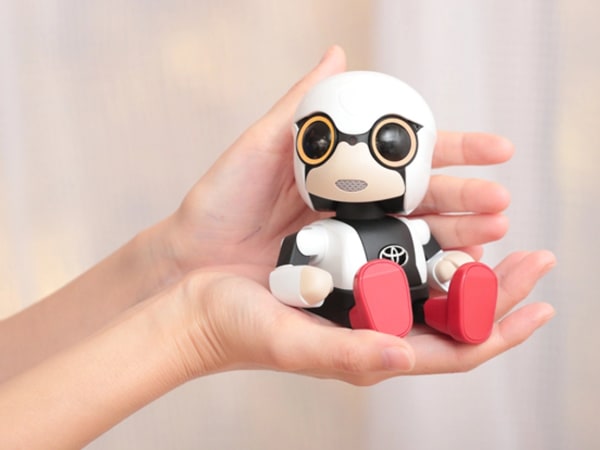
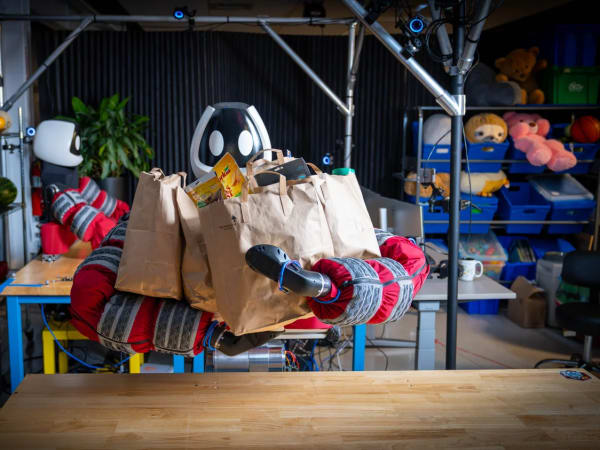
More Robots
Discover more robots in the same category


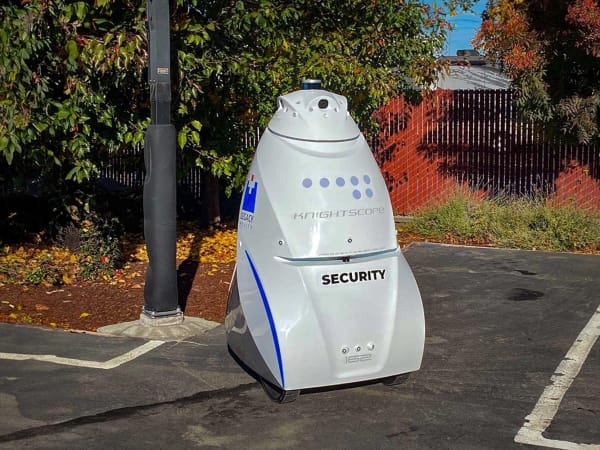

Robots From Other Categories
Discover complementary robots from different categories that work well together
Frequently Asked Questions
Get answers to common questions about this robot
Q1. What is Human Support Robot (HSR) and what hospitality or service tasks is it designed to perform?
The Human Support Robot (HSR) is a compact mobile manipulator developed by Toyota for assisting elderly or disabled individuals with daily tasks. According to Toyota, it picks up objects, retrieves items from high or low places, opens curtains, and navigates homes using omni-directional wheels and voice or tablet control, with potential adaptation for service roles like delivery.
Q2. Which hotels, restaurants, or businesses are currently deploying Human Support Robot (HSR)?
No public records indicate current deployments of HSR in hotels, restaurants, or businesses. Toyota has deployed HSR primarily for research in its facilities, university labs in Japan and the US, and planned use for visitor assistance at the 2020 Tokyo Olympics.
Q3. How does Human Support Robot (HSR) navigate busy lobbies and avoid guests or obstacles?
HSR uses omni-directional wheels for smooth movement, bumper sensors for contact detection, and magnetic sensors to avoid no-entry zones marked by tapes. According to Toyota, it handles surfaces with up to 5mm height differences and 5° inclines at a maximum speed of
Q4. What languages does Human Support Robot (HSR) support for guest interactions?
Specific supported languages for HSR guest interactions are not detailed in available specifications. It operates via voice commands and tablet interfaces, primarily developed for Japanese home use with potential for multilingual research adaptations.
Q5. How long does Human Support Robot (HSR) operate on a single charge during a hospitality shift?
Battery life details for HSR during extended shifts are not specified in technical documentation. Toyota describes it as designed for household tasks, with a lightweight 37kg body supporting mobility but without published charge duration data.
Q6. How does Human Support Robot (HSR) integrate with hotel PMS, POS, or room management systems?
Integration of HSR with hotel PMS, POS, or room management systems is not documented. It runs on the Robotic Operating System (ROS) for research applications, enabling custom programming but lacking reported hospitality system compatibility.
Q7. What is the cost or pricing model for deploying Human Support Robot (HSR) in a business?
Pricing details for HSR deployment are not publicly available from Toyota. Developed as a research platform since 2012, it is provided to select labs and facilities without disclosed commercial models.
Q8. How does Human Support Robot (HSR) handle requests or situations it cannot resolve?
HSR supports remote human intervention via tablet or GUI for tasks beyond its autonomous capabilities, such as unknown environments. According to Toyota, this hybrid control allows operators to guide the robot using cognitive judgment when needed.
Q9. How does Human Support Robot (HSR) compare to Keenon, Savioke, BellaBot, or other hospitality robots?
Unlike Keenon, Savioke Relay, or BellaBot designed for food delivery and guest services in hospitality, HSR focuses on home assistance for elderly users with object manipulation. HSR's ROS platform offers research flexibility but lacks the specialized navigation and interaction features of commercial service robots.
Q10. What measurable outcomes or ROI have early adopters reported from using Human Support Robot (HSR)?
No measurable outcomes or ROI reports from early adopters in hospitality exist, as HSR is primarily a research platform. Toyota research highlights its utility in elderly care tasks, with studies evaluating capabilities in robot-mediated learning environments.
User Comments (No Login needed)
Share your thoughts, experiences, or questions about this robot.
Comments are reviewed before posting.