Kepler Unveils Forerunner K2: The Future of Industrial Humanoids
Robot Details
Forerunner K2 • Kepler RoboticsPublished
December 11, 2025
Reading Time
4 min read
Author
Origin Of Bots
Launching a New Robotics Era
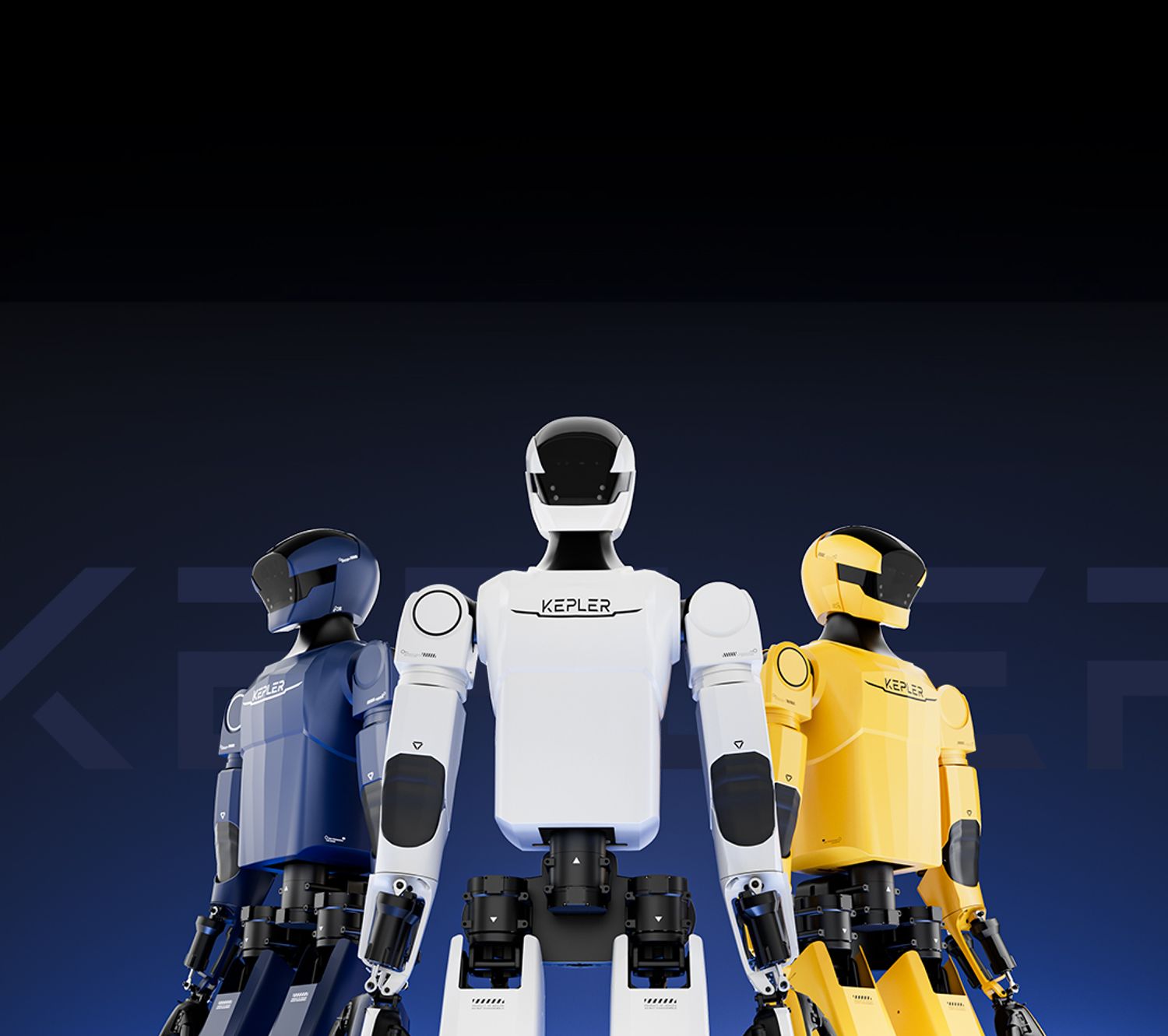
Kepler Robotics has just launched its groundbreaking fifth-generation humanoid, the Forerunner K2, marking a pivotal moment in industrial robotics. Priced competitively to accelerate adoption, this bipedal robot is engineered to redefine automation across sectors. Its debut promises to disrupt traditional workflows by combining advanced AI with robust hardware, enabling unprecedented autonomy and dexterity. The K2’s arrival signals a shift toward more intelligent, collaborative machines designed for the complexities of today’s industrial environments.
Dexterity Meets Intelligence
The Forerunner K2 distinguishes itself with an exceptional blend of tactile precision and cognitive agility. Its hands boast 11 degrees of active and passive freedom, each fingertip embedded with up to 96 sensors, allowing for fine manipulation of objects up to 15 kg per hand. Beyond raw strength, it leverages sophisticated AI that integrates imitation and reinforcement learning, enabling the robot to adapt fluidly to unstructured settings and collaborate seamlessly with human operators. This synergy between sensory input and machine learning elevates the K2 above mere mechanical automation.
Engineering Breakthroughs Inside
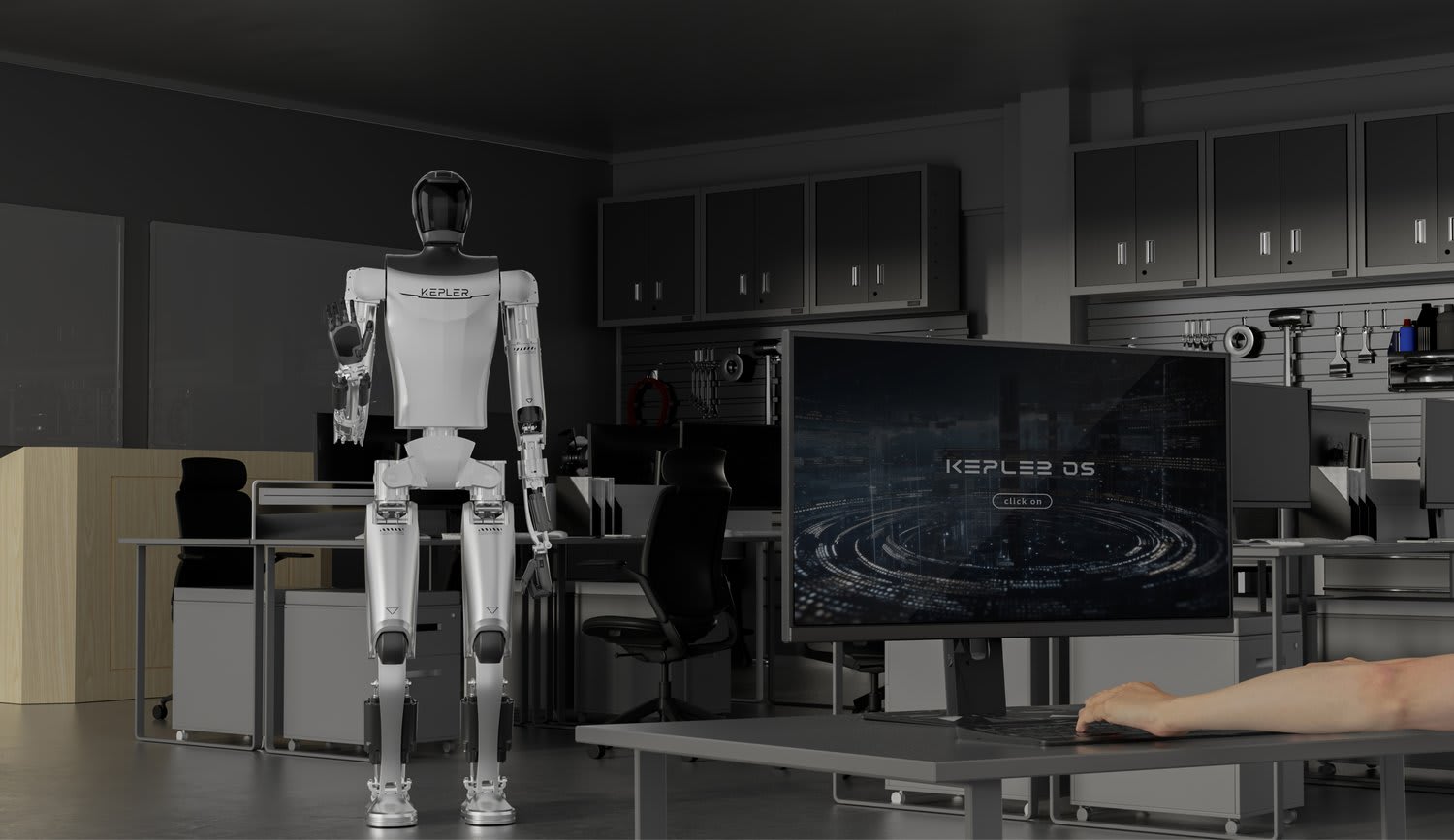
At its core, the K2 incorporates revolutionary actuator technology—planetary roller screw actuators paired with rotary actuators in a series-parallel configuration—that delivers industry-leading endurance and payload handling. This design achieves high-load precision with minimal energy consumption, dramatically extending operational stamina. Complementing this is a star-shaped wiring layout that simplifies maintenance and upgrades. These innovations, coupled with an advanced AI-driven control system, enable the K2 to execute tasks with 0.01-degree accuracy and millimeter-level precision, setting new standards for humanoid robotics engineering.
From Warehouse Floors to Emergencies
The Forerunner K2’s versatility makes it a valuable asset across a spectrum of real-world applications. It excels in industrial automation by handling goods and tools with dexterous ease, streamlining warehouse logistics, and performing precise quality control inspections. Its robust sensor suite and autonomous navigation empower it to assist in emergency response scenarios, providing support in hazardous environments where human presence is risky. Additionally, its adaptability makes it a compelling tool for research institutions and educational programs focused on robotics innovation.
Compact Powerhouse Specs
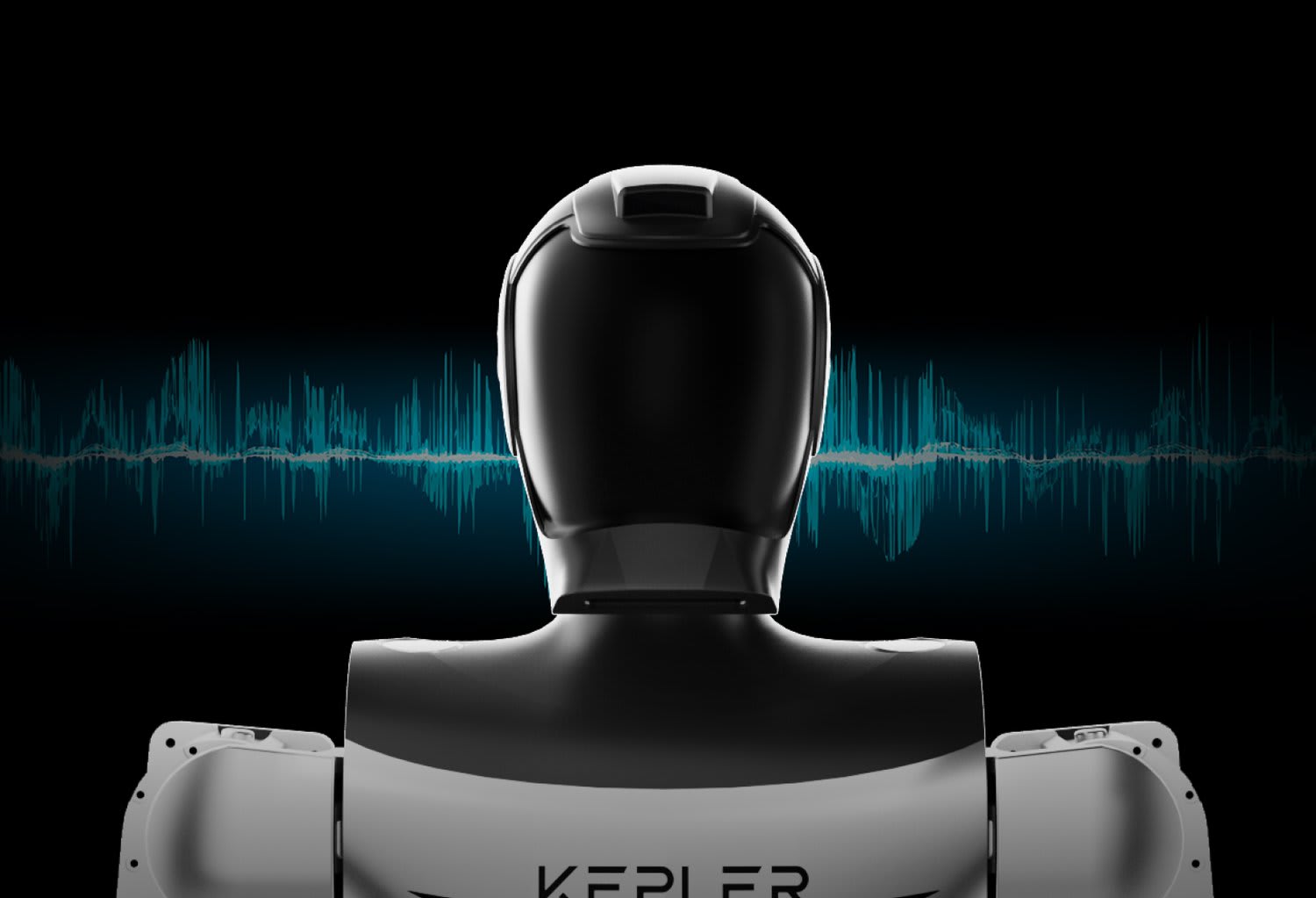
Measuring approximately 178 x 50 x 40 cm and weighing 75 kg, the Forerunner K2 balances size with strength, cruising at a maximum walking speed of 4 km/h. Its battery life spans an impressive 5 to 8 years, supported by a 2.33 kWh pack capable of eight hours per charge and flexible automatic charging options. The robot’s sensory array includes 3D and fisheye vision cameras, tactile sensors (up to 25 per finger), six-axis force-torque sensors in the wrists, IMUs, pressure and torque sensors in joints, and ultrasonic sensors. Navigation is powered by LiDAR, SLAM, and visual odometry, ensuring safe, obstacle-aware mobility with emergency stop and collision avoidance systems. Running on a Linux-based OS with ROS compatibility, it integrates seamlessly into existing robotic ecosystems.
Standing Among Giants
When stacked against peers like Figure 03, ALICE 3, Atlas (Electric Atlas, 2025), and Nylo, the Forerunner K2 shines in industrial-grade payload capacity and tactile dexterity, surpassing many in precision and endurance thanks to its innovative actuators and advanced sensor arrays. While Atlas boasts higher agility and dynamic motion capabilities, the K2 excels in sustained operational time and fine manipulation. Compared to ALICE 3’s focus on service robotics and Figure 03’s research orientation, K2’s industrial robustness and cloud-integrated cognitive models give it an edge in blue-collar applications. Its slightly heavier frame and moderate speed may limit agility in some settings but enhance stability and load handling, positioning it as a formidable contender in heavy-duty humanoid robots.
Charting Robotics’ Next Frontier
The Forerunner K2’s introduction signals a decisive leap toward embedding humanoid robots deeper into industrial workflows and emergency operations. With its blend of endurance, intelligence, and dexterity, Kepler Robotics is setting a new paradigm for machines that can learn, adapt, and collaborate inside complex environments. As industries demand smarter automation, the K2’s modular design and software ecosystem promise ongoing evolution. Looking ahead, this platform could accelerate widespread humanoid deployment, transforming robotics from experimental tools into indispensable workforce partners across the globe.
Explore Humanoids
Related Articles
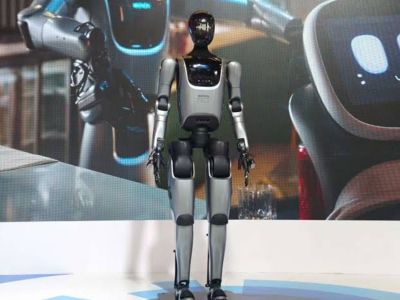
XMAN-F1 Partners Johnnie Walker, M104 for AI Bartending Breakthrough
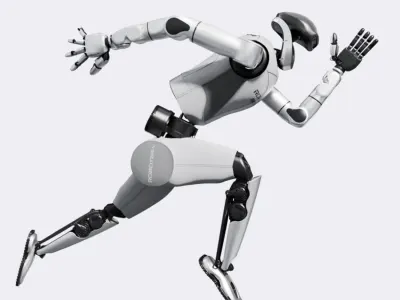
RobotEra L7 Racing Into Warehouses: 14.4 km/h Humanoid Cuts Picking Costs with ERA‑42 Deal

Clone’s Protoclone V1 Mirrors Human Muscles with 1,000 Myofibers, 500 Sensors
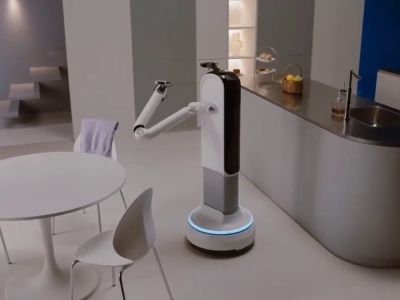
Samsung Bot Handy 2 Integrates Google Gemini, Boosts Dexterity with 3kg Dual-Arm Grip
Related Comparisons
Compare Forerunner K2 with similar robots
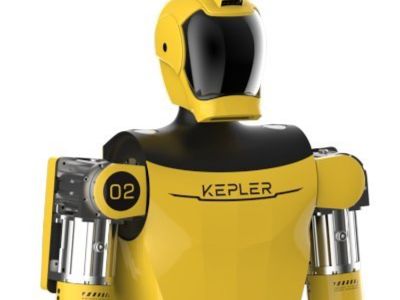
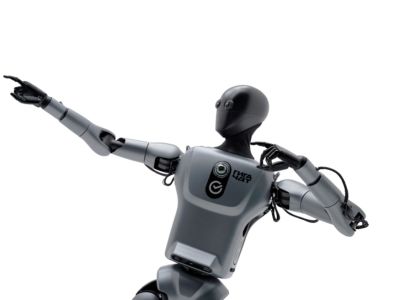
K2 Bumblebee vs Green
K2 Bumblebee or Green? Compare specs, sensors, navigation, speed, and battery performance.
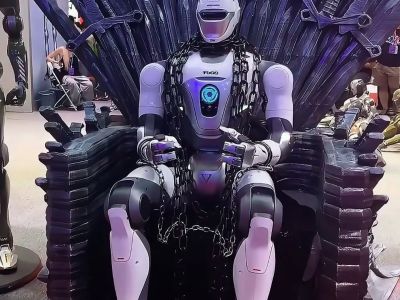
K2 Bumblebee vs T800
Which robot wins? K2 Bumblebee vs T800 compared across speed, sensors, navigation, and price for industrial humanoid selection.

Figure 03 vs K2 Bumblebee
Compare Figure 03 and K2 Bumblebee. Detailed analysis of navigation, battery, and sensors.

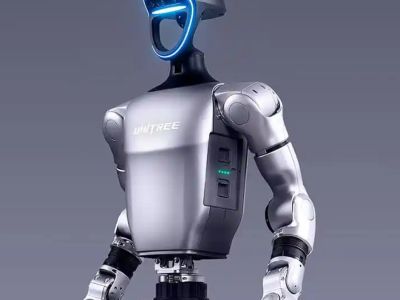
Optimus vs Unitree G1
Compare Optimus vs Unitree G1 for humanoid mobility, dexterity, autonomy, and payload capacity.
Learn More About This Robot
Discover detailed specifications, reviews, and comparisons for Forerunner K2.
View Robot Details →