Magnecko Conquers Disaster Sites in ARCHE 2025 Trials
Robot Details
Magnecko • ETH Zurich (Robotic Systems Lab)Published
March 16, 2026
Reading Time
2 min read
Author
Origin Of Bots Editorial Team
ARCHE Trials Triumph
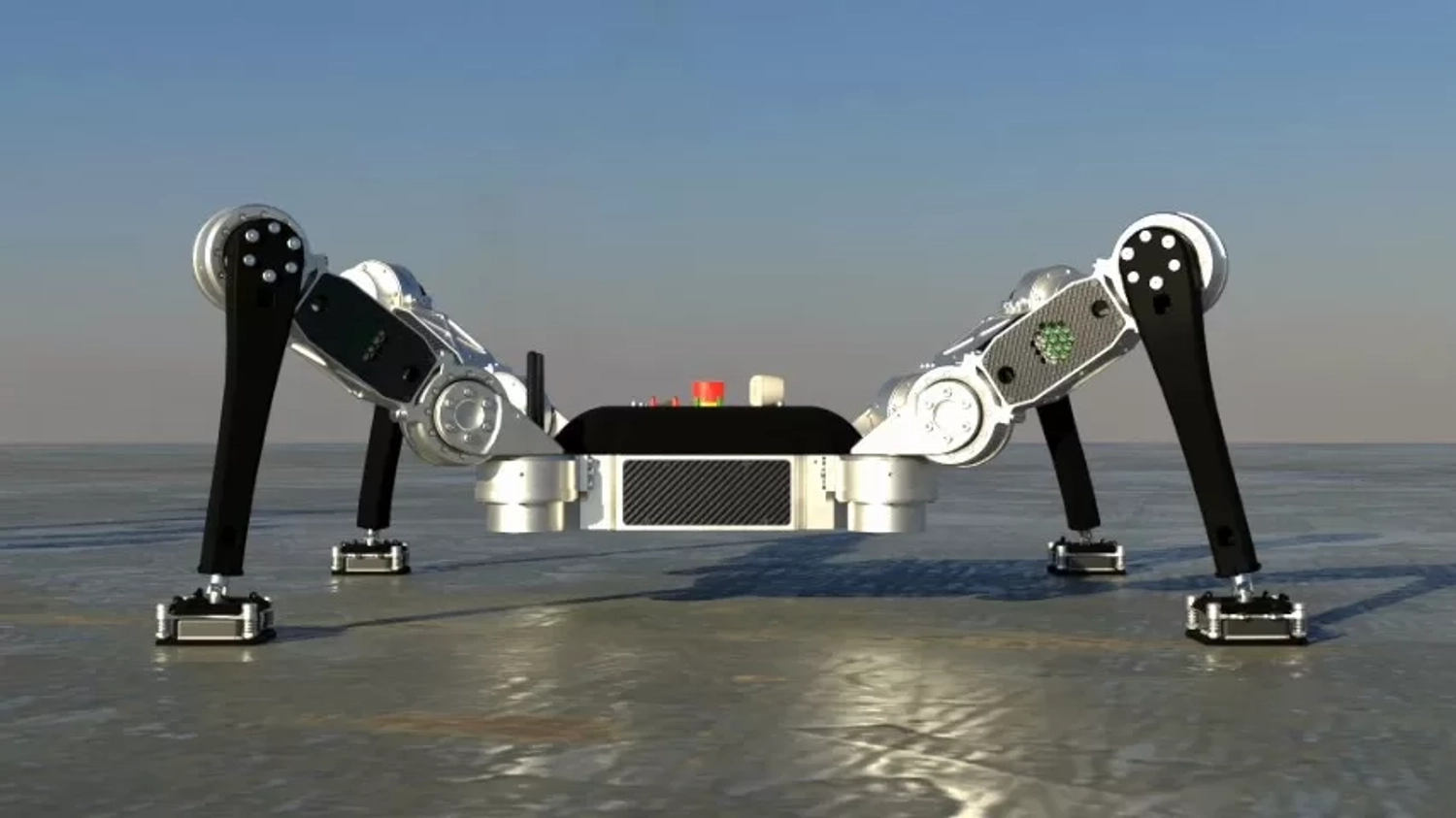
ETH Zurich's Magnecko quadruped robot scaled vertical steel walls and navigated crushed building simulations during the ARCHE 2025 event in late October, showcasing its potential to transform disaster response operations. Controlled via a live camera feed from a wireless handheld device, the bot gripped metal debris with magnetic feet, each supporting up to 15 kilograms, while a safety line ensured reliability in the hazardous mock environment. This demonstration highlighted how Magnecko reduces risks for human rescuers entering unstable structures, proving its readiness for real-world crises where speed and adhesion matter most.
Magnetic Feet Mastery
Magnecko's electro-permanent magnets activate instantly without constant power, allowing seamless transitions from ground to ceilings and 90-degree corners in ferrous terrains. Inspired by gecko adhesion, the insect-style legs with three degrees of freedom per limb enable body repositioning independent of foot placement, disrupting traditional climbing limitations. Recent upgrades to custom actuators boost torque for steep inclines, while three-foot attachment during strides prevents falls, making it a game-changer for vertical mobility in collapsed sites.
Control System Evolution
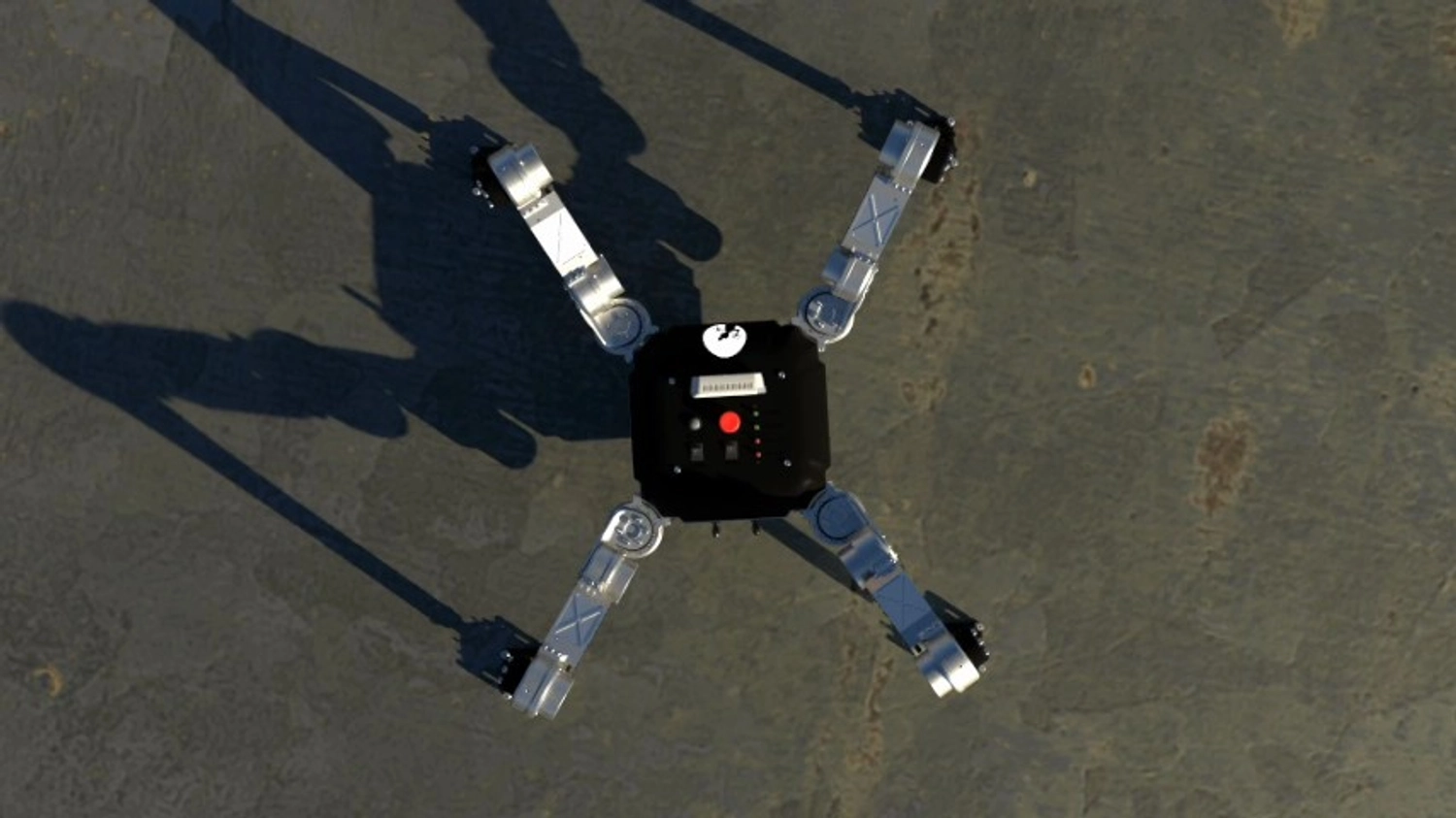
A model predictive controller powers Magnecko's precise locomotion across orientations, from 0.15 m/s on flat ground to 0.033 m/s on walls, integrating ROS for developer flexibility. Front-facing depth cameras, IMU sensors, joint encoders, and custom adhesion monitors feed real-time data, paving the way for SLAM-based autonomy. ETH researchers recently enhanced these systems in lab trials, achieving stable overhang traversal that outpaces wheeled climbers in uneven disaster debris.
Disaster Deployment Potential
In hazardous zones like fire-damaged steel frameworks or shipwrecks, Magnecko deploys for surveillance and initial assessments, carrying inspection tools to spots humans can't reach safely. The ARCHE trials revealed its ability to inspect elevated wreckage without fatigue, supporting longer missions than drones limited by batteries. Future integrations promise autonomous maintenance, such as non-destructive testing on bridges or tanks, revolutionizing how teams handle post-disaster infrastructure checks.
Specs Power Missions
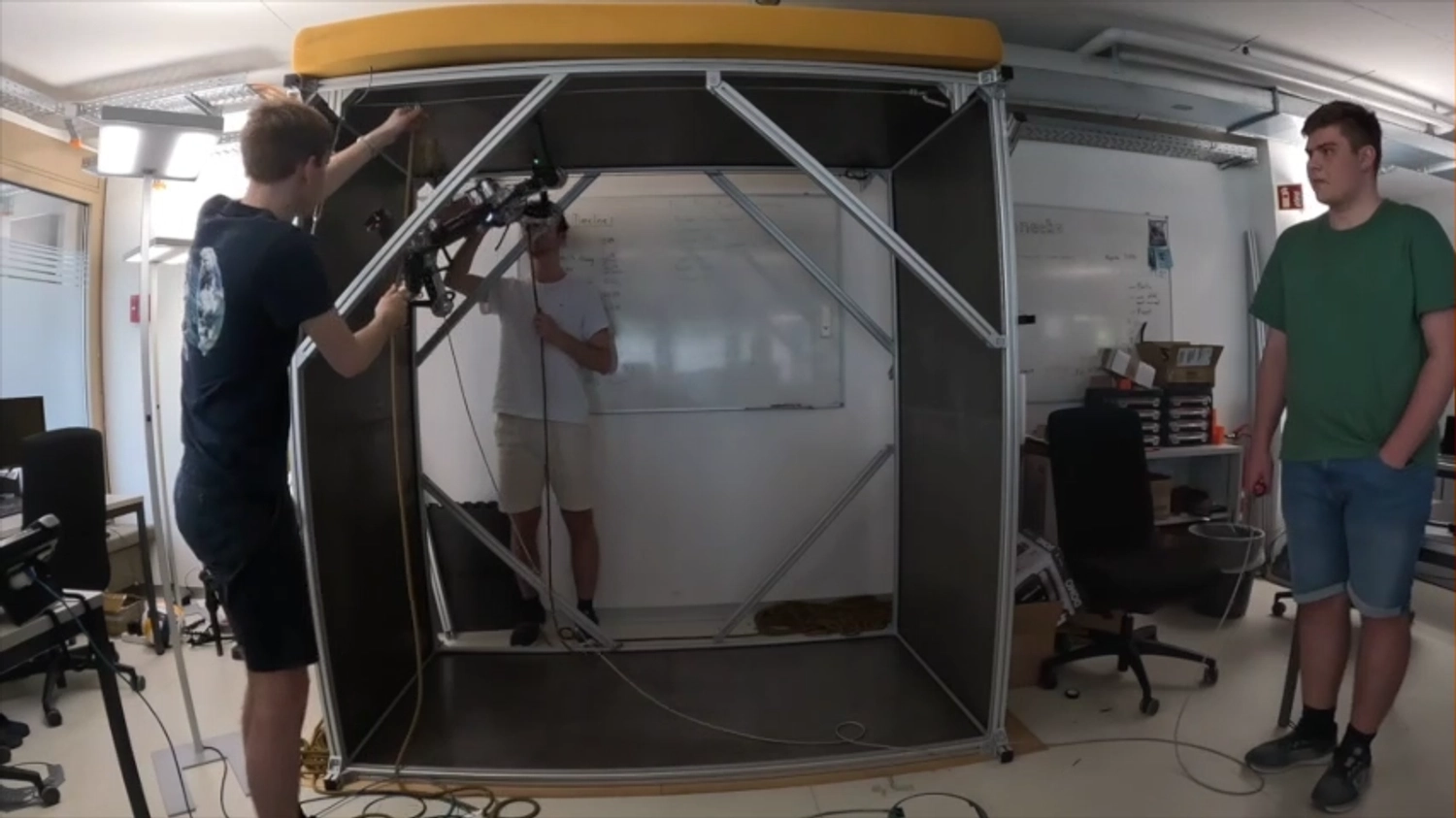
At 50 cm x 50 cm x 20 cm and 11.3 kg, Magnecko hauls up to 7.5 kg payloads—over 65% of its weight—for tools in tight disaster nooks. Speeds adapt to surfaces (ground: 0.15 m/s, overhangs: 0.058 m/s, walls: 0.033 m/s), with a Li-ion pack lasting 3-5 years and 2.5-hour charges enabling extended ops. Teleoperated now with autonomy in development via 3D perception, its safety shines through power-free magnet holds and triple-foot grip, tying directly to reliable rubble navigation.
Rivals Edge Analysis
| Robot | Key Advantage | Where Magnecko Wins | Target Use |
|---|---|---|---|
| Aibi | Compact home navigation | Superior wall/ceiling adhesion | Indoor elderly assistance |
| DelFly Nimble | Agile flight endurance | Heavier payloads on metal structures | Aerial outdoor surveillance |
| Hyundai DAL-e | Voice interaction smarts | Vertical climb in ferrous hazards | Domestic task automation |
| Samsung Ballie | Rolling mobility convenience | Multi-orientation stability/safety | Home security patrols |
Sources
Related Articles

Samsung Shelves Ballie Robot After 2025 Gemini Partnership
Archax Leasing Service Launches June 2024 meviy Boost
Hyundai Advances MobED Toward Korea Commercialization
DelFly Nimble Achieves 90% Maneuver Accuracy in 2026 Flight Tests
Learn More About This Robot
Discover detailed specifications, reviews, and comparisons for Magnecko.
View Robot Details →