Meta Reportedly Builds a Humanoid Robot Prototype With China's Fourier and Starts a Second Version
Category
humanoidPublished
October 31, 2026
Reading Time
4 min read
Author
Origin Of Bots Editorial Team
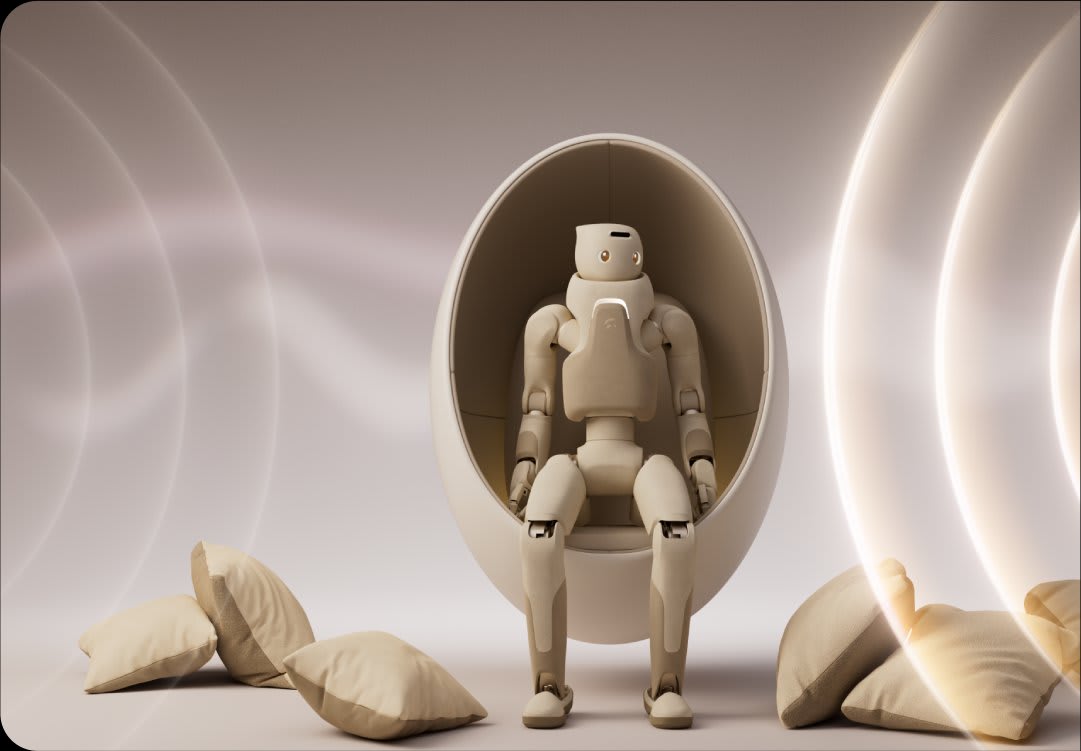
Facebook's Parent Quietly Builds a Body for Its AI
Meta, the company behind Facebook, Instagram and WhatsApp, has built a prototype humanoid robot with Shanghai-based Fourier and is already working on a second version, according to a report from The Information. Reuters picked up the story on October 31 but said it could not immediately verify it.
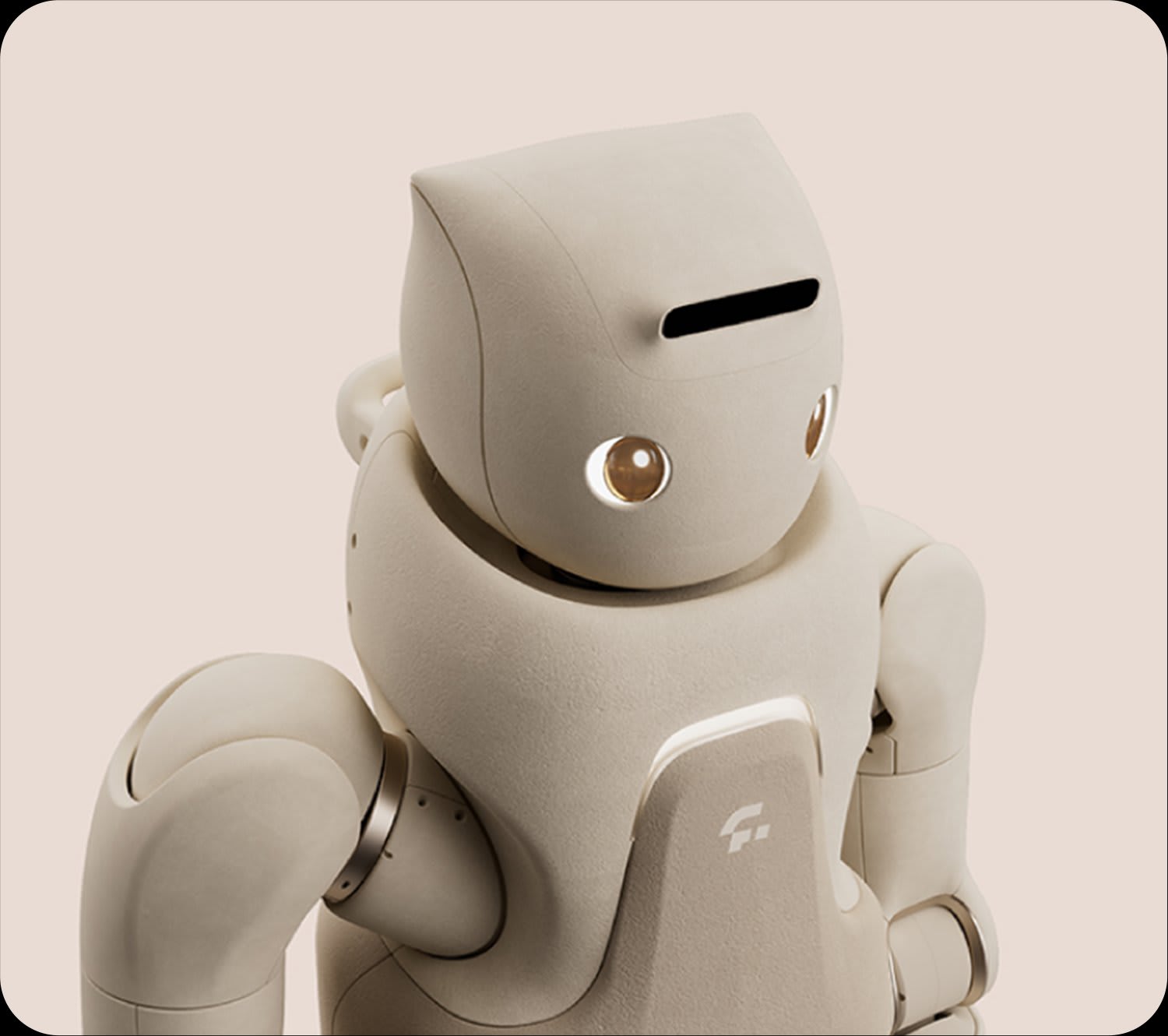
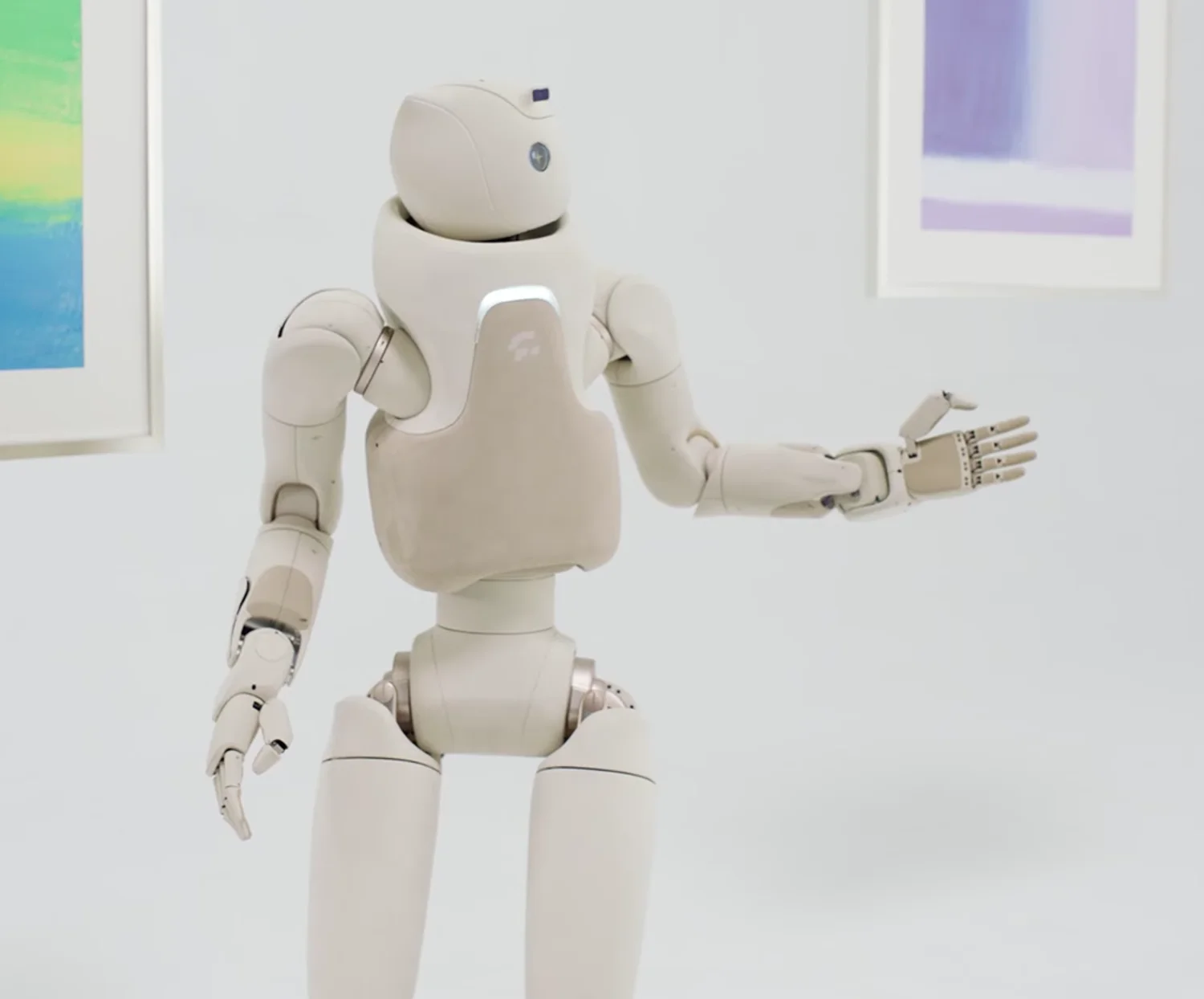
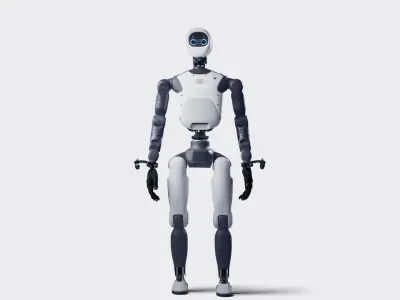
If accurate, it is the clearest sign yet that Meta wants its artificial intelligence to have a physical body. Neither company has announced anything, and the images shown with this story are of Fourier's existing GR-3 robot, not of the Meta prototype.
What the Report Actually Says
The Information, citing people familiar with the project, reports that the first prototype took about three months to build. A second version is now in development. Meta reportedly has no plans to sell these machines, which suggests they are research platforms rather than products.
Many details remain unknown. The robot's height, weight, name and cost have not been confirmed, and neither Meta nor Fourier has released specifications or photos. Online claims about a name and weight are unverified and are not repeated here.

A Shanghai Partner With Hospital Roots
Fourier was founded in 2015 and began by building rehabilitation exoskeletons, powered frames that help patients relearn to walk. That medical background gave it deep experience in making machines that move safely around people.
The company unveiled its first humanoid, the GR-1, in 2023 and has since released newer GR-series models aimed at care and assistance. The GR-3, shown here, is part of that family and gives a sense of the hardware Fourier already builds.
How Meta Got Here
Meta's interest is not new. In February 2025 an internal memo, reported by Reuters, described a new robotics group inside its Reality Labs division, the unit best known for virtual reality headsets and smart glasses. Chief Technology Officer Andrew Bosworth wrote that it would pursue consumer humanoid robots.
The memo said the goal was to make the most of Llama, Meta's family of AI models. Former Cruise chief executive Marc Whitten was hired to lead the effort, a sign that Meta wanted someone with experience putting complex machines on real roads.
Software First, Hardware Second
Meta's plan, as described in coverage of the memo, goes beyond one robot. It wants to develop AI models, sensors and software that other companies' robots could use, much as Google's Android runs on phones from many makers.
That approach helps explain a partnership. Instead of spending years learning to build joints, motors and balance systems from scratch, Meta can borrow a working body and focus on the part it knows best: the intelligence that decides what the robot does.
Why a Chinese Supplier Raises Eyebrows
The timing is sensitive. Chinese technology suppliers face growing scrutiny in Washington, and a US tech giant working with a Chinese robot maker could draw questions from lawmakers about data, security and supply chains.
Neither company has said how the work is divided or where the prototype was built. Until they do, it is unclear how much of the robot is Fourier's design and how much came from Meta's engineers.
An Expensive Bet in Expensive Times
The report arrived a day after S&P cut its outlook on Meta's credit rating to negative, citing the company's heavy spending on AI. A robot program adds to a long list of expensive bets that investors are watching closely.
A research prototype is a small expense next to data centres, but it signals ambition. It shows Meta is willing to test whether the same AI that powers chatbots can learn to handle objects, rooms and chores.
What Comes Next
The first thing to watch is confirmation. If Meta or Fourier speaks publicly, details such as the robot's design, purpose and timeline should follow. A second prototype suggests the project is moving quickly, but it is still a prototype, not a product.
For ordinary people, a Meta robot in the home remains a distant prospect. Meta has given no sale date, and Bosworth has previously said software, not hardware, is the harder problem. This story is best read as an early signal rather than a launch.

Sources
Related Articles
GXO Sends Agility Robotics' Digit Humanoid to Two More US Warehouses
Agile Robots Launches Agile ONE SN Research Humanoid and Pilots Humanoid Parts Picking at Audi

Realbotix Launches Echo TableTop, a $11,950 Lifelike Desktop Humanoid That Speaks Over 100 Languages
