Agile Robots Launches Agile ONE SN Research Humanoid and Pilots Humanoid Parts Picking at Audi
Robot Details
Agile ONE SN • Agile RobotsPublished
October 27, 2026
Reading Time
4 min read
Author
Origin Of Bots Editorial Team
A Small Humanoid With a Big Job
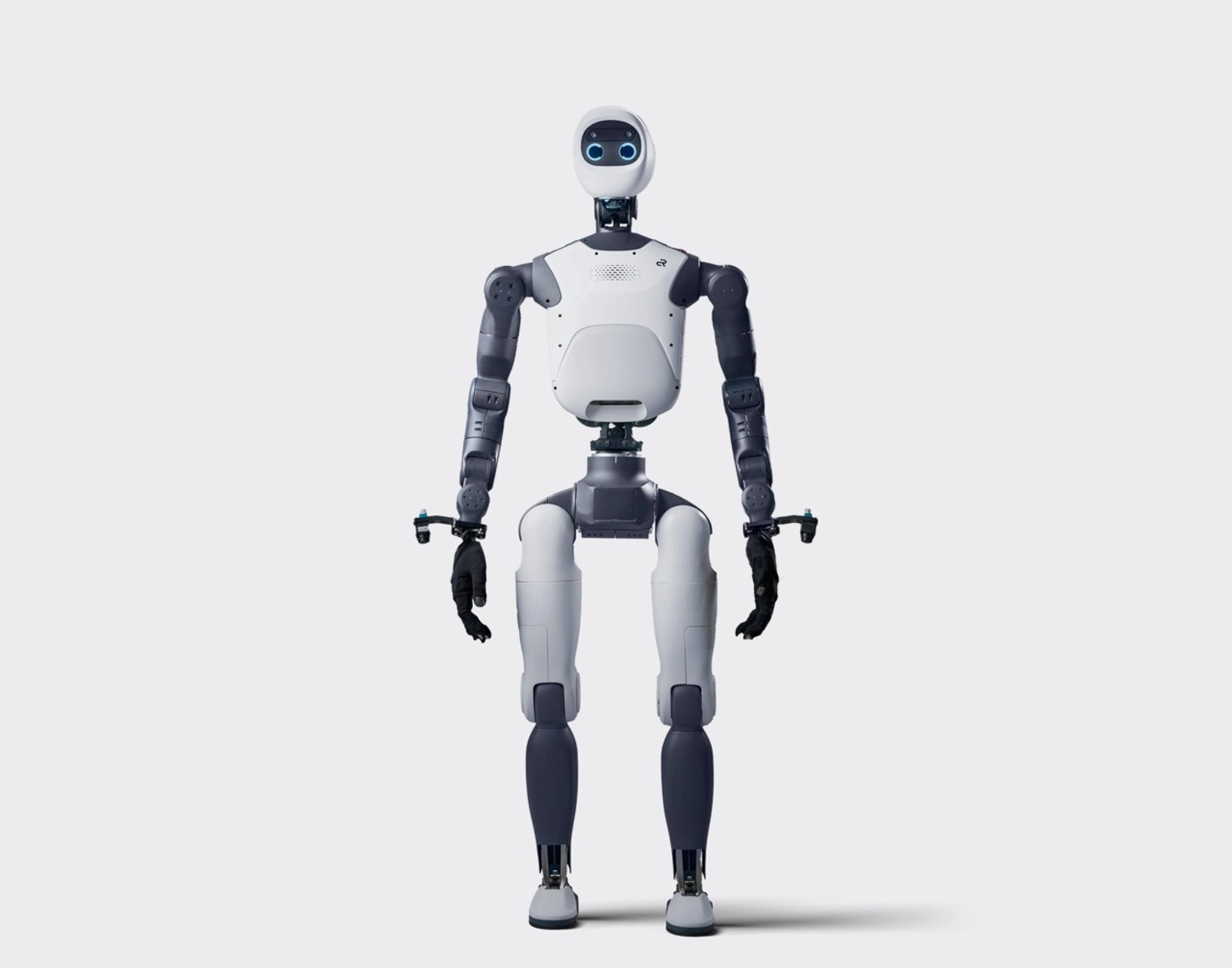
Munich-based Agile Robots has launched Agile ONE SN, a compact humanoid built for research labs. The company unveiled it at NVIDIA's GTC Berlin event on October 21, and says it plans to start delivering units in early 2027.
It matters because most humanoid news focuses on factory robots. This one is aimed at the people who teach robots new skills. Universities and corporate labs get a ready-made body to experiment on, and what they learn can later move to bigger machines.
Built for Researchers, Not Assembly Lines
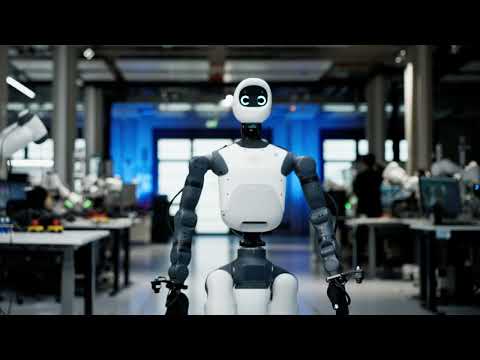
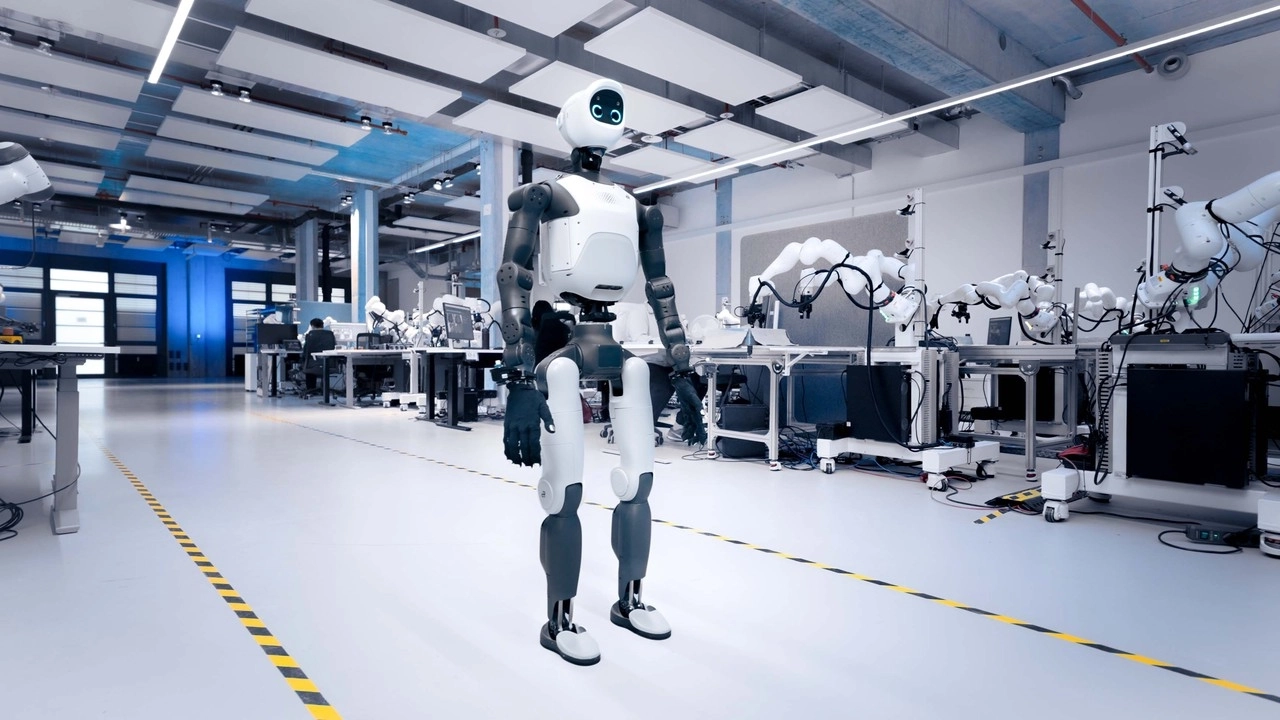
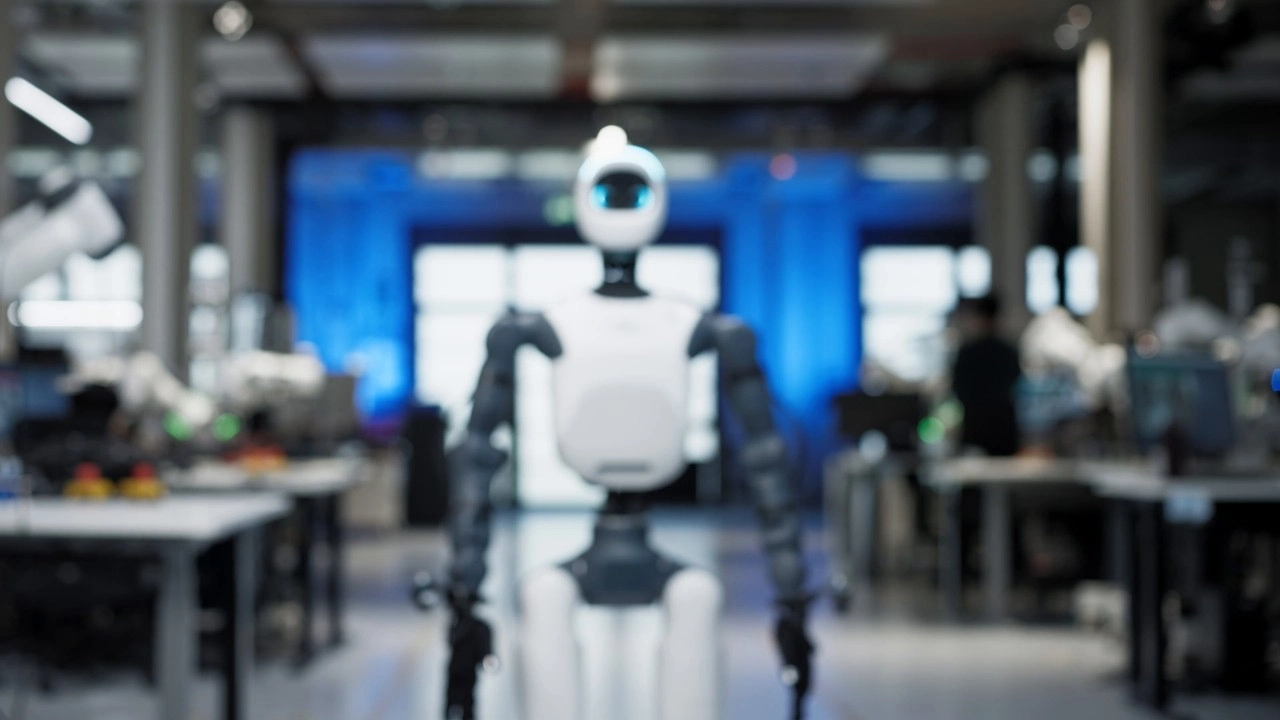
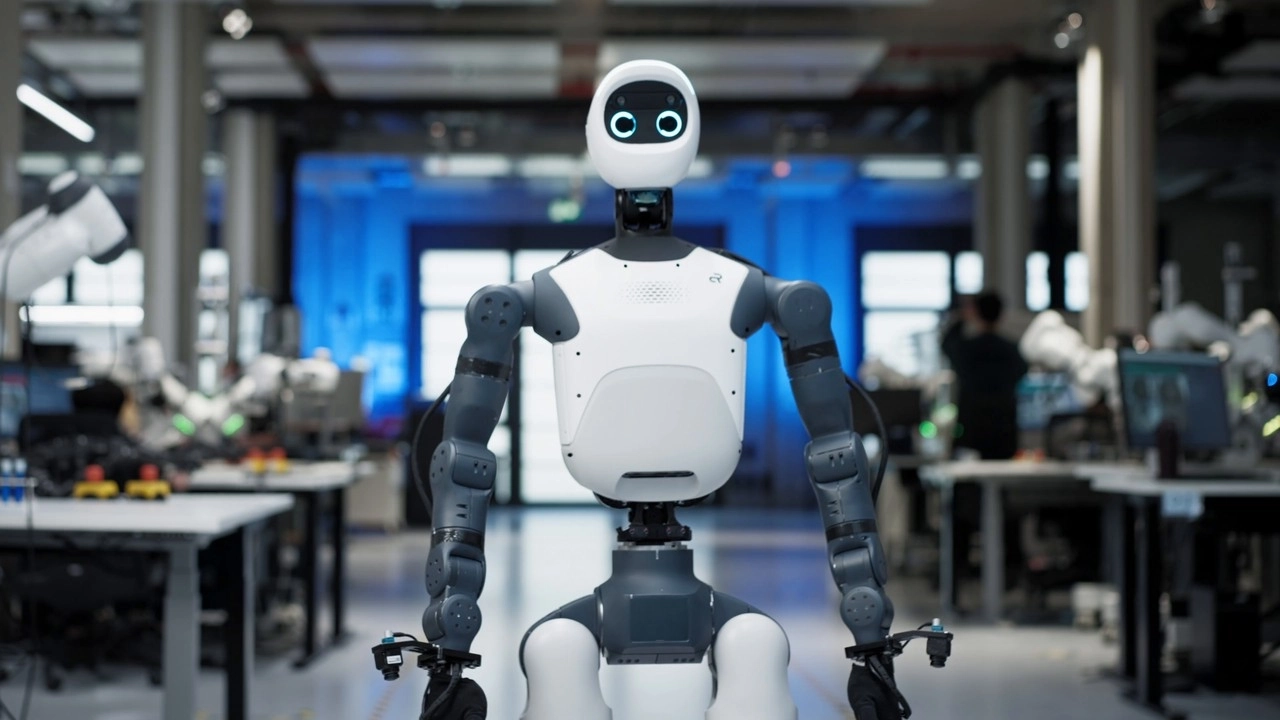
Agile ONE SN stands 1.4 meters tall, roughly the height of a ten-year-old child, and weighs 43 kilograms. Agile Robots calls it a reference platform, meaning a standard starting point that many labs can share instead of each building a robot from scratch.
That choice reflects a bottleneck in the field. Training a robot's artificial intelligence takes a physical machine, and hardware is slow and expensive to build. A complete, ready-to-use humanoid lets researchers spend their time on software rather than wiring and welding.
Hands That Can Feel
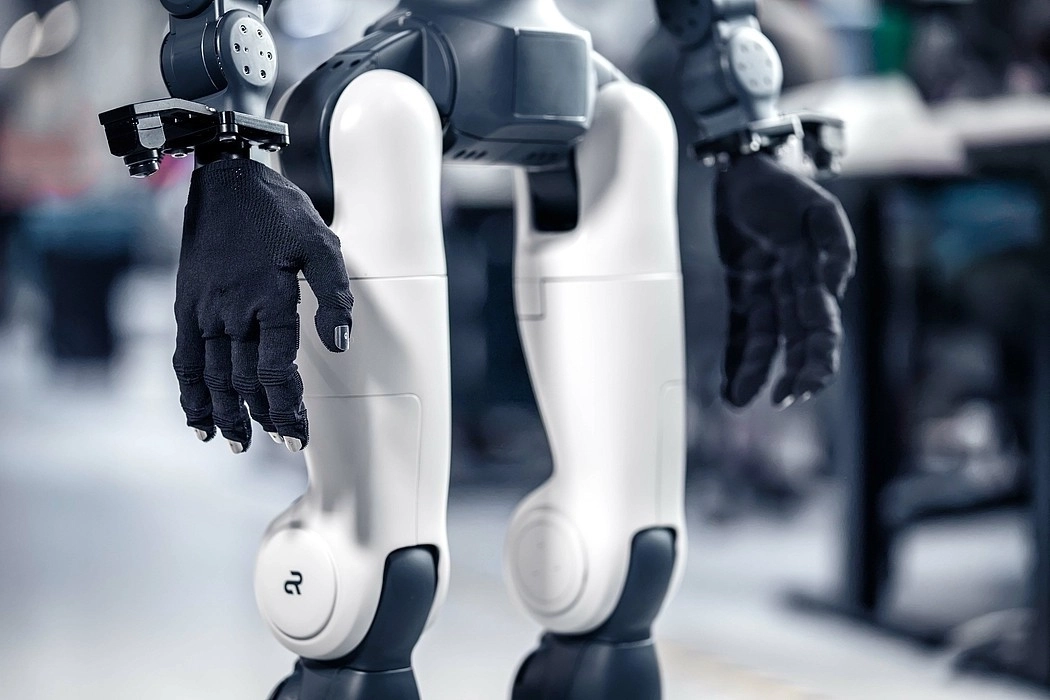
The robot carries two WUJI hands, each with five fingers and touch sensors, and the whole body offers 71 degrees of freedom. A degree of freedom is one independent way a joint can move, so more of them means more human-like, flexible motion.
Touch matters because grasping is hard. A robot that only sees an object can crush it or drop it, while one that senses pressure can adjust its grip. Agile Robots has not published test results for the hands, so their real-world skill remains to be shown.
The NVIDIA Brain Inside
Agile ONE SN runs on NVIDIA Jetson Thor, a compact computer designed to run AI models directly on a robot instead of in the cloud. It also ships with GR00T 1.7, an open model from NVIDIA that links what a robot sees to the actions it takes.
Because the model is open, researchers can inspect and modify it. That is a deliberate contrast with closed systems whose inner workings stay secret. Two days before the launch, NVIDIA also said it plans to invest in Agile Robots, deepening the ties between the companies.
From Lab Bench to Factory Floor
Agile Robots says skills developed on the small research robot can transfer to its full-size industrial humanoid, Agile ONE. The idea is to practice on a cheaper, safer machine and then deploy the finished behavior on the one that works in factories.
That promise is plausible but unproven. Moving a skill between robots of different sizes is a known challenge, since arm length, strength and balance all change. The company describes the transfer as a design goal, and independent labs will test how smoothly it works.
Humanoids Go to Work at Audi
Alongside the launch, Agile Robots, Audi, Dassault Systèmes and NVIDIA announced a joint project at Audi's plant in Ingolstadt, Germany. In the Audi Production Lab, mobile humanoids pick parts out of containers and arrange them in the order needed for final assembly.
The release says this sorting task happens about one million times a day across the company's operations. It is repetitive, physically tiring work, which makes it a classic candidate for automation. For now, this is a pilot, not a full deployment on the production line.
Practicing in a Digital Twin First
Before touching real parts, the team tested the workcell in a digital twin, a detailed virtual copy of the physical workspace. The simulation used Dassault Systèmes' DELMIA software, accelerated by NVIDIA's Omniverse tools, so mistakes could be made safely and cheaply.
Simulating first lets engineers spot collisions and awkward movements before any hardware moves. It is becoming standard practice for factory robots. The harder test, which the pilot will now face, is whether a robot that performs well in simulation copes with messy real bins and parts.
New Arms and the Road to 2027
Agile Robots also showed two new robot arms, Diana 7 and Diana 3. Both repeat positions to within 0.05 millimeters, and Diana 7 handles a 7 kilogram payload with a reach of 923 millimeters. Both can run code written for the popular Franka Research 3 arm.
No price has been announced for Agile ONE SN or the arms, and delivery is planned for early 2027. The company, founded in 2018 by researchers from Germany's aerospace center DLR, employs more than 3,500 people. Its success will hinge on whether labs adopt the platform.
Explore Humanoids
Sources
Related Articles
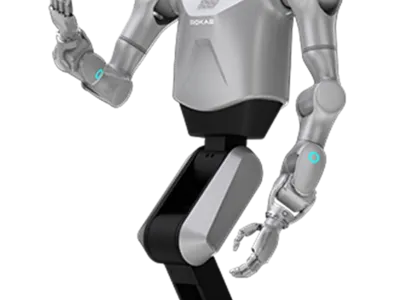
ROKAE Delivers 10,000th Force-Controlled Arm Built for Humanoid Robots
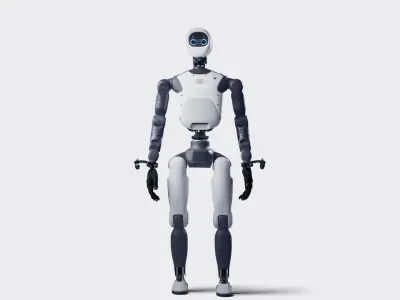
Agile Robots Launches Agile ONE SN, a Compact Humanoid for Research Labs, at NVIDIA GTC Berlin
Agile Robots Launches Agile ONE SN Research Humanoid and Pilots Humanoid Parts Picking at Audi
Related Comparisons
Compare Agile ONE SN with similar robots
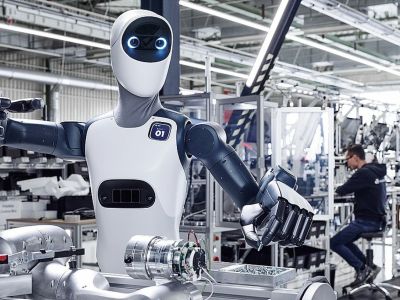
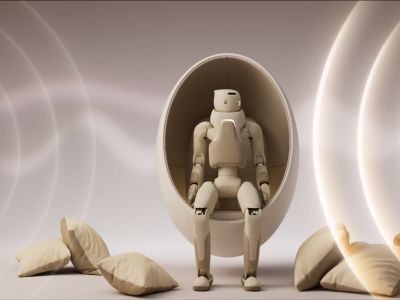
Agile ONE vs GR-3
Agile ONE or GR-3? Compare specs, sensors, navigation, battery, and speed for industrial vs service humanoid performance.

Daimon One vs Agile ONE
Compare Daimon One and Agile ONE. Detailed analysis of navigation, battery, and sensors.

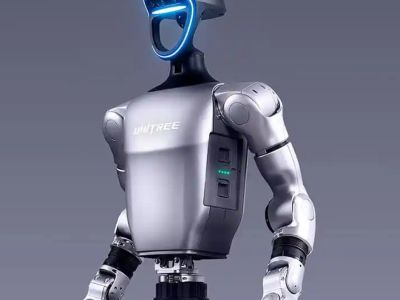
Optimus vs Unitree G1
Compare Optimus vs Unitree G1 for humanoid mobility, dexterity, autonomy, and payload capacity.
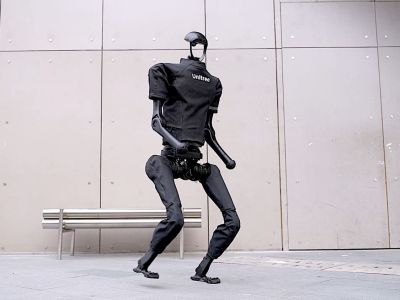
Unitree G1 vs Unitree H1
Head-to-head: Unitree G1 vs Unitree H1 compared on bipedal balance, AI learning, and real-world deployment.
Learn More About This Robot
Discover detailed specifications, reviews, and comparisons for Agile ONE SN.
View Robot Details →