Mi-Mo Developer Kit Opens Waitlist for AI Robot Customization
Robot Details
Mi-Mo • JizaiPublished
March 16, 2026
Reading Time
3 min read
Author
Origin Of Bots Editorial Team
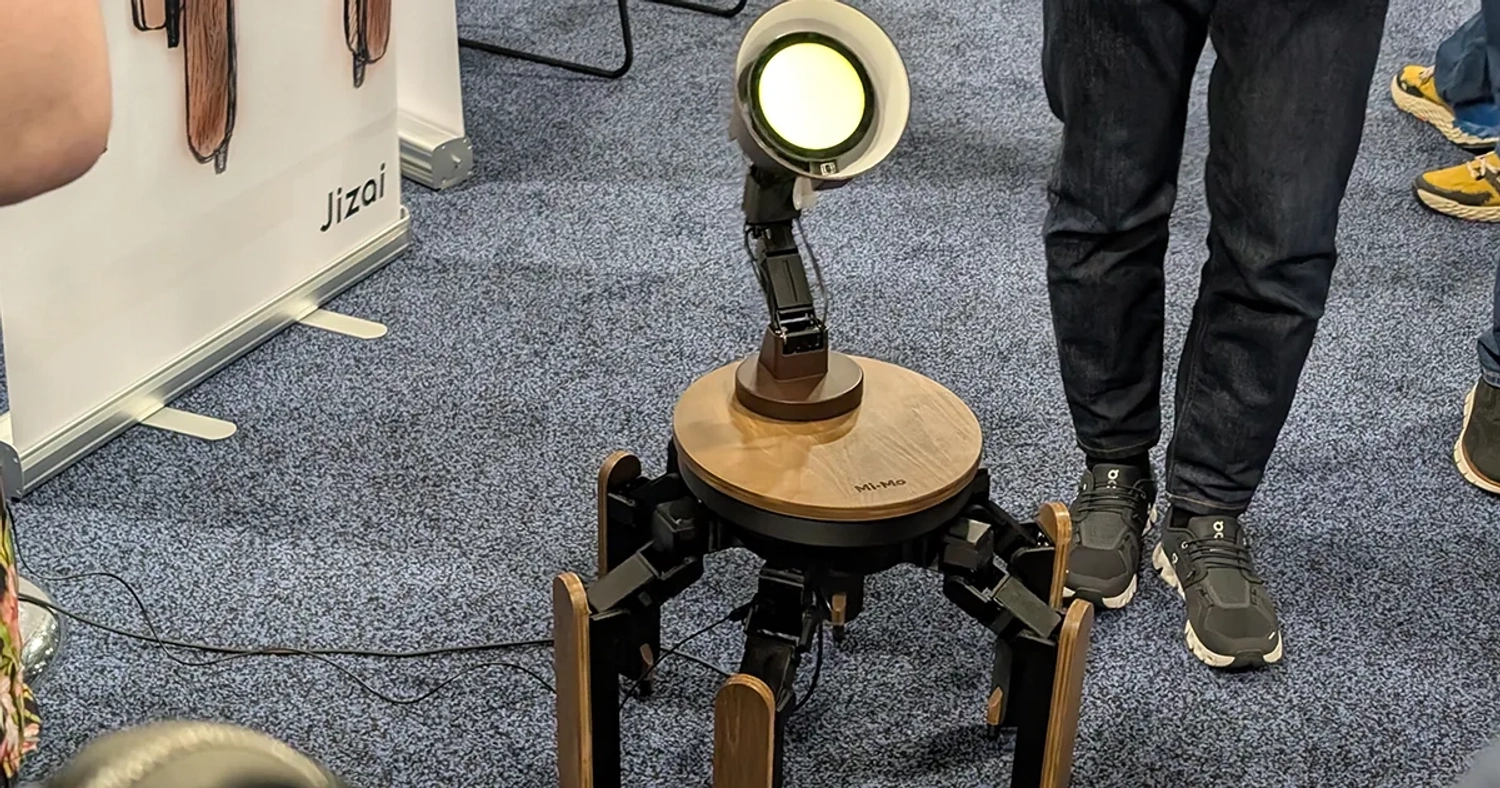
Jizai Accelerates AI Robot Access
Japanese robotics innovator Jizai has opened its waitlist for the Mi-Mo Developer Kit, marking a significant shift toward democratizing customizable general-purpose AI robots. The move, announced at CES Unveiled in January 2025, targets AI model developers, robot engineers, and research institutions eager to shape the next generation of autonomous household companions. Rather than delivering finished products, Jizai is positioning Mi-Mo as a collaborative platform where early adopters can modify both software and hardware, fundamentally changing how roboticists approach autonomous home assistants.
Modular Intelligence Redefines Robotics
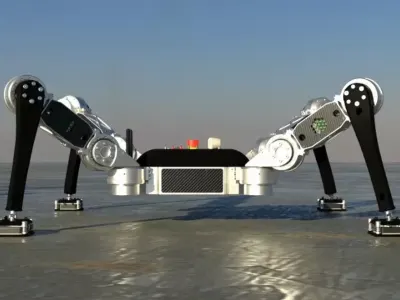
What distinguishes Mi-Mo from conventional robotic platforms is its architecture built around swappable AI models. Users can replace vision systems, audio processors, and motion controllers with their own implementations, creating a living ecosystem of behaviors and capabilities. The robot's six wooden-capped metal legs enable graceful, expressive movement—waving, nodding, and shimmying—while its integrated cameras, microphones, and motion sensors feed real-time environmental data to customizable AI pipelines. This modular approach transforms Mi-Mo from a static product into an evolving research platform where developers continuously enhance its autonomy and responsiveness.
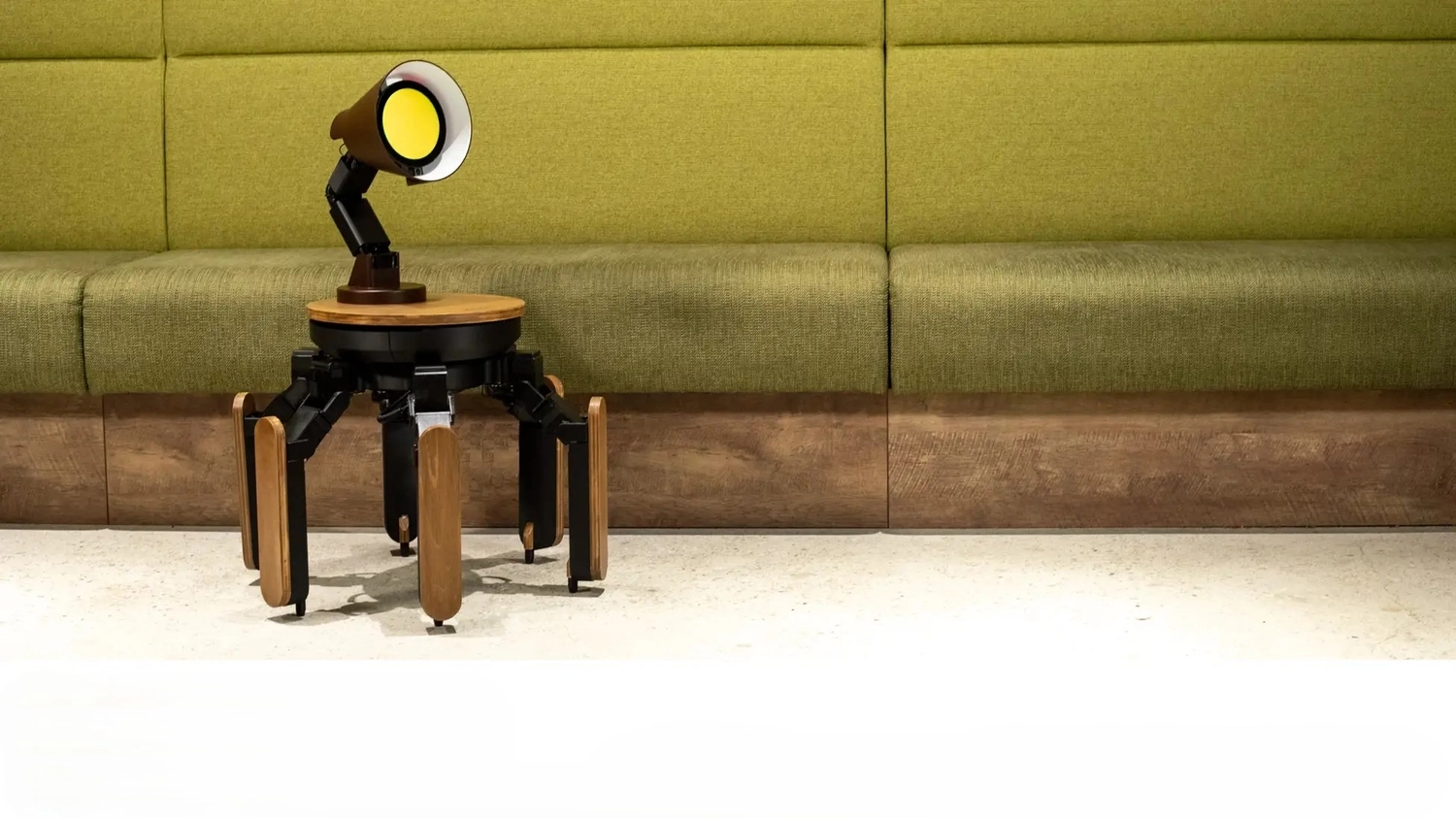
Multimodal AI Powers Autonomous Adaptation
Mi-Mo's core innovation lies in its ability to process visual, audio, and kinetic inputs simultaneously through multiple AI models working in concert. Rather than relying on a single decision-making system, the robot synthesizes information across modalities to think and act dynamically, responding intelligently to environmental changes and user interactions. This multimodal architecture enables Mi-Mo to operate beyond pre-programmed routines, adapting behavior based on context—a capability that positions it at the frontier of embodied AI development. Jizai's CEO Yuki Ishikawa explicitly designed this framework to address aging populations and workforce shortages by creating hardware that scales with AI advancement.
From Companion to Task Assistant
Beyond novelty, Mi-Mo demonstrates practical applications in home assistance and social companionship. The robot can fetch items, respond to voice commands, and provide intuitive interaction through its expressive design—qualities that appeal to households seeking both functionality and aesthetic integration. Developers can extend these capabilities through custom apps and hardware additions like specialized sensors or manipulators. Jizai's vision extends to future human-form configurations, suggesting Mi-Mo could evolve into diverse physical embodiments tailored to specific use cases, from eldercare facilities to research laboratories.
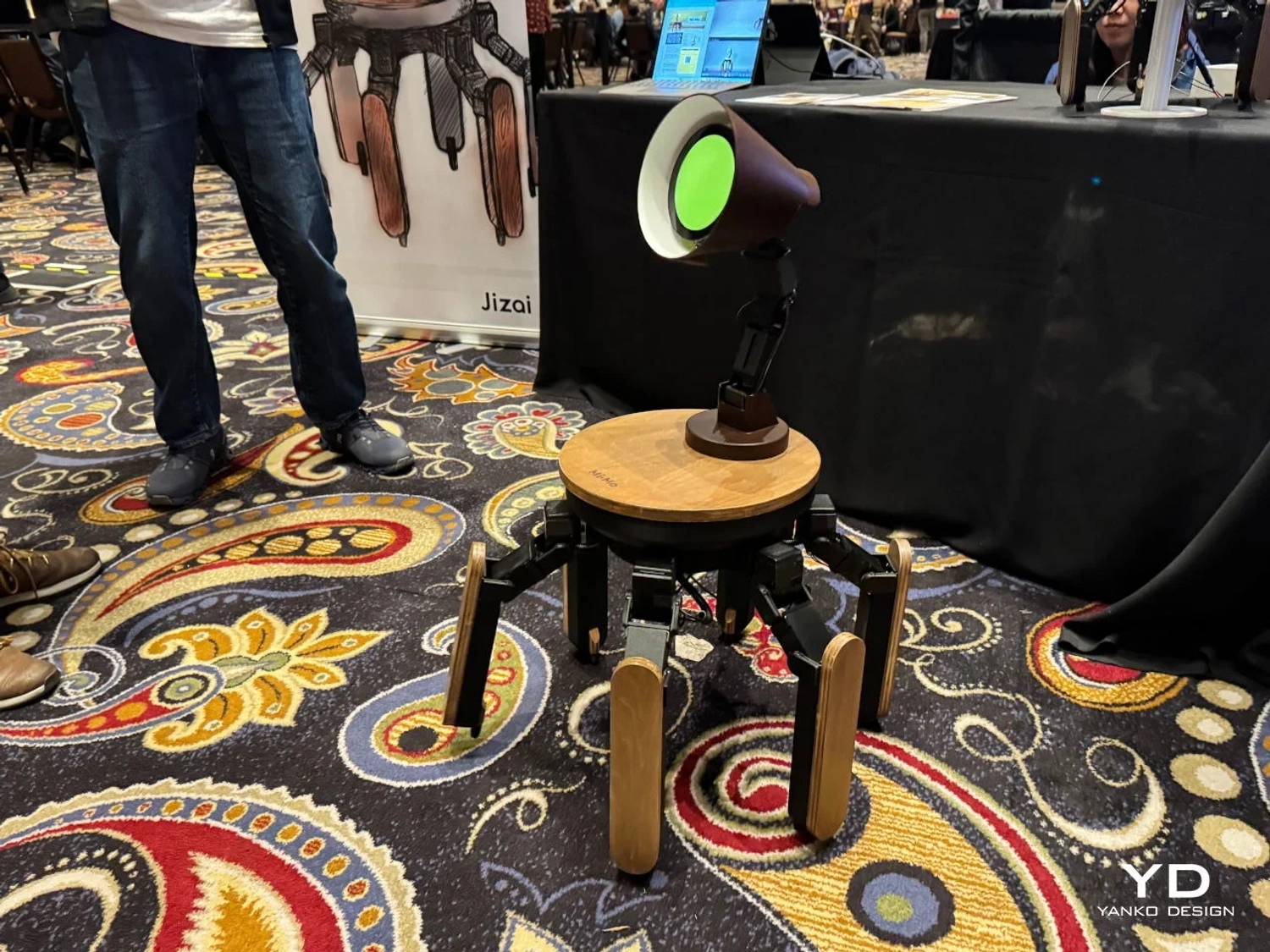
Key Specifications & Performance
Mi-Mo measures 80 centimeters tall with a 45-by-45 centimeter footprint, weighing approximately 8 kilograms—compact enough for most home environments yet substantial enough for stable legged locomotion. The robot achieves 0.5 meters per second (1.1 mph) maximum speed, prioritizing deliberate, safe movement over rapid transit. Its 5000mAh battery sustains 4-hour operational sessions with 3-hour recharge cycles, while the battery pack itself maintains 3-5 years of lifespan. Integrated cameras enable image recognition, microphones capture audio cues, and motion sensors provide proprioceptive feedback. The AI-based motion control system handles obstacle detection and collision avoidance through visual navigation, allowing Mi-Mo to autonomously traverse cluttered domestic spaces. The proprietary SDK enables developers to write custom behaviors with minimal code, accelerating prototyping for novel applications.
Versus Rivals Breakdown
| Robot | Key Advantage | Where Mi-Mo Wins | Target Use |
|---|---|---|---|
| Samsung Ballie | Compact spherical form, built-in projector | Customizable AI models, legged expressiveness | Home companionship, developer research |
| MobED | Lightweight mobility, education-focused | Multimodal AI integration, hardware extensibility | Interactive learning, autonomous adaptation |
| Aibi | Social interaction design, child engagement | Open SDK, developer community ecosystem | Research prototyping, commercial deployment |
| Magnecko | Magnetic adhesion for vertical surfaces | Furniture-like aesthetic, autonomous thinking | Home integration, aging-population assistance |
Related Articles

Archax Leasing Service Launches June 2024 meviy Boost
Hyundai Advances MobED Toward Korea Commercialization

DelFly Nimble Achieves 90% Maneuver Accuracy in 2026 Flight Tests
Magnecko Conquers Disaster Sites in ARCHE 2025 Trials
Learn More About This Robot
Discover detailed specifications, reviews, and comparisons for Mi-Mo.
View Robot Details →