OrionStar’s LuckiBot Pro highlights the next phase of service robots in crowded indoor spaces
Robot Details
LuckiBot • OrionStar RoboticsPublished
May 17, 2026
Reading Time
3 min read
Author
Origin Of Bots Editorial Team
Aimed at busy venues
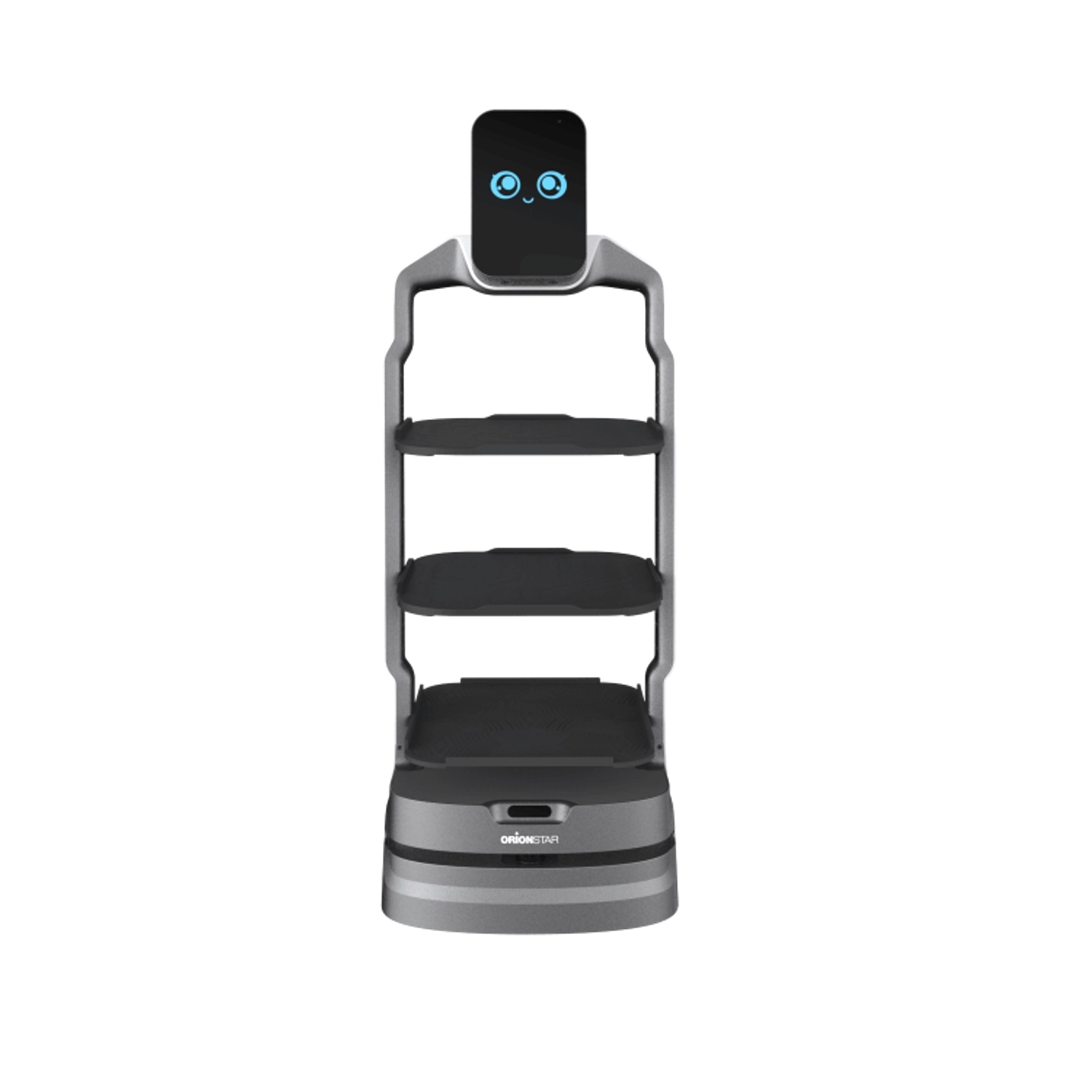
Service robots are increasingly being built for environments where people, furniture, and constant movement make navigation harder than a standard hallway. OrionStar Robotics introduced LuckiBot Pro as a next-generation delivery robot, saying it adds a dish-recognition camera, a 14.1-inch HD display, ambient lighting, and upgraded suspension for indoor service work.
Why it stands out
What makes LuckiBot notable is less about a single feature than the way OrionStar is packaging interaction, mobility, and adaptability into one service platform. The company’s press materials emphasize enhanced obstacle recognition, modular hardware, and RobotOS, which points to a robot designed to be customized for restaurants, hotels, retail, and other human-centric spaces. Its reported role spans delivery, reception, concierge, guiding, and promotion, giving it a broader service profile than a narrow point solution. LuckiBot is a service robot built to do more than carry trays.
How it works
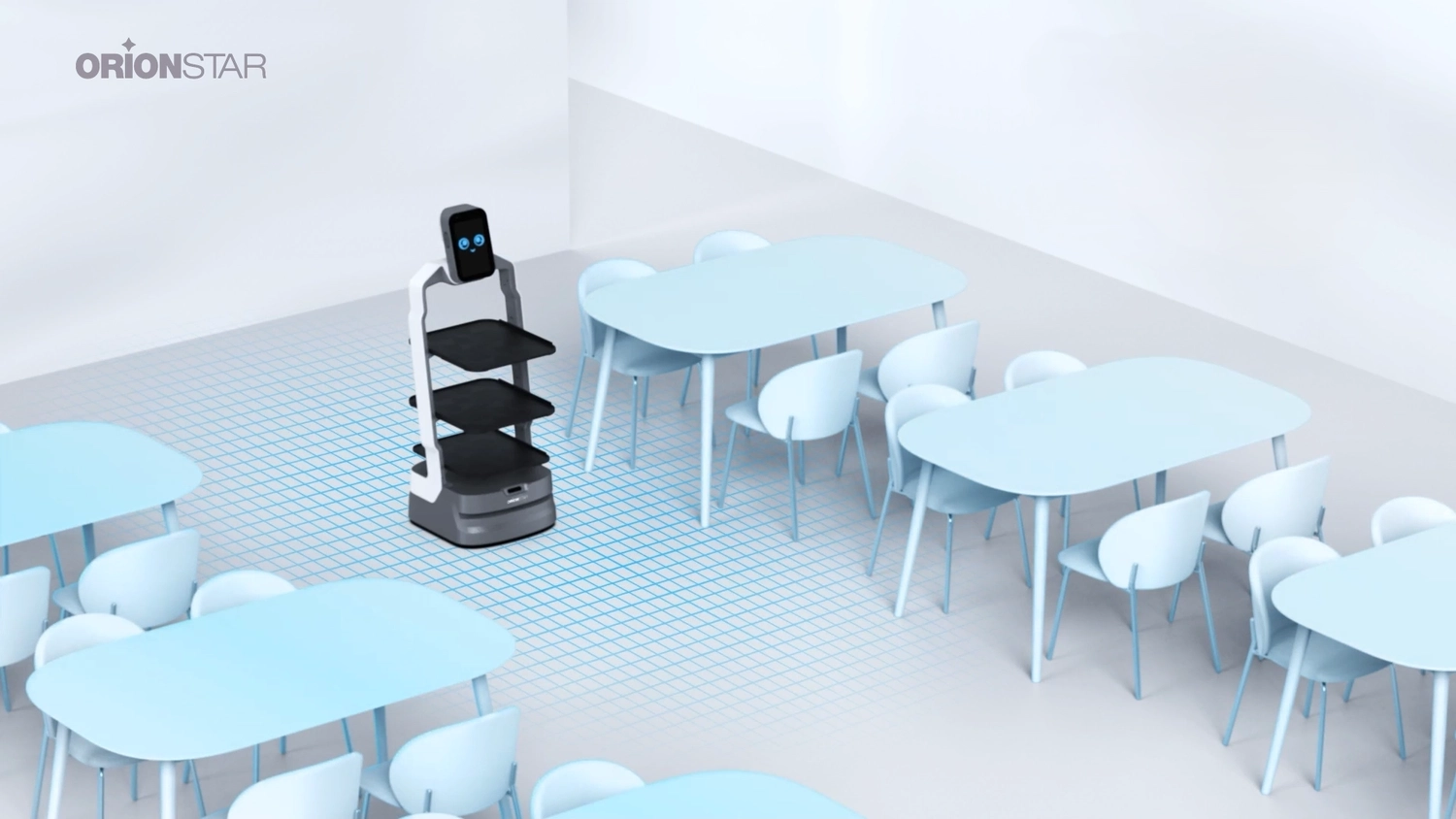
The basic flow is straightforward: visual sensors and ultrasonic sensing feed the robot’s navigation stack, RobotOS processes that input, and the wheeled base then adjusts motion while safety systems watch for obstacles and drop-offs. OrionStar says the platform uses visual SLAM, which is the kind of mapping-and-localization approach that helps a robot move through changing indoor layouts without fixed tracks. In practice, that means the robot can be set up for reception-style interaction, guided delivery, or customer-facing promotion while staying within a controlled indoor route.
Restaurant floor reality
A realistic deployment scenario is a busy restaurant dining room during peak service, where the robot can carry dishes between the kitchen and tables while interacting with guests on its display. In that setting, crowd avoidance and obstacle detection matter as much as payload, because the robot has to move through narrow aisles without interrupting staff flow. The value proposition is operational support, not replacement of the human front-of-house team.
Specs in context
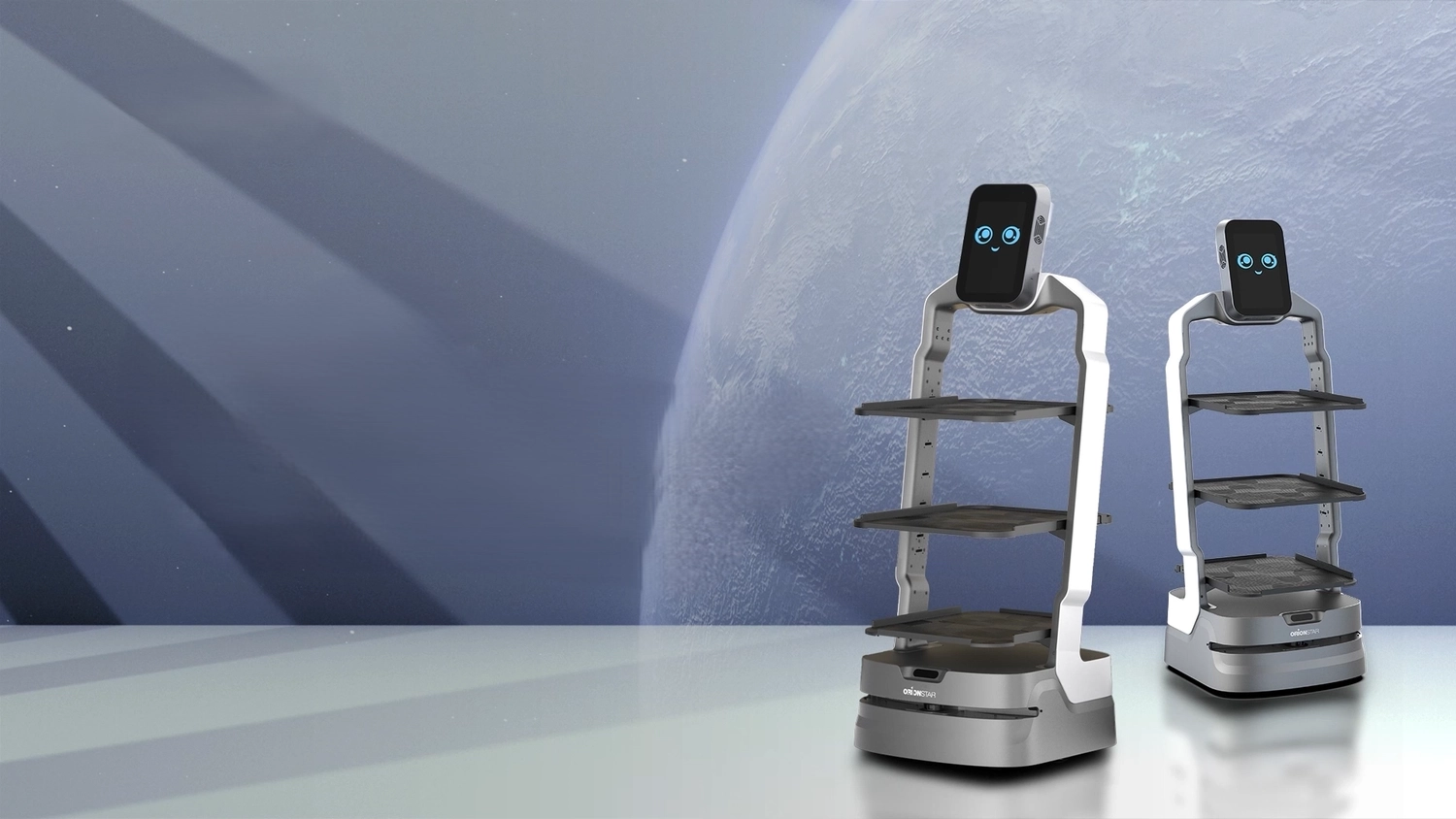
The reported size of 55 x 45 x 130 cm and a weight of 45 kg suggest a compact but substantial indoor machine, sized for floor service rather than open-space travel. A top speed of 1.2 m/s / 2.7 mph is best understood as a practical indoor pace, while the stated battery life of 3 to 5 years points to long service intervals rather than daily recharging as the main maintenance concern. The sensor package, including 3D cameras, ultrasonic sensors, and IR cliff sensors, is aimed at safer movement in venues with steps, edges, and unpredictable foot traffic.
Rivals Edge Check
| Robot | Key Advantage | Where LuckiBot Wins | Target Use |
|---|---|---|---|
| Servi | Familiar food-running platform with broad restaurant adoption | More versatile customer-facing roles and RobotOS-based customization | Restaurant delivery |
| BUTLERBOT W3 | Strong hospitality presentation and guest-facing service flow | Broader use-case mix including delivery, reception, and promotion | Hotels and hospitality |
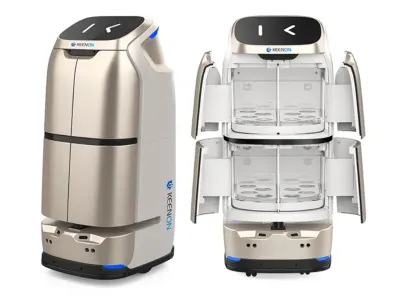
| Keenon G2 | Emphasis on restaurant service automation and stable indoor navigation | More explicitly positioned as a multi-role platform across venues | Dining and indoor service |
| KAGO 5 | Modular service-robot approach for business environments | Stronger emphasis on interaction and brand-facing deployment | Retail and hospitality |
A market signal
LuckiBot also reflects a wider industry shift toward robots that are easier to adapt than to reconfigure from scratch. OrionStar’s emphasis on modular design and software extensibility suggests the category is moving toward robots that can be tailored for specific venues, workflows, and branding requirements. For operators, that may matter more than headline features, because service robotics adoption usually depends on fit, maintenance, and staff acceptance.
Explore Humanoids
Sources
Related Articles
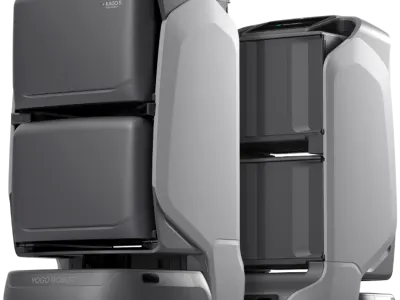
Yogo Robot Unveils KAGO 5 for Autonomous Hospitality Deliveries
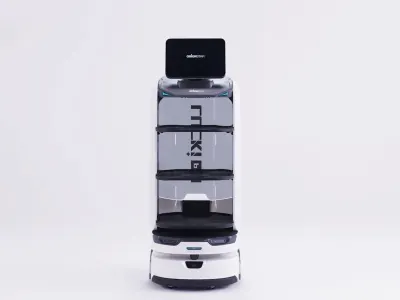
OrionStar’s LuckiBot Pro sharpens the case for service robots built for hotels, restaurants, and public-facing spaces
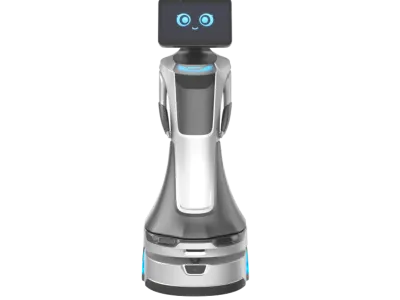
OrionStar’s GreetingBot Nova pushes reception robots toward larger language models and broader front-desk work
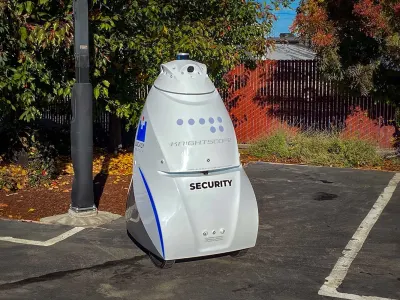
Knightscope’s K5 ASR keeps security patrols autonomous as the market shifts toward monitored, human-facing robots
Learn More About This Robot
Discover detailed specifications, reviews, and comparisons for LuckiBot.
View Robot Details →