OTTO 1500 targets heavy-duty manufacturing with infrastructure-free autonomy and layered safety
Robot Details
OTTO 1500 • OTTO MotorsPublished
June 7, 2026
Reading Time
3 min read
Author
Origin Of Bots Editorial Team
Heavy loads, fewer paths
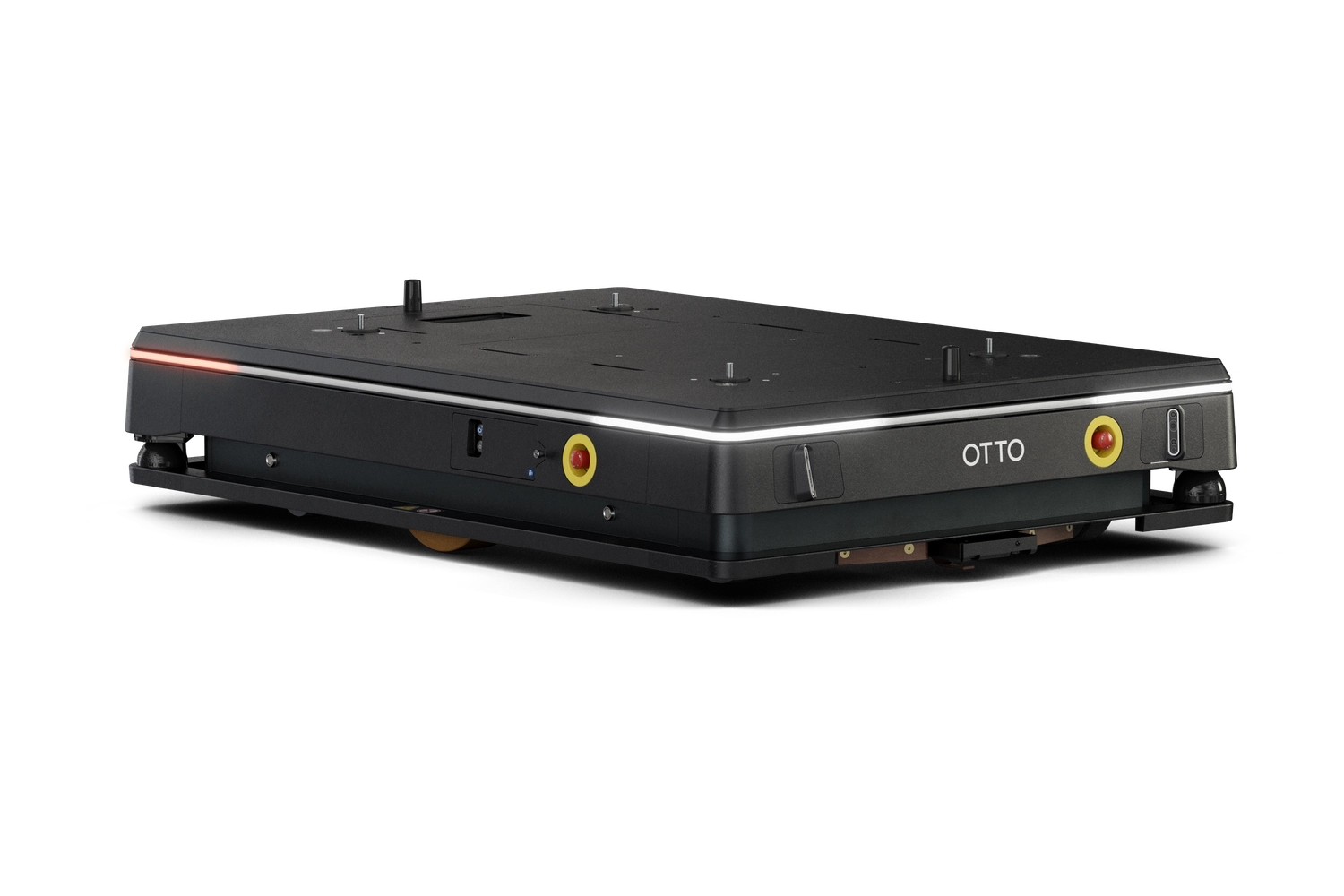
Industrial manufacturers are under pressure to move heavier loads with less downtime, tighter repeatability, and fewer safety compromises. OTTO Motors’ OTTO 1500 is positioned in that problem set as a heavy-class autonomous mobile robot built for structured facilities, with the company highlighting infrastructure-free SLAM navigation, 360-degree sensing, and safety hardware designed for production environments.
Why it stands out
What makes the OTTO 1500 notable is not just scale, but how its autonomy stack is aimed at repeatable movement in manufacturing aisles rather than open-ended mobility. The robot is reported with a 1,900 kg payload capacity, a top travel speed of 2.0 m/s, and a safety package that includes multiple emergency stops, redundant braking, and 360-degree LED lighting, all of which are relevant when the job is moving pallets, machinery, or cart trains near people and equipment. In a category where cycle time and safety integration matter as much as raw carrying capacity, the OTTO 1500 is being framed as a platform for line-side logistics rather than a generalized warehouse rover. OTTO 1500 is about disciplined transport, not general-purpose autonomy.
How it works
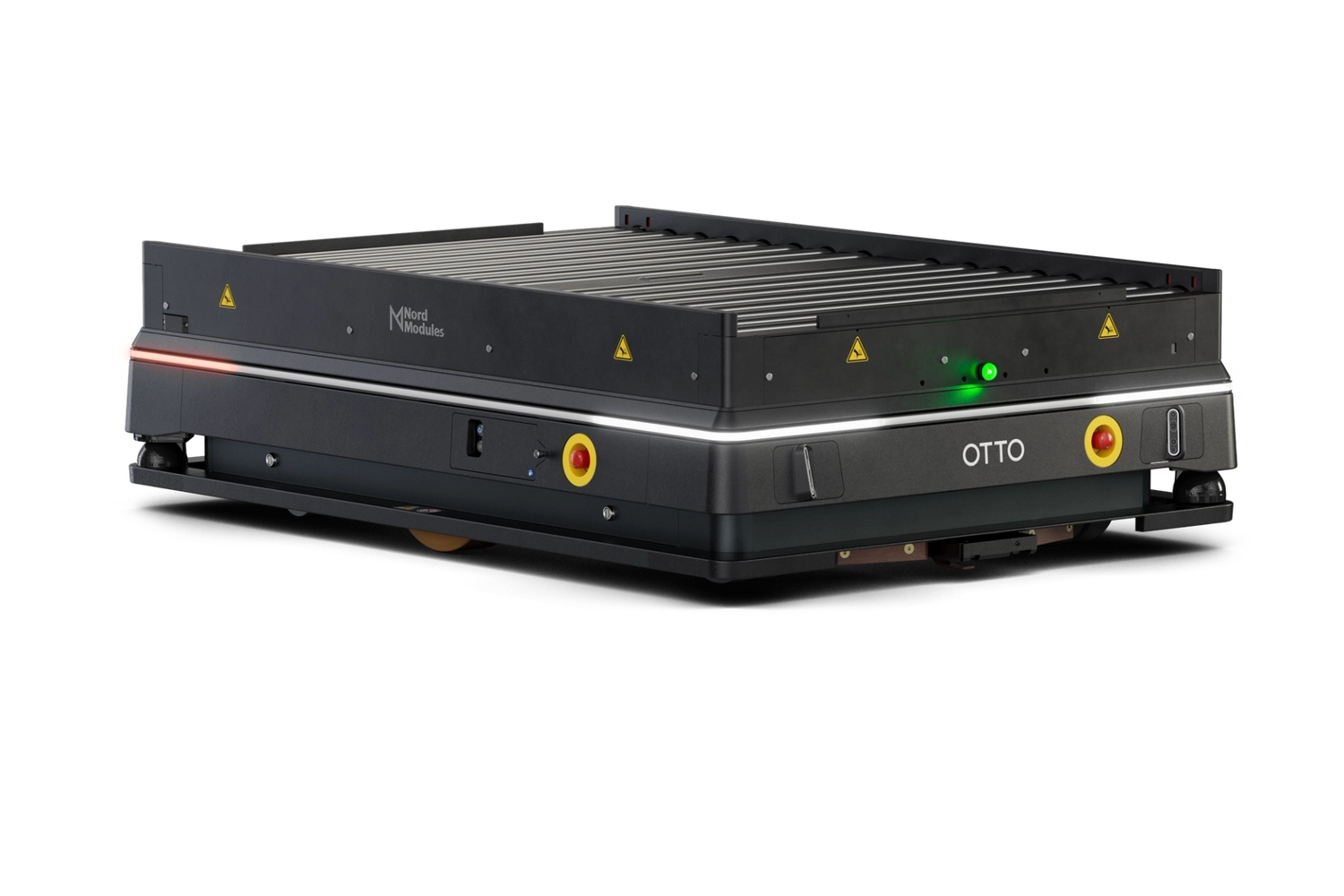
The operating flow is straightforward: task program input, motion planning, high-precision actuation, and quality validation feedback. In practice, that means OTTO’s proprietary software plans routes from SLAM-based mapping, the robot uses its front, rear, and corner sensing suite to maintain situational awareness, and its differential-drive wheels execute the movement while braking and safety systems intervene if conditions change. The result is a machine designed to keep moving materials predictably through a fixed industrial workflow rather than improvising in unstructured spaces.
Assembly line utility
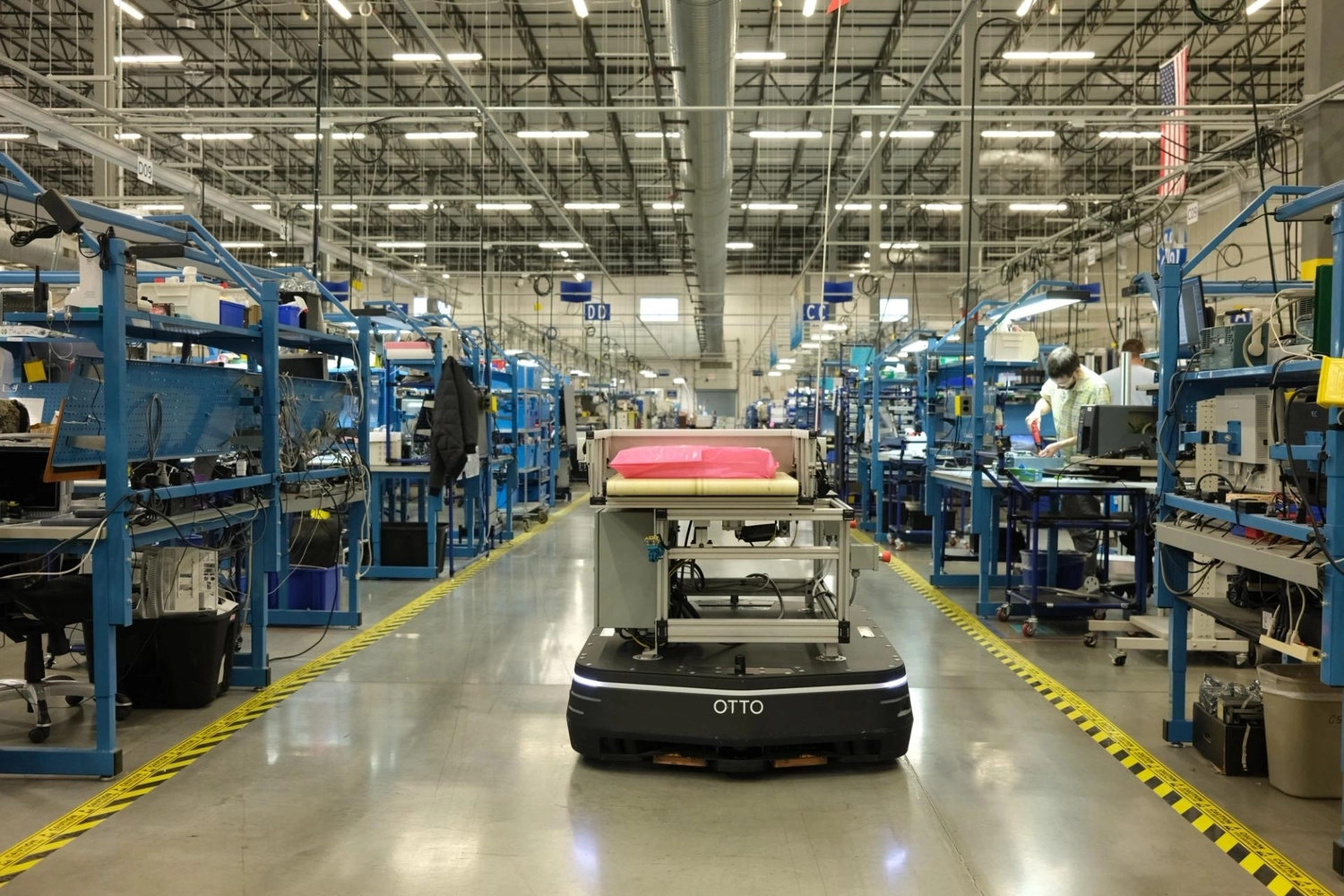
A realistic deployment scenario is assembly-line supply, where the robot shuttles pallets or cart trains from receiving or staging to line-side points on a repeated schedule. In that setting, the value is not novelty but consistency: the same transport route, the same dock alignment behavior, and the same safety envelope around operators working close to the vehicle. That kind of regularity matters most in assembly operations, where missed deliveries can stop a line and where rerouting a vehicle every time the layout changes would erase the benefit.
Specs as capability
The reported 1837 mm x 1283 mm x 351 mm footprint and 627 kg weight suggest a low, substantial platform built to stabilize heavy industrial transport rather than chase compactness. Its sensors include two forward-facing 3D cameras, two rear-facing 3D cameras, two LiDAR units with 360-degree coverage, and two corner LiDARs for object detection, which together support obstacle awareness in busy plant floors. The robot is also described with a maximum docking speed of 0.3 m/s and a battery life of 3,000 full charge cycles, both of which point to controlled docking behavior and long-term fleet use.
Rivals Edge Check
| Robot | Key Advantage | Where OTTO 1500 Wins | Target Use |
|---|---|---|---|
| KUKA KMP 1500P | Known for heavy-payload mobile transport in industrial automation | OTTO 1500 emphasizes infrastructure-free SLAM navigation and layered 360-degree sensing for flexible plant layouts | Heavy material movement |
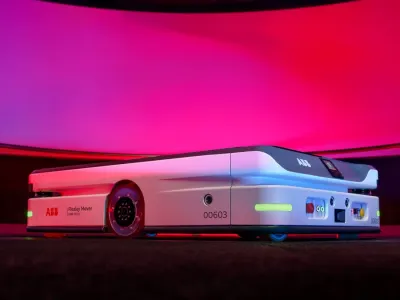
| ABB Flexley Mover P603 | Strong brand reach in industrial robotics and mobile automation | OTTO 1500 is positioned with a heavier-duty transport role and explicit assembly-line material handling focus | Factory logistics |
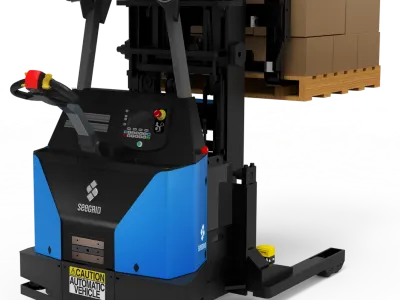
| Lift RS1 AMR | Compact autonomous transport for factory environments | OTTO 1500 is built for larger payloads and heavier industrial carts or pallets | Line-side delivery |
| Lift CR1 AMR | Cart-focused autonomy for repetitive internal transport | OTTO 1500 offers broader heavy-load handling and more extensive safety hardware integration | Cart and pallet movement |
The market signal
The broader signal is that industrial autonomy is moving toward robots that can be dropped into existing facilities without fixed navigation infrastructure, but still operate within tightly managed safety rules. That matters because the winning systems are increasingly the ones that reduce engineering overhead while preserving manufacturing-grade repeatability, especially as cobots and mobile robots continue narrowing the boundary between human labor and automation on the factory floor.
Sources
Related Articles
Mobile Industrial Robots’ MiR1350 sharpens the case for heavy-load autonomy in manufacturing
Seegrid’s Lift CR1 AMR pushes vertical material handling higher in manufacturing
Seegrid’s Lift RS1 AMR targets the repetitive middle of manufacturing material flow
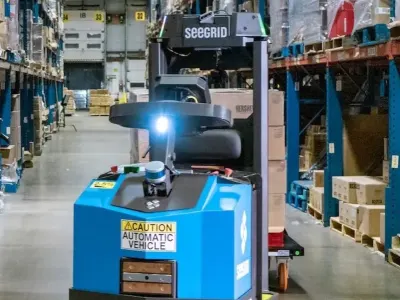
Seegrid’s Tow Tractor S7 AMR targets heavy horizontal material moves in manufacturing
Related Comparisons
Compare OTTO 1500 with similar robots
Learn More About This Robot
Discover detailed specifications, reviews, and comparisons for OTTO 1500.
View Robot Details →