Phoenix Masters New Tasks in 24 Hours at Magna Plants
Robot Details
Phoenix • Sanctuary AIPublished
March 21, 2026
Reading Time
2 min read
Author
Origin Of Bots Editorial Team
Magna Trial Breakthrough
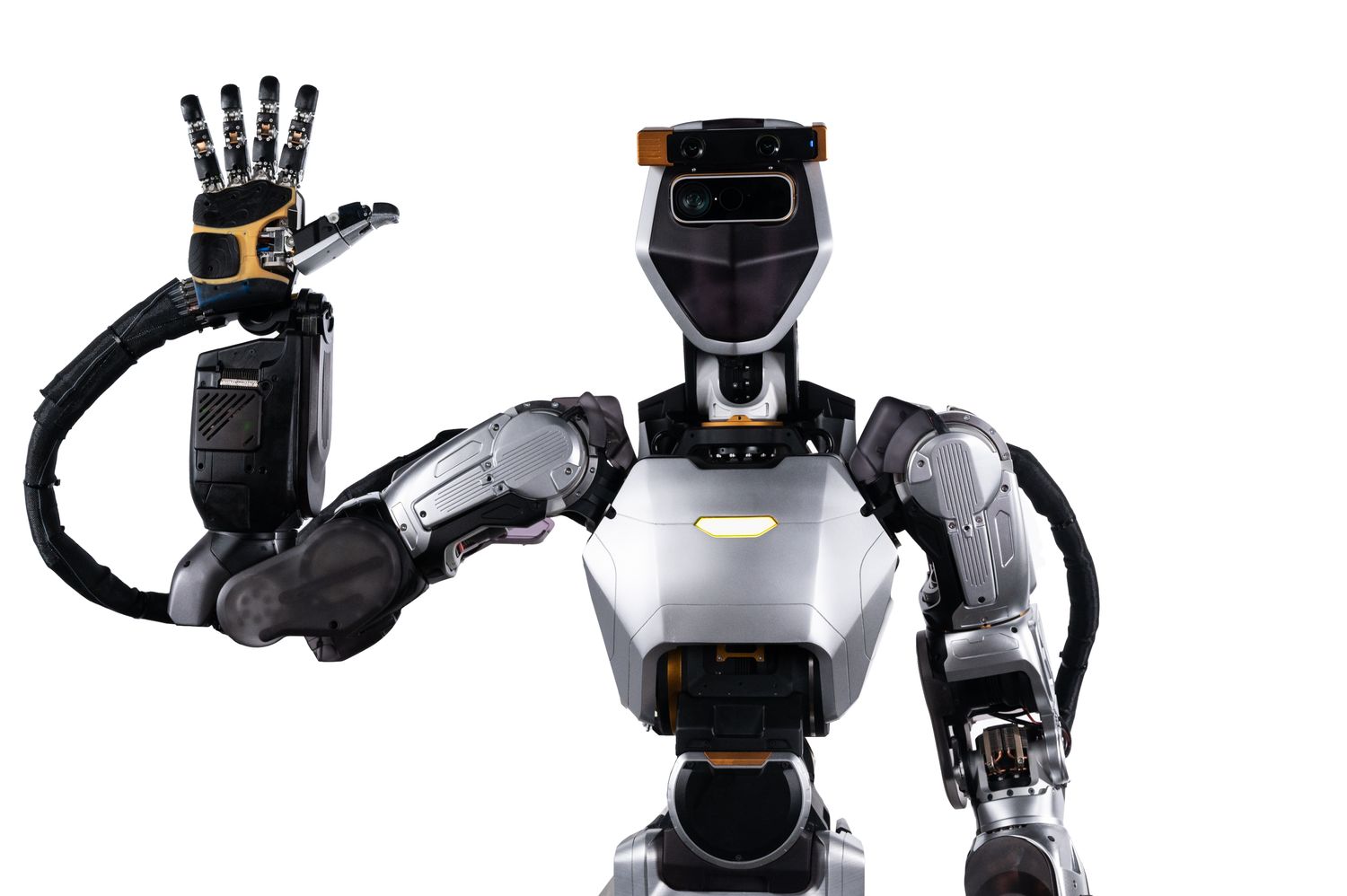
Sanctuary AI's Phoenix humanoid robot recently demonstrated remarkable adaptability during trials at Magna International's automotive plants in late 2025, mastering entirely new assembly tasks in under 24 hours. This achievement, verified through structured demonstrations of sorting and packing operations, highlights Phoenix's Carbon AI system translating human-guided inputs into autonomous execution. For Magna, facing labor shortages in precision manufacturing, Phoenix's rapid skill acquisition disrupts traditional training timelines, potentially accelerating deployment across global facilities and redefining humanoid viability in high-volume production environments.
Dexterity Redefined
Phoenix excels in human-like manipulation thanks to its 20-degree-of-freedom hands equipped with haptic feedback, enabling it to handle delicate tools and parts originally designed for human operators. During the Magna trials, the robot seamlessly adapted to variable object shapes, outperforming rigid grippers by maintaining grip integrity across diverse materials. This fine-tuned dexterity, combined with real-time sensory adjustments, allows Phoenix to iterate on tasks mid-operation, fostering seamless collaboration with human teams on assembly lines.
AI Learning Leap
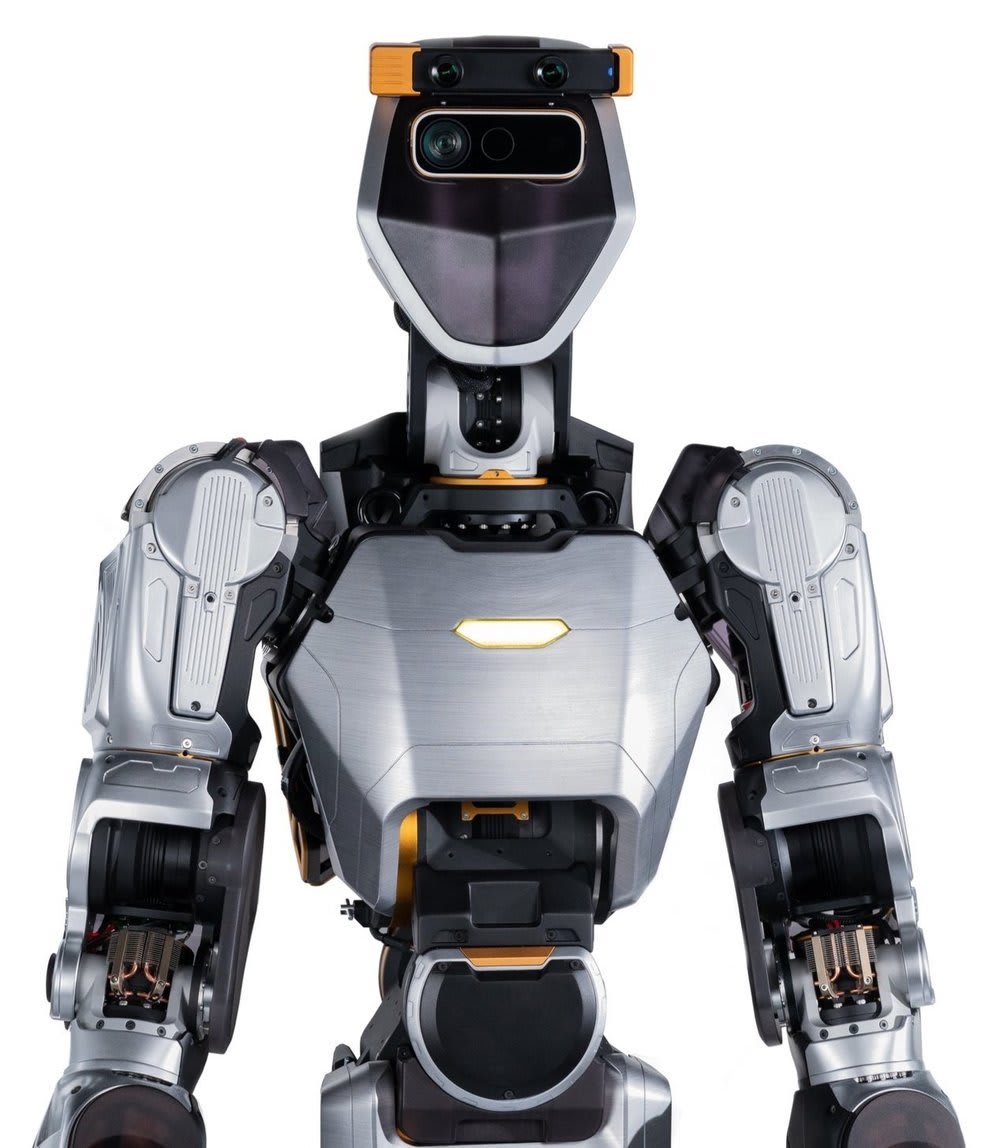
Engineers at Sanctuary AI engineered a 50-fold improvement in task automation speed for the seventh-generation Phoenix, leveraging refined visual-tactile fusion and NVIDIA Isaac Lab simulations. In Magna's controlled tests last fall, the robot processed teleoperated data into reinforcement-learned behaviors, achieving reliable performance on novel sequences without extensive retraining. This proprietary framework emphasizes goal-seeking autonomy, positioning Phoenix as a pioneer in bridging simulation-to-reality gaps for industrial robotics.
Factory Floor Impact
Deployments like Magna's underscore Phoenix's role in logistics and assembly, where it autonomously navigates crowded shop floors to transport industrial parts and tools. Beyond automotive, early pilots in healthcare and customer service show Phoenix assisting with patient handling or inventory checks, always prioritizing safe human proximity. These applications transform labor-intensive workflows, enabling factories to scale output while workers shift to oversight roles.
Skill Architecture Core
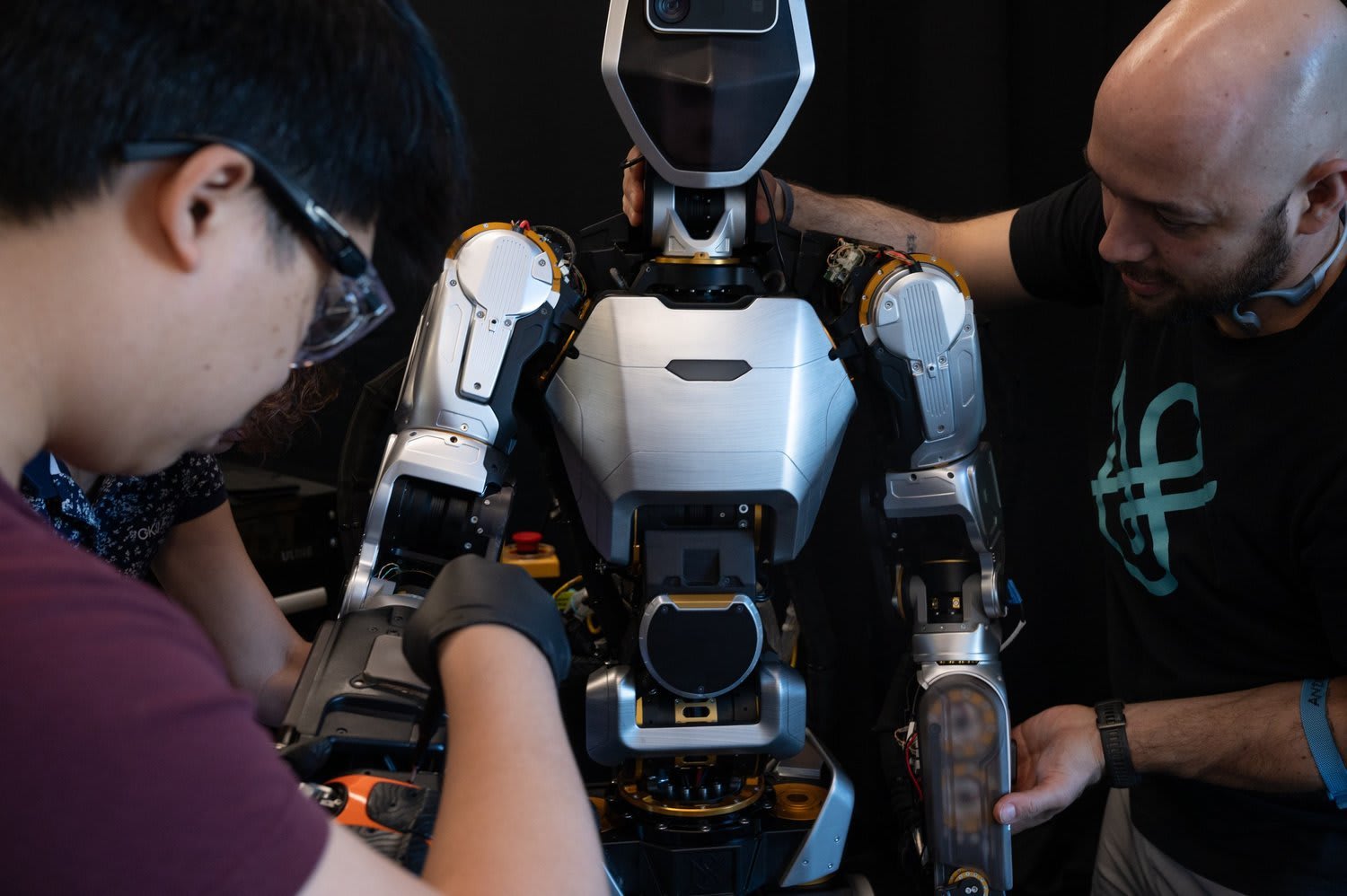
Phoenix's bipedal design, measuring 170 x 55 x 60 cm and weighing 70 kg, empowers natural navigation at 5 km/h (1.34 m/s) alongside humans, with LiDAR, SLAM, and visual odometry ensuring collision-free paths. Tactile sensors in hands and arms deliver haptic feedback for precise grasping, while RGB cameras, IMUs, gyroscopes, and force sensors enable dexterous interactions like part assembly. A Linux-based, ROS-compatible system with proprietary AI supports extended sessions, backed by robust battery life for uninterrupted assistance in dynamic settings.
Rivals Face-Off
| Robot | Key Advantage | Where Phoenix Wins | Target Use |
|---|---|---|---|
| AgiBot A2 | Higher payload capacity | Faster 24-hour task adaptation | Heavy logistics |
| Star1 | Superior running speed | Human-scale dexterity for tools | Warehouse sorting |
| ALICE 3 | Advanced facial expressions | Haptic hands for fine manipulation | Customer interactions |
| Walker Tienkung | Greater overall DoF | Seamless human collaboration safety | Industrial assembly |
Sources
Related Articles
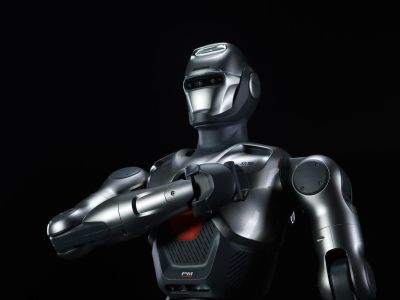
PM01 Demonstrates Real-Time Balance Recovery at CES 2026
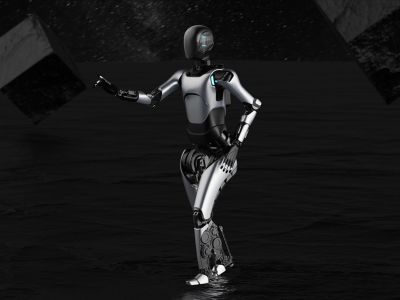
AGIBOT A2 Performs Tai Chi, Ships 5,100 Units at CES 2026
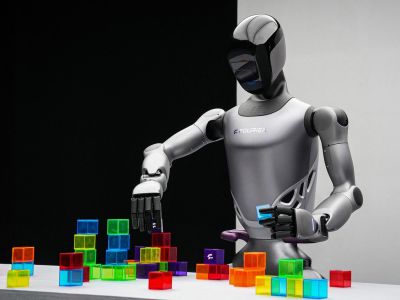
GR-2 Pre-Orders Open for April 2026 Delivery
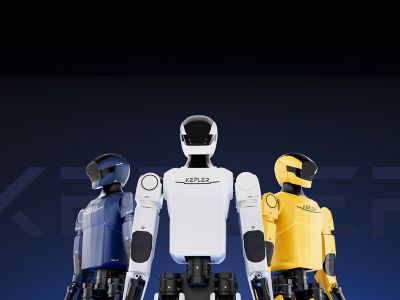
K2 Bumblebee Masters Quality Checks at SAIC-GM Plant
Related Comparisons
Compare Phoenix with similar robots
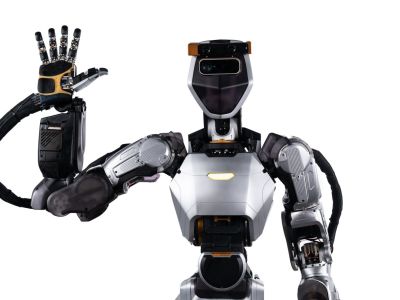
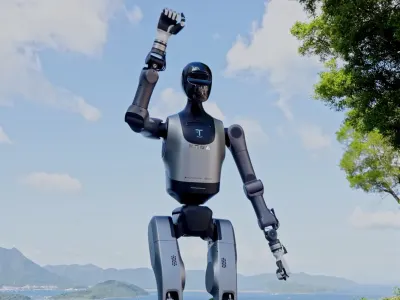
Phoenix vs Walker Tienkung
Compare Phoenix and Walker Tienkung. Detailed analysis of navigation, sensors, and speed.
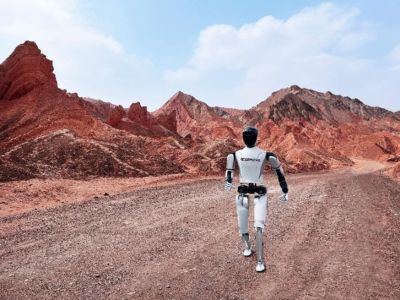
Star1 vs Phoenix
Compare Star1 and Phoenix. Detailed analysis of speed, sensors, AI capabilities, and navigation.

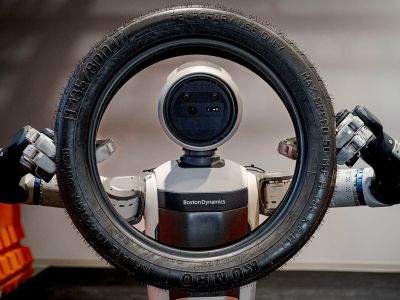
Optimus vs Atlas (Electric Atlas, 2025)
In-depth comparison of Optimus and Atlas (Electric Atlas, 2025), covering hardware capabilities, teleoperation, and enterprise readiness.
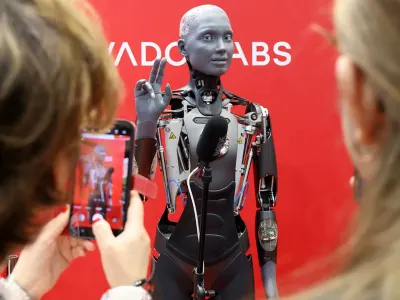

Ameca vs Moya
Which humanoid robot is better? Ameca vs Moya compared for dexterity, AI capabilities, and price.
Learn More About This Robot
Discover detailed specifications, reviews, and comparisons for Phoenix.
View Robot Details →