Phybot C1 Pioneers Multimodal Imaging in Humanoids
Robot Details
Phybot C1 • PhybotPublished
February 16, 2026
Reading Time
2 min read
Author
Origin Of Bots Editorial Team
Imaging Revolution Unveiled
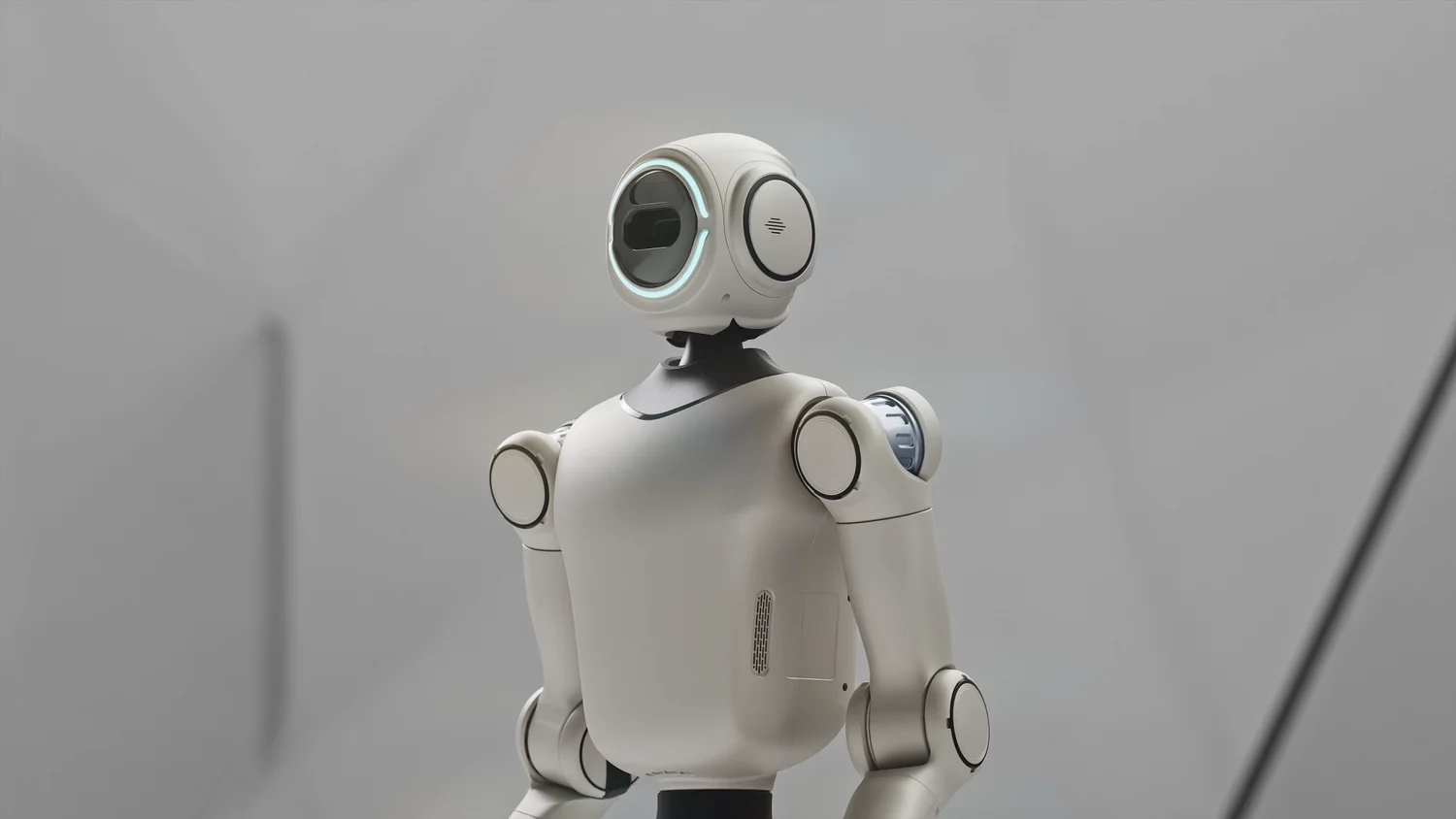
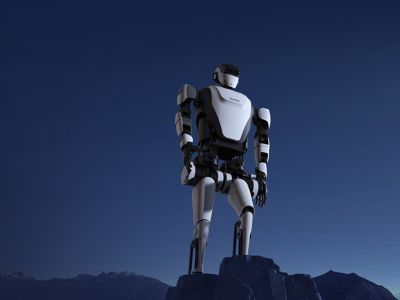
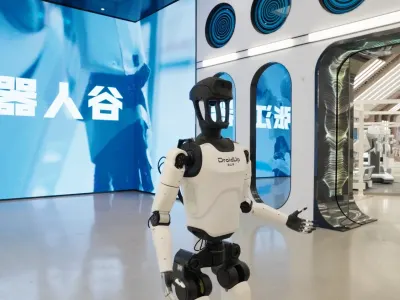
Phybot unveils the C1 humanoid, spotlighting its groundbreaking Multimodal Imaging Module that redefines how robots perceive and engage humans. This compact companion, fresh from Beijing labs, integrates person recognition with contextual awareness, transforming stiff interactions into fluid conversations. Launched amid surging demand for embodied AI, the C1 arrives as businesses and educators seek approachable tech for daily collaboration, promising to bridge the gap between machines and meaningful companionship.
Interaction Leap Forward
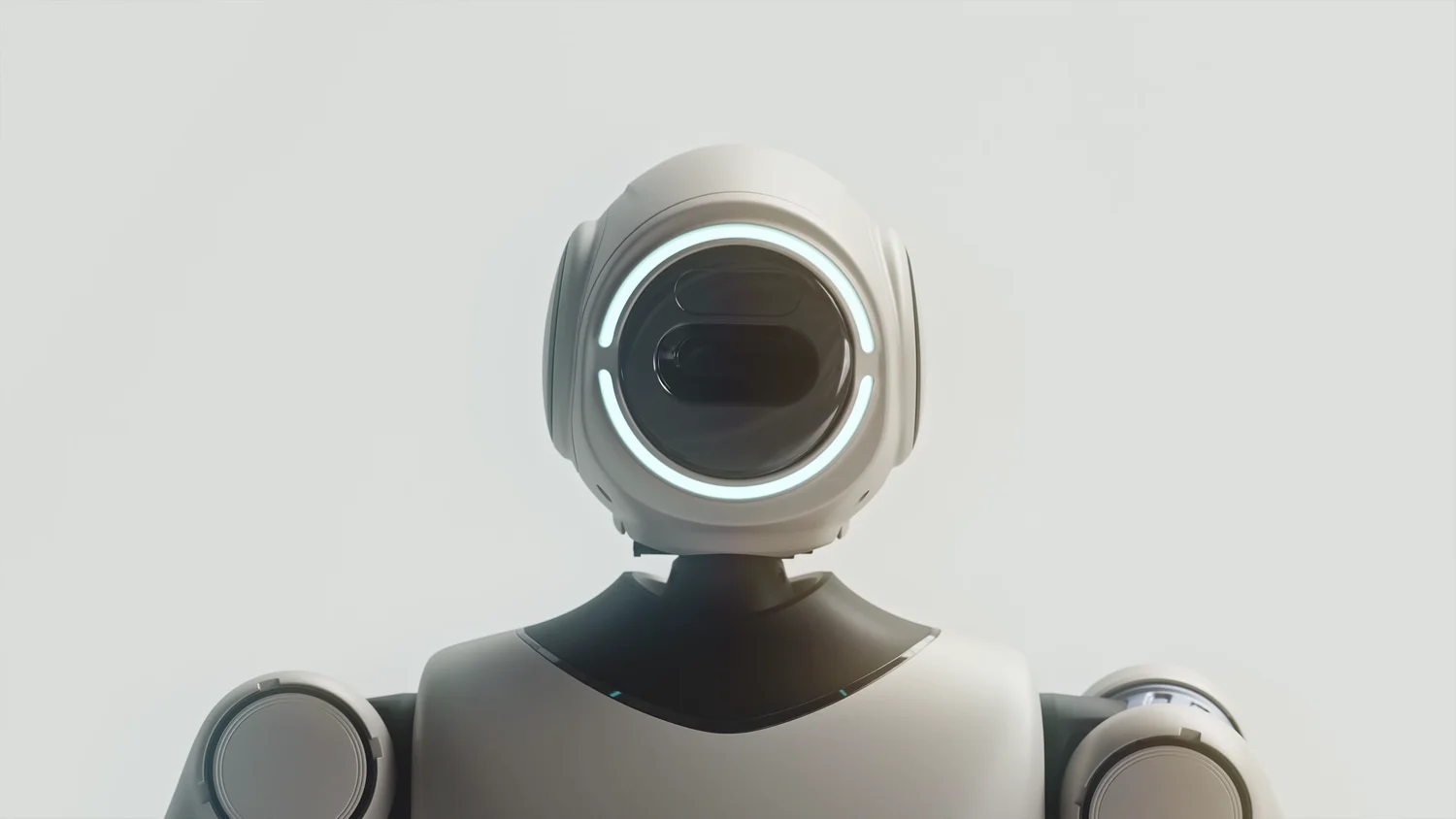
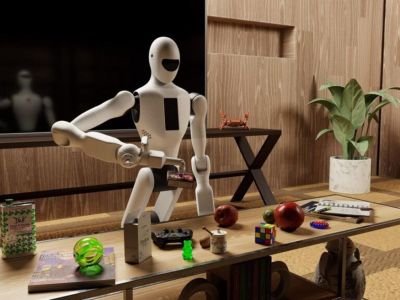
The C1's imaging prowess fuses visual data with environmental cues, enabling it to identify individuals and adapt responses on the fly. Paired with an HD Visual Projection Module, it projects guides or info right before users, enhancing tutorials or hospitality tasks. A breathing light strip adds emotional nuance, syncing with detections to convey attentiveness. This setup crafts encounters that feel intuitive, positioning the C1 as a responsive partner in homes or classrooms rather than a mere tool.
Actuator Innovation Drives Vision
Cycloidal gear actuators power the C1's 25 degrees of freedom, distributing loads for precise, backlash-free motion that complements its imaging smarts. Unlike harmonic drives, these enable durable joints handling high torque up to 244 N·m, vital for stable gaze during recognition. Running on an Intel Core i7 with ROS2 and Python APIs, the system processes multimodal inputs swiftly, unlocking smooth bipedal walks informed by real-time context from IMU and encoders.
Applications Transform Daily Life
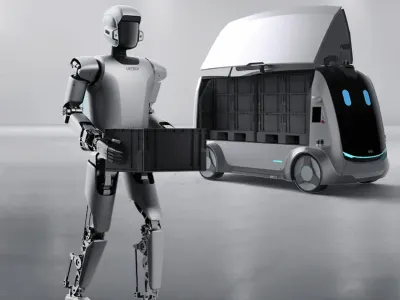
Educators deploy the C1 for interactive lessons, its imaging spotting student confusion to project clarifications. In hotels, it greets guests by name, carrying trays via 5 kg arm payloads while navigating with Visual SLAM. Sports labs test badminton swings, leveraging joint speeds for dynamic play. These scenarios highlight human-centric wins, from personalized aid to athletic coaching, making abstract AI tangible in real settings.
Skills Enabling Human Bonds
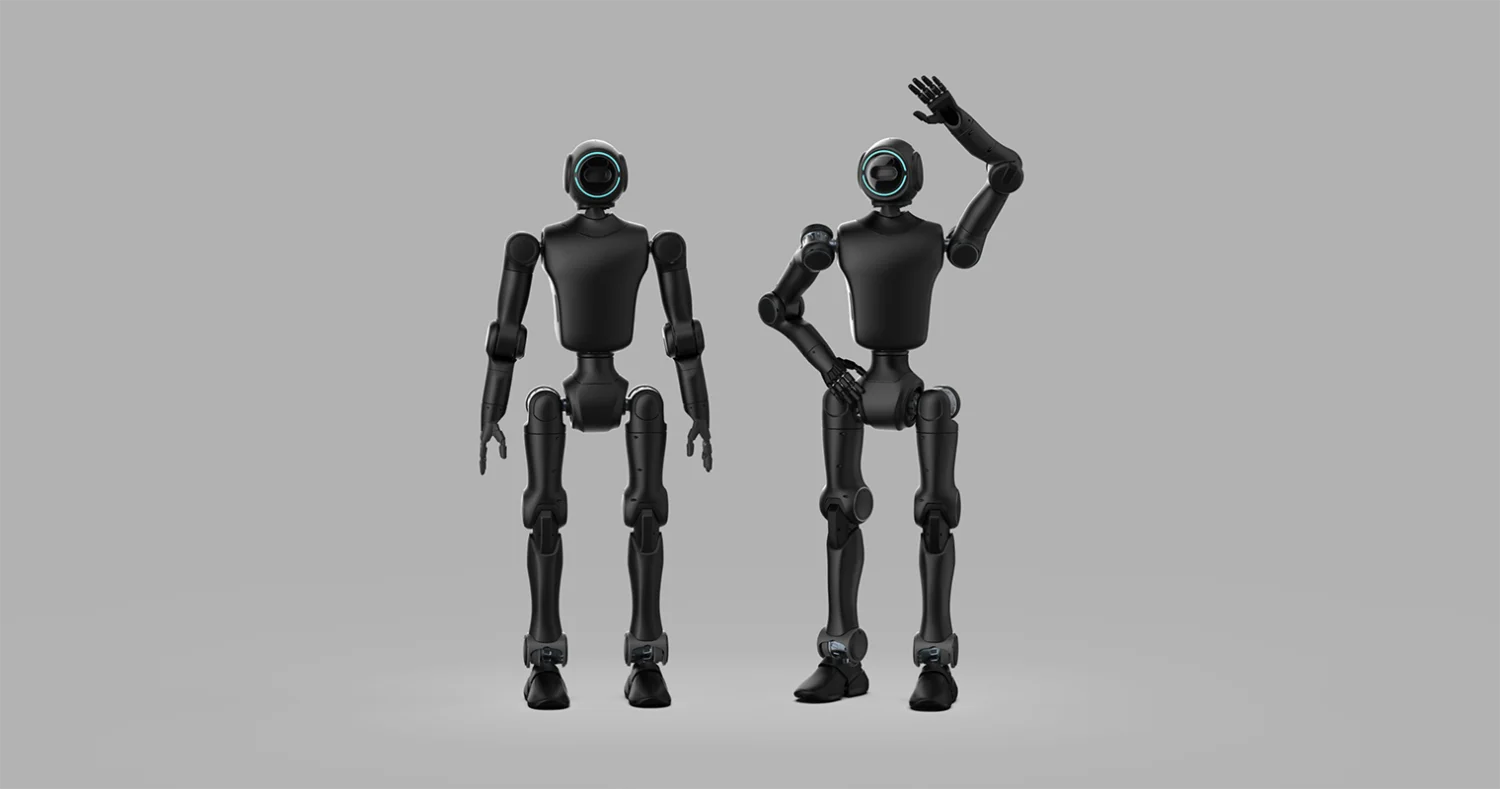
Standing 128 x 40 x 30 cm and weighing 28 kg (up to 30 kg loaded), the C1's dynamic bipedal walking hits 2.5 km/h, with joints reaching 15 rad/s for badminton dexterity. Multimodal imaging and optional 3D LiDAR fuel person/context skills, while HD projection fosters guided interactions. Safety via force limits and collision detection ensures trusted closeness; 3-5 year battery health powers extended sessions, letting it wield trays or rackets with natural poise.
Rivals Edge Analyzed
| Robot | Strengths over Phybot C1 | Phybot C1 Advantages | Weaknesses vs. Phybot C1 |
|---|---|---|---|
| Walker S1 | Superior height, heavier payloads | Advanced multimodal imaging for context | Less precise joint backlash control |
| Galbot G1 | Faster top speeds, broader DoF | Compact design, projection interaction | Lower arm torque for sports tasks |
| X-Man F1 | Robust hydraulics, terrain mastery | Cycloidal durability, ROS2 accessibility | Limited sensory fusion depth |
| Figure 03 | Enterprise-scale compute, AI integration | Affordable interaction focus, badminton agility | Shorter battery endurance in demos |
Explore Humanoids
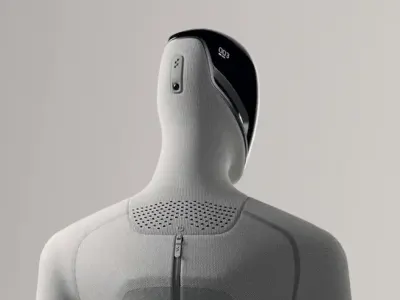
Sources
Related Articles
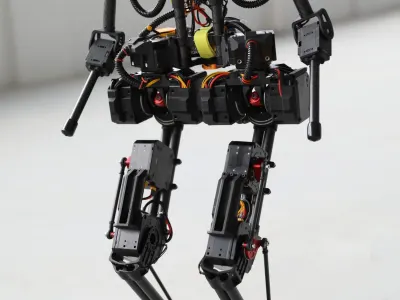
Westwood Robotics Spotlights Bruce at Robotics Summit

DroidUp's Moya Heats Up Humanoids with 92% Human Gait
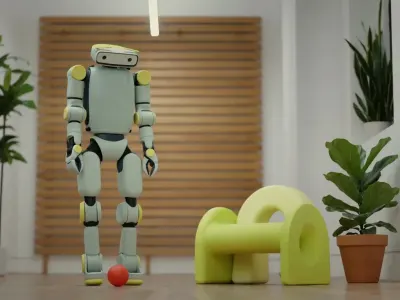
Fauna Emerges from Stealth, Ships Safe Sprout to Disney, Boston Dynamics
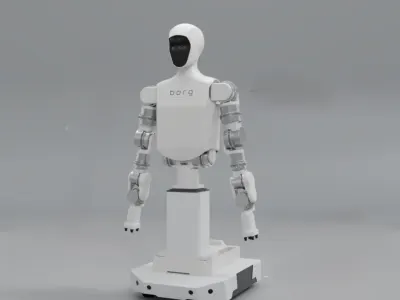
Detroit Startup's Three-Engineer Humanoid Dominates Industrial Automation
Related Comparisons
Compare Phybot C1 with similar robots

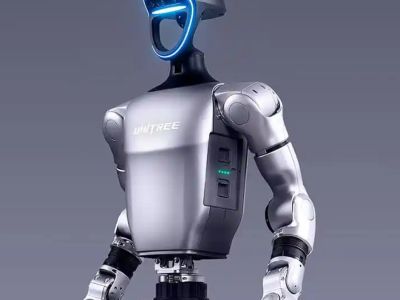
Optimus vs Unitree G1
Compare Optimus vs Unitree G1 for humanoid mobility, dexterity, autonomy, and payload capacity.
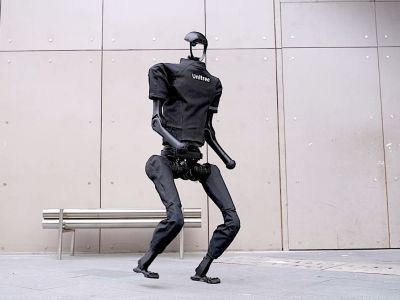
Unitree G1 vs Unitree H1
Head-to-head: Unitree G1 vs Unitree H1 compared on bipedal balance, AI learning, and real-world deployment.
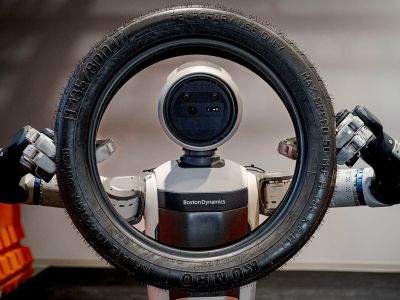
Optimus vs Atlas (Electric Atlas, 2025)
In-depth comparison of Optimus and Atlas (Electric Atlas, 2025), covering hardware capabilities, teleoperation, and enterprise readiness.
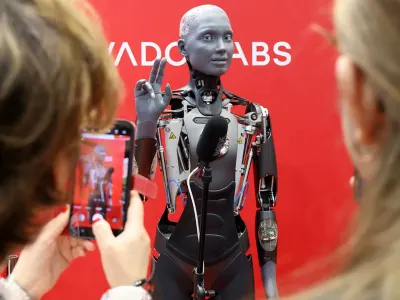
Ameca vs Moya
Which humanoid robot is better? Ameca vs Moya compared for dexterity, AI capabilities, and price.
Learn More About This Robot
Discover detailed specifications, reviews, and comparisons for Phybot C1.
View Robot Details →