Tesla Optimus: The Future of Humanoid Robotics
Revolutionizing Robotics Today
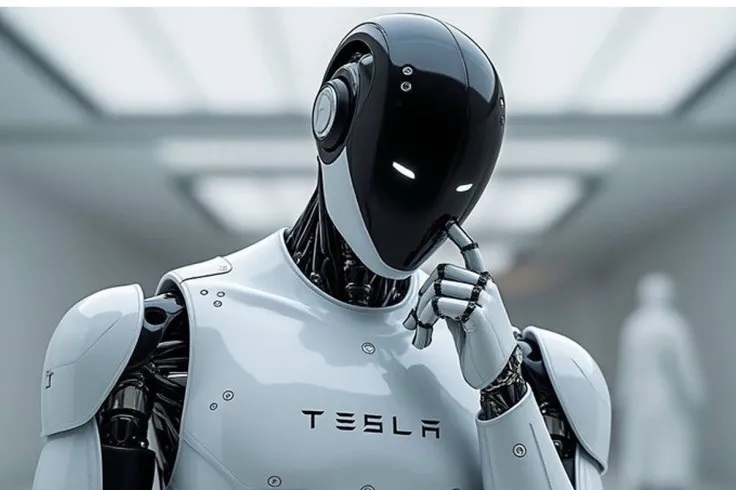
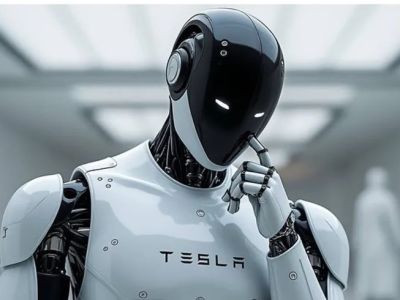
Tesla’s Optimus represents a bold leap into the future of humanoid robotics, designed to tackle repetitive, dangerous, or mundane tasks that currently require human labor. Elon Musk envisions Optimus as a mass-produced robot that could dramatically reshape industries by performing physical work with agility and intelligence. Positioned to become Tesla’s highest-volume product, the robot aims to bring unprecedented scale to humanoid robotics, potentially reaching millions of units annually. Its development signals a shift toward integrating AI-driven machines into everyday environments, from factories to homes, making Optimus a significant milestone in robotics innovation.
Multifaceted Capabilities
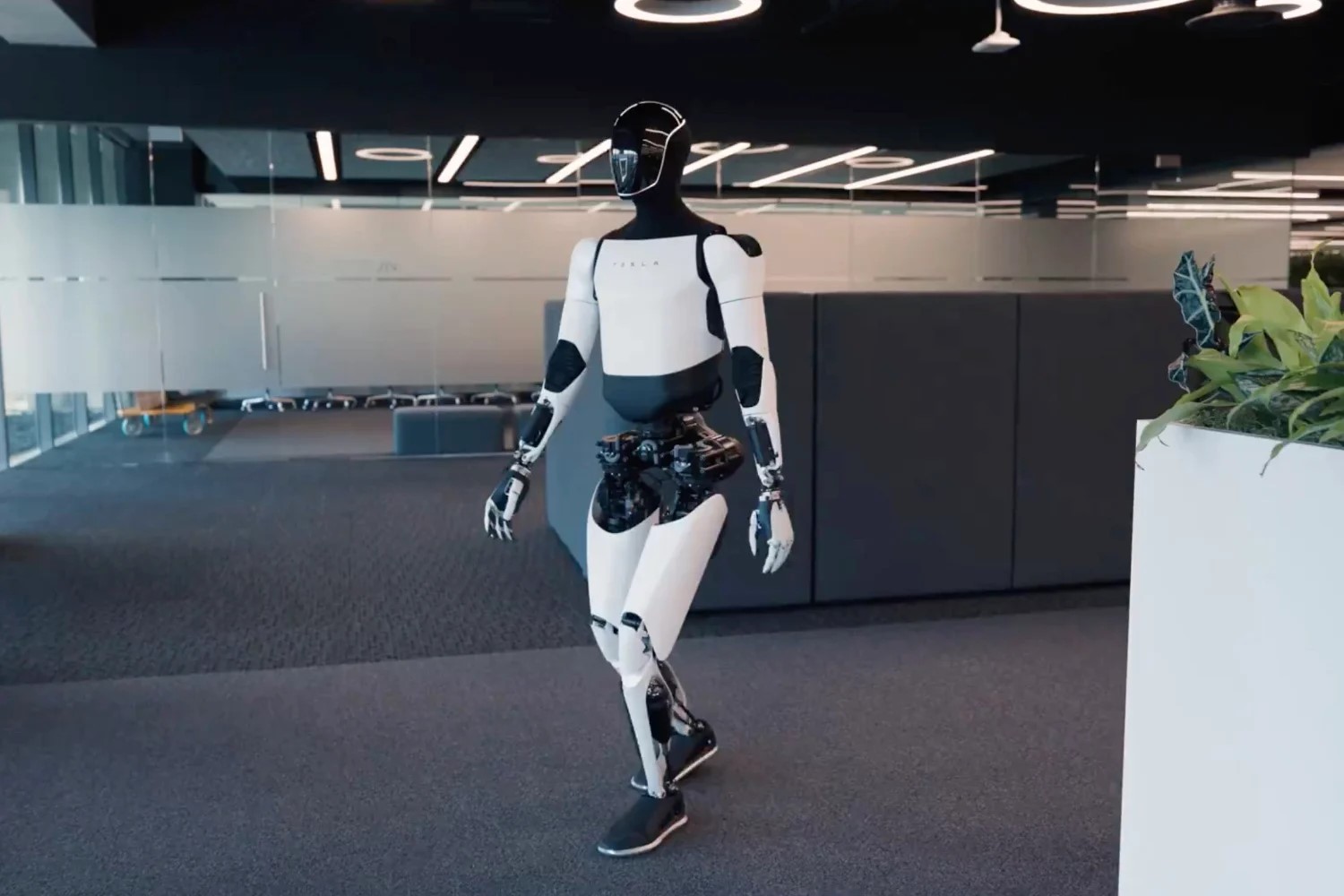
Optimus boasts a versatile skill set, capable of walking, lifting goods and tools, and performing scripted tasks with growing autonomy. It is designed for applications across manufacturing, logistics, elder care, and domestic assistance, reflecting its broad utility. The robot’s bipedal mobility allows it to navigate environments built for humans, while AI integration enables object recognition and dynamic adaptation. Early prototypes demonstrate its ability to move safely around people, handle materials, and even support emergency response scenarios, highlighting its potential to augment human workforces in complex, real-world settings.
Cutting-Edge Technology
At the heart of Optimus lies Tesla’s proprietary AI and Full Self-Driving (FSD) technology adapted from its automotive ventures. Utilizing a combination of RGB and stereo cameras, inertial measurement units (IMU), gyroscopes, and force sensors, the robot perceives its surroundings with precision. The software system runs on Tesla’s custom operating system, integrating neural networks and motion planning to balance, navigate, and interact autonomously. This fusion of automotive AI and humanoid robotics represents a novel approach, leveraging Tesla’s strengths in perception and autonomous control to push the boundaries of what robots can achieve.
Market Disruption Potential
Tesla aims to deploy Optimus initially within its own factories, using the robot to perform repetitive or strenuous tasks and refine its capabilities through real-world experience. The company’s ambition extends far beyond industrial use, targeting sectors such as elder care and home assistance, where the robot could alleviate labor shortages and improve quality of life. With plans for rapid production scale-up, including a facility capable of producing tens of millions of units per year, Optimus could disrupt labor markets and transform how goods and services are delivered globally.
Detailed Specifications
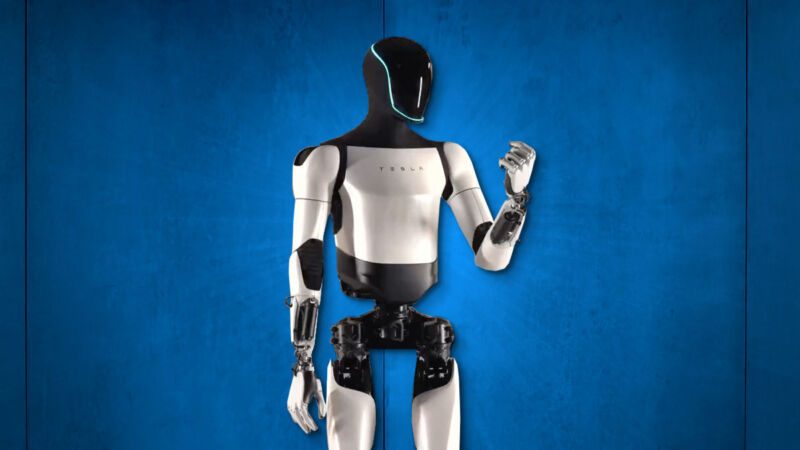
Optimus stands 173 cm tall, with a slender frame measuring 50 cm in width and 30 cm in depth, weighing approximately 57 kg. It moves at a speed of 8.06 km/h (2.24 m/s) and can operate for about eight hours on a single battery charge. The robot’s sensor suite includes RGB and stereo cameras, IMU, gyroscope, force sensors, and temperature sensors, enabling nuanced environmental awareness. Its navigation system, based on Tesla’s FSD vision technology, combines stereo cameras with internal proprioception for precise movement. Safety features such as emergency stop, obstacle detection, and compliant actuators ensure human-safe interactions. Optimus carries payloads like goods and tools but is not designed for human transport.
Competitive Comparison
Compared to humanoid robots like 4NE-1, Star1, ALICE 3, and Martian, Optimus stands out for its integration of Tesla’s advanced automotive AI and ambitious production scale. While 4NE-1 and ALICE 3 excel in specialized tasks such as indoor navigation and manipulation, and Martian focuses on rugged environments, Optimus balances versatility, mobility, and mass manufacturability. Its bipedal agility and sensor suite match or exceed many competitors, but it currently lags in demonstrated dexterity and autonomy outside controlled settings. However, Tesla’s robust software ecosystem and production ambitions give Optimus a potential edge in becoming the most widely deployed humanoid robot.
Looking Ahead
Tesla’s vision for Optimus extends beyond current prototypes to a future where robots autonomously replicate and improve themselves, achieving self-replication akin to Von Neumann probes. With ongoing AI advancements and manufacturing scale-up underway, Optimus could redefine labor, creating new economic patterns and societal impacts. Challenges remain in achieving full autonomy, dexterity, and safe human-robot interaction, but Tesla’s commitment to rapid iteration and real-world testing positions Optimus as a transformative force. As production ramps up toward millions of units annually, Optimus may well become a ubiquitous presence, heralding a new era of robotic collaboration in daily life and industry.
Explore Humanoids
Sources
Related Articles
XMAN-F1 Partners Johnnie Walker, M104 for AI Bartending Breakthrough
RobotEra L7 Racing Into Warehouses: 14.4 km/h Humanoid Cuts Picking Costs with ERA‑42 Deal
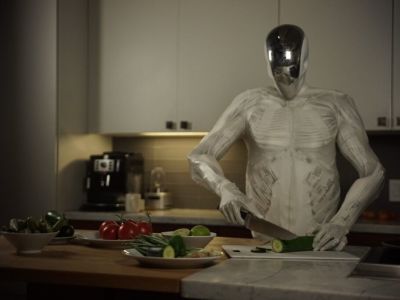
Clone’s Protoclone V1 Mirrors Human Muscles with 1,000 Myofibers, 500 Sensors
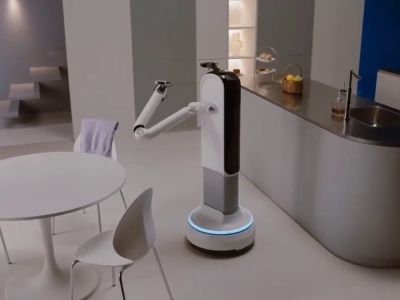
Samsung Bot Handy 2 Integrates Google Gemini, Boosts Dexterity with 3kg Dual-Arm Grip
Related Comparisons
Compare Optimus with similar robots
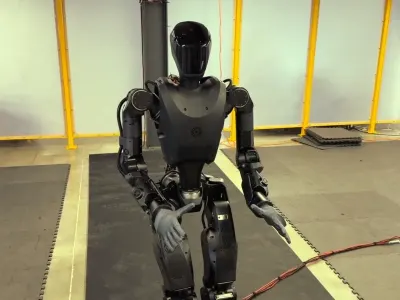
Optimus vs Phantom MK1
Optimus or Phantom MK1? See which humanoid robot performs better for manufacturing, logistics, defense, dexterity, autonomy, and payload in enterprise deployments.
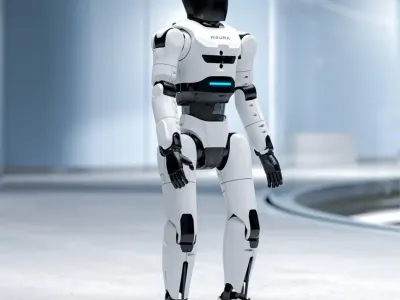
Optimus vs 4NE-1 Mini
Which humanoid robot is better? Optimus vs 4NE-1 Mini compared for dexterity, AI capabilities, payload, and industrial vs research use cases.
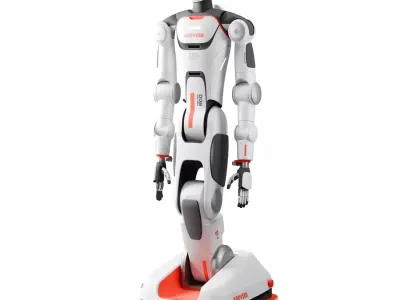
Optimus vs ELIXIS W
Which robot wins? Optimus vs ELIXIS W compared across sensors, battery, navigation, speed, and price for industrial applications.
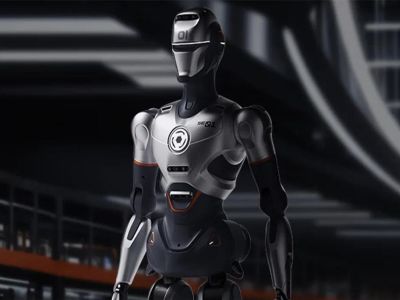
Optimus vs SE01
Head-to-head: Optimus vs SE01. Explore differences in sensors, battery, navigation, speed, and AI capabilities.
Learn More About This Robot
Discover detailed specifications, reviews, and comparisons for Optimus.
View Robot Details →