Tesla
Tesla Optimus, also designated the Tesla Bot, is the embodied intelligence and humanoid robotics initiative of Tesla, Inc., aimed at engineering a general-purpose, mass-producible bipedal worker to perform dangerous, repetitive, or undesirable manual labor. The platform directly leverages Tesla's automotive manufacturing scale, custom Dojo supercomputing clusters, and the vision-only Full Self-Driving (FSD) neural network architecture. By fabricating proprietary electromechanical actuators and utilizing automotive-grade supply chains, Tesla aims to reduce the long-term unit production cost of humanoids to consumer-accessible price thresholds while trialing units internally across its Gigafactories.
💡Notable Achievement: Tesla operates six vertically integrated Gigafactories across three continents, enabling in-house design, manufacturing, and service of products with advanced robotics for extreme scale production.
What Does Tesla Do?
Tesla is developing Optimus (Tesla Bot), a general-purpose bipedal humanoid designed to perform unsafe, repetitive, or tedious factory and consumer tasks at automotive manufacturing scale.
“Mass-market general-purpose bipedal android built via automotive-grade supply chains and self-driving AI.”
In-House Actuator Fabrication
Custom rotary and linear electromechanical actuators designed specifically for high-efficiency bipedal torque.
FSD Vision Neural Nets
Occupancy networks, transformer-based perception, and Dojo supercomputer training ported from Tesla's Full Self-Driving stack.
Gigafactory Production Scale
Leveraging Tesla's high-volume manufacturing engineering to drive unit BOM costs below $25,000.
What Can Tesla Robots Actually Do?
Cross-portfolio operational capabilities, manipulation tasks, and environmental competencies
Autonomous battery cell sorting, vision-only neural navigation, factory workstation assistance, and dexterous telemanipulation.
11-DoF Tactile Hands
Custom tendon-driven dexterous fingers equipped with tactile force sensors on all fingertips.
Pure Vision Navigation
Full Self-Driving neural net architecture running on Tesla SOC for 2D/3D environmental occupancy mapping.
4680 Cell Sorting
Autonomous pick-and-place sorting of cylindrical 4680 battery cells directly into factory shipping trays.
Integrated Torso Battery
Structural 2.3 kWh pack in torso delivering 4-6 hours of continuous industrial work per charge.
Tesla Robots
Showing 2 Humanoid Robots of 2 total models
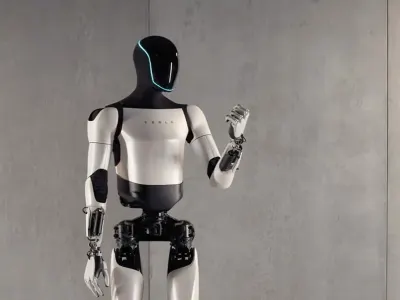
Optimus Gen 3
By: Tesla
Launched: 2026
Tesla Optimus Gen 3 is a general-purpose humanoid robot designed for both industrial and future home applications, featuring advanced bipedal locomotion and unprecedented hand dexterity. While the main body retains the Gen 2 chassis (173 cm tall, 57 kg), the "Gen 3" designation specifically refers to the upgraded 22-degree-of-freedom hands powered by 50 actuators, a 4.5x increase over previous versions. This robot excels in factory tasks such as sorting battery cells, moving items between bins, and handling fragile objects like eggs without damage. Powered by a 2.3 kWh battery and Tesla's adapted Full Self-Driving AI, it achieves walking speeds of 5–8 km/h and can carry payloads up to 20 kg per arm or deadlift 68 kg. With a runtime of 10–12 hours, Optimus Gen 3 represents a critical step toward mass-producing affordable, autonomous humanoids for repetitive and dangerous tasks.
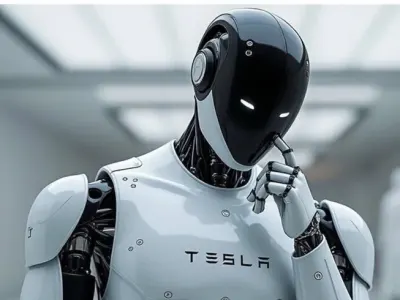
Optimus
By: Tesla
Launched: 2025
The Optimus by Tesla is an advanced humanoid robot designed for complex task automation. This bipedal platform incorporates cutting-edge motion control, dexterous manipulation, and intelligent autonomous capabilities. It combines state-of-the-art sensors, real-time balance control, and sophisticated software systems for versatile real-world applications in research, industry, and service environments.
TeslaSoftware & AI Ecosystem
Developer platforms, fleet management portals, autonomy intelligence, and enterprise integrations
Tesla Robot OS
Real-Time Neural Actuator Control
Low-latency embedded operating system running end-to-end visuomotor policies directly on custom Tesla silicon.
Dojo Teleop & Sim Suite
Large-Scale Fleet Learning
Photorealistic Unreal Engine simulator and Dojo cluster infrastructure for massive parallel reinforcement learning.
Tesla Competitors by Category
Direct industry rivals grouped by specific robotics domain
What Makes Tesla Different?
Editorial AnalysisOrigin of Bots objective strategic assessment, engineering moats, and commercial hurdles
Key Strengths & Moats
- ✓Unmatched capital reserves and immediate internal testbed across global Gigafactories.
- ✓World-class automotive manufacturing supply chain and volume casting expertise.
- ✓High compute capacity via proprietary FSD hardware and Dojo supercomputing.
Core Strategic Focus
Internal factory deployment and task mastery before opening external commercial enterprise sales.
Road Ahead & Challenges
- •Public perception management and transition from teleoperation to 100% full task autonomy.
- •Timeline volatility for external commercial availability.
Tesla vs Key Competitors
Strategic capability matrix across platform categories, commercial readiness, and target markets
| Strategic Dimension | Tesla Optimus | Figure AI | Boston Dynamics | Apptronik |
|---|---|---|---|---|
| Compute Architecture | In-house Tesla FSD Silicon | Third-Party Off-the-Shelf GPUs | Proprietary Embedded RTOS | Embedded PC / GPU Stack |
| Sensor Suite | Pure Vision (2D Cameras) | Vision + Depth Cameras | Perception LiDAR & Depth Cameras | Perception Depth Cameras & LiDAR |
| Target Purchase Price | $20,000 - $30,000 | RaaS Subscription (~$1,000/mo) | Enterprise Leases | RaaS / Hardware Lease |
| Internal Testbed | Global Gigafactories (Austin, Fremont, Berlin) | BMW Spartanburg Plant | Hyundai Automotive Plants | Mercedes-Benz Assembly Lines |
Articles & Industry News
Showing 4 recent articles and news updates about Tesla
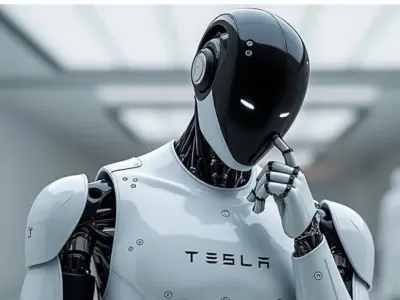
Tesla Optimus Scales Internal Gigafactory Operations and Reaffirms 2027 Consumer Target
News about Optimus
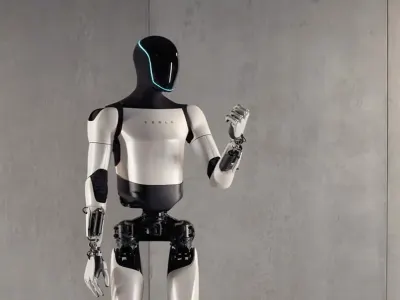
Tesla’s Optimus Gen 3 points to teleoperation-first humanoids as production nears
News about Optimus Gen 3
Musk Accelerates Optimus Sales to Public by Late 2027
News about Optimus
Tesla Optimus: The Future of Humanoid Robotics
News about Optimus
Robot Comparisons
Showing 8 in-depth comparisons featuring Tesla — Explore all comparisons →
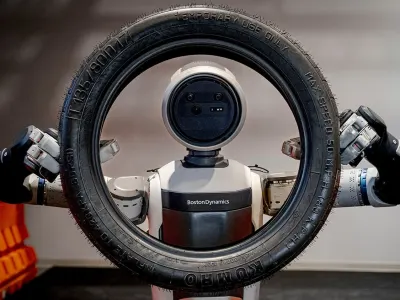
Compare Optimus by Tesla & Atlas (Electric Atlas, 2025) by Boston Dynamics
In-depth comparison of Optimus and Atlas (Electric Atlas, 2025), covering hardware capabilities, teleoperation, and enterprise readiness.
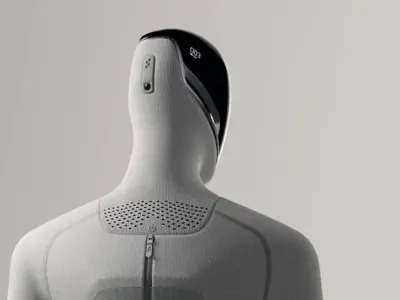
Figure 03 by Figure AI vs Optimus Gen 3 by Tesla: Review
In-depth comparison of Figure 03 and Optimus Gen 3, covering hardware capabilities, teleoperation, and enterprise readiness.
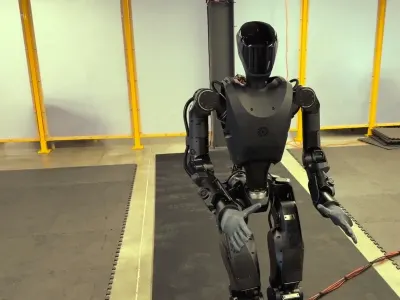
Optimus (Tesla) vs Phantom MK1 (Foundation)
Optimus or Phantom MK1? See which humanoid robot performs better for manufacturing, logistics, defense, dexterity, autonomy, and payload in enterprise deployments.
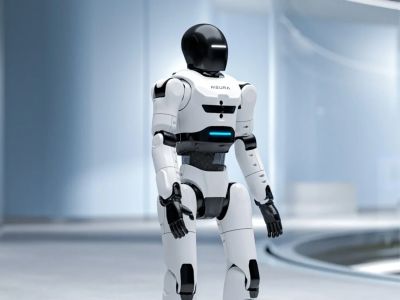
Compare Optimus by Tesla & 4NE-1 Mini by NEURA Robotics
Which humanoid robot is better? Optimus vs 4NE-1 Mini compared for dexterity, AI capabilities, payload, and industrial vs research use cases.
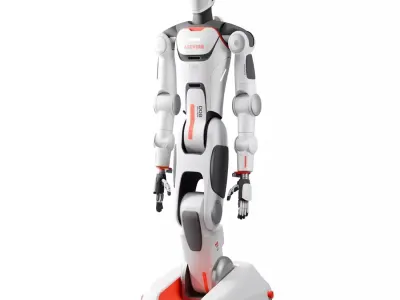
Optimus (Tesla) vs ELIXIS W (Addverb)
Which robot wins? Optimus vs ELIXIS W compared across sensors, battery, navigation, speed, and price for industrial applications.
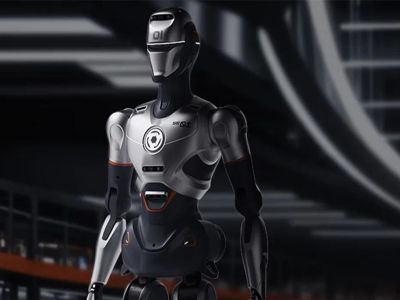
Compare Optimus by Tesla & SE01 by EngineAI
Head-to-head: Optimus vs SE01. Explore differences in sensors, battery, navigation, speed, and AI capabilities.
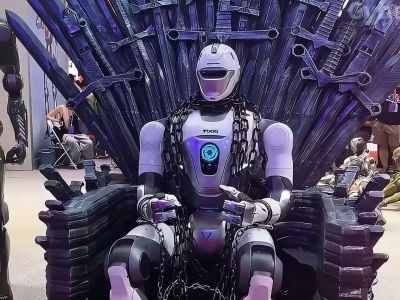
Optimus by Tesla vs T800 by EngineAI: Review
Compare Optimus and T800. Detailed analysis of sensors, navigation, battery, speed, and price.
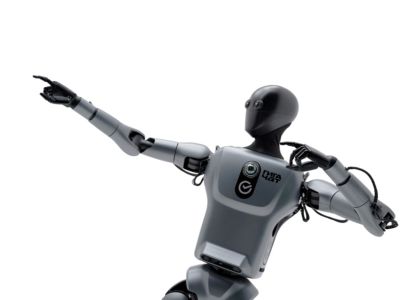
Optimus by Tesla vs Green by Sberbank 2025
Optimus or Green? Compare specs, navigation, battery, sensors, and speed performance.
Frequently Asked Questions
8 AnswersVerified answers, company specifications, and deployment details about Tesla
How much will Tesla Optimus cost when released?
Tesla targets a long-term consumer purchase price between $20,000 and $30,000 once high-volume manufacturing reaches automotive economies of scale.
When will the public be able to buy Tesla Optimus?
External commercial and consumer deliveries are projected following complete internal integration across Tesla Gigafactories.
Does Optimus use lidar or cameras?
Optimus uses pure vision, utilizing the same multi-camera suite and neural network perception stack developed for Tesla Full Self-Driving (FSD).
Were the robots at Tesla's 'We, Robot' event teleoperated?
While basic walking and vision navigation were autonomous, conversational interactions and drink service during the live public party were assisted via remote human teleoperation.
What jobs does Optimus currently do in Tesla factories?
Optimus handles battery cell sorting, small components transport between staging bins, and machine tending tasks in Giga Texas.
What are the physical dimensions and weight of Optimus Gen 2?
Optimus Gen 2 stands roughly 5 feet 8 inches (173 cm) tall, weighs approximately 57 kg (125 lbs), and carries a payload capacity of up to 20 kg.
How long does Optimus's battery last on a single charge?
Optimus carries an integrated 2.3 kWh pack in its torso, supporting roughly 4 to 6 hours of continuous physical labor or a full 8-hour shift under intermittent loading.
How does Tesla train Optimus's AI brain?
Tesla uses motion-capture teleoperation suits to gather human demonstration data, processing training pipelines on its Dojo supercomputing clusters using end-to-end neural networks.
Verified Data & Editorial Assurance
Compiled from verified corporate filings, official Tesla datasheets, and robotics engineering registries. Information has been verified against official manufacturer documentation. For commercial procurement or proprietary integrations, contact the manufacturer directly.