Musk Accelerates Optimus Sales to Public by Late 2027
Robot Details
Optimus • TeslaPublished
January 28, 2026
Reading Time
2 min read
Author
Origin Of Bots Editorial Team
Musk's Davos Timeline
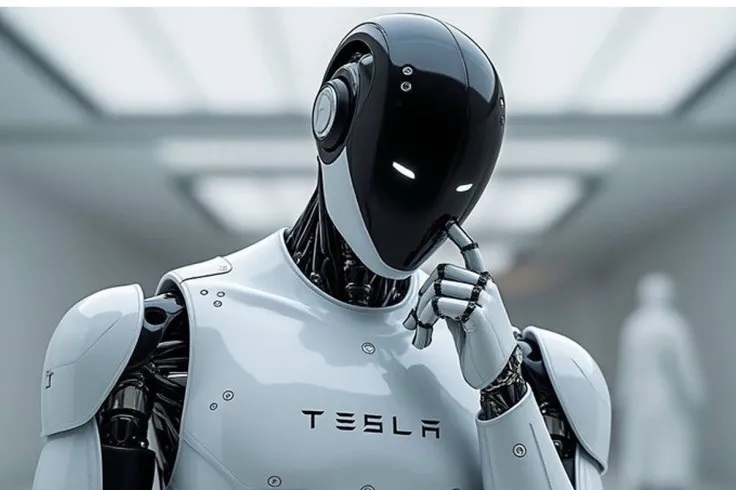
Tesla CEO Elon Musk electrified the World Economic Forum in Davos by announcing plans to launch Optimus humanoid robots for public sale by late 2027, signaling a bold pivot toward consumer robotics. This accelerated timeline reflects surging confidence in the bot's reliability after early factory deployments handling simple tasks. Musk envisions a world where these versatile humanoids tackle household chores and beyond, potentially outnumbering humans globally. Internal production ramps at Gigafactories, including a new Texas facility targeting 10 million units annually, underpin this aggressive rollout, though early volumes will build gradually due to novel components.
Everyday Task Mastery
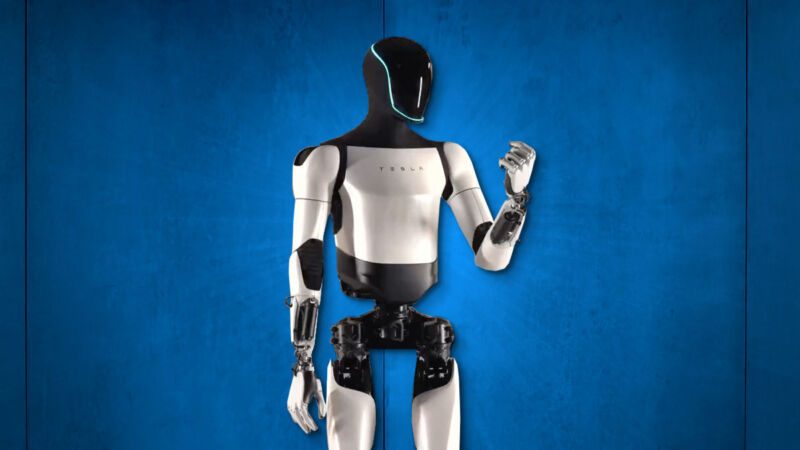
Optimus stands out with its capacity for dexterous, intuitive interactions, from folding laundry to babysitting or pet care, transforming mundane routines into seamless assistance. Engineers highlight tactile fingertips enabling delicate handling, paired with 71 degrees of freedom for fluid, human-like motions across its frame. This focus on general-purpose utility disrupts traditional robotics, positioning Optimus as a household companion rather than a niche tool. Musk emphasized its "ask anything" versatility, honed through real-world data collection in Tesla plants, promising safe, adaptive performance in dynamic home environments.
Factory Training Surge
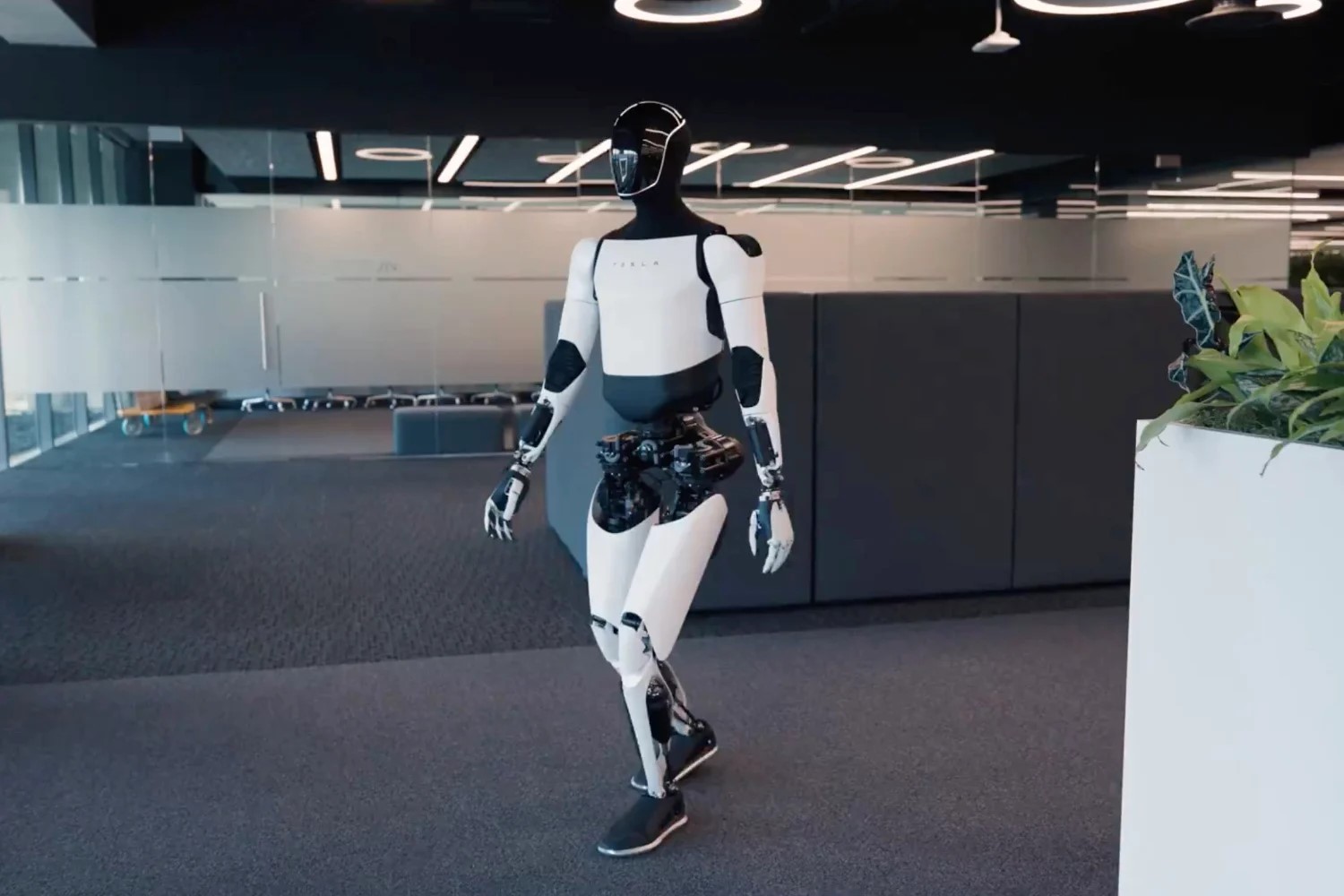
Tesla ramps up Optimus training at its Austin Gigafactory starting February, building on over a year of Fremont pilots where prototypes manage battery sorting and basic operations. By year-end, bots will tackle complex industrial chores autonomously, leveraging AI advancements from Full Self-Driving tech. This data-driven evolution addresses past teleoperation critiques, fostering genuine independence. Musk forecasts end-2026 factory proficiency, paving the way for consumer readiness and redefining manufacturing labor with tireless, precise humanoid partners.
Homefront Revolution Ahead
Picture Optimus inspecting home infrastructure, streamlining logistics deliveries, or aiding remote operations for isolated workers, extending its reach into research labs and warehouses. Priced around $20,000-$30,000, it targets broad adoption for eldercare and repetitive chores, fostering abundance by freeing humans for creative pursuits. Early internal use in Tesla facilities validates these scenarios, with public sales unlocking logistics efficiencies and personalized assistance, fundamentally reshaping daily life and economic productivity.
Dexterity-Enabling Framework
Optimus's bipedal design empowers natural navigation and human-like collaboration through a Tesla FSD vision system with RGB, depth, and stereo cameras for obstacle avoidance and proprioceptive awareness. Force-torque sensors and compliant actuators deliver gentle, precise interactions, like handing tools or goods without harm, while IMU, gyroscope, and encoders ensure balanced mobility up to 8 km/h over 8-hour shifts. Emergency stops and AI-integrated OS enable safe, extended sessions in shared spaces, prioritizing empathetic assistance over raw power.
Rivals Edge Check
| Robot | Strengths over Optimus | Optimus Advantages | Weaknesses vs. Optimus |
|---|---|---|---|
| Cruzr S2 | Faster deployment in service | Superior AI autonomy, FSD integration | Less dexterous hands, factory focus |
| Walker S1 | Cheaper initial cost | Longer battery, tactile precision | Narrower task versatility |
| KUAVO-MY | Heavier payload capacity | Lighter build, human-like gait | Bulkier frame limits home use |
| D7 | Advanced arm modularity | End-to-end vision navigation | Slower speed, shorter runtime |
Explore Humanoids
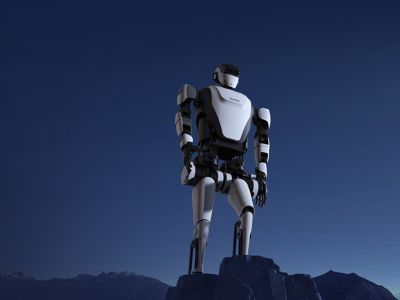
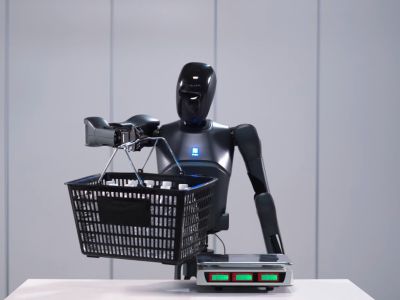
Related Articles
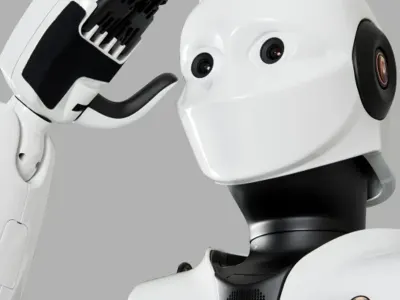
PAL Robotics Boosts REEM-C Balance with Renishaw Encoders
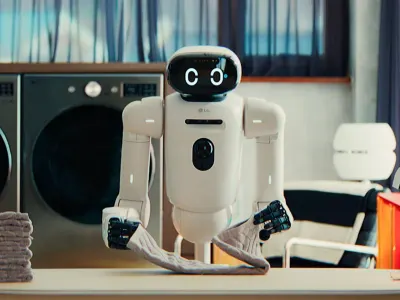
LG CLOiD Home Robot Powers Zero-Labor Homes at CES 2026
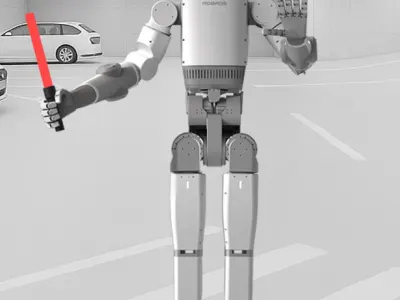
ROBROS Unveils IGRIS-C at CoRL 2025, Positioning Compact Humanoid for Service Industry Transformation

Figure 02 Showcases Helix-Powered Household Autonomy
Related Comparisons
Compare Optimus with similar robots

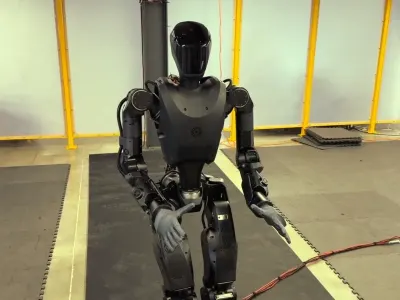
Optimus vs Phantom MK1
Optimus or Phantom MK1? See which humanoid robot performs better for manufacturing, logistics, defense, dexterity, autonomy, and payload in enterprise deployments.
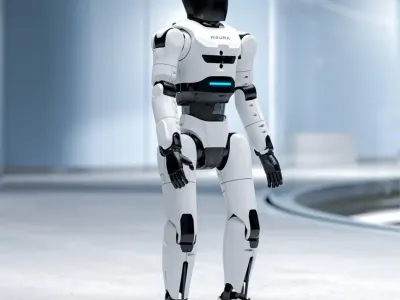
Optimus vs 4NE-1 Mini
Which humanoid robot is better? Optimus vs 4NE-1 Mini compared for dexterity, AI capabilities, payload, and industrial vs research use cases.
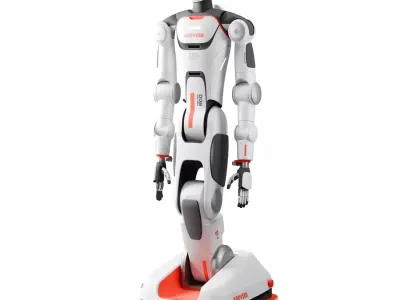
Optimus vs ELIXIS W
Which robot wins? Optimus vs ELIXIS W compared across sensors, battery, navigation, speed, and price for industrial applications.
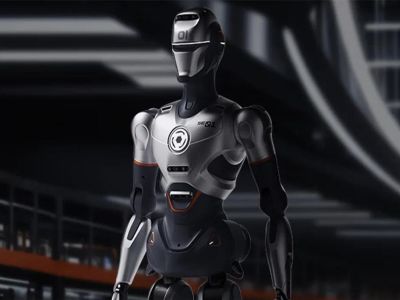
Optimus vs SE01
Head-to-head: Optimus vs SE01. Explore differences in sensors, battery, navigation, speed, and AI capabilities.
Learn More About This Robot
Discover detailed specifications, reviews, and comparisons for Optimus.
View Robot Details →