Optimus vs Green at a glance
Optimus is quicker, with a top speed of 2.2 m/s versus 0.9 m/s for Green. Optimus is lighter at 57 kg, compared with 75 kg for Green.
Which one fits your use?
Based on the uses each robot is built and marketed for. Open a use to see the specs that matter for it.
| Comparing for… | Optimus | Green |
|---|---|---|
| Suited | Not listed | |
| Suited | Suited | |
| Not listed | Suited | |
| Not listed | Suited |
- Pick Optimus for warehouse and logistics work.
- Pick Green for research labs and hospitality, retail and public-facing roles.
- Both suit factory and manufacturing work, so compare the specs for that use.
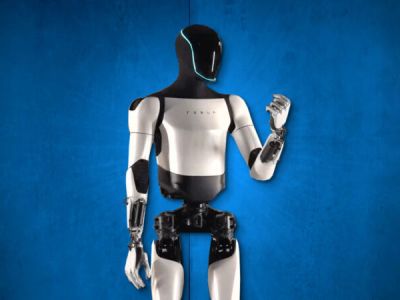
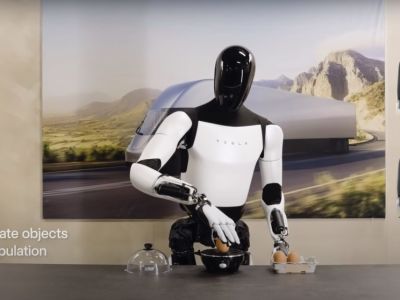
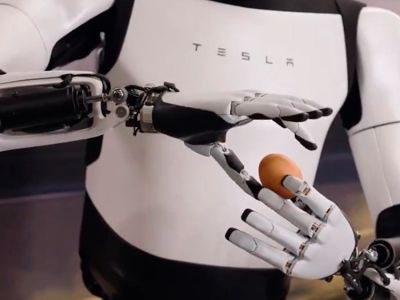
Optimus is Tesla's general-purpose humanoid robot. It stands 173 cm tall, weighs 57 kg, has more than 40 degrees of freedom across its body and hands, and can carry about 20 kg. Tesla is developing it with the same AI approach as its self-driving cars and plans to use it first in its own factories.
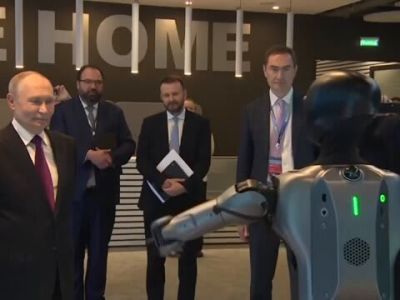
Green is Sber's first humanoid robot, unveiled at AI Journey 2025 in Moscow, where it introduced itself and danced on stage. It is 180 cm tall, weighs 75 kg and has 41 degrees of freedom, including 12 finger joints with force-torque sensing. Green talks through Sber's GigaChat model and handles objects with the Green-VLA model, and Sber is aiming it at retail, catering, manufacturing, labs and room service.
Detailed Analysis
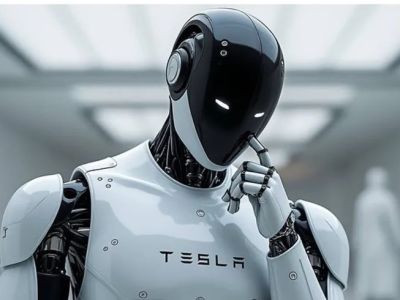
Optimus
Design & Build Quality
Optimus is the lighter robot at 57 kg against Green's 75 kg, while Green is taller at 180 cm versus 173 cm. Both have about 40 degrees of freedom; Green puts 12 of its 41 into the fingers and 4 into the wrists, and Optimus's 40+ include its dexterous hands.
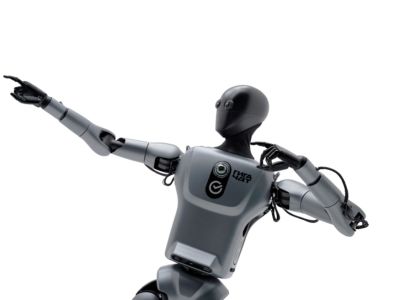
Green
Mobility & Navigation
Optimus has a listed top speed of 8 km/h, well above Green's 0.9 m/s (about 3.2 km/h). Both walk on two legs; Green navigates unfamiliar indoor spaces on its own and steers around obstacles with its cameras and LiDARs.
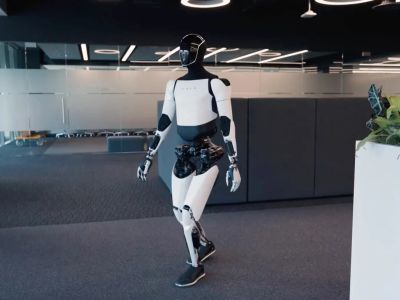
Optimus
Sensors & Perception
Green uses eight RGB cameras and two LiDARs, inertial sensors and force-torque sensors in its fingertips. Tesla has focused Optimus on camera-based vision, following the approach of its cars. Green's LiDAR adds direct distance measurement on top of its cameras.
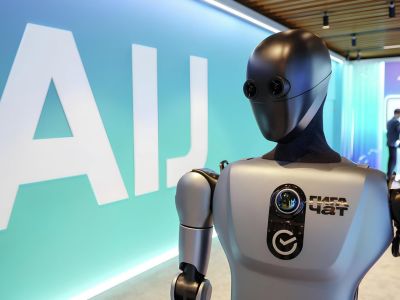
Green
AI Capabilities
Optimus runs Tesla's own AI stack, built on the neural networks behind its Full Self-Driving system. Green pairs Sber's GigaChat for conversation with Green-VLA, a vision-language-action model of about 1.3 billion parameters released with open weights, and it can detect and correct its own mistakes.
Optimus
Battery & Power Efficiency
Tesla has described Optimus's battery as sized for a full working day. Sber has said only that Green uses a 48 V battery, without runtime or charging time, so Optimus has the clearer endurance target.

Green
Use-Case Suitability
Tesla plans to use Optimus first for repetitive work in its own factories before offering it more widely. Green targets collecting items and stocking shelves, assembling and packing products, lab work with test tubes and bio samples, and room service and cleaning, with catering also on Sber's list.
Optimus
Software Ecosystem
Optimus is built on Tesla's in-house software and AI training infrastructure. Green's software is Sber's GigaChat plus the open-weight Green-VLA model, and Sber's Green Challenge lets outside teams train controllers in a simulator of the robot. Neither company has announced a public SDK.
Green
Pricing & Value
Tesla has pointed to an eventual price of roughly $20,000 to $30,000 once Optimus is made at scale, though it is not yet on sale. Sber has not announced a price or public sales for Green; it plans business pilots and expects a line of Green robots by autumn 2026.
Optimus
Safety Features
Optimus uses an emergency stop, obstacle detection and compliant actuators. Green relies on inertial and force sensors for balance, avoids obstacles and can catch its own errors; Sber has not published safety certifications. Ask both makers for certification details before deploying near people.
Capabilities & Operational Tasks
Head-to-head comparison of what Optimus and Green can do, their applications, and capabilities.
What Can Optimus & Green Do?
143 tasks listed for both, 5 only for Optimus, 6 only for Green.
Technical Specifications
Optimus and Green differ on 30 of the 47 specifications listed for both.
Functional Utility & Use Cases
4 Comparative Metrics
Manipulation & Load Capacity
4 Comparative Metrics
Kinematic Architecture & Dexterity
4 Comparative Metrics
Related Comparisons
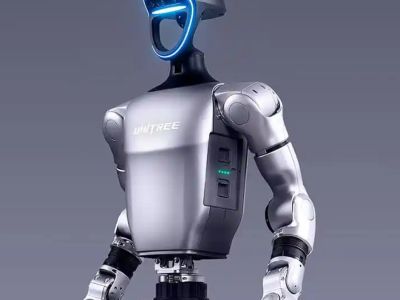
Optimus vs Unitree G1
Compare Optimus vs Unitree G1 for humanoid mobility, dexterity, autonomy, and payload capacity.
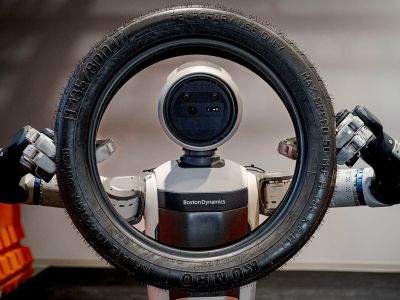
Optimus vs Atlas (Electric 2025)
In-depth comparison of Optimus and Atlas (Electric Atlas, 2025), covering hardware capabilities, teleoperation, and enterprise readiness.
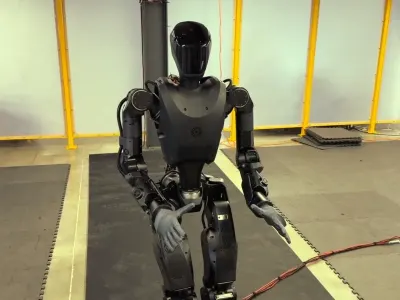
Optimus vs Phantom MK1
Optimus or Phantom MK1? See which humanoid robot performs better for manufacturing, logistics, defense, dexterity, autonomy, and payload in enterprise deployments.
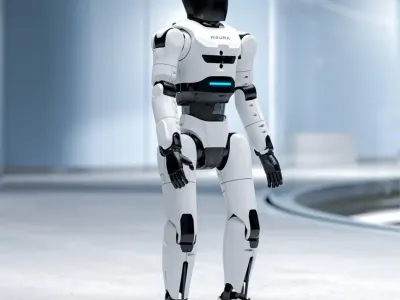
Optimus vs 4NE-1 Mini
Which humanoid robot is better? Optimus vs 4NE-1 Mini compared for dexterity, AI capabilities, payload, and industrial vs research use cases.
Verdicts reflect our research and opinion. Confirm specifications with the manufacturer before buying.