PAL Robotics Boosts REEM-C Balance with Renishaw Encoders
Robot Details
REEM-C • PAL RoboticsPublished
January 28, 2026
Reading Time
3 min read
Author
Origin Of Bots Editorial Team
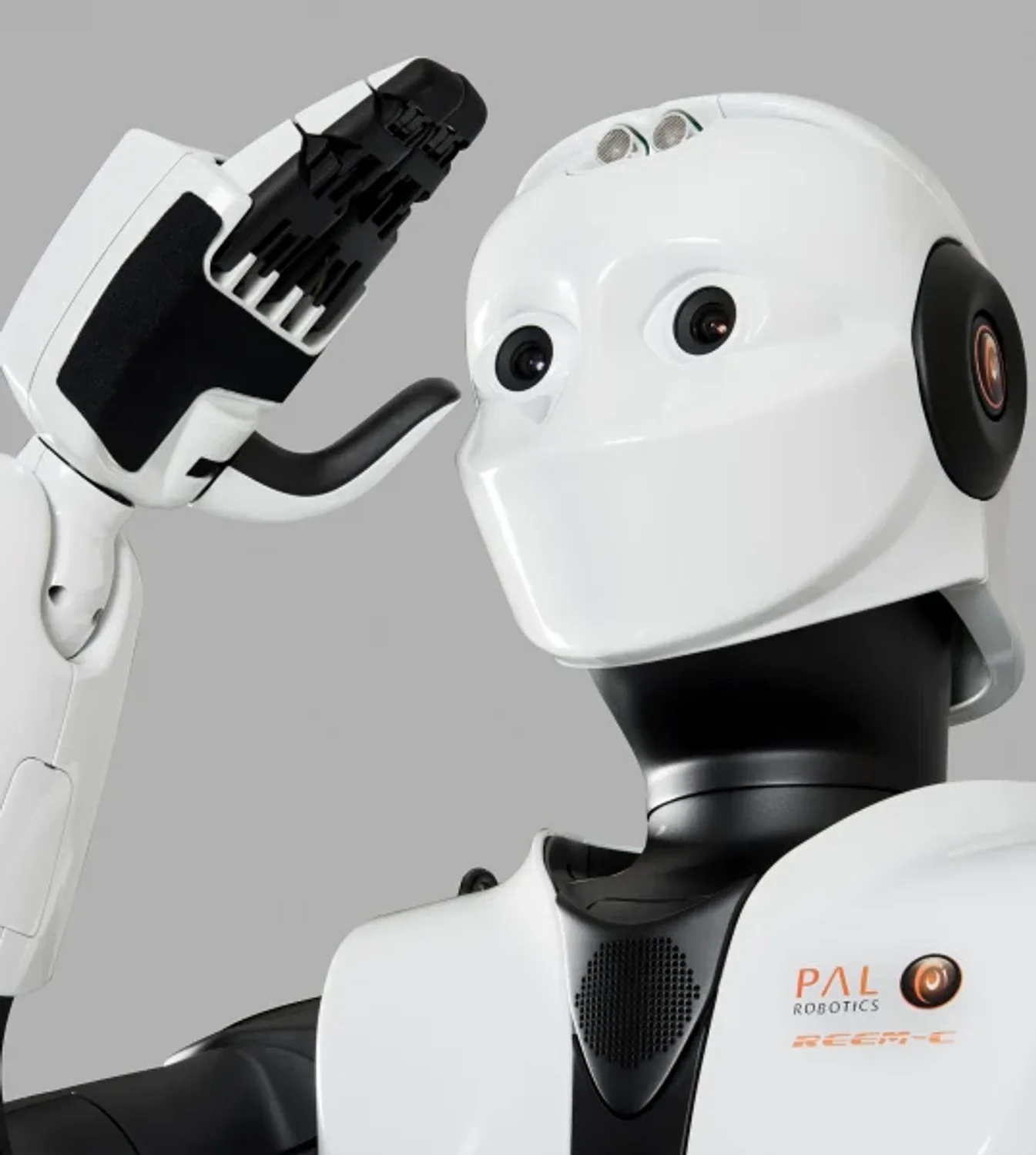
Encoder Upgrade Unveiled
PAL Robotics announces a pivotal upgrade to its REEM-C humanoid robot, integrating Renishaw's non-contact magnetic encoders into critical joints like knees, wrists, and elbows. This collaboration targets enhanced balance control, enabling the bipedal platform to better manage torque, velocity, and position during dynamic movements. Researchers now gain a more stable foundation for advancing humanoid capabilities in real-world scenarios, where even minor disturbances could previously derail experiments. The move underscores PAL's commitment to precision engineering, drawing from Renishaw's RLS lineup including AksIM, Orbis, and RoLin systems for customizable, compact performance.
Stability Redefined
These encoders empower REEM-C with superior feedback for servo-control, transforming how the robot handles complex bipedal tasks. By providing high-resolution data on joint states, the system sharpens disturbance rejection and zero-moment point tracking via fuzzy logic controllers. Engineers at PAL praise the encoders' flexibility, allowing tailored protocols and interfaces that make robots lighter yet more agile. This innovation elevates REEM-C from a basic research tool to a versatile performer in human-like locomotion, setting new benchmarks for reliability in unpredictable environments.
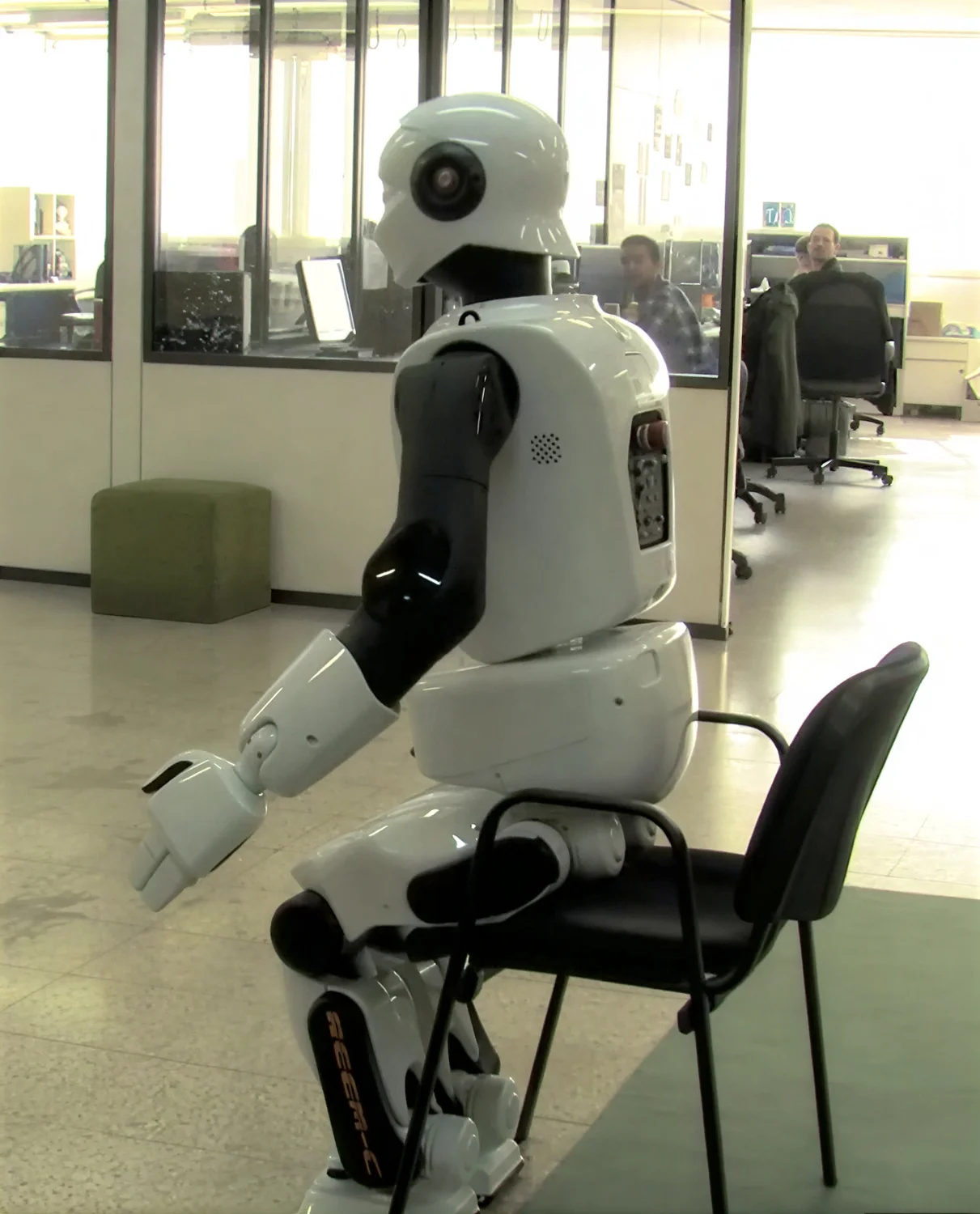
Joint Precision Leap
Renishaw's magnetic technology represents a engineering breakthrough for REEM-C, replacing traditional encoders with non-contact alternatives that resist wear and deliver absolute positioning accuracy. Integrated into articulated joints, they feed precise data into the robot's balance algorithms, optimizing the zero-moment point calculation at each foot. This addresses longstanding challenges in humanoid stability, such as maintaining equilibrium on uneven surfaces or during rapid posture shifts. PAL Robotics highlights the partnership's role in customizing components, fostering robots that push boundaries in torque-controlled movements.
Research Horizons Expand
With bolstered balance, REEM-C accelerates studies in navigation research, AI-driven grasping, speech interaction, and walking stability. Imagine deploying it for human-robot collaboration in labs, where it carries precision instruments or engages in natural dialogues while navigating indoor spaces via visual SLAM. Safety features like force limiting and collision detection ensure seamless teamwork, opening doors to assistive roles in dynamic settings. This upgrade positions REEM-C as a frontline platform for developers tackling tomorrow's challenges in mobility and interaction.
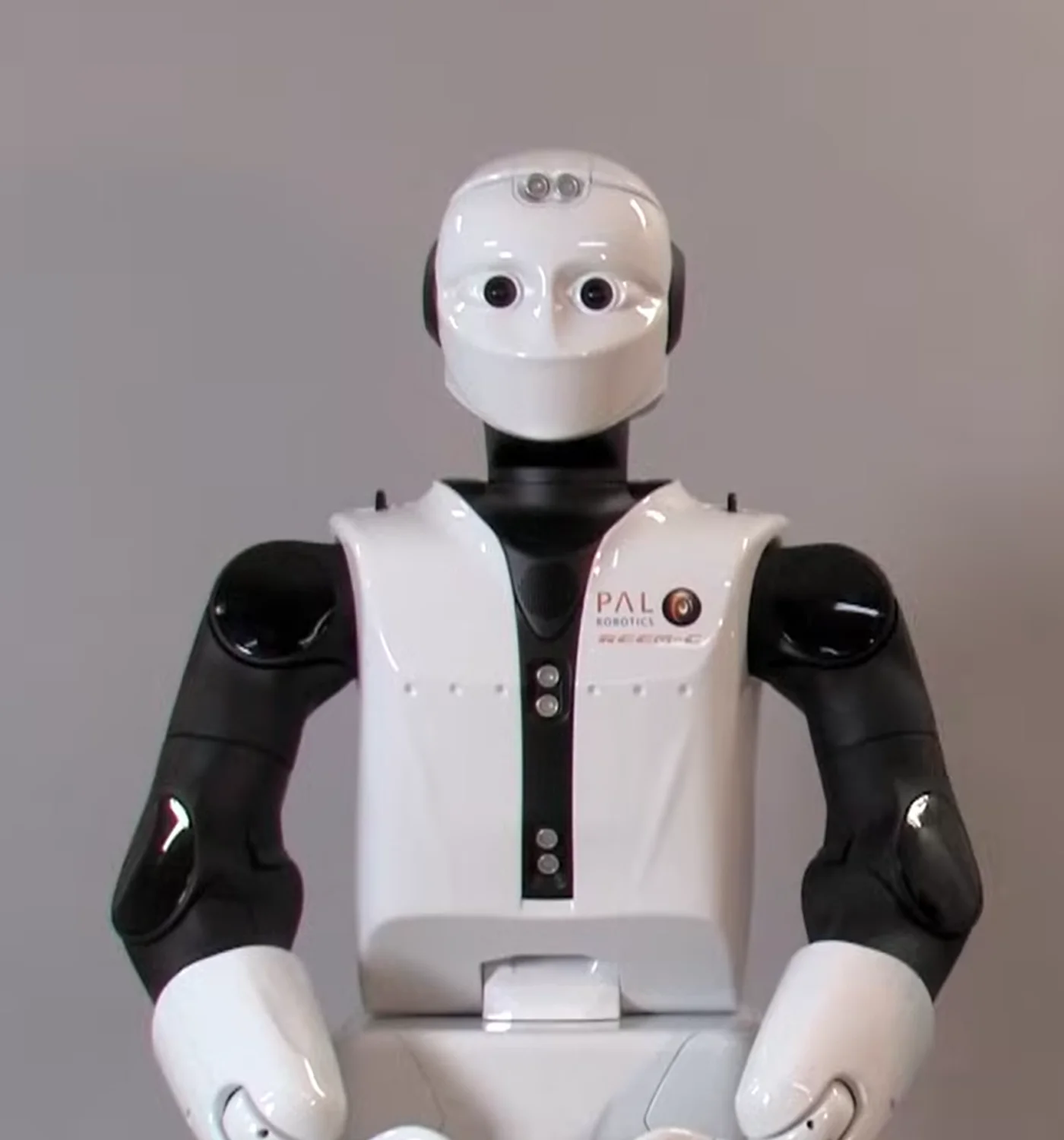
Skill-Enabling Framework
REEM-C's architecture channels its 165 cm height and 80 kg frame into human-centric skills, with stereo cameras and IMU enabling fluid visual navigation and posture awareness for extended interaction sessions. Ankle force/torque sensors, now amplified by precise encoders, grant dexterous balance during 2.5 km/h walks or stair climbs, supporting 3-hour autonomy on its lithium-ion battery. Wrist sensors (optional) and microphone arrays foster natural grasping and speech exchanges, while ROS-based software at 200 Hz drives collaborative handling of tools or packages with safety-first collision avoidance.
Rival Matchup Analysis
| Robot | Strengths over REEM-C | REEM-C Advantages | Weaknesses vs. REEM-C |
|---|---|---|---|
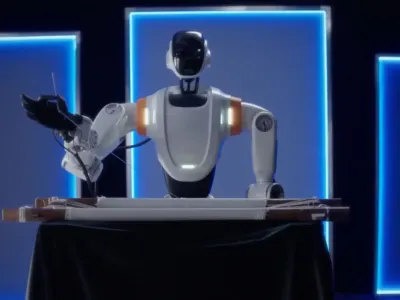
| TARS | Handles rough terrain better | Superior joint customization via encoders | Less focus on human interaction |
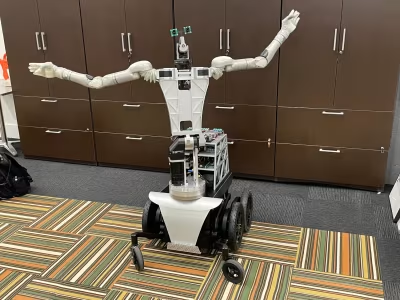
| ARI | Stronger front-desk expressiveness | Enhanced bipedal balance for mobility | Fixed wheeled base limits walking |
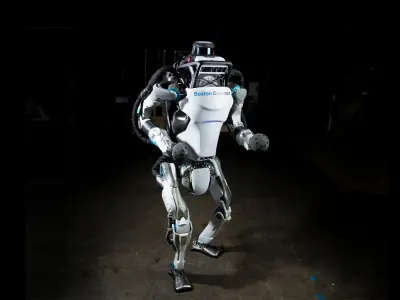
| Atlas | Faster dynamic acrobatics | Open ROS platform for research flexibility | Higher cost, less modular upgrades |
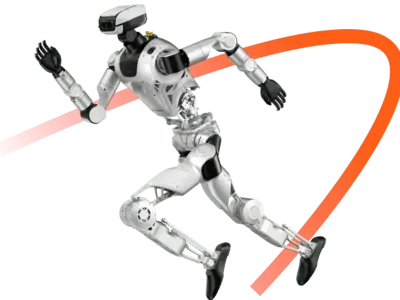
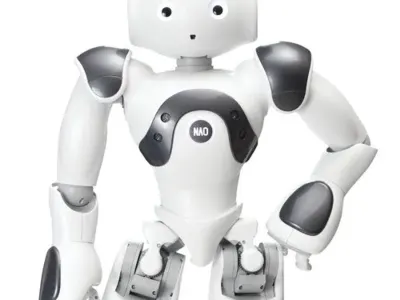
| NAO | Compact size for education | Full-size payload handling (10 kg) | Slower speed, reduced autonomy |
Explore Humanoids

Sources
Related Articles
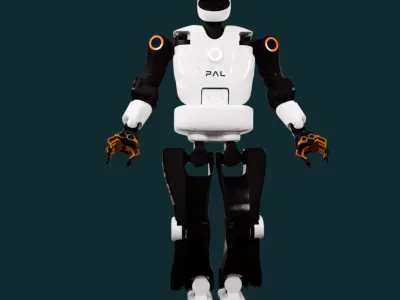
TALOS Powers Canada's First Humanoid Research Breakthrough
Kawasaki Kaleido 8.0 Redefines Collaborative Robotics with Force-Sensing Precision
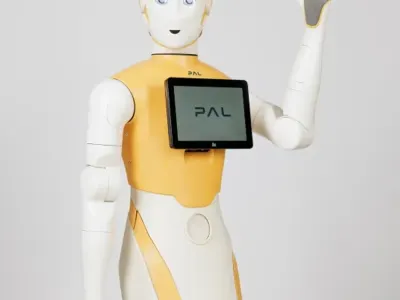
PAL Robotics Unveils ARI Upgrades at CES 2026
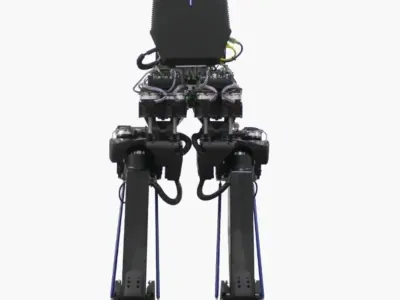
PAL Robotics Kangaroo Redefines Legged Robot Research with Advanced Dynamic Control
Related Comparisons
Compare REEM-C with similar robots
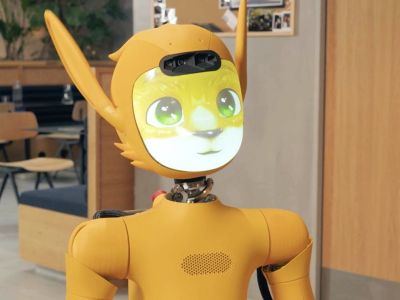
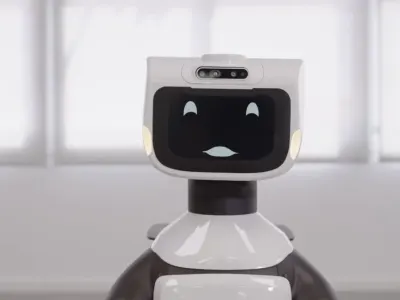
Mirokaï vs TIAGo Pro
Mirokaï or TIAGo Pro? Compare specs, navigation, battery, and sensors.

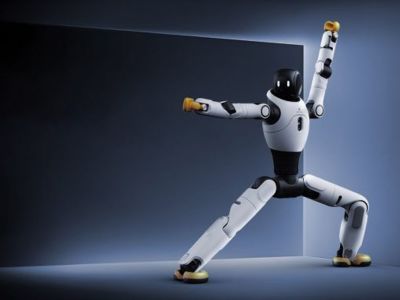
Unitree G1 vs AgiBot X2-N
Compare Unitree G1 vs AgiBot X2 for humanoid mobility, dexterity, autonomy, and payload capacity.
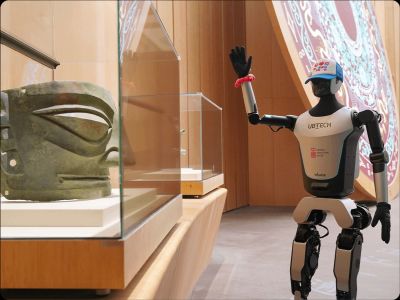
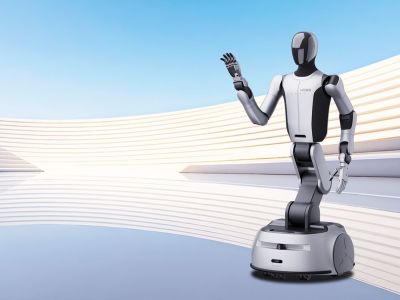
Walker C vs Cruzr S2
In-depth comparison of Walker C and Cruzr S2, covering hardware capabilities, teleoperation, and enterprise readiness.
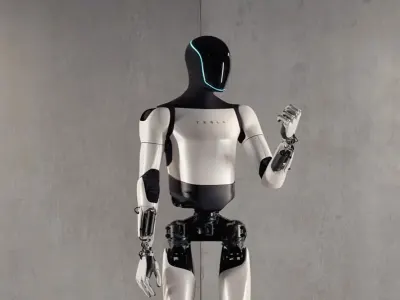
Figure 03 vs Optimus Gen 3
In-depth comparison of Figure 03 and Optimus Gen 3, covering hardware capabilities, teleoperation, and enterprise readiness.
Learn More About This Robot
Discover detailed specifications, reviews, and comparisons for REEM-C.
View Robot Details →